

The arrival of cholera in England exposed the flaws in the country’s social structure, highlighting issues beyond inadequate medical training—poverty and social inequality were at the core. Diseases like cholera and typhus revealed systemic failures. Birmingham, while not immune, demonstrated a superior approach to combating this invisible enemy. Read more on ibirmingham.
“English” Cholera
The cholera epidemic reached Birmingham in 1832. Initially, due to limited medical knowledge, the disease was misdiagnosed as dysentery or food poisoning, earning the nickname “English” cholera. England’s unsanitary conditions—filthy streets, poverty, and disease—were infamous at the time.
Cholera outbreaks were linked to hot weather and poor food storage, with particularly severe cases in Bilston in the Black Country. Recognising the inadequacy of the healthcare system, authorities initiated studies on the disease’s spread and societal impact. With no cure, the focus shifted to halting transmission.
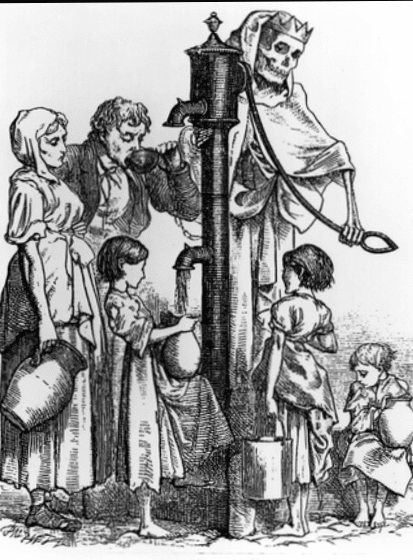
Unlike other cities, Birmingham reported relatively few cases—around 20—during the outbreak of “Asiatic” cholera. This was attributed to the city’s social order and employment opportunities, which reduced poverty compared to other industrial hubs. Samuel Tertius Galton, a Birmingham industrialist, noted that cholera primarily affected the lower classes, reinforcing the perception that it was a “disease of the poor.”
Discovering the Cause
Researchers sought to understand cholera’s transmission. It wasn’t until 1854 that contaminated water was identified as the primary culprit, though earlier theories emerged in an 1848 publication. Poor living conditions in impoverished areas, including limited access to clean water and inadequate drainage, facilitated the spread.
Birmingham’s natural drainage system and access to cleaner water helped slow the disease’s progression, despite fatalities. In contrast, nearby Bilston saw 693 deaths—the country’s highest toll. This disparity highlighted the role of infrastructure in public health.
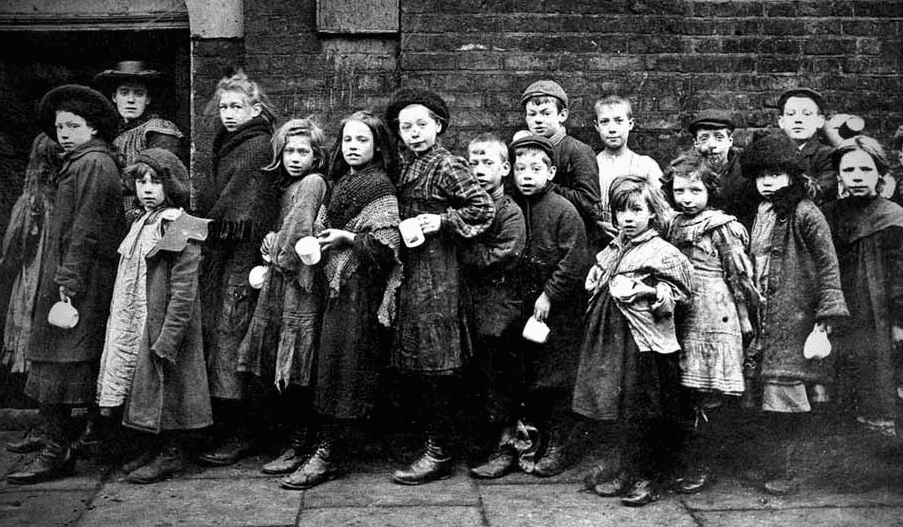
Birmingham’s Response
Birmingham initially followed the parish model, relying on a workhouse on Lichfield Street as a makeshift infirmary. A city health board later established systematic approaches, including record-keeping, preventive measures, and mobile health teams. These efforts evolved into the Birmingham and Aston Board of Health, which published guidance tailored to local needs. Funds raised supported burials, medical salaries, and more.
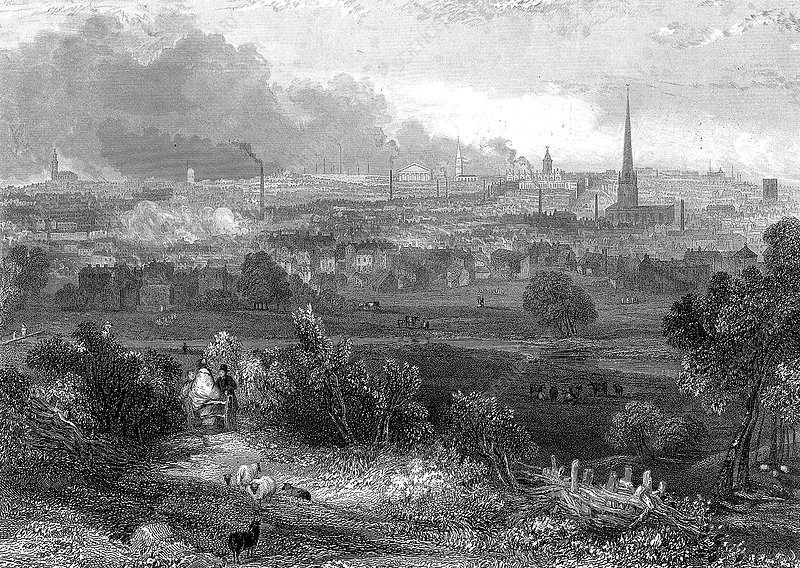
Rather than imposing strict quarantines, Birmingham adopted a “contingent-infectious” approach focused on improving living conditions and hygiene. Public campaigns used leaflets and posters to promote sanitation practices such as whitewashing homes, ventilating living spaces, and cleaning streets.
With existing facilities overwhelmed, the city opened additional hospitals, including one on Bradford Street. Alongside professional healthcare, “guardians of the poor” monitored the wellbeing and hygiene of impoverished residents. However, finding adequate burial sites remained challenging as the death toll rose.
Soup Kitchens
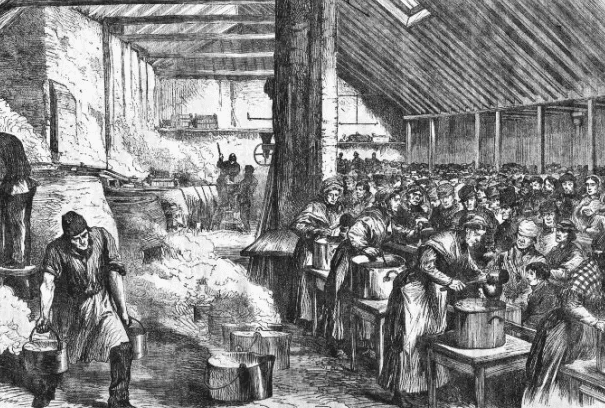
Nutrition was identified as a critical factor in combating cholera. Poor diets weakened resistance, prompting the city to establish free soup kitchens. These facilities provided food and safe cooking spaces, primarily during winter. Religious fasts were also suspended to ensure proper nourishment.
Despite preventive efforts, Birmingham could not entirely escape cholera’s impact. The first victim died at the Weaman Row hospital, sparking public outrage over perceived failures in medical response. Widespread distrust of healthcare professionals led to protests across England.
Birmingham’s relative success stemmed from its clean water supply, managed by the Birmingham Waterworks Company. The city’s reservoirs and reliance on deep artesian wells helped protect against contaminated water sources. Additionally, Birmingham’s lack of navigable rivers limited exposure compared to port cities.
While Birmingham’s social and political structure wasn’t flawless, its proactive measures set it apart during the cholera epidemic. Clean water, effective drainage, and public health campaigns played pivotal roles. Although researchers have yet to pinpoint a single reason for the city’s resilience, Birmingham’s response offers valuable lessons in disease prevention and urban planning.