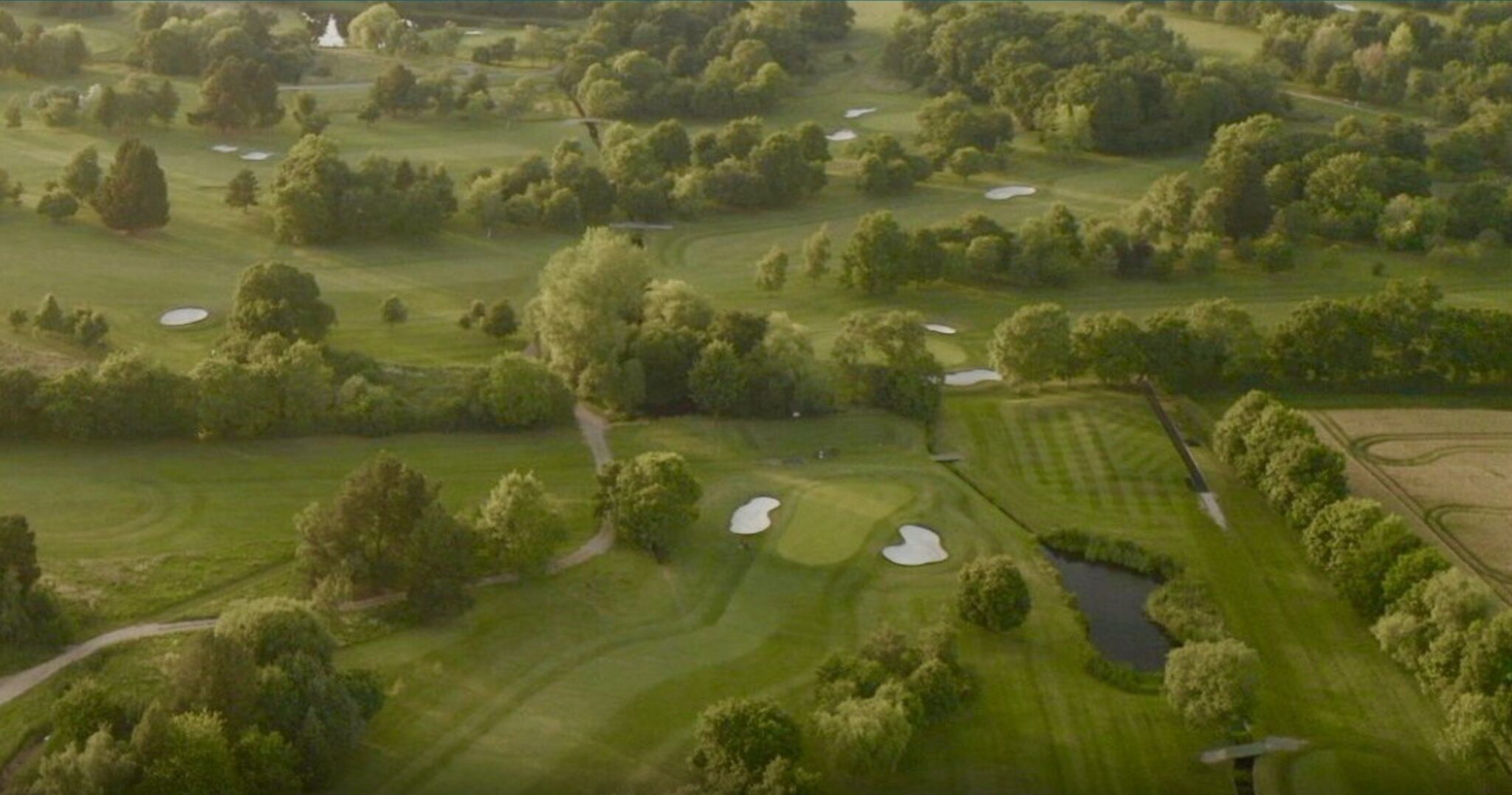

When discussing the history and development of golf in Birmingham, one cannot fail to mention the Moseley Golf Club. It was originally located on farmland near Billesley Lane, but in 1909 it moved to its current location, where its picturesque parkland course was designed by none other than the legendary Harry Colt. Even today, the course retains much of Colt’s original design, offering classic golf with challenging fairways and fast, undulating greens that have been enjoyed by generations of players.
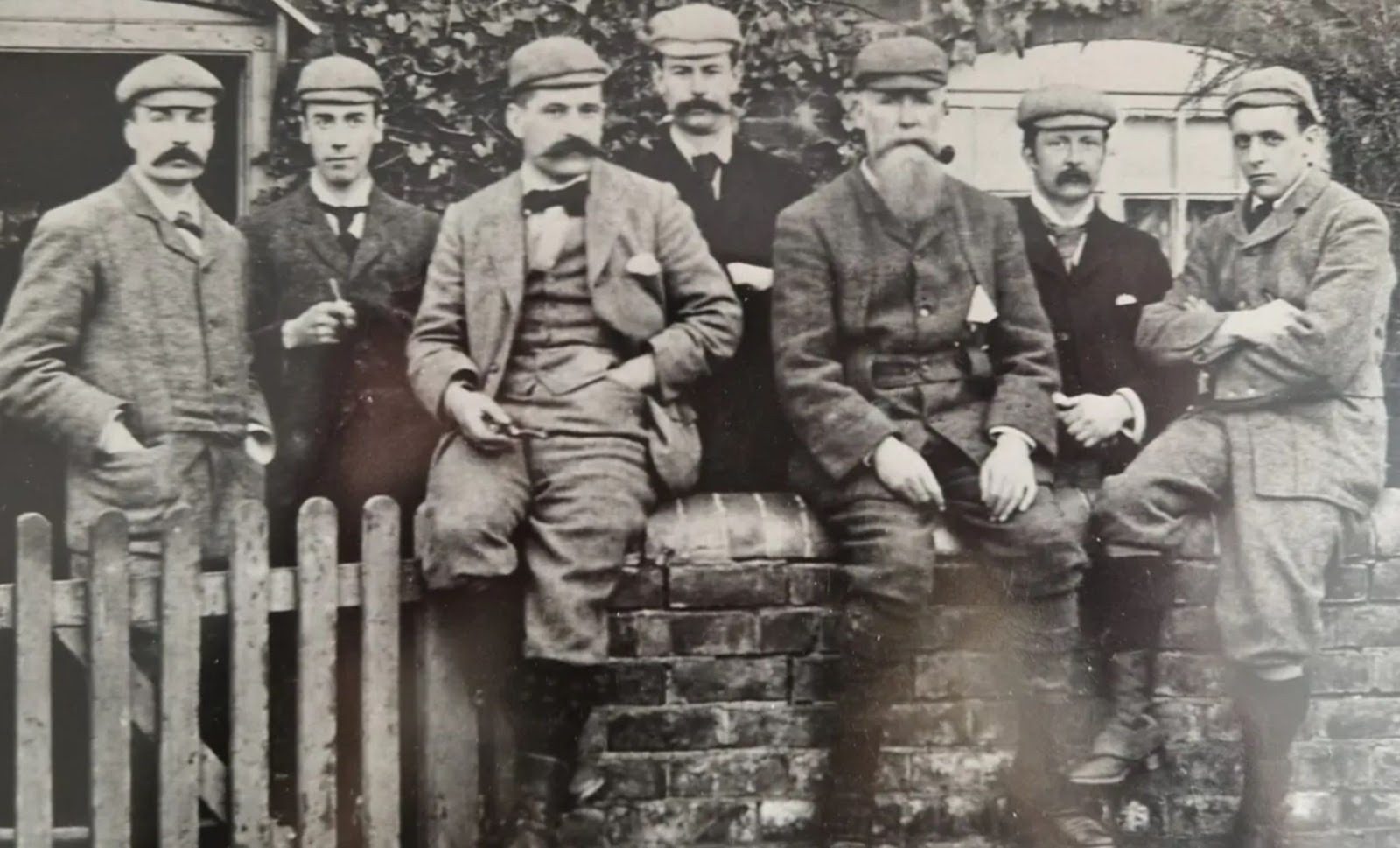
But that’s not all this club is known for. The fact is that one of Moseley’s founders was none other than Tolkien—William Tolkien, a relative of the famous writer J. R. R. Tolkien. He played a key role in the creation of the golf club. You have to admit, not every golf club in England can boast such a founder. This fascinating cultural connection not only enriches the history of this club but is also its special heritage. For more details about who loved to play one of the oldest sports and when, read more at birmingham.info.
The history of golf in England
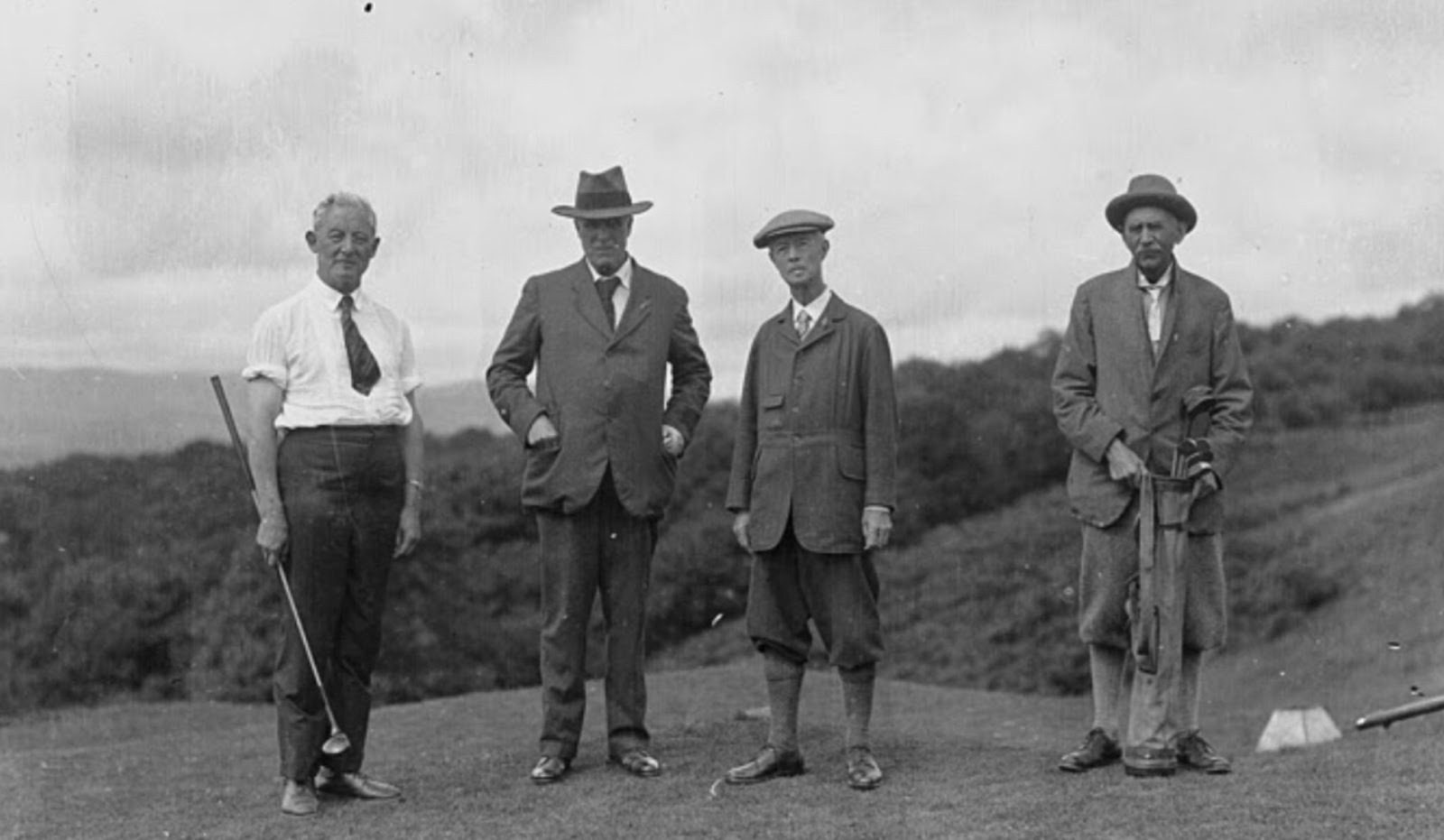
Golf is one of the oldest sports still practised in the world. Although its exact origins are a matter of debate, the modern version of golf as we know it today developed mainly in 16th-century Scotland. Players attempted to hit a small ball into a series of holes in as few strokes as possible.
The first written references to this game date back to 1457, when King James II of Scotland banned this activity so that his subjects would not neglect their military training. However, it was only in the 18th century that golf began to be organised into structured clubs with common rules and competitions.
In 1744, the Edinburgh Golf Society developed the first written rules, and shortly thereafter, such iconic clubs as the Royal and Ancient Golf Club of St Andrews were founded, which became the international centre for this discipline. Over time, this practice spread beyond Scotland, particularly to England.
Here, it gradually gained popularity among the wealthy classes, and then became accessible to a wider audience. From the second half of the 19th century, golf clubs began to appear in various regions, integrating social and competitive components into local life.
But golf finally became a structured sport in England at the turn of the 19th and 20th centuries. It was then that prestigious clubs were founded, some of which remain among the most respected not only in amateur but also in professional golf. The country also hosts high-level competitions such as the Open Championship, which is considered one of the most important tournaments in the international golf calendar.
As part of this expansion, many English clubs organise regional and national tournaments, promoting the development of golf in British society. This sport, which was initially often associated with a certain economic elite, is gradually becoming more democratic, in particular thanks to the development of associations, amateur tournaments and events for young people and families.
Kings Norton Golf Club
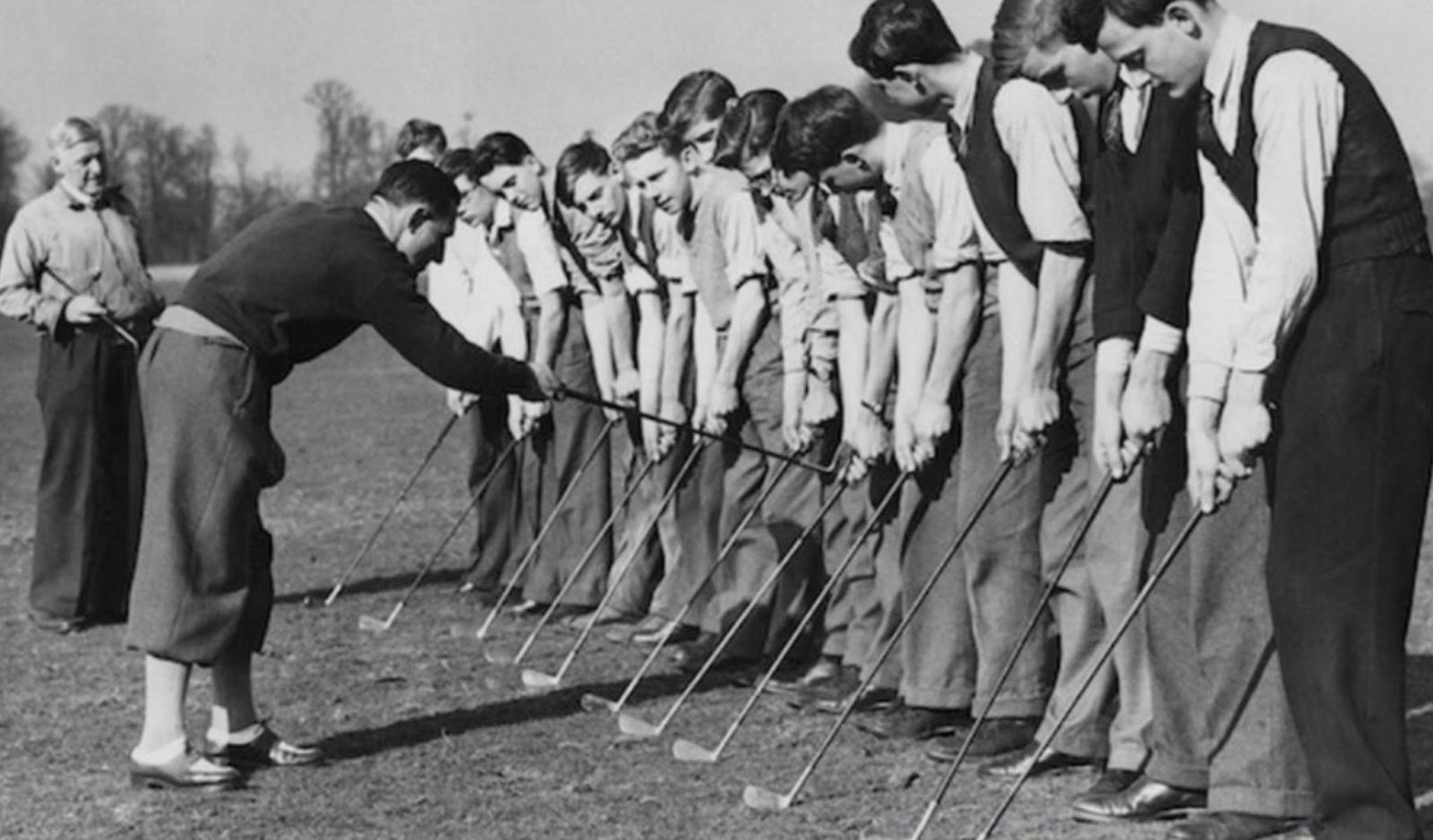
Birmingham, which became the industrial heart of the Midlands, is no exception in this sporting history. At the end of the 19th century, enthusiastic amateurs established clubs in the city, which became key venues for local social and sporting life. Among them is Kings Norton Golf Club, which stands out for its history and dedication to the golf community.
It was founded in 1892, making Kings Norton one of the oldest clubs in the region. The club was originally located on Wychall Lane in the Kings Norton area, but moved closer to Weatheroak Hall in the 1960s to build a larger and more ambitious golf course.
Today, Kings Norton Golf Club occupies 220 acres of parkland surrounding Weatheroak Hall, a Grade II listed historic building that serves as an elegant and welcoming clubhouse.
The club’s course consists of 27 holes organised into three loops of nine holes — Weatheroak, Brockhill and Wythall, blue, red, and yellow respectively — offering a variety of technical and strategic challenges for golfers of all levels. They were designed by Frederick W. Hotry. All courses have large gravel drainage greens covering an area of 650 square metres.
Another important element of the club’s identity is the diversity of its members. Although golf has historically been associated with the wealthy classes, Kings Norton Golf Club has worked for decades to expand its audience. In addition to its traditional members, the club now welcomes a wide range of players, including junior and women’s sections, reflecting its commitment to making the sport more inclusive and accessible.
This openness is further reinforced by the club’s participation in initiatives such as the R&A Women in Golf Charter, which aims to encourage more women and girls to take up golf at amateur and professional levels.
Golf in Birmingham

Historically, Kings Norton Golf Club has also hosted many professional-level competitions. From the late 1960s to the mid-1970s, the club hosted the W.D. & H.O. Wills Tournament, a professional tournament that was one of the major British tournaments of the time and attracted top-class players such as Tony Jacklin and Neil Coles.
It should be noted that other significant events unrelated to this club took place in Birmingham and the surrounding area. For example, Ladies European Tour tournaments such as the Bowring Birmingham Ladies Classic at Pype Hayes Golf Club or the British Olivetti Tournament at Moor Hall Golf Club. These competitions drew attention to professional women’s golf in the 1980s.
In addition to professional competitions, the city regularly hosts amateur and junior tournaments and interclub meetings, which allows local golfers to compete, improve their skills and strengthen the community around this sport.
Social impact

It can therefore be concluded that golf in Birmingham is not only a sport, but also an important social function. Historically, golf clubs have served as meeting places for different social classes, from the industrial elite of the early 20th century to modern amateurs. The presence of golf clubs such as Kings Norton enriches community life by providing places for recreation, networking, and competition in green surroundings close to the urban agglomeration.
In addition, changes in mentality and the structure of associations have contributed to golf becoming less elitist than before. Initiatives aimed at encouraging women and juniors to participate, training and coaching opportunities for beginners, as well as open days, allow a wider audience to gain access to this sport, which was previously considered the preserve of the elite.
Despite these changes and significant democratisation, it is important to state clearly that golf remains an expensive sport compared to other popular disciplines. Course maintenance, membership fees and equipment can be a barrier for some enthusiasts.
However, the development of programmes for beginners and support for local federations demonstrate a desire to make this sport more accessible. Birmingham clubs, while preserving their traditional heritage, strive to promote golf that is both competitive and accessible.
Sources:
- https://www.moseleygolfclub.co.uk/club/history/
- https://www.kingsnortongolfclub.co.uk/membership
- https://www.golfmonthly.com/courses/uk-and-ireland/england-birmingham-24749
- https://www.rolex.com/ru/rolex-and-sports/golf/the-open-championship
- https://blog.allsquaregolf.com/the-origins-of-golf-a-journey-through-time/