
Rowing occupies a special place in the history of English sport. Long before it became a modern Olympic discipline, it was already part of everyday life for the British — as a means of transport, a professional activity and an aristocratic pastime. From the banks of the Thames to the industrial canals of the Midlands, the steady motion of oars accompanied the social, economic and cultural transformations of the country.
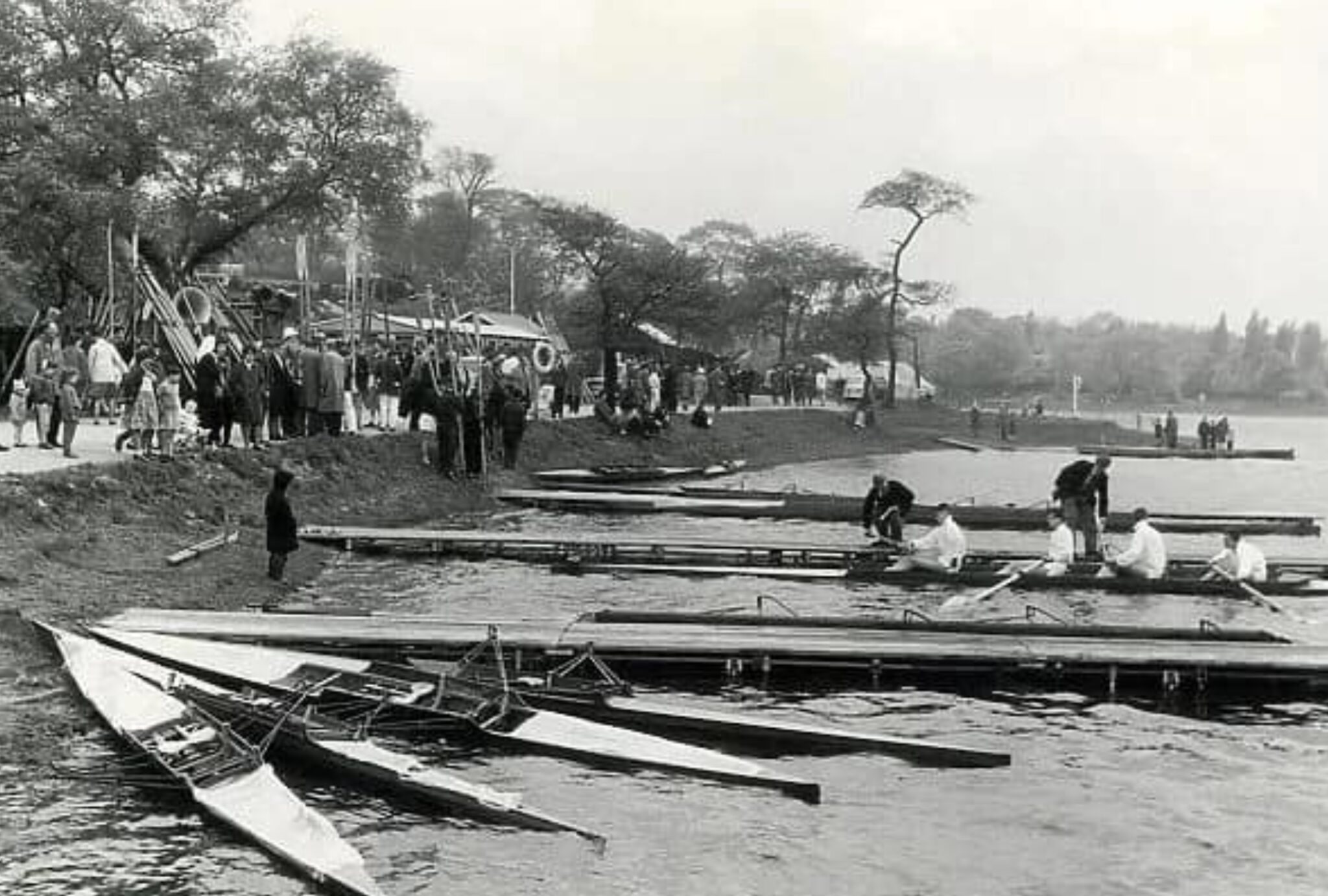
As for Birmingham itself, the earliest mention of a local rowing club dates back to 1859. At that time, the Birmingham Soho Club was active on the Edgbaston Reservoir. Unfortunately, no records of its activities have survived. There are also references to the Edgbaston and Warwickshire Boat Club, but again, there are no official documents confirming the existence of these organisations. Be that as it may, you can read more about the origins and development of rowing in Birmingham at ibirmingham.info.
The emergence of rowing clubs
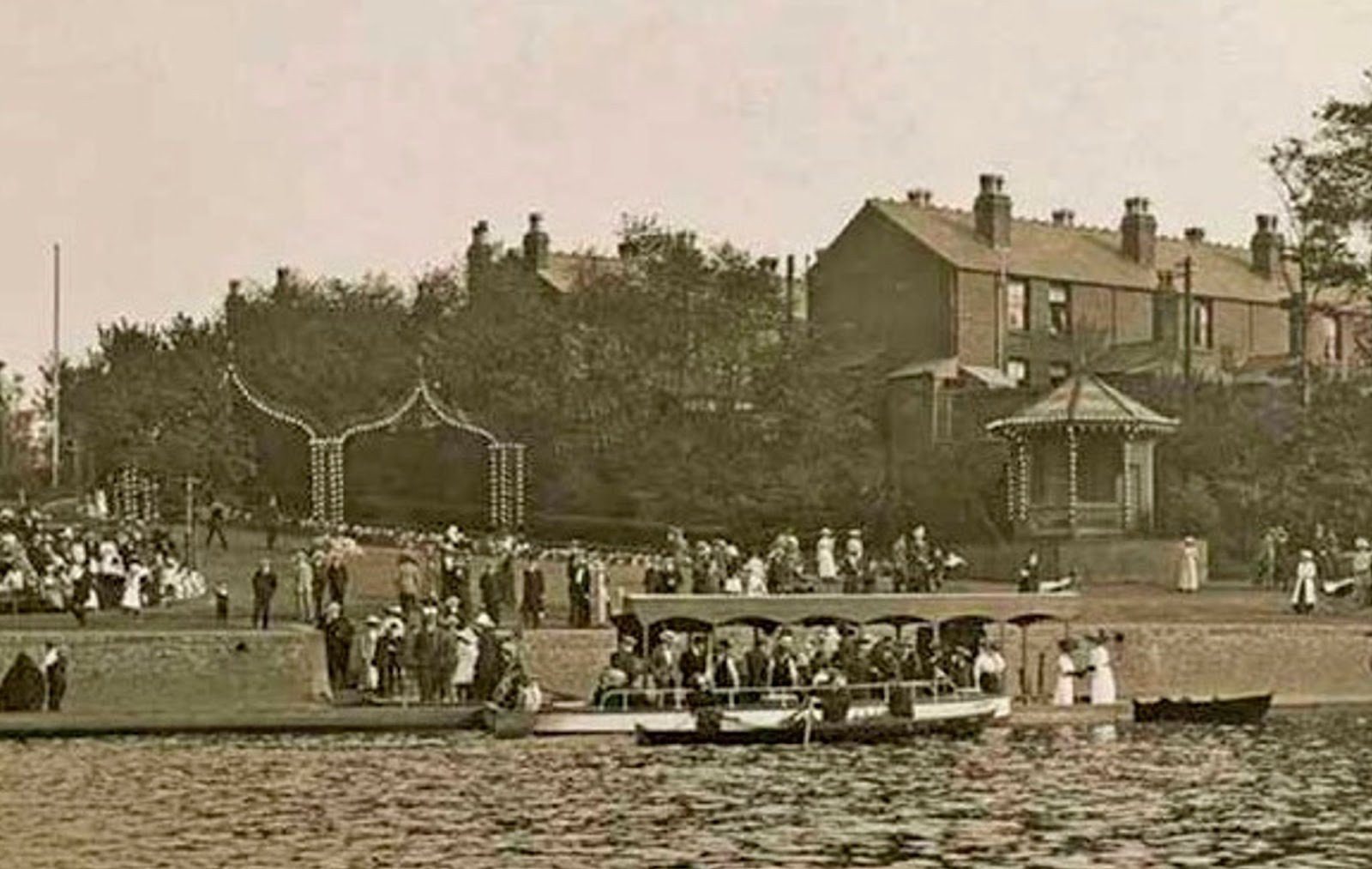
Regarding the first mentions of rowing clubs, it has been suggested that the split of the first club led to the formation of two separate organisations. This seems possible, as there is evidence of the existence of the Birmingham and Edgbaston Rowing Club and the North Warwickshire Rowing Club, both based in Birmingham.
In general, rowing in Birmingham was concentrated on the historic reservoir of Edgbaston, and, as we can see, its roots date back to the mid-19th century. It so happened that the Birmingham Rowing Club, which was founded moderately later, in 1873, can be considered not only the main rowing centre of the city, but also the main successor to that very first Soho Club. The legacy of competitive awards plays a significant role in this. Just think of the victory in the Wyfold Cup at the Henley Royal Regatta in 1904.
The location of the North Warwickshire Rowing Club is unknown, but information about regattas in the Rowing Almanac indicates that during the 1880s it was a very successful club, which often participated in local regattas and won numerous victories.
In general, the heyday of rowing as a sport fell mainly in the 19th century. It was during this period that the first official competitions were organised, and modern clubs were founded. Oxford and Cambridge Universities played a central role in this evolution. Their famous Boat Race, which took place for the first time in 1829, quickly became a national event.
This university rivalry is not limited to simple sporting competition: it also symbolises a spirit of discipline, perseverance and academic excellence. Following their lead, many other English universities created their own teams, contributing to the spread of rowing throughout the country.
Birmingham features
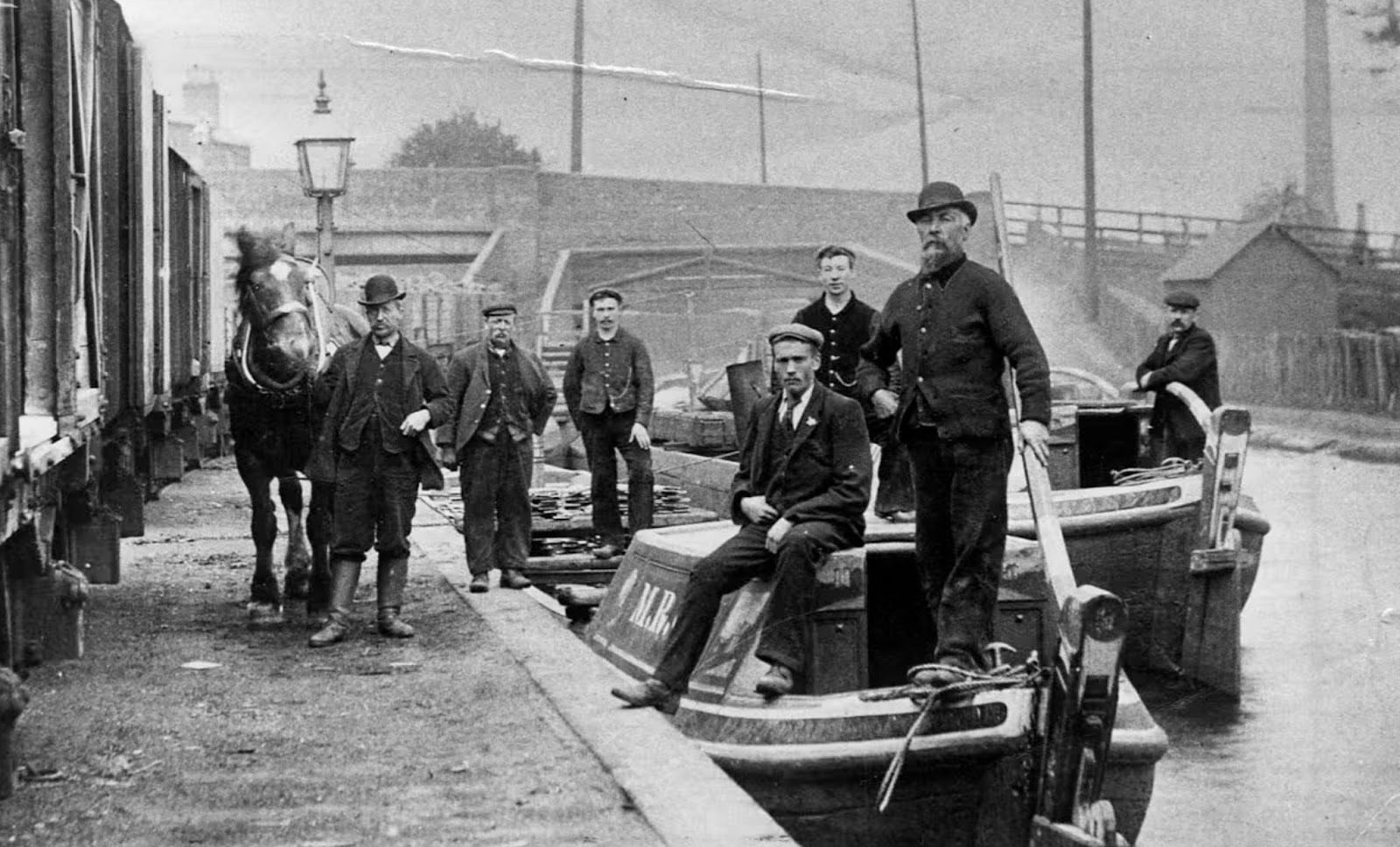
Alongside the university world, industrial cities are developing their own rowing culture. Birmingham, often associated with metallurgy and the industrial revolution, has a rich maritime history. Although the city is not located on a large navigable river, it is traversed by an extensive network of canals, long referred to as the “lifeblood of British industry.”
These waterways, originally intended for transporting coal, steel and goods, are gradually being transformed into places for recreation and sports.
It was in this context that the first rowing clubs appeared in Birmingham in the 19th century. And here again we can recall the aforementioned Birmingham Rowing Club, founded in 1873, which was and remains one of the most popular in the city. Located near the Edgbaston Reservoir, it is a perfect example of the transition from an industrial landscape to organised sport.
At the beginning of its existence, the club mainly brought together men from the urban middle class: civil servants, engineers, and merchants. Rowing was both a means of keeping fit and an opportunity for socialising. Over time, the club expanded, participated in national regattas, and trained several generations of rowers, including not only amateurs but also professional athletes.
Although English rowing is often associated with famous figures from Oxford or Cambridge, Birmingham has also contributed to the training of high-level athletes. Some rowers who trained at clubs in the Midlands have represented Great Britain at national and international championships, illustrating the role of local organisations in the development of elite sport.
History of the community
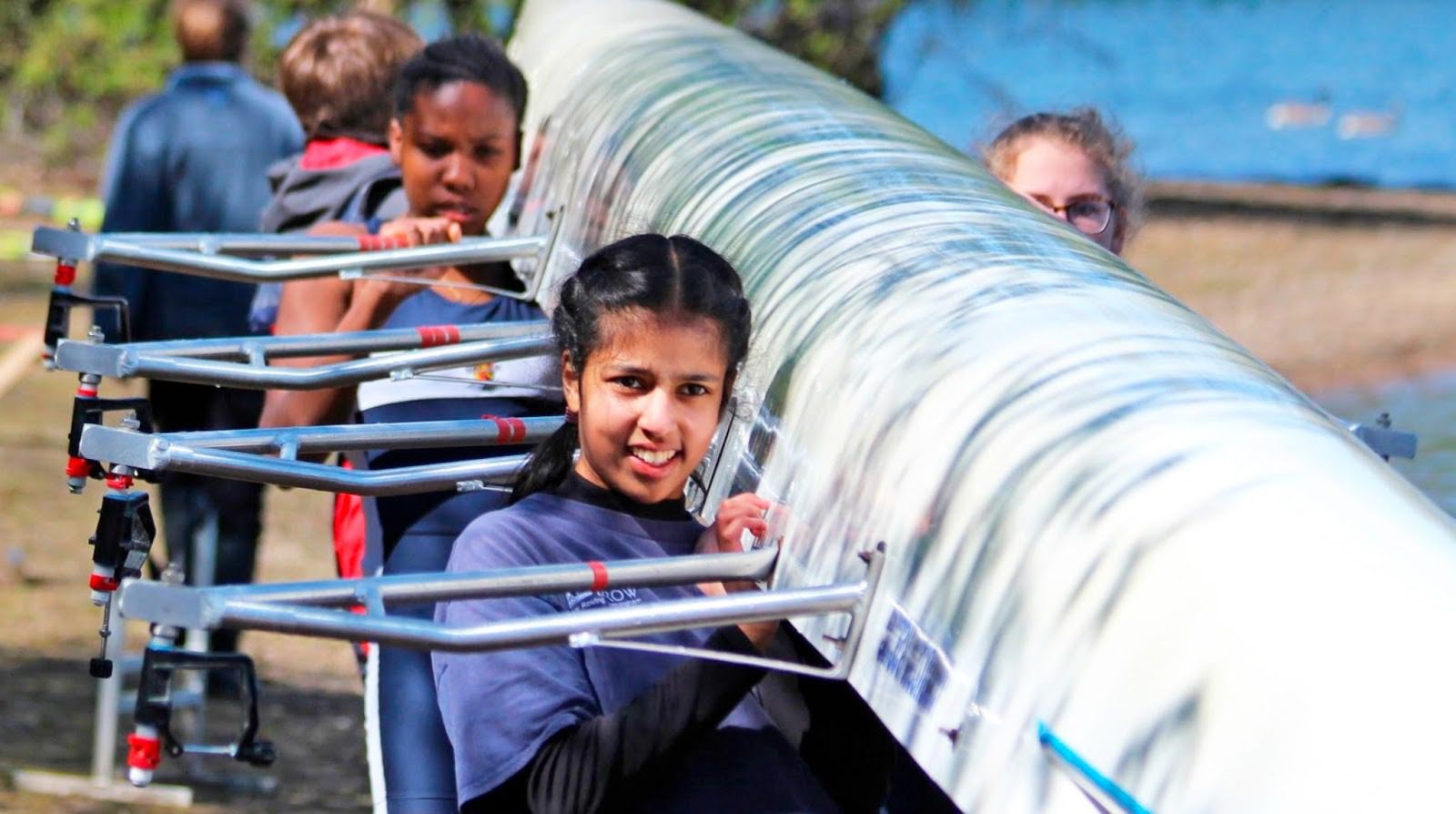
But beyond the medals, the history of rowing in Birmingham is above all a story of community: volunteer coaches, young beginners, enthusiastic veterans, all united by the same rhythm of the oars.
It should not be forgotten that long before rowing emerged as a sport, the canals of Birmingham were a place of extremely hard labour. Generations of boatmen operated barges and boats in often gruelling conditions. During the Second World War, this reality took on special significance. As many men were mobilised to the front, women took their place on the canals.
Sometimes they were called Idle Women, but it was they who ensured the transport of goods necessary for the war effort. Steering a barge loaded with tons of cargo requires strength, endurance and composure. This period was a symbolic turning point: it showed that women could do physical work that had previously been considered exclusively male, paving the way for greater participation by women in water sports after the war.
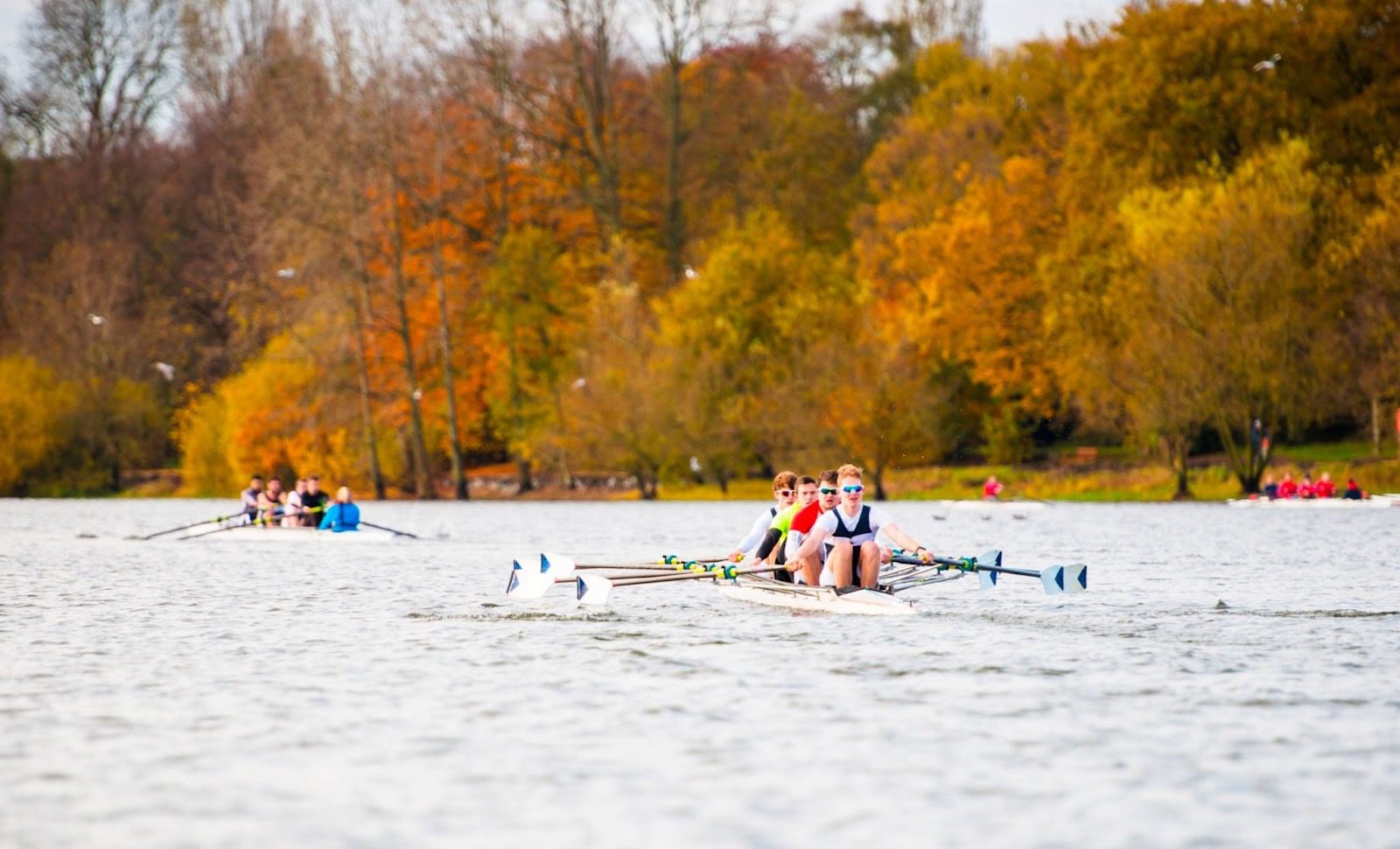
In the post-war period, rowing in Birmingham developed alongside the city itself. Old industrial canals were gradually reconstructed, the Edgbaston Reservoir became a real sports centre, and clubs became more open to young people and women.
Rowing is no longer a pastime accessible only to a privileged few: programmes for beginners have emerged, often linked to local schools and universities. Birmingham City University, like other educational institutions, is creating its own teams, continuing the English university tradition and adapting it to modern realities.
Modern realities
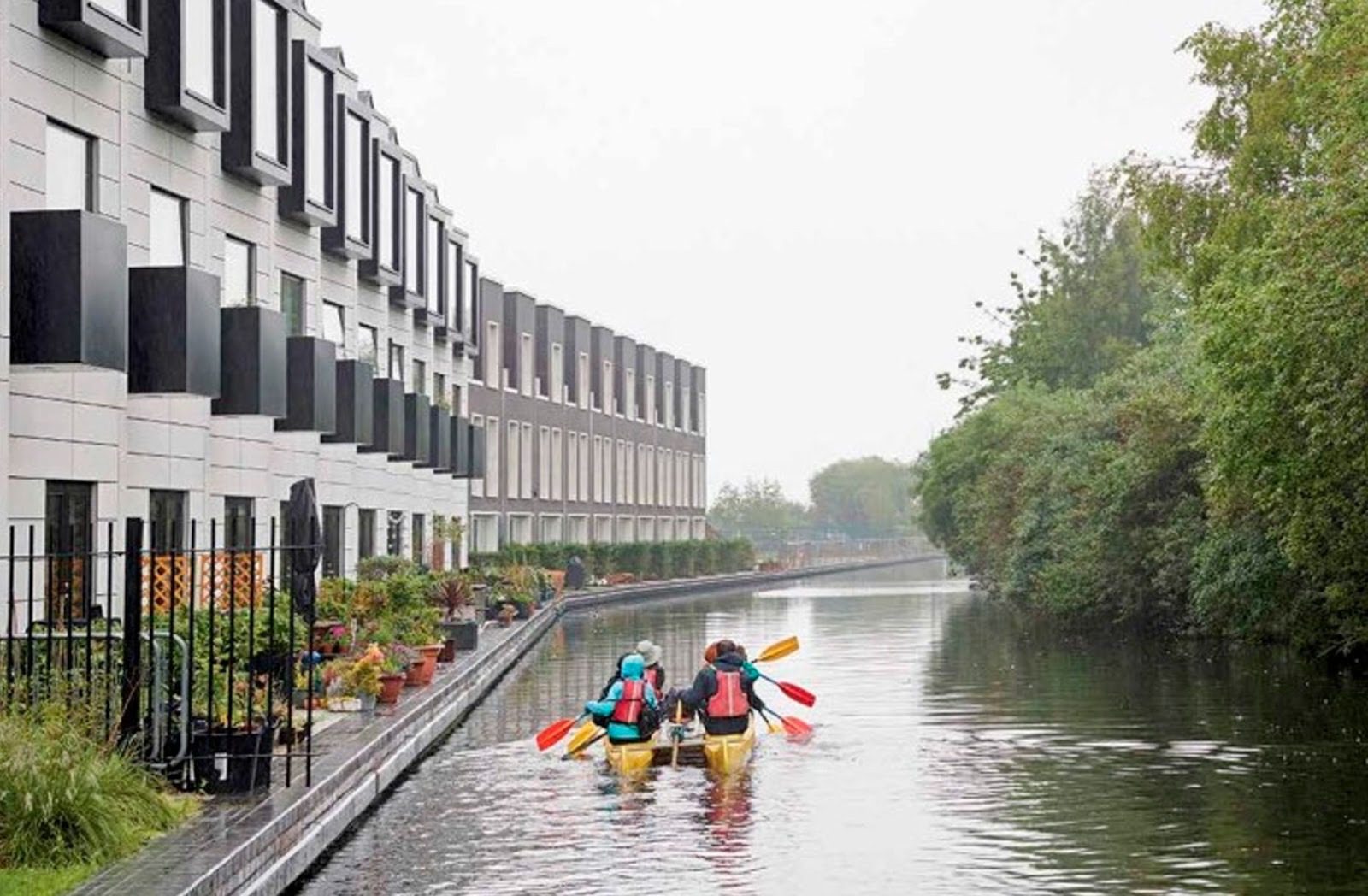
Today, rowing in Birmingham reflects this dual heritage — industrial and sporting. Here you can meet athletes striving to win national championships, as well as amateurs who simply want to enjoy a trip on the water at dawn. Clubs offer training for beginners, recreational sessions and intensive training.
Local regattas attract crews from across the West Midlands region, while indoor competitions held in large halls give an even wider audience the opportunity to discover this sport.
Therefore, one cannot recount the history of rowing in England without mentioning Birmingham. From the age-old rivalry between Oxford and Cambridge to anonymous rowers on industrial canals, from Victorian clubs to the courageous women of World War II, the city has embodied an important part of this tradition.
Now, as new enthusiasts take to the water for the first time, Birmingham continues to write its page in the long history of rowing in Great Britain, proving that this sport is primarily about passing on experience, community and shared movement.
Sources: