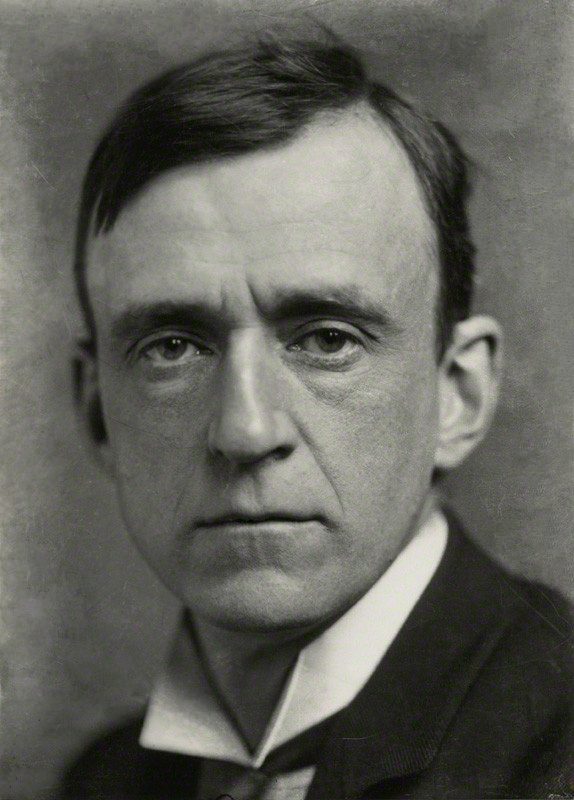

Impressionism derives its name from “impression,” reflecting works created under the strong influence of emotional or situational impact. Among Britain’s most notable impressionists was Henry Tonks, whose life was equally remarkable for his dual career as a physician and an artist. Read more on ibirmingham.
A Childhood Dream
Born in 1862 in Birmingham, Henry Tonks grew up in a wealthy family that owned a metalworking factory. Despite the city’s strong industrial identity, Tonks had no interest in metallurgy or business. Instead, he was drawn to medicine from an early age. After completing school in Bloxham and college in Bristol, he pursued medical studies at the Royal Sussex County Hospital.
Tonks excelled in his education, eventually interning at the London Hospital in Whitechapel, where he worked as a surgeon. In 1888, his medical expertise earned him a place in the Royal College of Surgeons.
Although dedicated to his profession, Tonks sought an emotional outlet through art. He enrolled in evening painting courses at the Westminster School of Art, where his talent flourished. By 1891, Tonks was showcasing his works, unknowingly becoming a pioneer of British Impressionism. His emotionally charged portraits, often depicting war-related disfigurements, reflected his profound experiences during World War I.
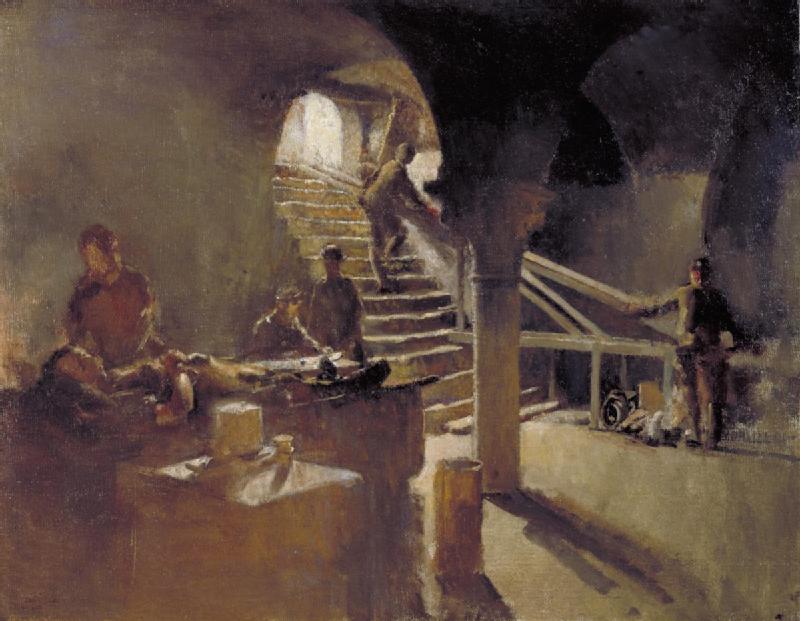
Fredrick Brown, Tonks’ art mentor, recognised his potential and invited him to teach at University College London’s Slade School of Fine Art. This marked the beginning of Tonks’ dual career as a surgeon and artist.
World War I and Artistic Transformation
When World War I broke out, Tonks was teaching at the Slade School. However, his medical expertise was urgently needed. Initially stationed at a field hospital in Dorchester, Tonks later worked as a stretcher-bearer for the British Red Cross in France in 1915. These experiences deeply affected his artistic style.
In France and Italy, Tonks encountered the brutal realities of war—mutilated bodies and mass casualties. His time in Italy left a particularly lasting impression, inspiring a series of poignant pastel portraits. These works depicted soldiers with severe facial injuries, serving as teaching tools for budding plastic surgeons.
Tonks’ exposure to battlefield horrors also reinvigorated his medical qualifications. By 1916, he was serving as a doctor in the Royal Army Medical Corps, witnessing firsthand the devastating effects of chemical warfare.
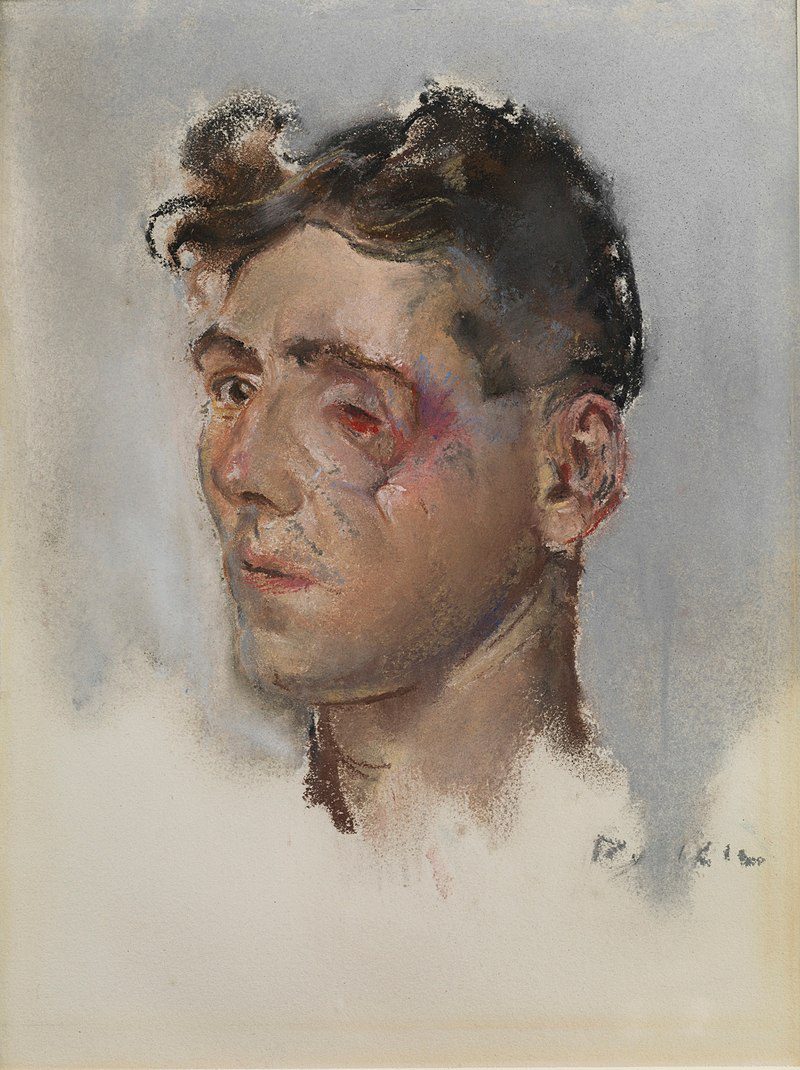
World War I introduced modern warfare innovations, including chemical weapons, which presented unprecedented challenges for medics. The overwhelming number of injured soldiers led to the spread of epidemics and the emergence of plastic surgery as a discipline. Tonks’ meticulous pastel portraits documented complex facial injuries, becoming invaluable resources for medical students.
In 1918, Tonks was appointed an official “War Artist,” travelling to battlefields to capture injuries in real time. His depictions of mustard gas victims and other wartime traumas were later exhibited at the Imperial War Museum in London.
Tonks retired in 1930, leaving behind a legacy as both a pioneering artist and a compassionate physician. He passed away in 1937 in Chelsea, but his contributions to medicine and art remain immortalised through his works and influence on medical education.