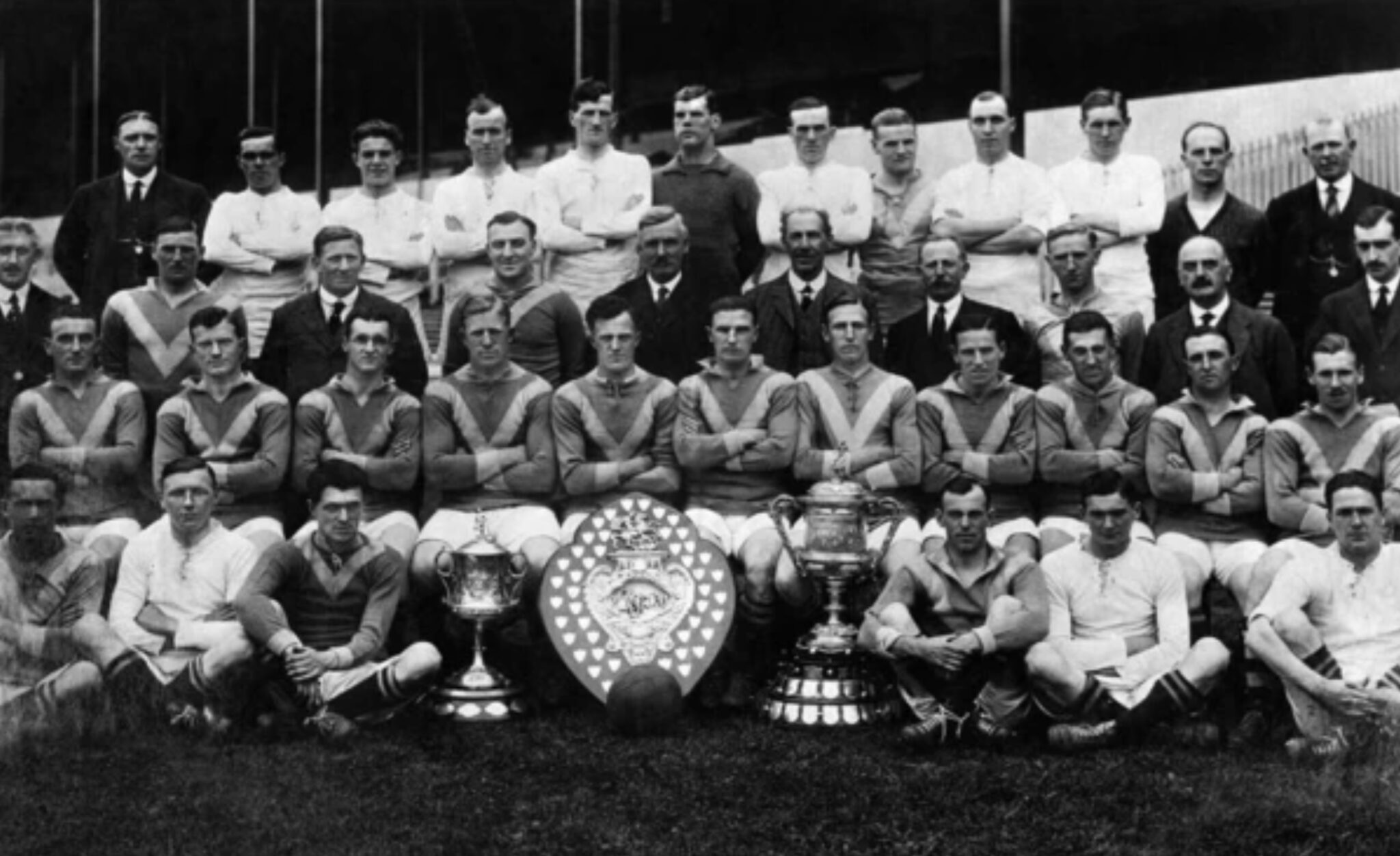

Birmingham, often regarded more as an industrial hub than a football city, boasts a rich sporting history. Among its two most famous football clubs is Birmingham City Football Club. Founded in 1875, the club is one of England’s oldest and has a storied, if modest, history. Let’s explore the evolution of this club and its accomplishments. Next on ibirmingham.info.
Founding the “Blues”
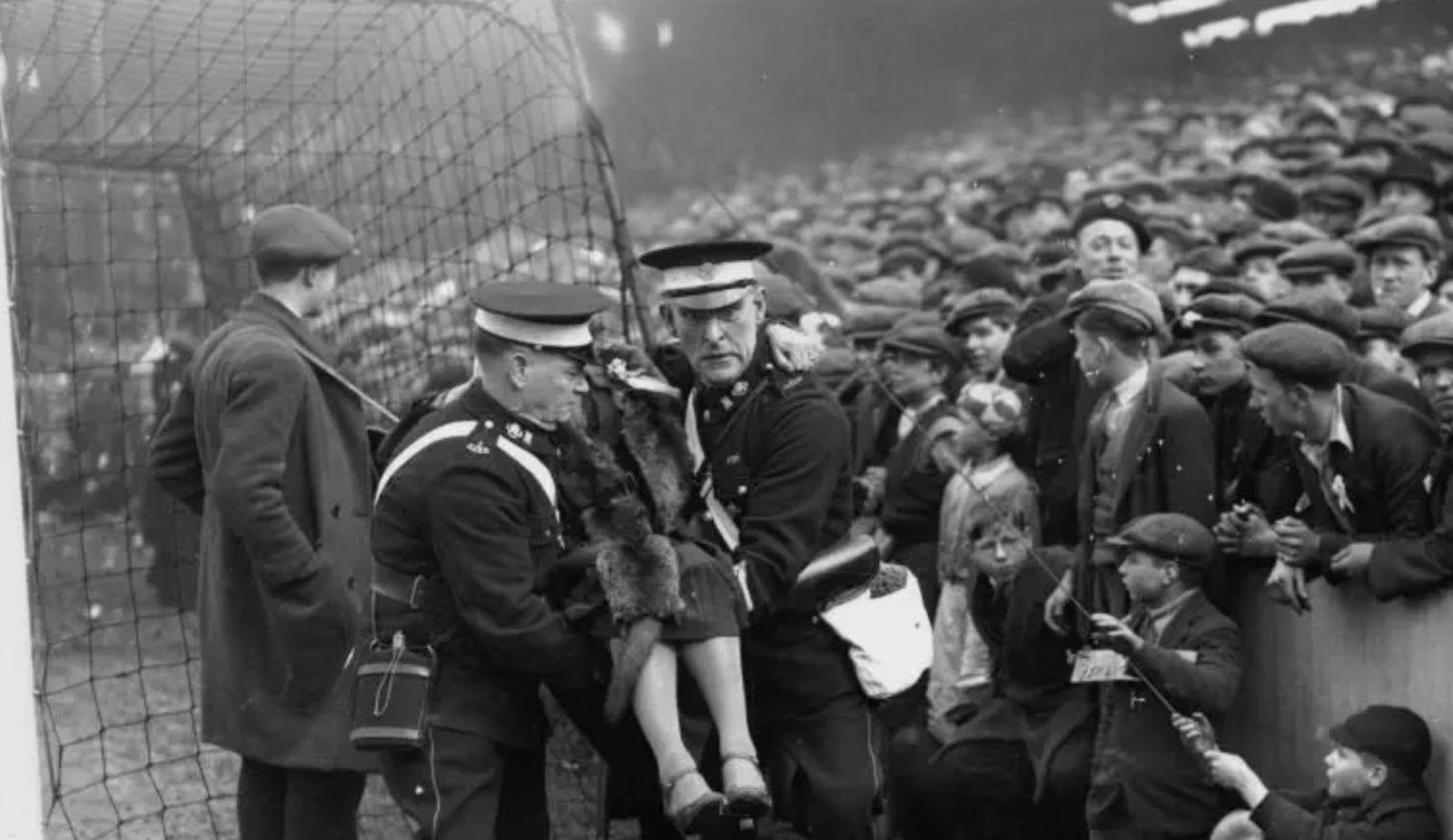
The club officially became known as Birmingham City in 1943, but its roots trace back to 1875 when it was founded as Small Heath Alliance. Renamed Small Heath in 1888 and Birmingham in 1905, it adopted its current name post-WWII.
From the very beginning, the team donned blue kits, a tradition reflected in the club’s nickname, “The Blues.” Over the years, the kit underwent variations, including a distinctive “V” pattern in the 1920s and bold vertical stripes in the 1970s. The club’s first emblem featured the city’s coat of arms, replaced in 1975 with the now-iconic globe and football design to mark the club’s centenary.
Ties to Trinity Church and Early Beginnings
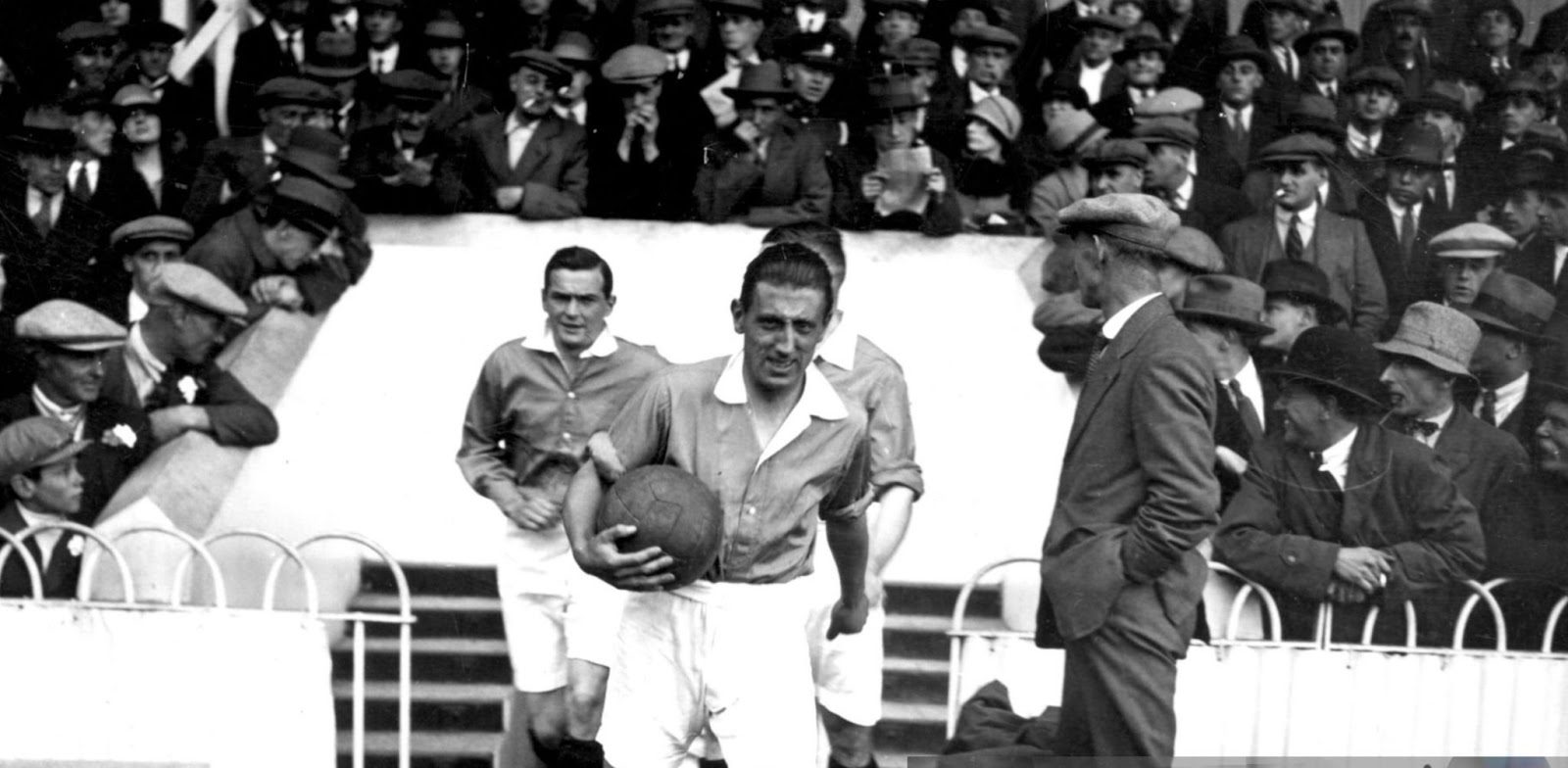
Like many clubs of the 19th century, Birmingham City has roots in the local church. The team formed from a group of cricketers associated with Trinity Church in Bordesley Green. They played their earliest games on a piece of wasteland near Arthur Street, Small Heath, close to the site of the current St. Andrew’s Stadium.
By 1877, the team relocated to Ladypool Road in Sparkbrook, and two years later, they faced Aston Villa in a match that ignited one of the Midlands’ fiercest football rivalries.
Becoming a Professional Club

In 1885, the club turned professional, with players earning bonuses for scoring goals. By 1888, they shortened their name to Small Heath and became the first club to achieve limited company status. The name Birmingham was adopted in 1905, with “City” added in 1943.
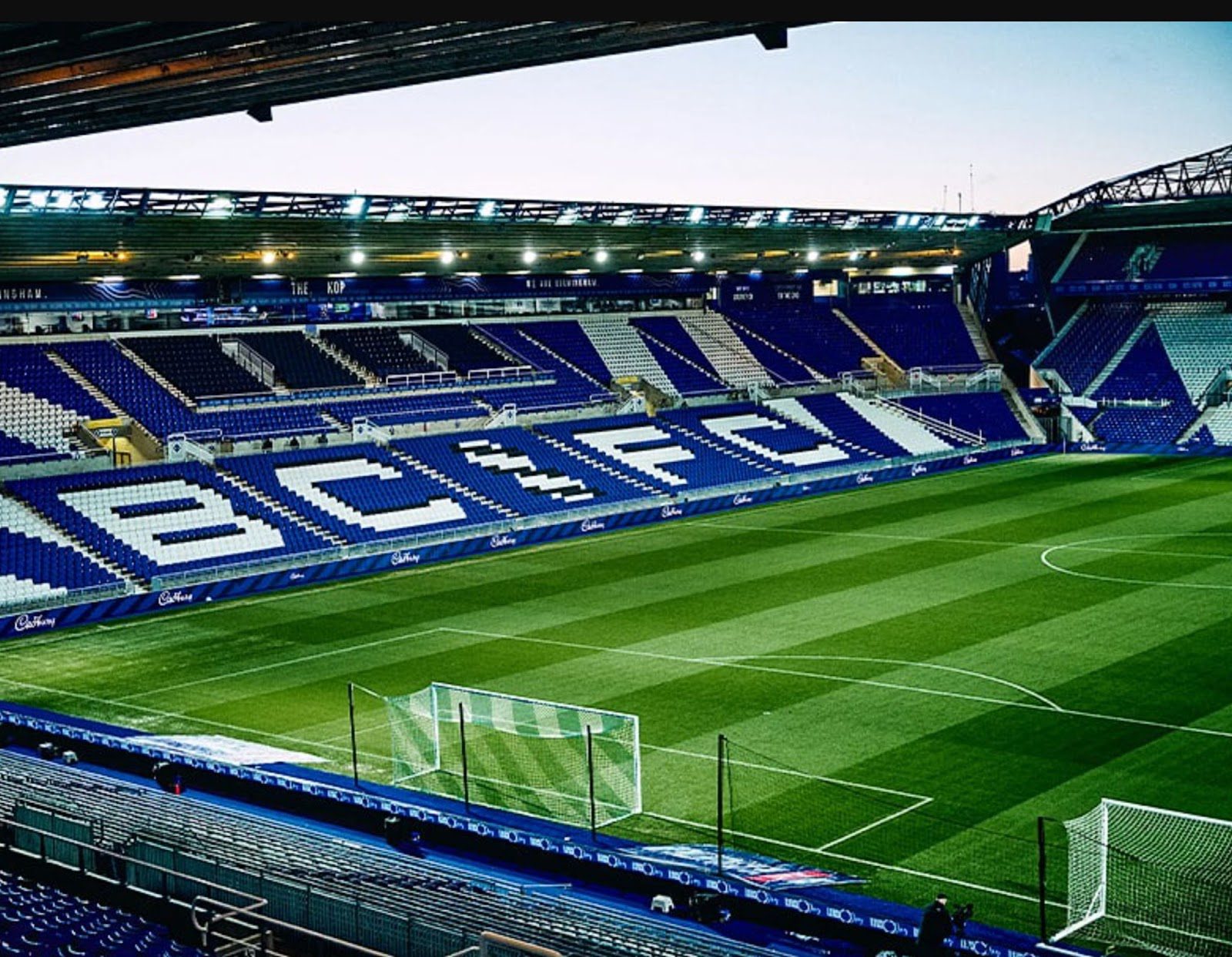
In 1906, the club moved to St. Andrew’s Stadium, built on a former brickworks site. Initially, the stadium held up to 75,000 spectators but suffered severe damage during WWII bombings. A six-year renovation in the 1990s transformed it into a modern, all-seater stadium with a capacity of about 30,000.
Sporting Achievements
The club’s on-field successes have been relatively modest. They began competing in The Combination league in 1889 but found greater stability in the newly formed Football Alliance. By the 1891–92 season, Small Heath finished third and qualified for the Football League’s Second Division.
One of their most significant modern triumphs came in 2011 when they won the Carling Cup, defeating heavy favorites Arsenal 2–1 in a dramatic final. This victory earned them a spot in the UEFA Europa League.
Today, St. Andrew’s Stadium, renamed in 2018 for sponsorship as the Trillion Trophy St. Andrew’s Stadium, remains the club’s home. The team trains at the Wast Hills training base, complete with modern facilities to develop young talent.
The Club’s Coaches
Since 1892, Birmingham City has had 50 coaches, including nine caretaker managers. The longest-serving was Alf Jones, who managed the club for 16 years, overseeing 566 games. Harry Storer, who coached from 1945 to 1948, holds the best win percentage at 51.8%.
While most of the club’s managers have been British or Irish, exceptions include Italian legend Gianfranco Zola and Spaniard Pep Clotet, both of whom brought international flavor to the team’s leadership.