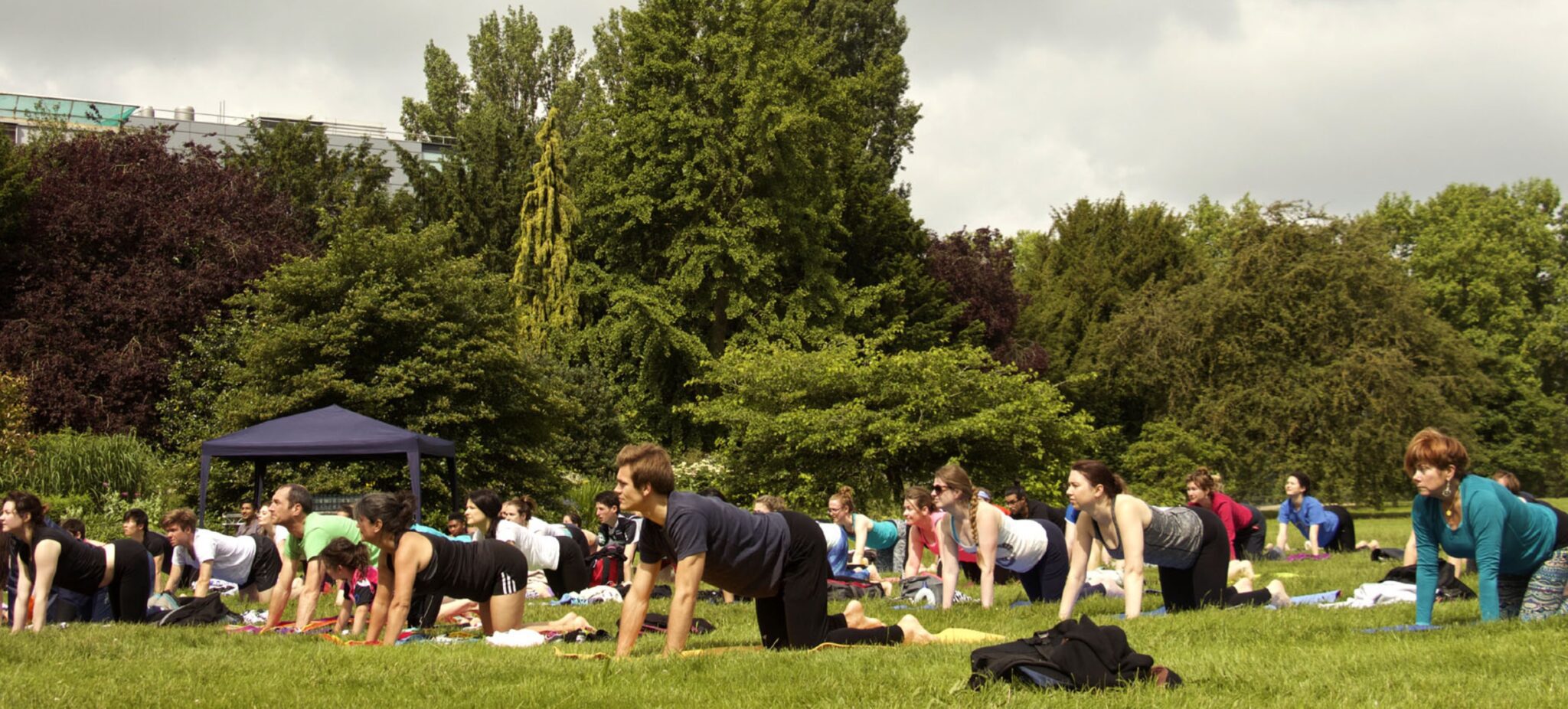

Yoga, long considered an Eastern discipline accessible only to the spiritual elite, became deeply rooted in Western societies in the 20th century. Birmingham was no exception. In this large city in the centre of England, this thousand-year-old practice found new life, even though it is located far from the Indian mountains. We are talking about city parks, community centres and local studios.
This approach differs somewhat from what can be seen in large capital cities, where yoga is usually practised in glamorous studios. Read about the history of yoga in Birmingham, where it has been gradually accepted, creatively adapted and collectively assimilated, at ibirmingham.info.
The history of yoga, what is known
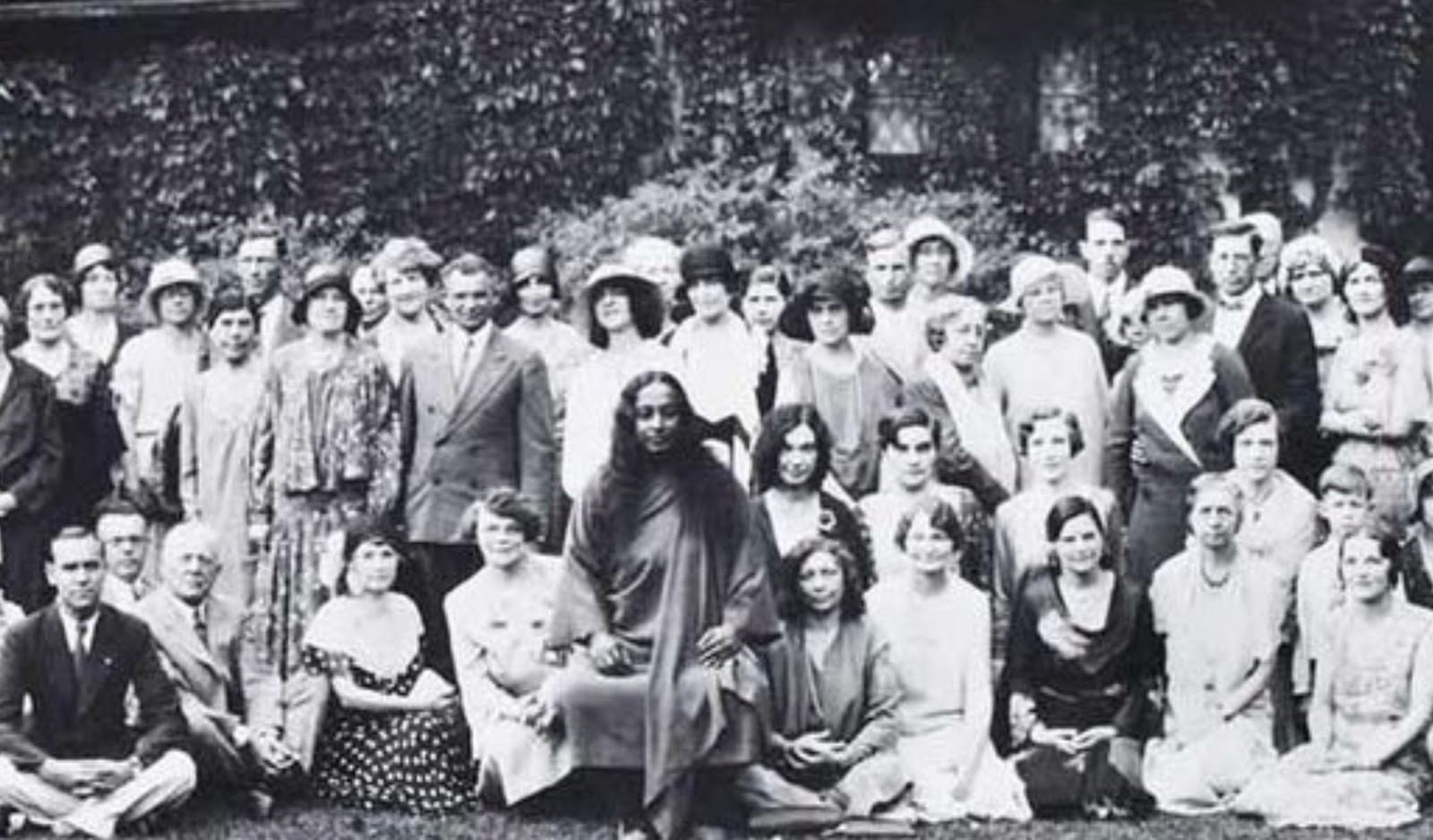
The history of yoga began around 3,000 years ago, during the Vedic culture that flourished in northwestern India from 1500 to 500 BC. Due to the lack of any historical or archaeological evidence, it is difficult to say exactly how and when yoga originated in this ancient culture.
However, it is known that descriptions of yogis, yoga-like practices, and central philosophical themes of yoga began to appear in Vedic writings around 1000 BC. Therefore, this date is considered the beginning of the known history of yoga.
The first ancient text to mention the word “yoga” is the Rig Veda, the oldest of the Vedic scriptures. It contains the first descriptions of long-haired mystics and ascetics who lived outside of contemporary society and practised yoga-like techniques. But it was only in somewhat later philosophical works, known as the Upanishads, that the ideas that form the basis of the yogic worldview were first expounded.
The Upanishads are an exceptional collection of philosophical texts dating from between 800 BCE and 500 CE. They represent a variety of ideas and views covering a wide range of spiritual life and its exploration, but at their core they focus on exploring and expressing the essence of mystical experience – the unity of the “I” with the Absolute.
Instead, they represent a range of philosophical, mystical, psychological, and religious teachings that often express ecstatic experiences and insights, using anecdotes, dialogues, hymns, and clear logical reasoning to point to inexpressible mystical states and realities.
Although these early the Upanishads fully expound the system known as Vedanta, literally “the culmination of knowledge,” it is only in the later the Upanishads that the first references to a coordinated system of practices can be found that can be clearly recognised as early yoga.
The origins of yoga in Great Britain
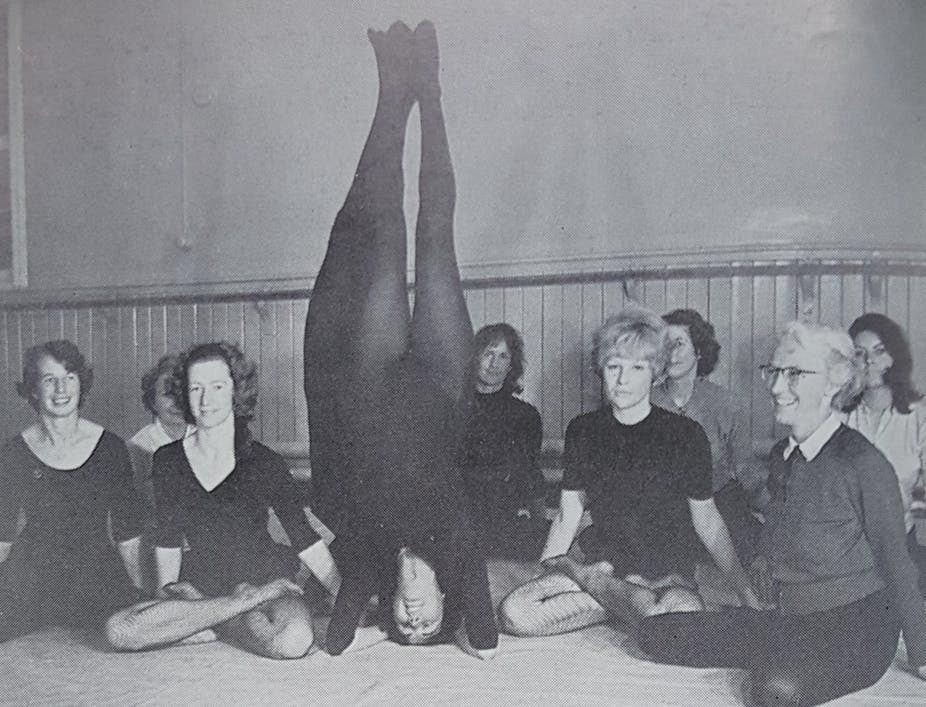
Historically, yoga appeared in Great Britain in the 1950s and 1960s, a period when interest in Eastern philosophies and alternative physical practices became widespread in intellectual and artistic circles. Teachers, travellers and intellectuals returning from Asia began to introduce the basics of yoga into evening classes and adult education centres.
Although yoga was not yet very widespread at that time, it aroused keen interest. The first classes focused on well-being, breathing and relaxation rather than physical exercise. Gradually, more formal structures emerged.
In particular, with the establishment of organisations such as the British Wheel of Yoga in the 1960s, which helped to structure training, prepare instructors and define standards of practice at the national level. This institution played an important role in the spread of yoga in the United Kingdom, particularly in cities such as Birmingham, where teachers trained to British standards began to hold regular classes.
Today, yoga in Birmingham is a vibrant and diverse practice that appeals to a wide range of people. The city has many specialised studios, each with its own character and approach. There are studios dedicated to classical styles such as hatha yoga or vinyasa flow. There are more contemporary formats such as hot yoga, yin yoga or sessions combining music and dance.
Yoga centres are scattered throughout Birmingham, from the lively Mosley area to more residential areas such as Harborn or Kings Heath. For many participants, these studios are not only places for physical exercise, but also spaces for meeting and relaxing together, where they can focus and calm down away from the hustle and bustle of the city.
Yoga in the heart of urban nature
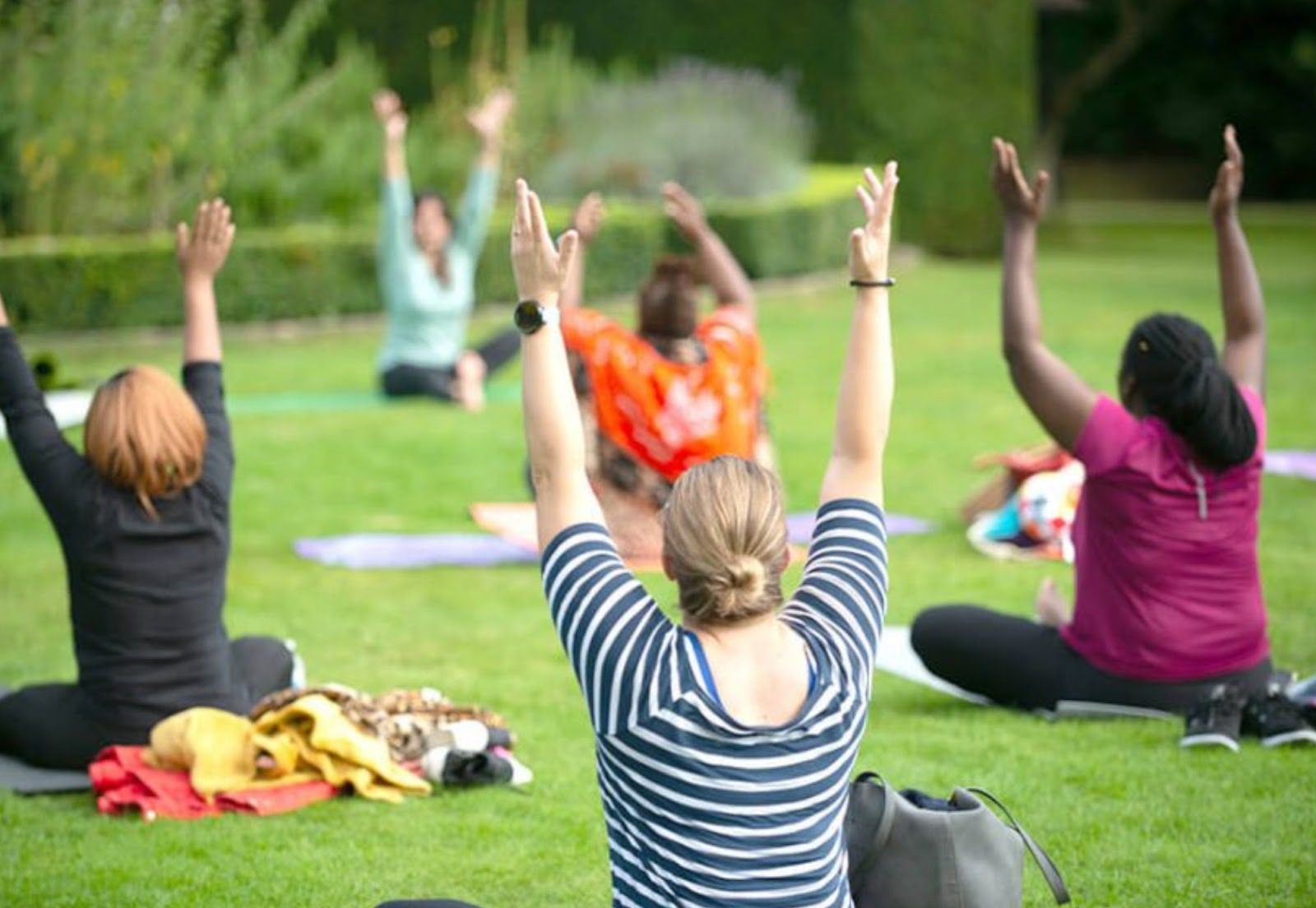
A distinctive feature of Birmingham’s yoga centres is the prevalence of outdoor classes, particularly in parks and public gardens. During the warmer months, yoga classes are regularly held in iconic locations such as Birmingham Botanical Gardens, where you can practise asanas surrounded by lush greenhouses and flower-filled avenues. These classes are often open to everyone, from beginners to experienced practitioners, and create a friendly atmosphere that is full of tranquillity.
In addition, some parks, such as Moseley Park & Pool, are becoming popular venues for outdoor yoga classes organised in collaboration with local associations. Participants have the unique opportunity to harmonise their breathing with the singing of birds, the rustling of leaves on trees and the play of natural light. These practices, which at first glance seem simple, profoundly change the perception of this exercise: yoga is no longer just an indoor activity, but becomes an exciting way to connect with nature.
In addition to weekly classes, Birmingham also hosts one-off yoga events. These help to strengthen social cohesion and democratise the practice. Among these events is the annual celebration of International Yoga Day, which is often accompanied by free outdoor classes that bring together dozens or even hundreds of participants in public spaces such as Centenary Square. These gatherings go beyond the confines of studios and become true community celebrations dedicated to relaxation, health and body awareness.
Many local associations and student groups are also involved in these initiatives. They organise special classes, partnership programmes with volunteer instructors, or awareness-raising programmes to encourage people of all ages to discover yoga as a means of combating stress, improving mobility, or simply for the pleasure of movement.
Practice accessible to all
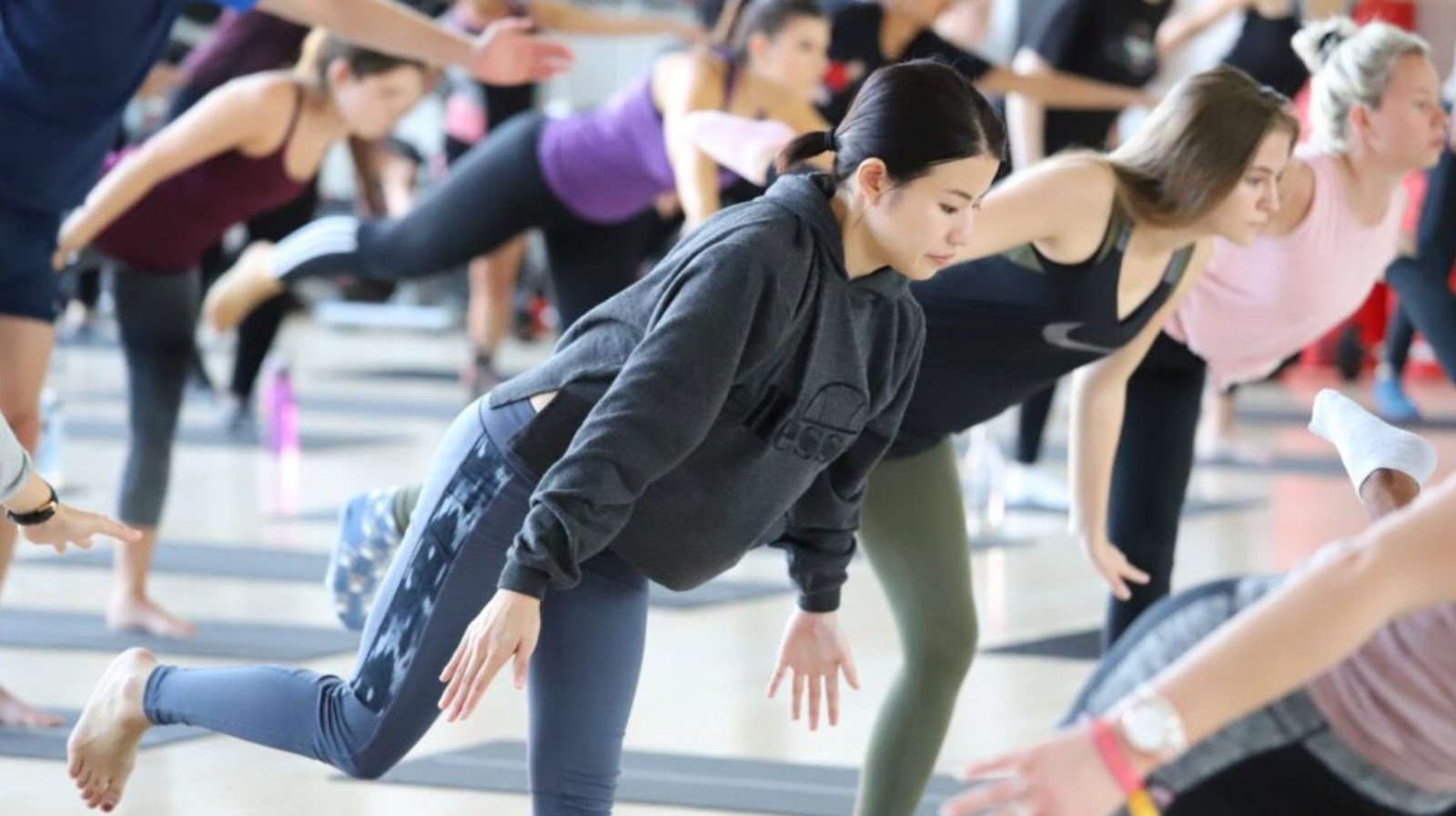
Yoga in Birmingham is notable for its accessibility. Whether you are a student, a busy professional, or a retiree seeking a calming activity, there are numerous options to suit different needs, skill levels, and budgets. Studios offer regular classes and flexible packages, while outdoor classes allow those interested to practise for free or at a low cost in a natural setting.
This accessibility is accompanied by a growing awareness of the importance of mental and physical well-being in everyday life. For many, incorporating yoga into their daily routine means not only strengthening the body, but also finding harmony with oneself, more conscious breathing and the ability to cope with the stress that is inherent in city life.
Whether you practise on a mat in a cosy studio or stretch in the park at dawn, yoga in Birmingham remains an invitation to a better life — together and in harmony with yourself.
Sources: