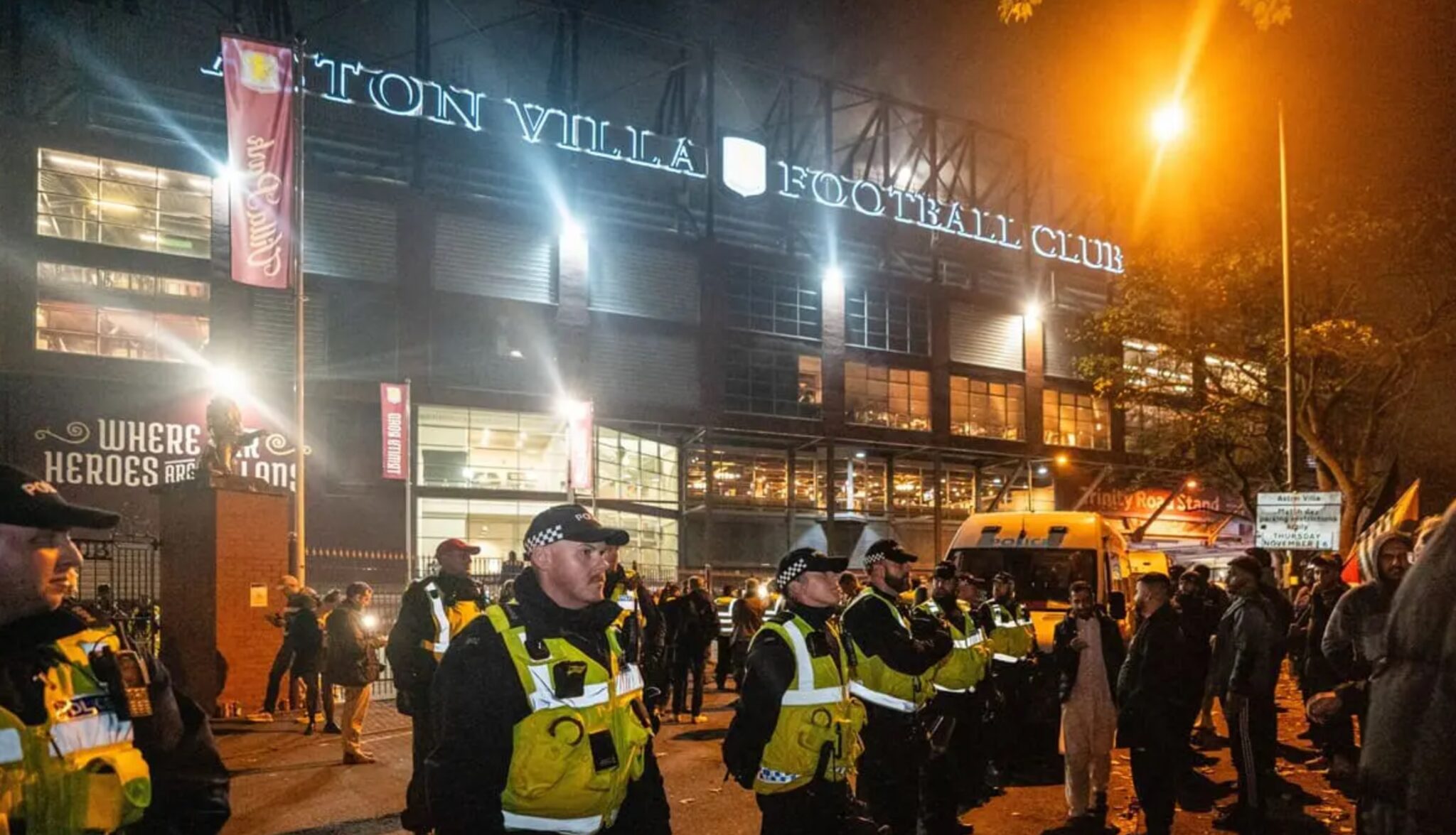

In modern England, football is much more than just a sport. It is a common language, a sign of identity, and sometimes even a reason for rivalry between cities. In this sense, Birmingham, the country’s second largest city, has long lived in the shadow of Manchester, whose clubs regularly top various rankings and have a remarkable track record of victories. However, behind this obvious contrast lies a more complex reality. While Manchester exports its successes on a global level, Birmingham cultivates a more restrained but deeply rooted tradition.
Here, football remains closely linked to local neighbourhoods and the city’s working-class history. Local club Aston Villa FC, one of the founders of the English championship, embodies this loyalty, reminding us that Birmingham was once the main centre of national football, long before the era of international investors and global marketing. The club’s historic sporting arena, Villa Park, plays a significant role in the club’s history. You can read about it here: Birmingham.info.
The history of confrontation — the history of creation
Returning to the rivalry with Manchester, it should be noted that it went beyond the realm of sport. This is because two urban models are effectively opposed: on the one hand, the global showcase of the Red Devils and Manchester City. On the other, an industrial metropolis that prides itself on its authenticity, passionate fans and stadiums full of memories.
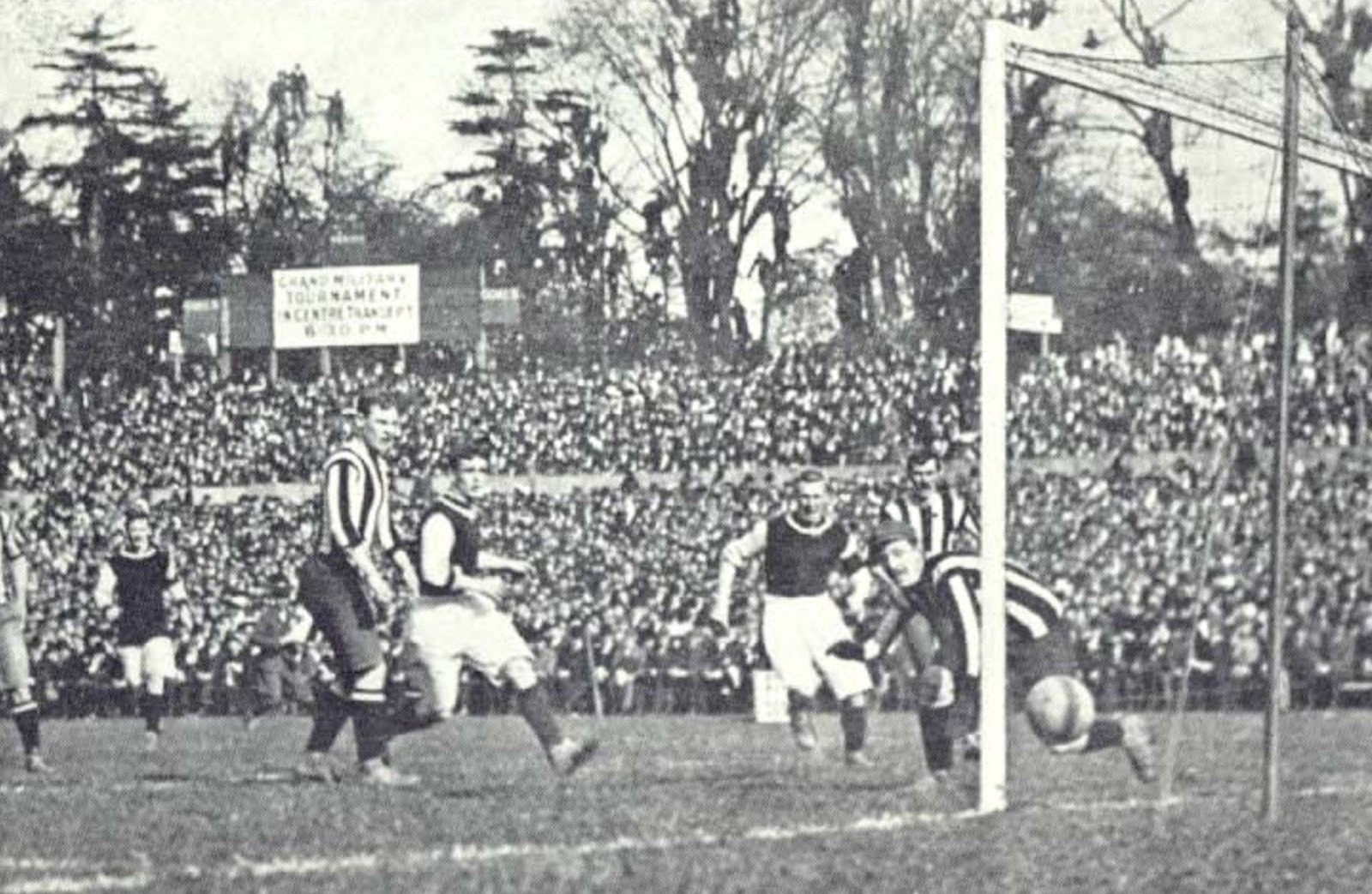
To conclude the story about the team assigned to the stadium, it should be noted that the venue has been home to the local football team since its opening and is one of the oldest stadiums in English football. Initially, it was a bowl with a cycling track that could accommodate about 40,000 spectators. The first match took place here on 17 April, when Villa played a friendly match against Blackburn Rovers, which the new home team won 3-0.
In Birmingham, football is not consumed — it is passed on. And it is in this atmosphere, created by loyalty, patience and hope, which is renewed every season, that Villa Park continues to write its history.
In Birmingham, a city born of coal, steel and industrial canals, Villa Park stands as a monument to popular passion. It is not just a football stadium, but the embodiment of more than a century of sporting, social and architectural history. The Villans have been playing their matches at this stadium since 1897. It has witnessed the metamorphosis of English football, from its Victorian beginnings to the era of globalised show business.
The history of Villa Park dates back to the end of the 19th century. It is worth remembering that this was a turning point for British sport. Although football was still a young sport, it was already attracting huge crowds of fans, and Aston Villa was one of the most influential clubs in the country.
After the club played on several temporary pitches, the management sought a permanent location that would match its ambitions. The choice falls on Aston Lower Grounds. These are former landscaped gardens adjacent to Aston Hall, in the north of Birmingham.
Design and construction
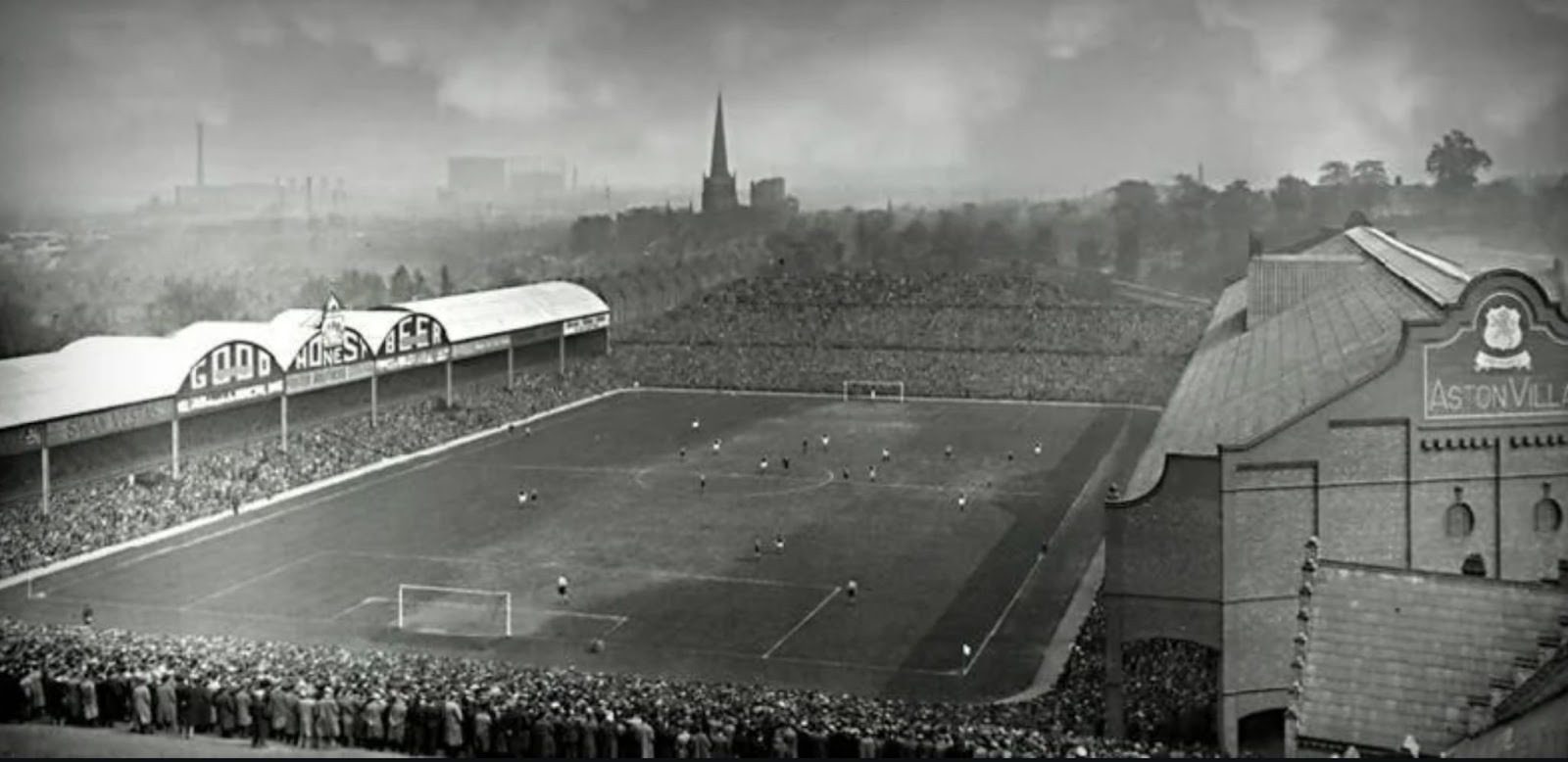
Work began in the 1890s, and the stadium was officially opened in 1897. Initially, Villa Park was not intended exclusively for football: there was a cycle track around the pitch, and athletics competitions were also held there. This multifunctionality reflected the spirit of the time, when large sports facilities were expected to host various sports and attract a diverse audience.
Particular mention should be made of the stadium’s architecture. It quickly acquired the characteristics typical of Archibald Leitch, a prominent figure in the design of British stadiums. His open metal structures and massive functional stands give Villa Park a recognisable appearance, typical of the industrial aesthetics of the Edwardian era.
Since the early decades of the 20th century, the stadium has been expanded several times to meet the growing demand for sporting events, and Aston Villa has become one of the leaders of the English championship.
Reconstruction and improvement
Villa Park becomes a true people’s theatre. On winter Saturdays, tens of thousands of fans flock to Aston, turning the stadium into a meeting place for both sporting and social events. This enthusiasm reached its peak on 2 March 1946, when more than 76,000 spectators attended the FA Cup match against Derby County FC — an attendance record that testifies to the central role of football in post-war Britain, thirsty for gatherings and collective emotions.
Over the course of decades, Villa Park has undergone profound changes. The iconic stands — Holte End, Trinity Road Stand, North Stand and Doug Ellis Stand — have been successively renovated, rebuilt or modernised. In particular, Holte End has become the heart of the stadium. The stand is famous for its intense support of the team.
Since the 1990s, due to new safety regulations, Villa Park has undergone further changes, transforming it into a stadium equipped entirely with seating. This change marked the end of an era, but also paved the way for greater comfort and a new experience for spectators.
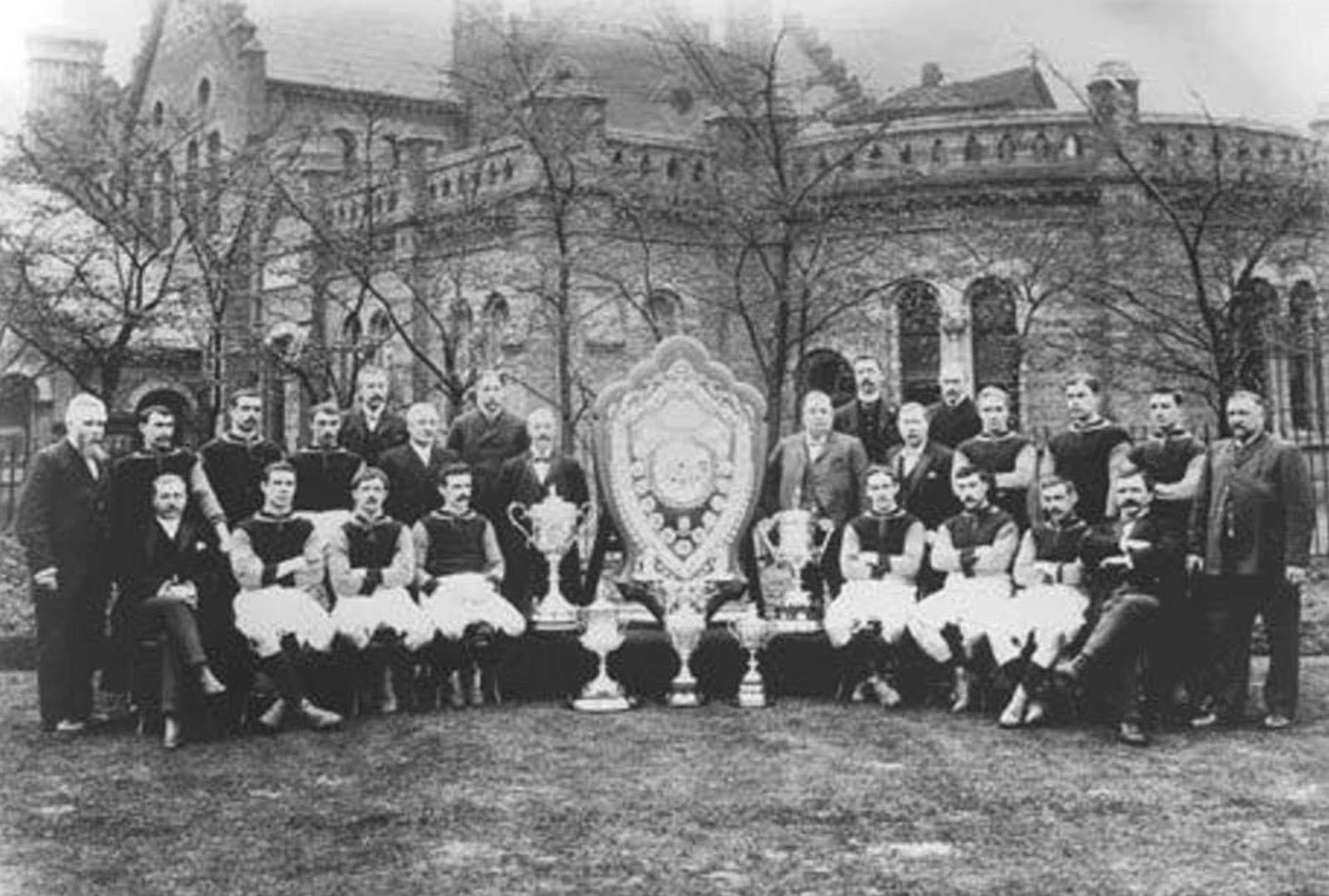
In sporting terms, the stadium has been a privileged witness to the successes and trials of Aston Villa FC. Historically, the club was founded in 1874. The team has won numerous national titles and made a name for itself on the European stage. Villa Park has hosted countless memorable matches, from fiery regional derbies to tense European evenings.
The stadium also made international football history by hosting several matches during the 1966 World Cup and then Euro 1996, confirming its status as one of the UK’s premier venues.
Not just football
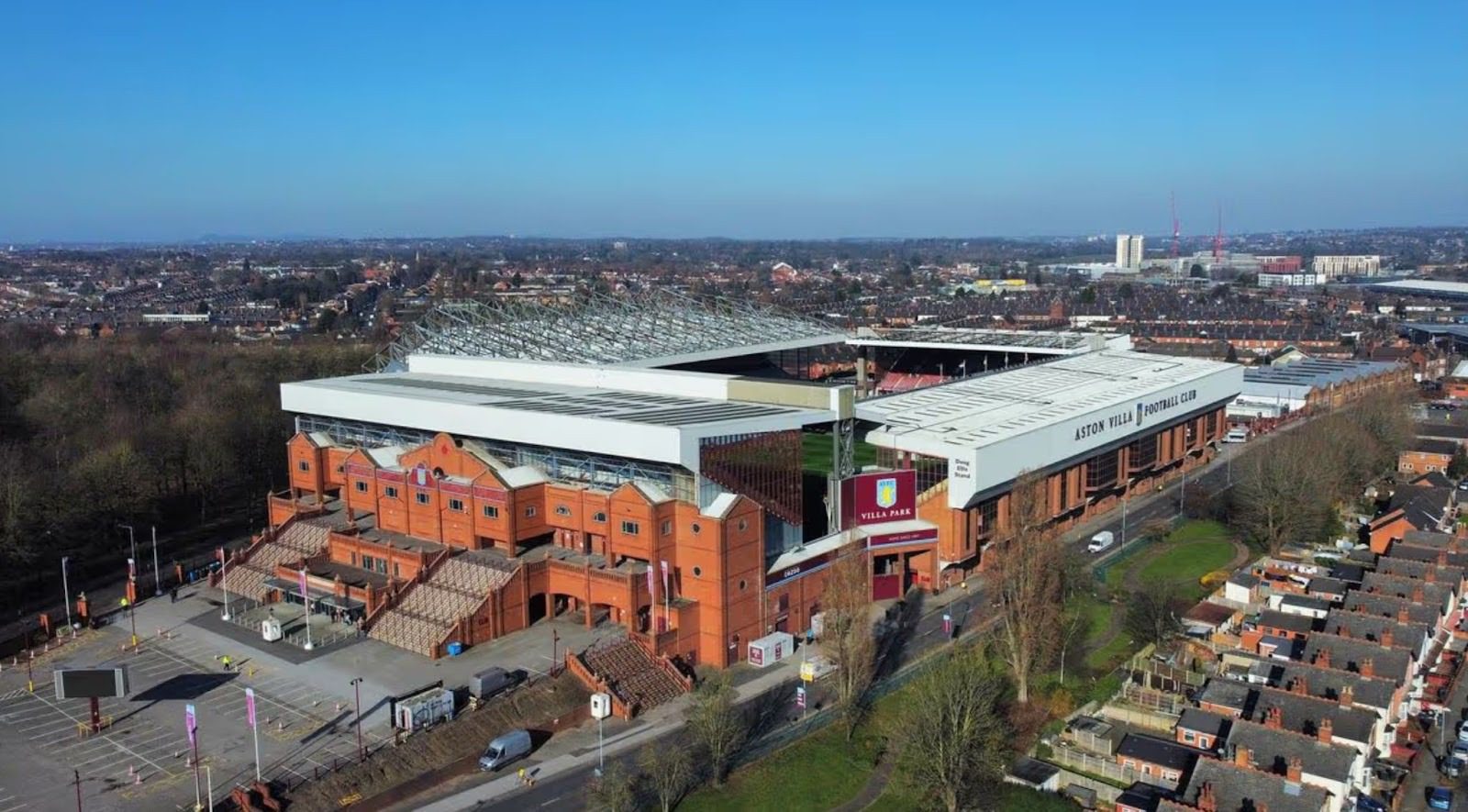
But Villa Park goes far beyond club football. The stadium holds the record for the number of FA Cup semi-finals held at a single stadium. It has hosted European tournament finals, including the last Cup Winners’ Cup in 1999. At the same time, the stadium is open to popular culture: over time, it has become a venue for concerts by international artists, cementing its role as a gathering place for the whole city.
The beginning of the 21st century marks the start of a new era. Birmingham will host the Commonwealth Games in 2022, which will stimulate the renovation of local sports infrastructure and revive interest in large urban facilities. The club has a clear position on this issue — to fit Villa Park into the modern concept without destroying its heritage.
Currently, the stadium can accommodate slightly more than 43,000 spectators. Therefore, ambitious projects are being implemented, including the reconstruction of the north stand and the construction of a large complex that will combine shops, entertainment areas and hotels. This transformation aims to increase the stadium’s capacity to over 50,000 seats and turn Villa Park into a lively centre of activity, open not only on match days.
From its Victorian roots to its modern ambitions, Villa Park illustrates the evolution of English football and the city of Birmingham itself. Born in the shadow of factories, shaped by the passions of the 20th century, today it adapts to the demands of a globalised sport. Villa Park is not just a stadium, but a living witness to time: a place where collective memory, urban identity and sporting future intersect.
Sources: