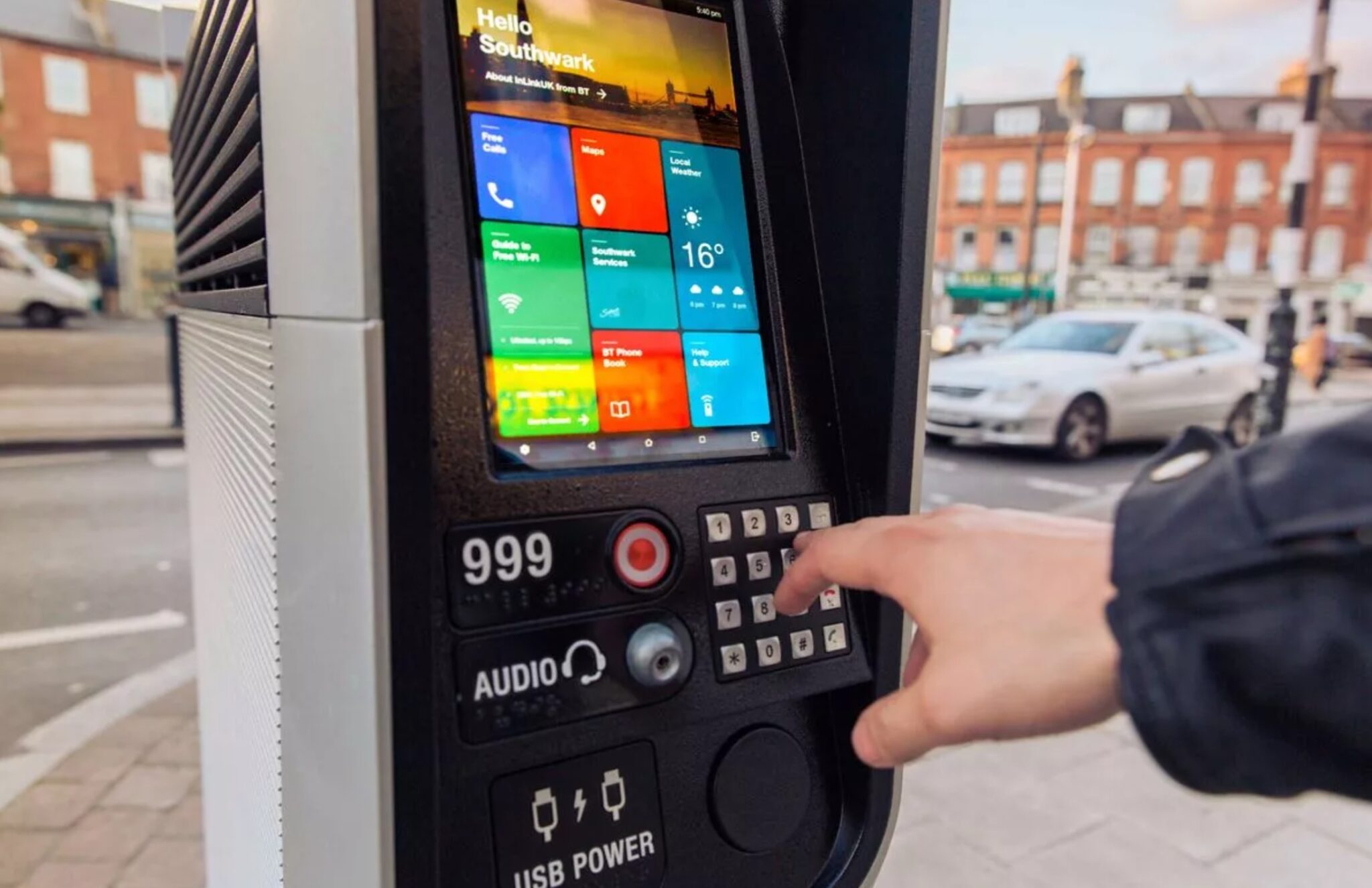

For most of its history, Birmingham was a symbol of British industrial power. Metallurgy, engineering, small-scale manufacturing and crafts shaped not only the city’s economy, but also its social structure and cultural identity. However, at the end of the 20th century, this model began to rapidly collapse.
Factory closures, unemployment, and the decline of entire neighbourhoods forced Birmingham to radically rethink its future. It was in this context that digital technologies became not a fashionable innovation, but a strategic response to the crisis. For more details on the implementation of digital technologies in Birmingham and all the local features of this process, visit ibirmingham.info.
The beginnings of digitalisation — the first attempts
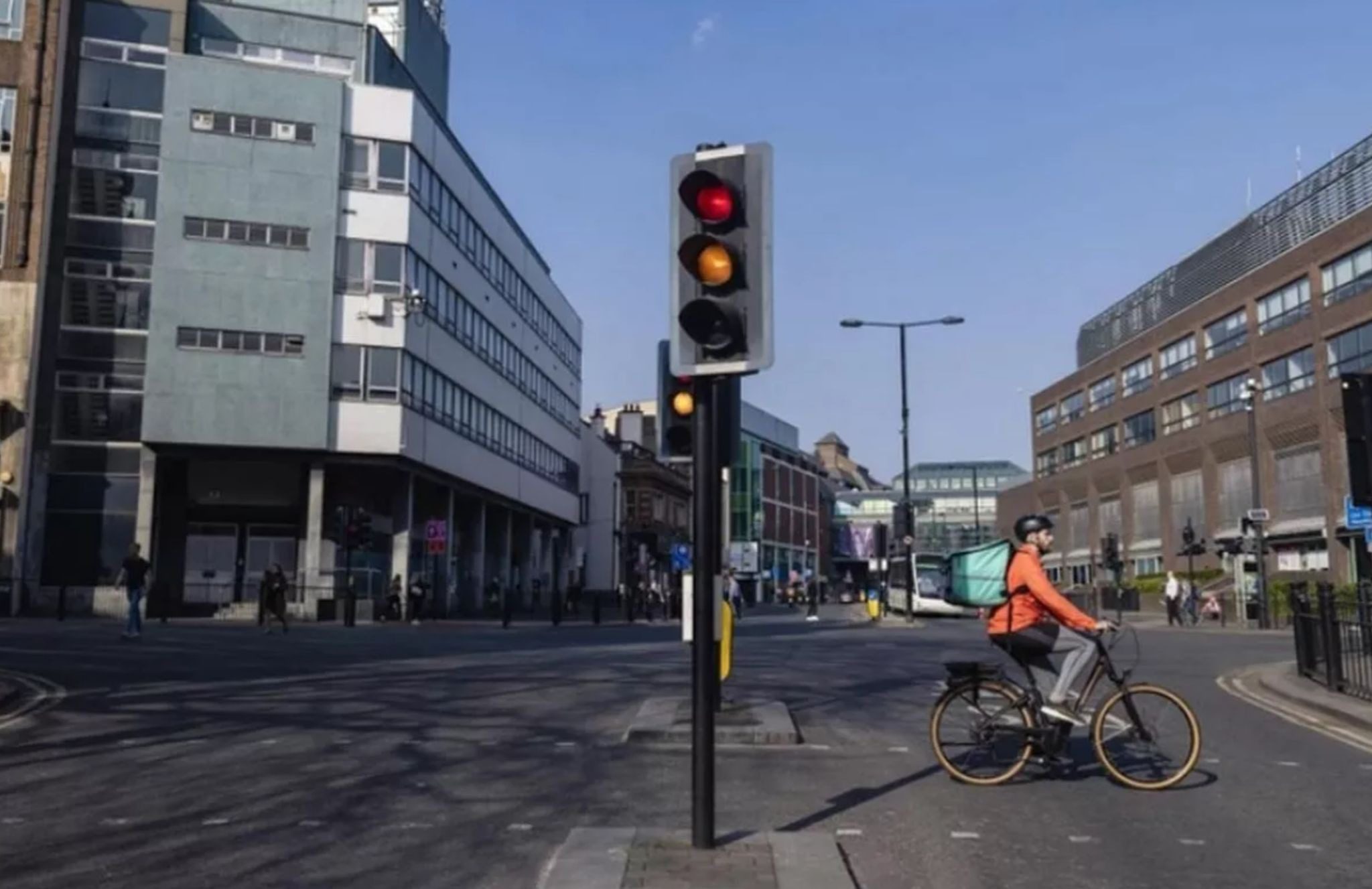
The first steps towards introducing digital technologies in Birmingham were taken back in the 1980s. They were primarily pragmatic in nature and concerned the work of the city administration. The computerisation of accounting, social services, tax departments and municipal archives made it possible to optimise city management and reduce costs in the face of economic pressure.
A decade later, in the 1990s, digitalisation took on a more public character. The city council began experimenting with electronic services for residents, creating the first web resources and opening up access to information in an online format. It was then that the idea of Birmingham as an information city emerged, in which knowledge, data and technology gradually became a new form of capital.
Universities played a key role in Birmingham’s digital transformation. These were the University of Birmingham, Aston University and Birmingham City University. These universities became centres not only for education but also for applied research closely linked to the needs of the city. It was in the university environment that the fields of computer science, information technology, artificial intelligence, big data analysis and cybersecurity developed.
Importantly, this research did not remain purely academic. The universities actively collaborated with the municipality and businesses, offering technological solutions for transport, healthcare, urban planning, and social services. Innovative ecosystems formed around the universities — start-ups, research centres, and technology companies that gradually changed the economic structure of the city.
Enterprises, start-ups and the creative economy
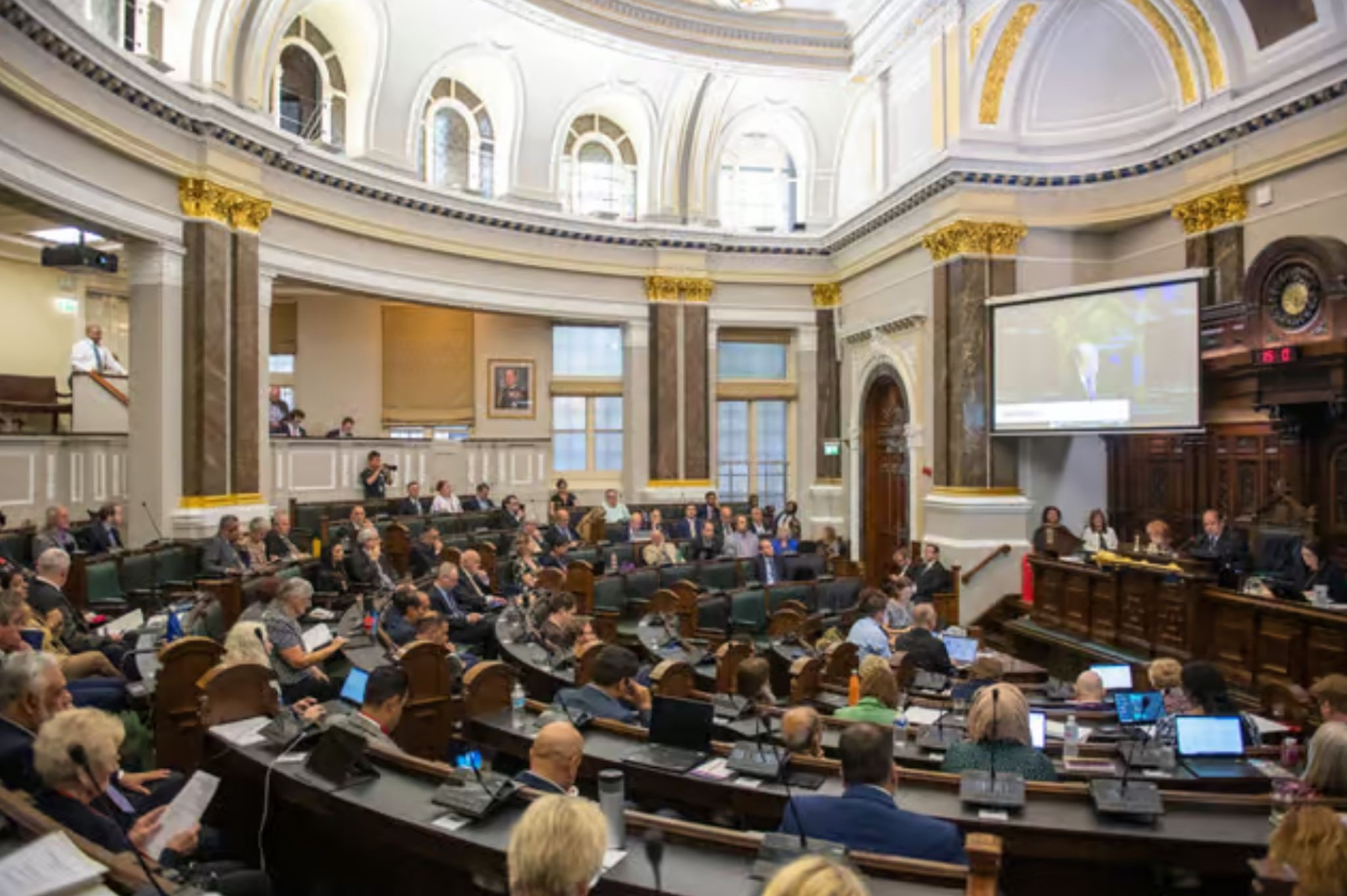
Digital technologies have breathed new life into many industrial areas of Birmingham. Some traditional businesses have begun to implement automation, digital design and computerised production management. At the same time, new types of companies have sprung up in the place of closed factories: IT firms, digital design studios, and game and media content developers.
A prime example is the Digbeth district, which has become a hub for creative and digital industries. Former factory premises have been converted into start-up offices, co-working spaces and cultural venues. In this way, digital technologies have become a tool not only for economic growth but also for urban regeneration.
Public libraries occupy a special place in Birmingham’s digital history. In the context of digital inequality, they have taken on the role of intermediaries between technology and the community. Libraries have begun to offer free access to computers, the internet, electronic databases and digital archives.
The culmination of this process was the opening of the Library of Birmingham, which has become not only an architectural symbol of the city, but also an important digital centre. It combines traditional collections with modern technologies, educational programmes and spaces for learning and working with information.
Digital technologies in transport and infrastructure
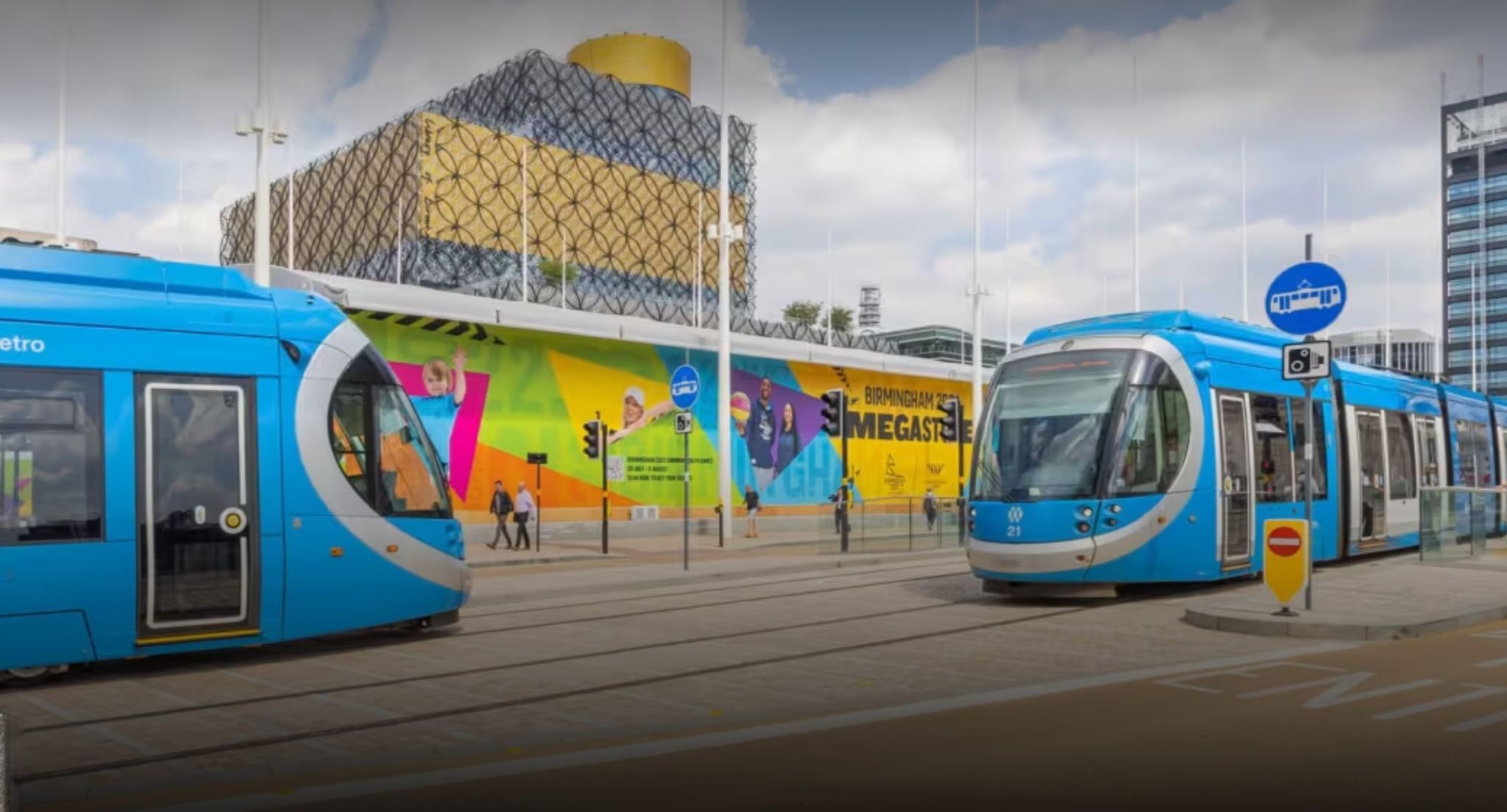
Birmingham’s transport system has also undergone significant changes. Electronic ticketing, traffic analysis systems, digital traffic light control and passenger flow monitoring have been introduced. These solutions have helped to reduce congestion, improve the efficiency of public transport and make getting around the city more convenient.
In the 2000s and 2010s, Birmingham moved from isolated initiatives to a systematic approach. Programmes such as Digital Birmingham and the Smart City concept were aimed at developing e-government, open data, innovative business and digital education for the population. Particular attention was paid to digital inclusion so that technological progress would not exacerbate social stratification.
It is no coincidence that in 2017, the city was ranked among the ten smartest cities in the United Kingdom. This was the “Smart Cities UK” ranking conducted by Navigant Consulting on behalf of Huawei UK.
Twenty cities were evaluated, along with their strategies, key projects and overall readiness to use digital technologies to improve key public services, from transport infrastructure to healthcare.
Birmingham ranked fourth among the smartest cities in the country. It was joined by Manchester, Aberdeen, Leeds, Milton Keynes, Glasgow, Nottingham, Peterborough, Cambridge, Oxford, Edinburgh, and Newcastle. Bristol was the overall leader in the report, followed by London.
It should also be noted that in 2012, Birmingham City Council established the Birmingham Smart City Commission. Local businesses, academia and the public sector were involved in the creation and operation of the commission. Key initiatives included the creation of the Birmingham Data Factory, a platform for accessing the city’s open data sets, and Smart Routing. This was to be a pilot software platform integrated into the existing Commuter app, which uses real-time transport data and personal data to support more efficient transport planning.
The Huawei UK Smart Cities Index ratings were calculated through an in-depth analysis of ten criteria within the cities’ strategy and implementation, covering areas such as their vision, digital innovation, implementation experience, environmental impact and community engagement.
Digital strategies

In addition, Birmingham developed a digital strategy for the period 2022–2025. It was designed to provide citizens and businesses with the best online services. Incidentally, the strategy was based on the successful implementation of its predecessor. The authors of the document emphasised that it was developed based on communication with citizens, businesses and employees, as well as responses received during an online survey.
This has enabled Birmingham City Council to become a place that makes the best use of available data, digital technologies, and other areas. This way, the authorities can respond as quickly as possible to the changing needs and expectations of citizens and businesses.
Birmingham’s digital transformation is a long and complex process in which technology has become a tool for overcoming the industrial crisis. The city is gradually transitioning from a factory-based economy to one based on knowledge, data, and creativity. In this sense, digital technologies are not only changing Birmingham’s infrastructure, but also helping it to forge a new identity in the 21st century.
Sources:
- https://digitalbirmingham.co.uk/diatomic-digital-twin-pioneering-birminghams-urban-future/
- https://www.birmingham.ac.uk/news/2023/birmingham-digital-futures-innovation-district-established-to-tackle-the-regions-digital-skills-gap
- https://www.birmingham.gov.uk/news/article/179/birmingham_named_as_one_of_britains_smartest_cities
- https://www.birmingham.gov.uk/info/50269/our_digital_strategy