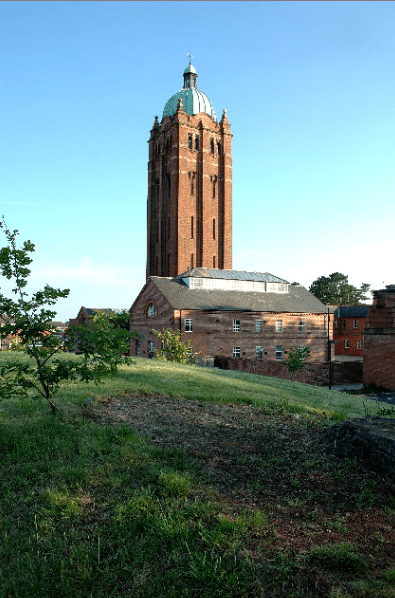

Psychiatry employs various mechanisms for treating individuals with mental health challenges, and one of the most effective and widely used methods is group therapy. Hollymoor Hospital, located in Northfield, Birmingham, became the first facility in the city to experiment with this approach. Read more on ibirmingham.
A New Psychiatric Hospital
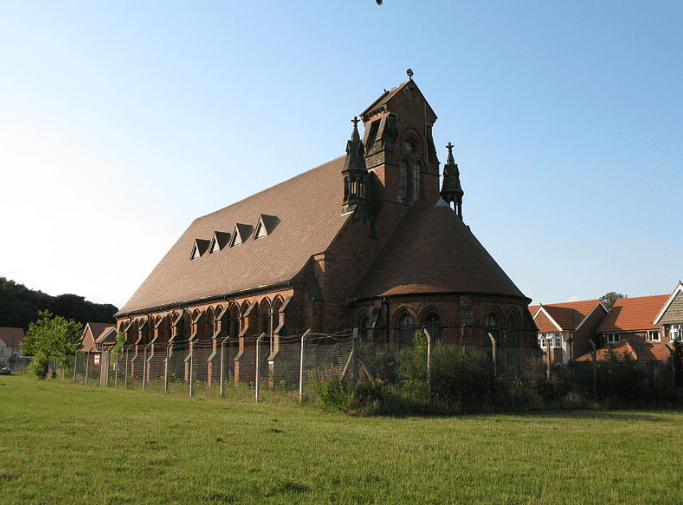
Hollymoor Hospital was designed by architects William Martin and Frederick Martin, with assistance from the Compact Arrow company. At the start of the 20th century, Birmingham was already home to the Rubery Hill Asylum, which also served as a military hospital during wartime. Hollymoor was established as an extension of Rubery Hill in 1905 to meet the increasing demand for mental health services, especially during World War I.
Military conflicts not only bring death but also leave many individuals suffering from post-traumatic stress disorder (PTSD). When psychologists first encountered PTSD, they experimented with various treatment methods. Group therapy emerged from these trials as an effective way to address trauma by bringing together individuals with shared experiences. Over time, this method was adapted for a wide range of conditions, including addiction recovery programs like Alcoholics Anonymous.
After World War I, Hollymoor specialized in psychiatric care. However, the outbreak of World War II required the hospital to reestablish itself as a military psychiatric facility. By 1942, Hollymoor had been designated the Northfield Military Psychiatric Hospital, reflecting its dual purpose.
The First Experiment in Group Therapy
The first documented group therapy experiment was conducted at Hollymoor by Wilfred Bion and John Rickman, renowned British psychoanalysts. Both researchers were deeply interested in group dynamics and pioneered the first sessions of group therapy at the hospital.
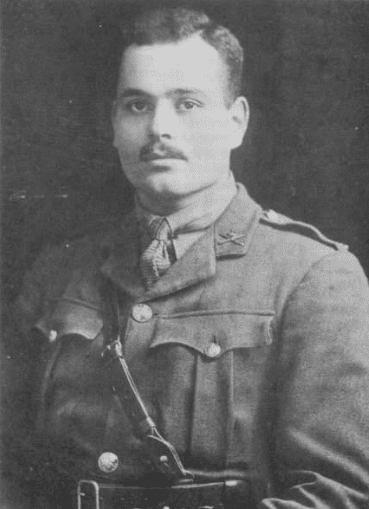
Initially, Bion and Rickman aimed to enhance the individual morale of soldiers by fostering a strong sense of group cohesion. However, Bion’s approach diverged from traditional methods. He encouraged patients to either join existing groups or form new ones based on shared interests. Activities such as painting or pottery-making were introduced to reduce interpersonal tension and alleviate individual anxiety.
The idea was to create a safe and supportive environment where patients could address personal fears while engaging in collective tasks. Unfortunately, the experiment lasted only six weeks. The military authorities, skeptical of its benefits, ordered its termination. Despite this, Bion and Rickman’s work was later celebrated by their peers, and their initial experiment became the foundation for modern group therapy.
Closing the Hospital
In 1947, much of Hollymoor Hospital was demolished, likely due to the building’s deterioration. Despite partial demolition, the facility remained operational until its final closure in 1994.
Since its inception at Hollymoor, group therapy has undergone significant evolution and gained widespread acceptance. Today, it is used not only for individuals with mental health issues but also for those recovering from various forms of addiction or trauma. Examples include Alcoholics Anonymous, support groups for PTSD sufferers, and gatherings for individuals coping with loss, domestic violence, or compulsive behaviors.
Birmingham’s contribution to the development of group therapy is monumental. While Bion and Rickman were not Birmingham natives, their groundbreaking work at Hollymoor laid the foundation for a therapeutic method that continues to change lives worldwide.