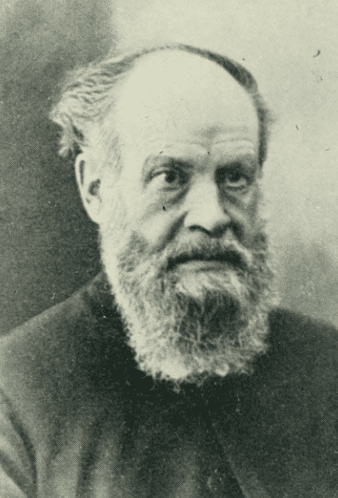

The study of botany is as essential to humanity as archaeology, biology, and evolutionary theory. One of Birmingham’s most celebrated botanists, William Hunt Painter, earned recognition for his detailed study of the flora of Derbyshire. Next on ibirmingham.
From Banker to Clergyman
Painter was born in 1835 in Aston, then a suburb of Birmingham. His father was a haberdasher, while his mother cared for their five children. After receiving a classical education, Painter began working in banking. His path to botany, however, was shaped through his journey within the Anglican Church.
In 1861, Painter became an assistant preacher in Chelsea, inspired by both religious doctrines and church life. Hoping to serve as a missionary, he attended Islington Missionary College. Although he initially aspired to work in overseas missions, he settled in England, serving as a vicar in Barbon, Westmorland.
It was in Barbon that Painter had a life-changing encounter with Robert Wood, who introduced him to botany. This marked the beginning of his passion for studying plants.
A Friendship with James Britten
In 1865, Painter moved to High Wycombe as a vicar, where he met James Britten, a renowned botanist and scientific writer. Despite their differing religious affiliations—Britten was Catholic—the two formed a close friendship. They spent countless hours discussing scientific matters, often walking together in the gardens at Kew. Even after Painter married Jane Stamp and relocated to Bedminster, Somerset, in 1871, he and Britten remained in touch.
Painter’s first scientific publications appeared in the late 19th century, including his seminal work, Contributions to the Flora of Derbyshire (1881), with foundational assistance from Britten. Other botanists and biologists began citing Painter’s work, cementing his place in the scientific community.
In addition to his written contributions, Painter amassed an extensive herbarium, which he later donated to the University College of Wales in Aberystwyth. Some rare specimens from his collection are preserved in universities and museums across the UK, including the University of Birmingham, the National Botanic Gardens in Dublin, and institutions in Glasgow, Derby, and Cardiff.
The Importance of Moss
Throughout his career as a clergyman, Painter traveled extensively across the country, serving in Staffordshire and Shropshire. His colleagues often noted that his dedication to botany seemed to outweigh his interest in religious duties. Wherever he lived, he meticulously documented the local flora.
By the late 19th century, during his time in Falmouth, Painter focused his research on mosses, which became the centerpiece of his botanical studies. He built a personal collection of mosses and gathered valuable data in every region he visited.
Painter’s final years were spent in Stirchley. In 1909, his extensive research was presented at Aberystwyth College. He passed away in 1910 and was buried in a local cemetery. While his religious peers remembered him as a devoted Protestant, the scientific community celebrated his botanical achievements.
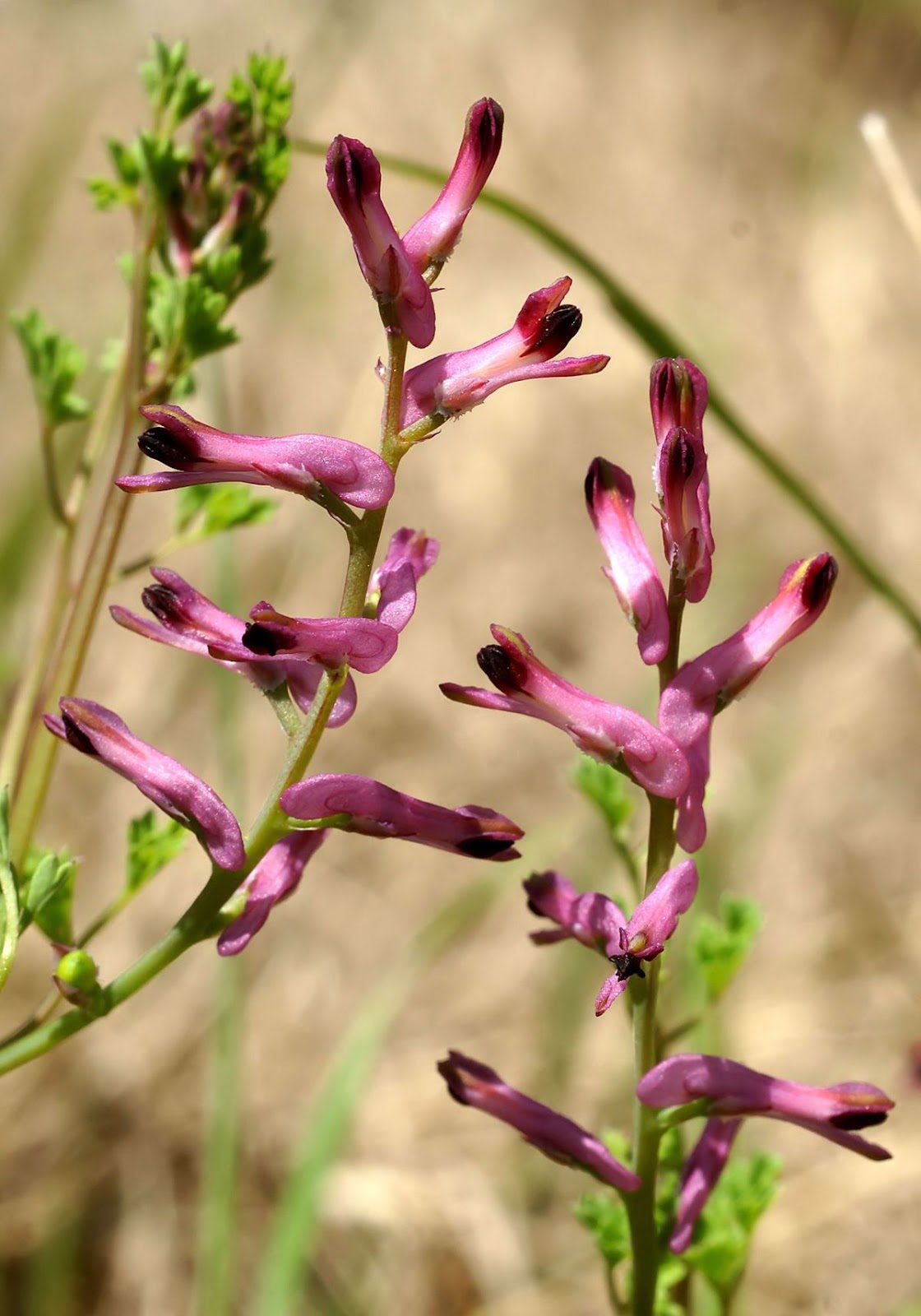
One of Painter’s most notable discoveries was Fumaria painteri, or Painter’s Fumitory, a rare plant found only in the UK. He was the only botanist to document it, having encountered it twice—in 1905 and 1907. However, Fumaria painteri remains a subject of scientific debate. Some botanists question whether the specimen Painter identified was fertile or a hybrid. In 2006, British researchers found a similar plant, but no consensus was reached.
Painter’s dedication to botany, his contributions to scientific literature, and his remarkable herbarium have left an enduring legacy that continues to inspire botanists today.