
The smallpox epidemic was considered already defeated when it gained power in Birmingham again. Therefore, some newspapers called it risen from the dead. Interestingly, we know the exact day and circumstances of its beginning. On Friday, August 11, 1978, Janet Parker was going to work. That morning she felt a splitting headache. The woman thought she had the flu because she also felt weakness and pain all over her body. However, she had a lot to do that day, so her husband Joseph took her to the University of Birmingham, where she worked as a photographer at the medical school’s anatomy department. Learn more about the beginning and consequences of the smallpox epidemic in Birmingham at ibirmingham.info.
The virus returns
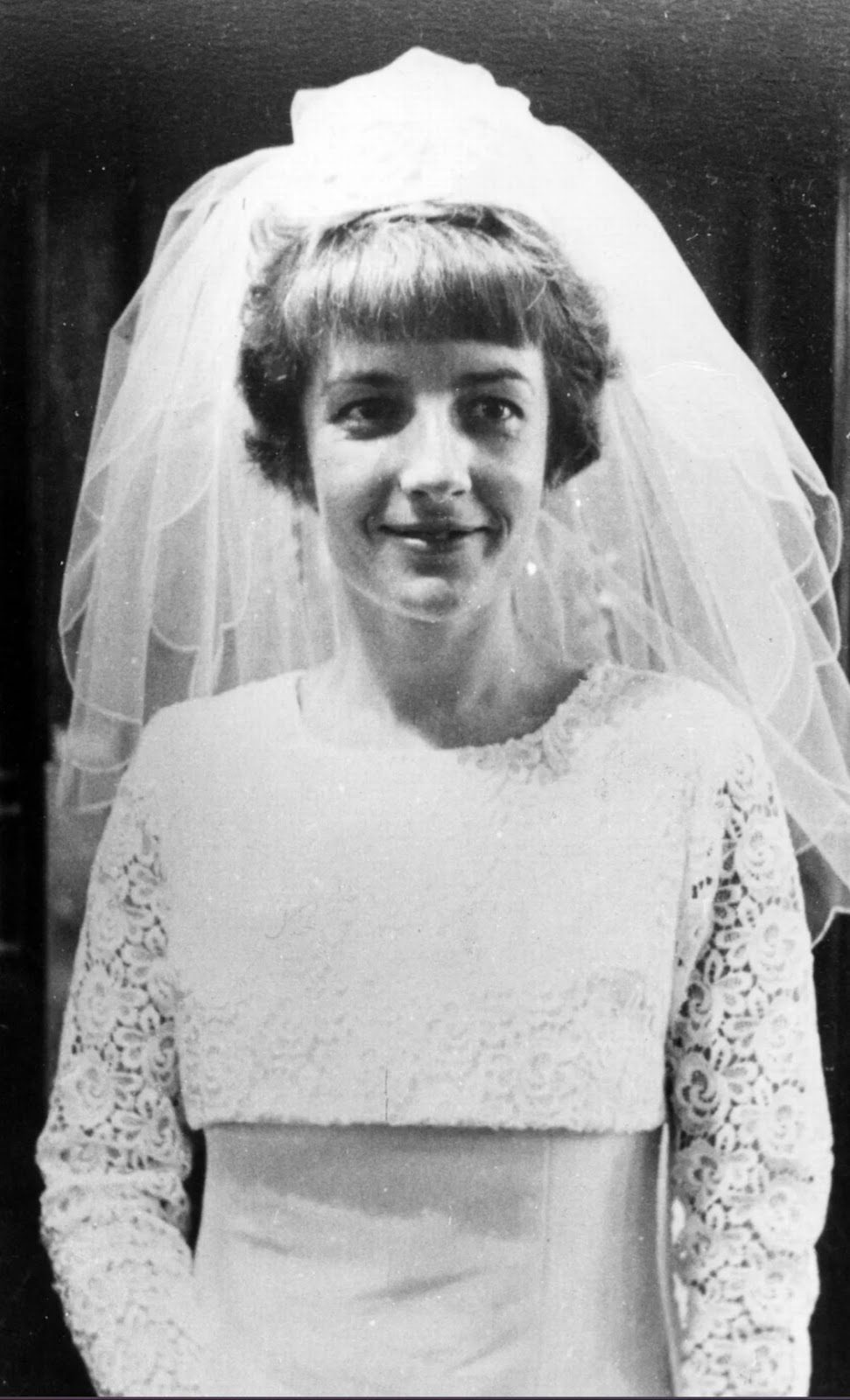
In her 40s, Janet Parker had a stable life. She and her husband, Joseph, a telecommunications engineer at the Post Office, lived in a modest house in Kings Norton, a quiet suburb of Birmingham, with two dogs. Janet’s parents lived nearby. She was an only child and her father worked in a small family business in Birmingham’s Jewellery Quarter. She went to grammar school and continued her education after 16 years old. Janet’s first job was photographing crime scenes for the West Midlands Police. She was often called in in the middle of the night to photograph the aftermath of brutal murders, bodies with horrific injuries and blood-splattered walls.
In 1976, at the age of 37, she took a more regular job as a photographer at the medical school on the leafy campus in Edgbaston. There, she was taking photographs for academic papers. Sometimes, she photographed primates, as at that time the medical school had a large animal colony including macaques, baboons, marmosets, rabbits, rats and mice.
Janet Parker didn’t show up at work on Monday, August 14. By then, red spots had appeared on her chest, limbs and face. The family doctor diagnosed her with chickenpox during a home visit, although her mother didn’t believe it, since she knew that Janet had it as a child. However, the doctor prescribed an antibiotic for cystitis and a painkiller. That was it. A week later, on Thursday, August 24, Parker was diagnosed with smallpox, a deadly and highly contagious virus that had been pompously announced eradicated a year earlier.
Janet Parker’s life was slowly fading. Except for a small team of doctors who cared for her, she was alone in the hospital isolation ward for two weeks. There was no one to hold her hand, hug her, brush her hair or whisper words of comfort in her ear. The 40-year-old photographer from Birmingham had been infected with smallpox, a virus that had been thought to disappear from Britain forever.
Janet Parker’s death
Nurses and doctors approached her bed cautiously, their faces covered with masks and their hands protected with thick rubber gloves. Everyone close to Janet was quarantined, including her husband, relatives, friends and even the ambulance doctor who brought her to the hospital. As her condition worsened, Janet developed pneumonia and began to go blind in one eye. One day, she fell out of bed while trying to disconnect a hospital drip. She ended her suffering and passed away on September 11, 1978.
The undertaker who was sent to the Catherine-de-Barnes Isolation Hospital found her body lying on the garage floor, covered in sawdust, soaked in disinfectant, and wrapped in a transparent body bag. On the day of her funeral at Robin Hood Cemetery in Solihull, all other ceremonies were cancelled and everything was disinfected immediately afterwards.
How did Janet contract the smallpox virus while living and working in the UK’s second city at a time when scientists believed the virus had been almost wiped off the face of the earth? Who was to blame? Could it have been prevented? What lessons can be learned from the 1978 outbreak? After all, samples of the smallpox virus are still stored in two top-security medical laboratories.
What is smallpox?
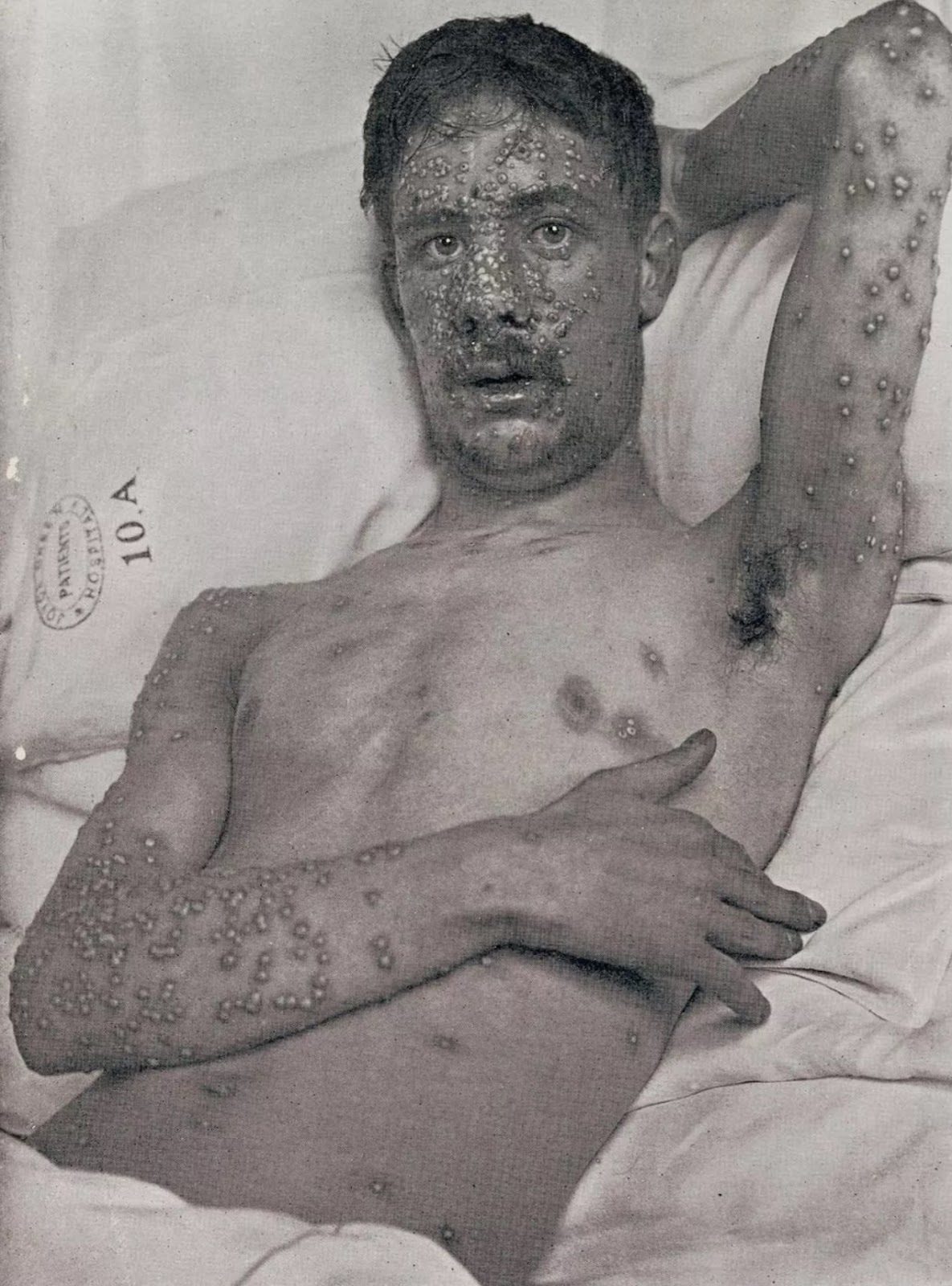
Professor Deborah Symmons was the first doctor to examine Mrs Parker after she was admitted to hospital. She diagnosed the patient with the terrible diagnosis of smallpox. The doctors’ worst fears were confirmed. At the time, it was believed that the last natural case of smallpox had been recorded in Somalia in 1977. However, it turned out that the disease had somehow returned to Birmingham.
Smallpox caused fear throughout the world for thousands of years. In the 20th century alone, the disease killed an estimated 300,000,000 people, a third of all of the infected. Those who survived often had deep scars. Smallpox has a long incubation period of about 12 days. Therefore, after Janet Parker’s diagnosis was announced, local doctors anxiously waited for about two weeks to see if there would be any new cases.
The last place everyone would have expected this epidemic to break out was the UK, where before Mrs Parker, there had been no cases for five years. The re-emergence of the terrible disease caused panic in Birmingham, the government and the WHO. Very quickly, the news appeared in the national and international press, becoming a major world topic of the time.
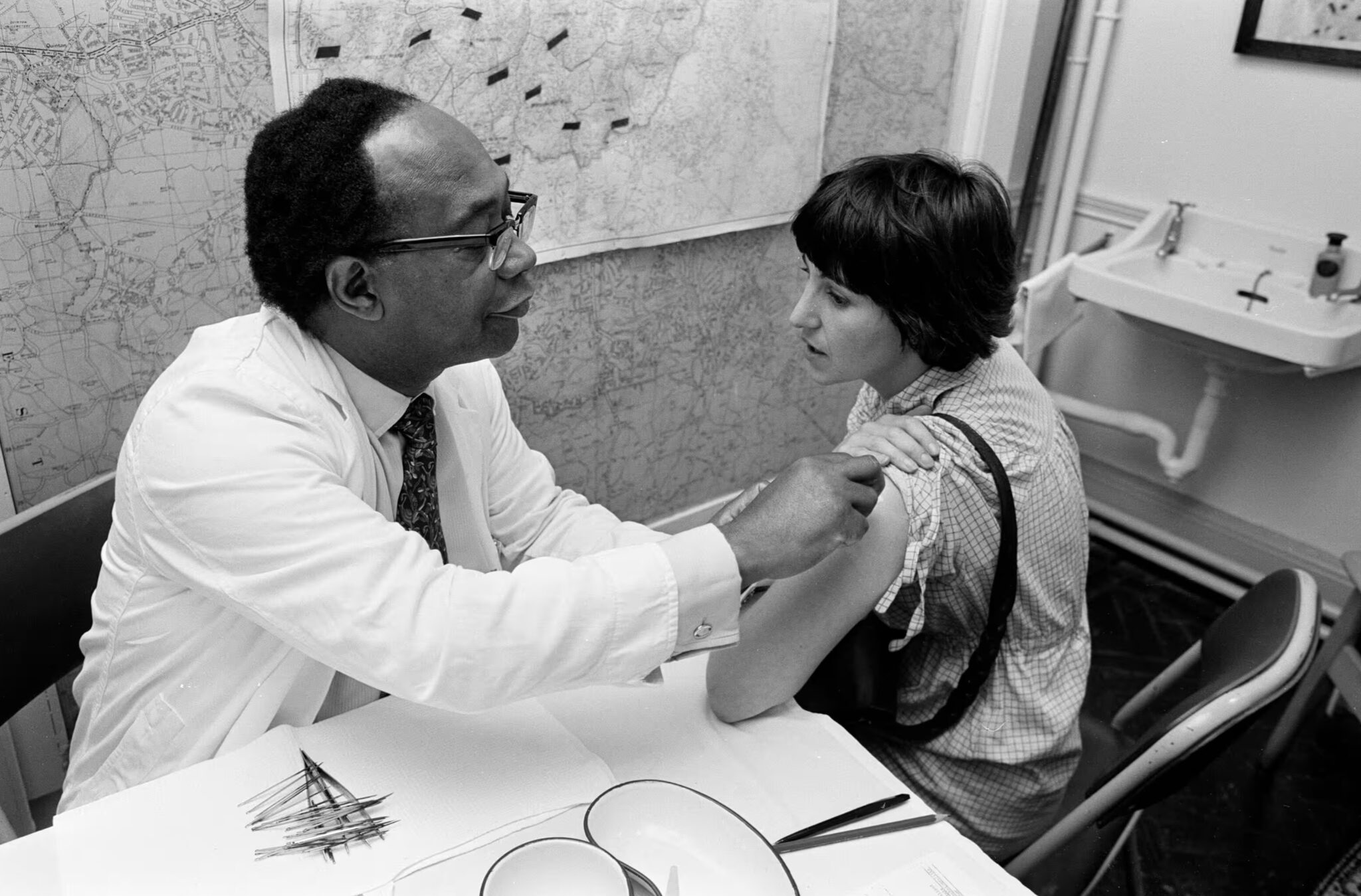
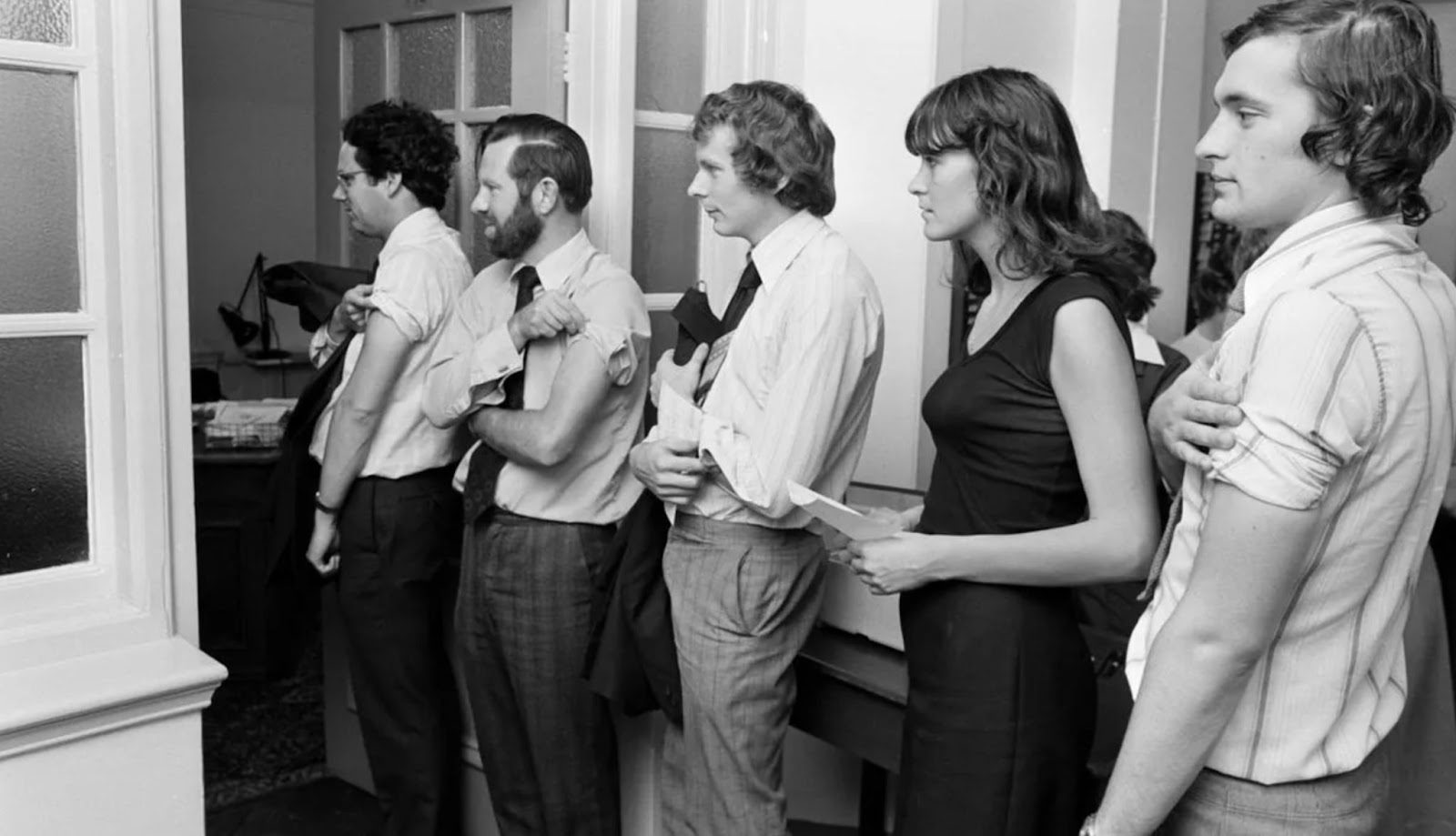
In 1978, hundreds of worried Brummies lined up outside the city’s medical centres for a check-up. The very name of the disease understandably inspired fear. After all, in some cases, smallpox could cripple, disfigure and kill. The city set up vaccination centres and people formed long queues outside, as they wanted to get the precious shot that would protect them from infection.
Vaccination to the rescue
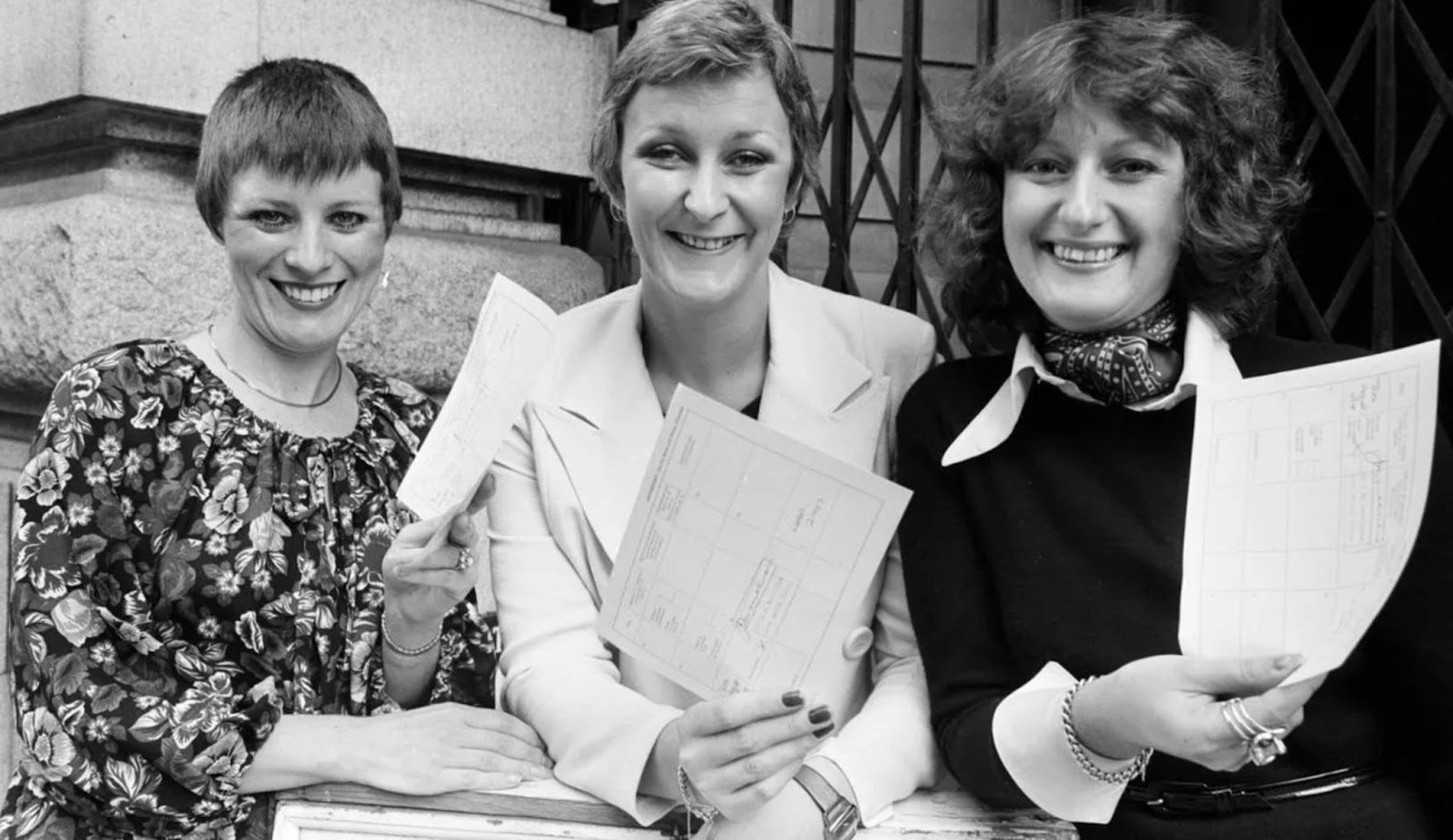
The vaccination was unpleasant and some vaccinated people suffered from side effects for a while. Still, it was very effective. Those shots didn’t cure smallpox, as there was no real cure, but it did prevent people from catching the infection.
In the end, vaccination became the key to the global eradication of smallpox, which was declared in 1980. It took more than 10 years and was one of the greatest achievements of medicine.
Mrs Parker’s closest people were among the first to be vaccinated and quarantined. Her husband Joseph and parents Hilda and Frederick Whitcomb were questioned about their recent movements, out of fear that the disease could spread further. Everyone who came into contact with Mrs Parker was treated the same way. Those were the man who came to fix her dishwasher, the ambulance workers, the hospital chaplain and the GPs who visited her.
Over 500 people had been vaccinated by 28 August, just two weeks after Mrs Parker first showed symptoms. Birmingham was declared free of the disease on 16 October 1978.
Still, one question remained unsolved: how did Janet Parker get infected in the first place?