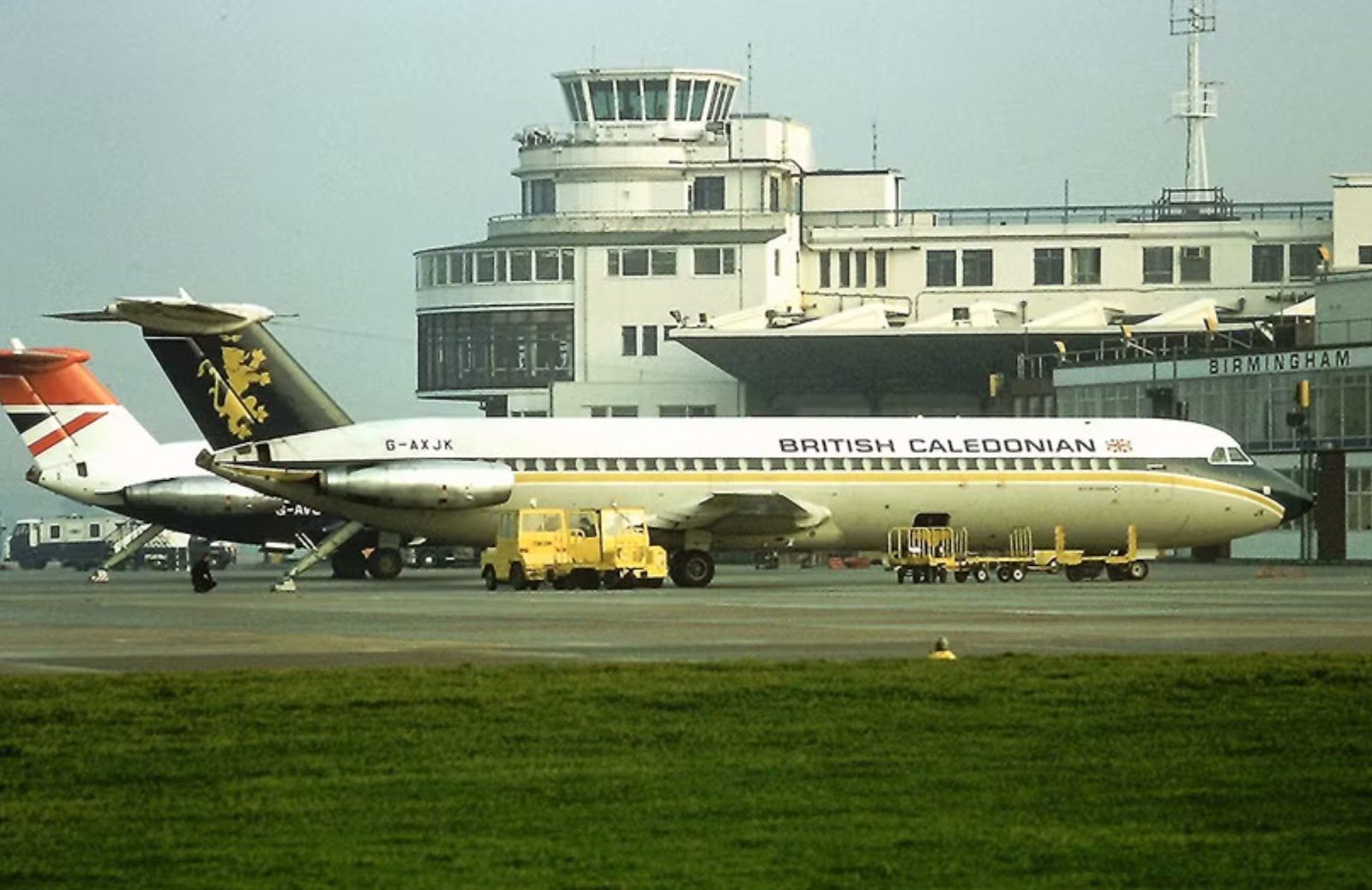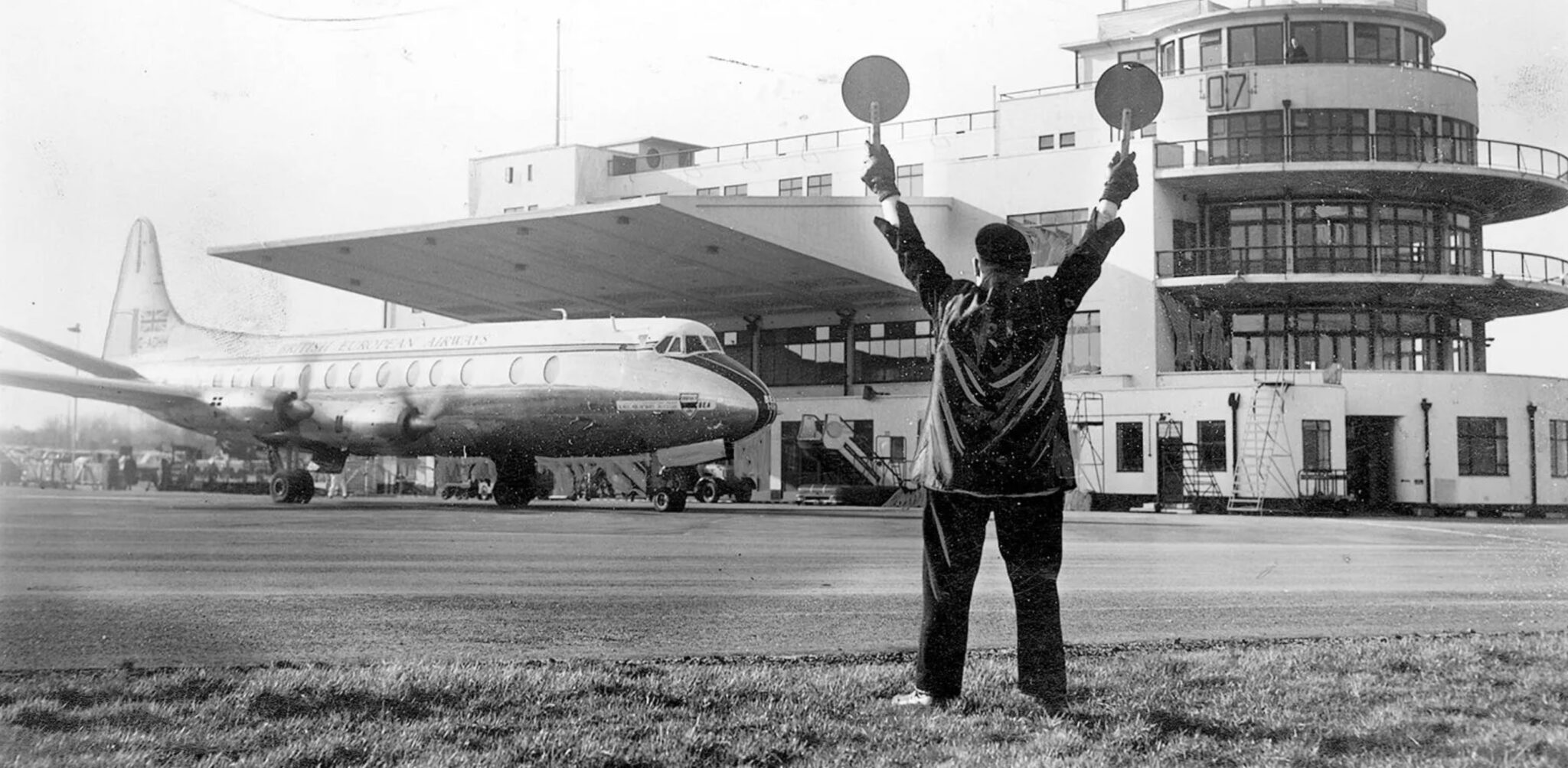

Birmingham Airport first opened in 1939, envisioned as a municipal facility serving the local community and industries of Birmingham and its surrounding areas. Over the decades, it has evolved into a significant hub, connecting the Midlands with destinations worldwide. From its wartime operations to its present-day capacity of over 12 million passengers annually, Birmingham Airport has undergone substantial transformations. Next on ibirmingham.info.
The Need for an Airport in Birmingham
Located in Solihull, approximately 13 miles southeast of Birmingham city center, Birmingham Airport serves the English Midlands as the UK’s seventh busiest airport. In the pre-pandemic years, it accommodated over 12 million passengers annually, offering flights to domestic and international destinations across Europe, the Middle East, North America, and the Caribbean.
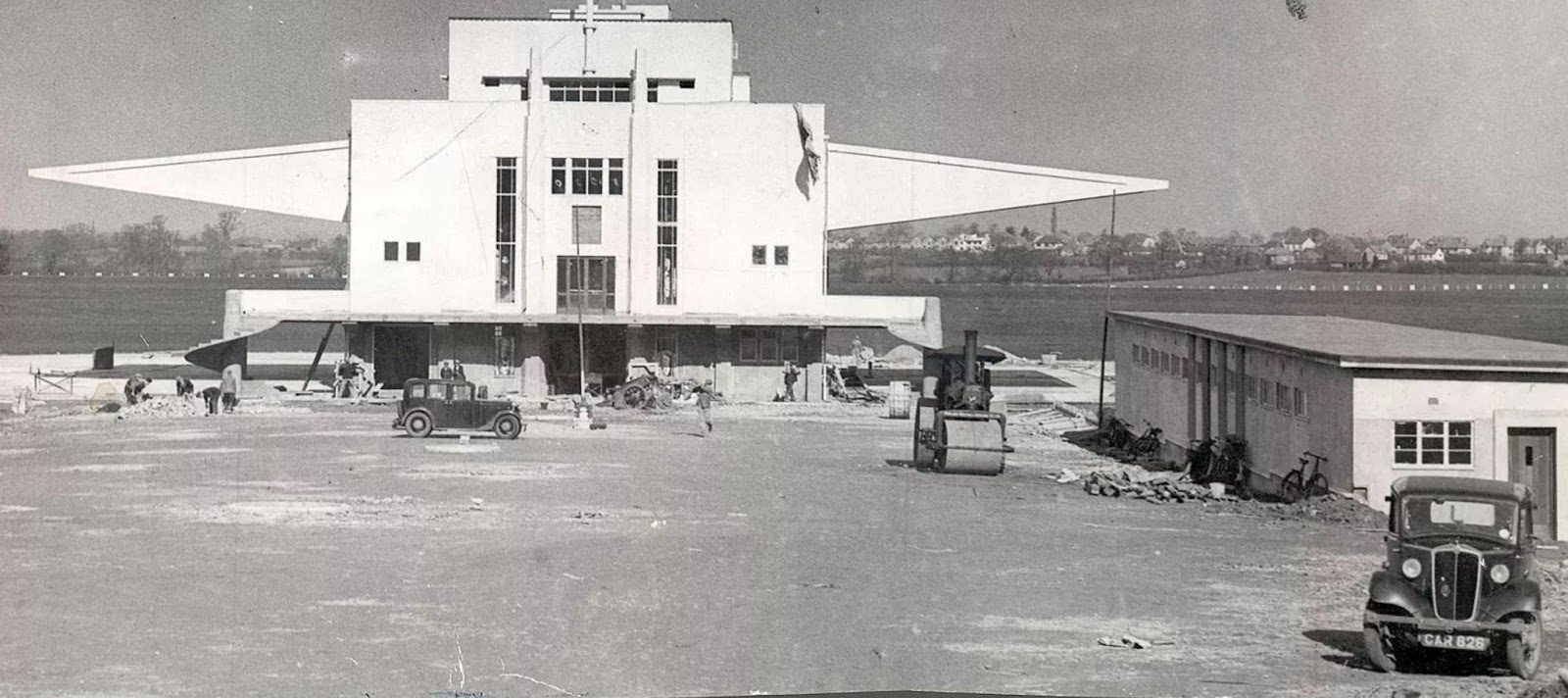
The push for a Birmingham airport began in 1928, driven by local politicians. After considering several locations, the decision was made to build in Elmdon. Construction was delayed due to the Great Depression, but by May 1939, the airport was deemed operational. Officially inaugurated on July 8, 1939, by the Duchess of Kent and Prime Minister Neville Chamberlain, the airport initially operated flights to Croydon, Glasgow, and several other cities. However, civilian use ceased just months later as World War II began.
Wartime Transformation
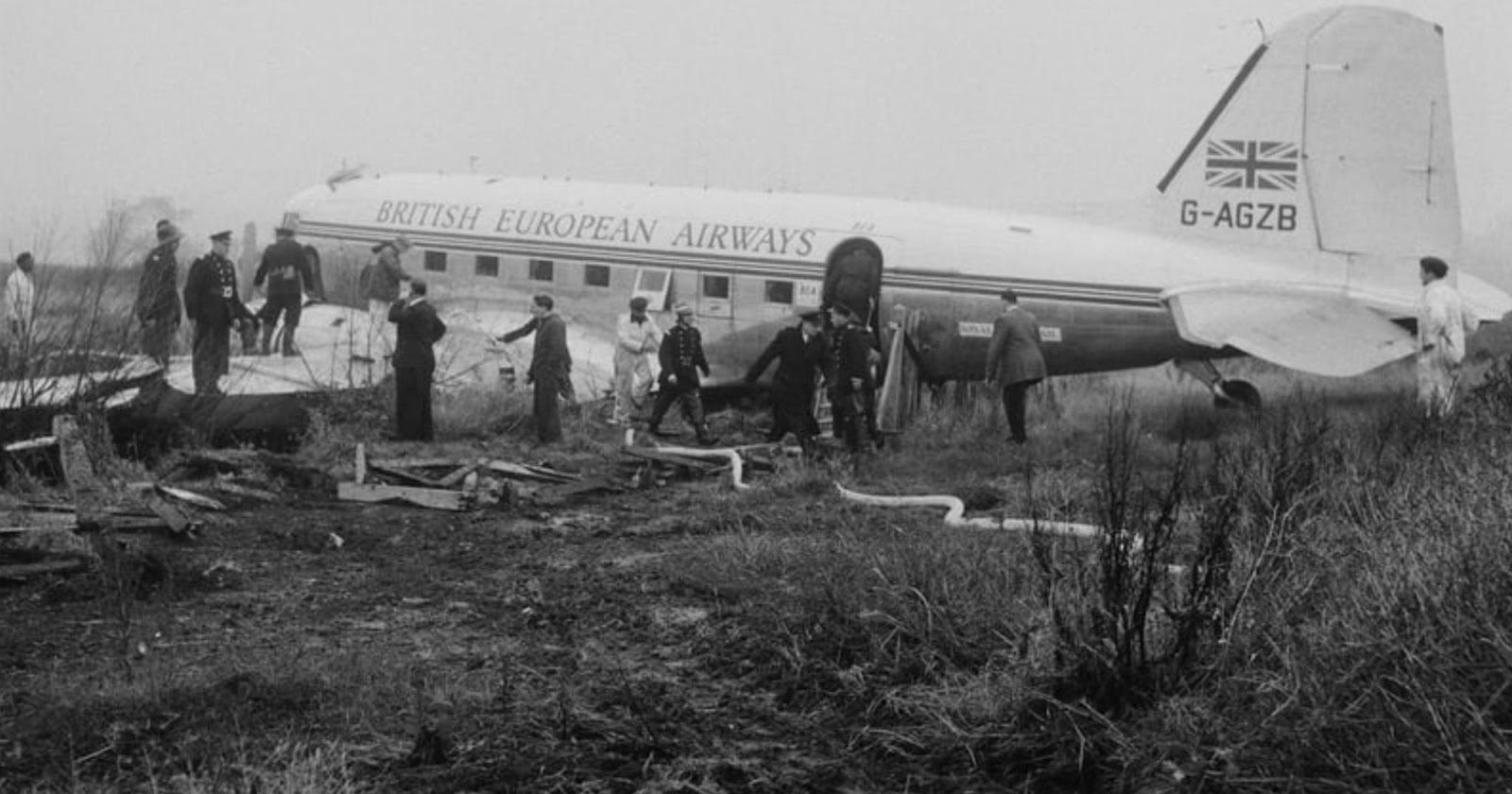
During World War II, the airport was requisitioned by the Ministry of Aviation and renamed RAF Elmdon. It served as a flight school and base for the Royal Air Force. Notably, its runways were upgraded to support bomber testing for aircraft manufactured locally. After the war, the airport resumed civilian operations in 1946, with flights to European destinations like Paris and Zurich added over the following decade.
In the 1960s, expansions were made to accommodate larger aircraft, including jetliners. The opening of a new terminal, the International Building, in 1961 and the extension of the main runway in 1967 paved the way for transatlantic flights to destinations such as New York. By the early 1970s, the airport served over a million passengers annually.
Further developments included the 1984 opening of a new terminal with a capacity for 3 million passengers, inaugurated by Queen Elizabeth II. In 1991, the Eurohub terminal was added, integrating domestic and international operations—a first in the world.
Modernization and Expansion
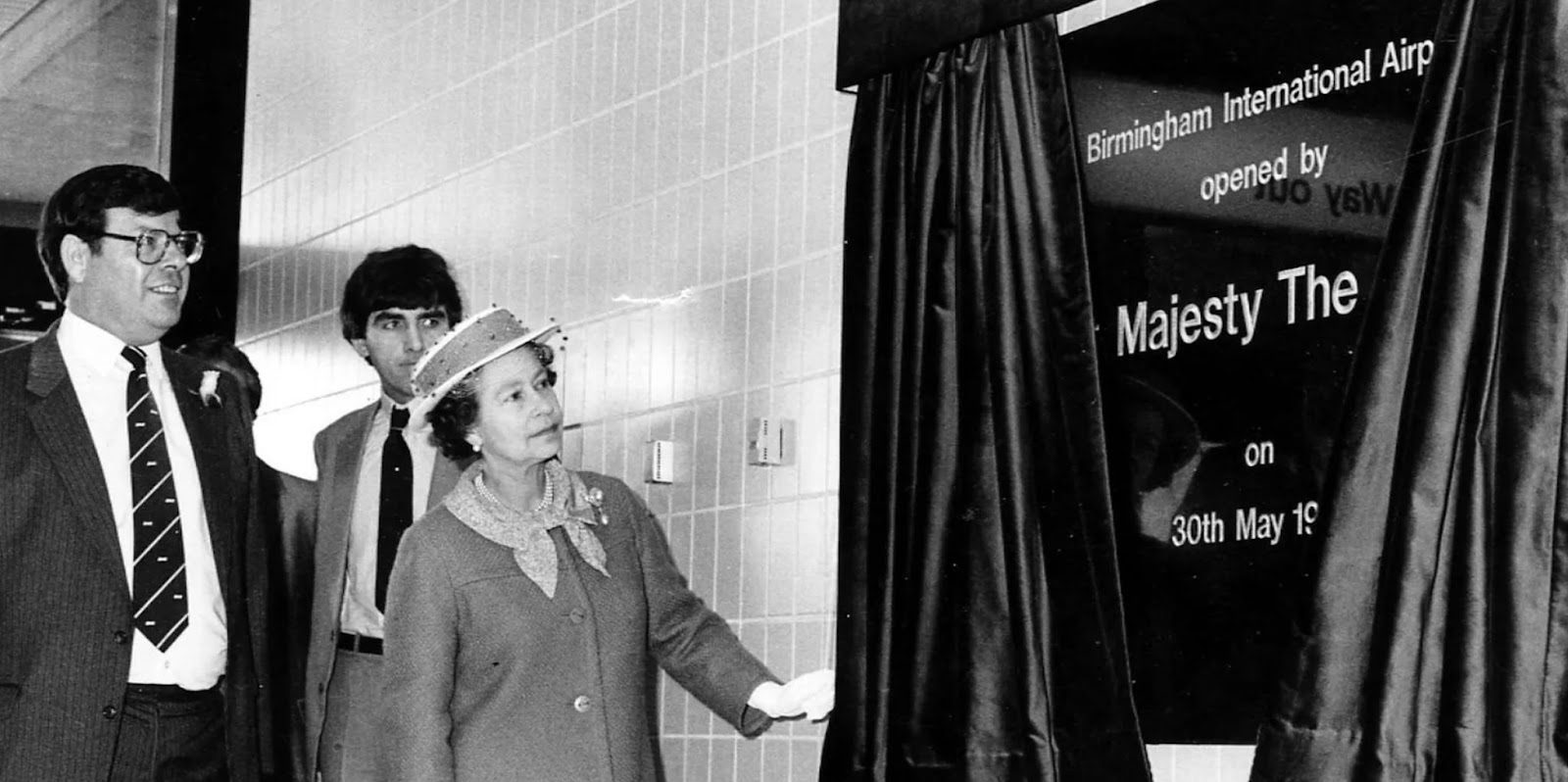
The Airport Act of 1986 required municipal airports exceeding £1 million in turnover to become public companies. Consequently, Birmingham International Airport plc was established in 1987. Continued investments saw the opening of new facilities, including a £40 million terminal enhancement in 2000 and an innovative air-rail link in 2003, connecting the airport to Birmingham International Interchange for seamless public transport access.
The air-rail system, the first of its kind in Europe, uses Austrian-designed cable technology also employed in Las Vegas. With trains operating every 90 seconds, it can transport up to 1,600 passengers per hour, ensuring smooth transfers between rail and air travel.
Pre-COVID, Birmingham Airport handled over 12 million passengers annually, cementing its role as a key transport hub. With recovery from the pandemic underway, the airport plans to expand capacity further, enhancing passenger convenience and connectivity.