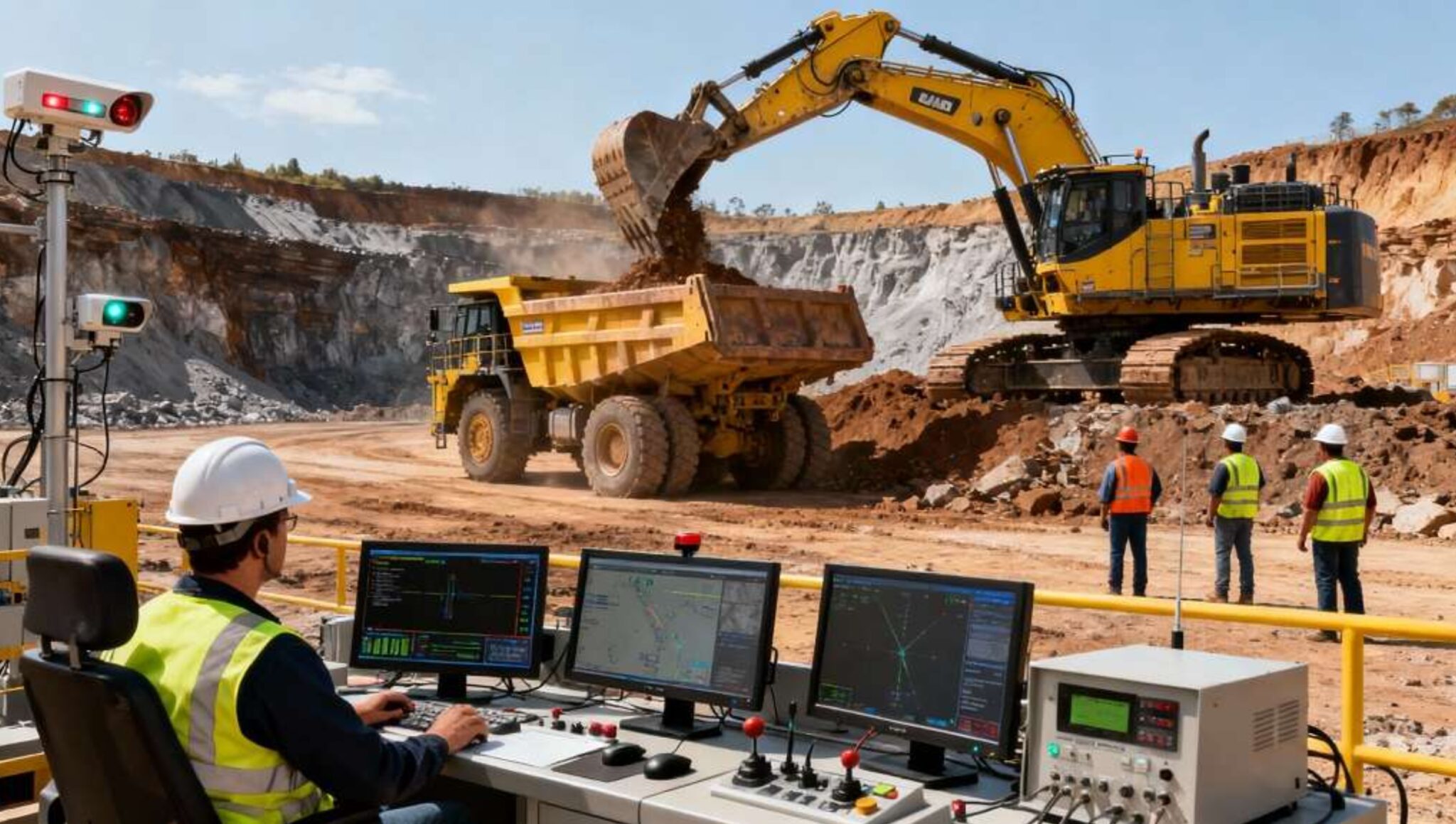

It is well known that the history of Birmingham’s industry is inextricably linked to metallurgy and mineral extraction. Long before the city began to be called the “workshop of the world,” it had established itself as a major centre for metalworking. In the beginning, this centre consisted of a network of small smithies and family workshops. Later, with the development of the industrial revolution, large metallurgical enterprises appeared. Incidentally, the path of industrialisation, which began in the pre-industrial era, continues to this day. Old blast furnaces and rolling mills are gradually giving way to connected factories controlled by digital technologies. Read about the digital transformation of mining and metallurgical enterprises in Birmingham here: ibirmingham.info.
History of the metallurgical industry
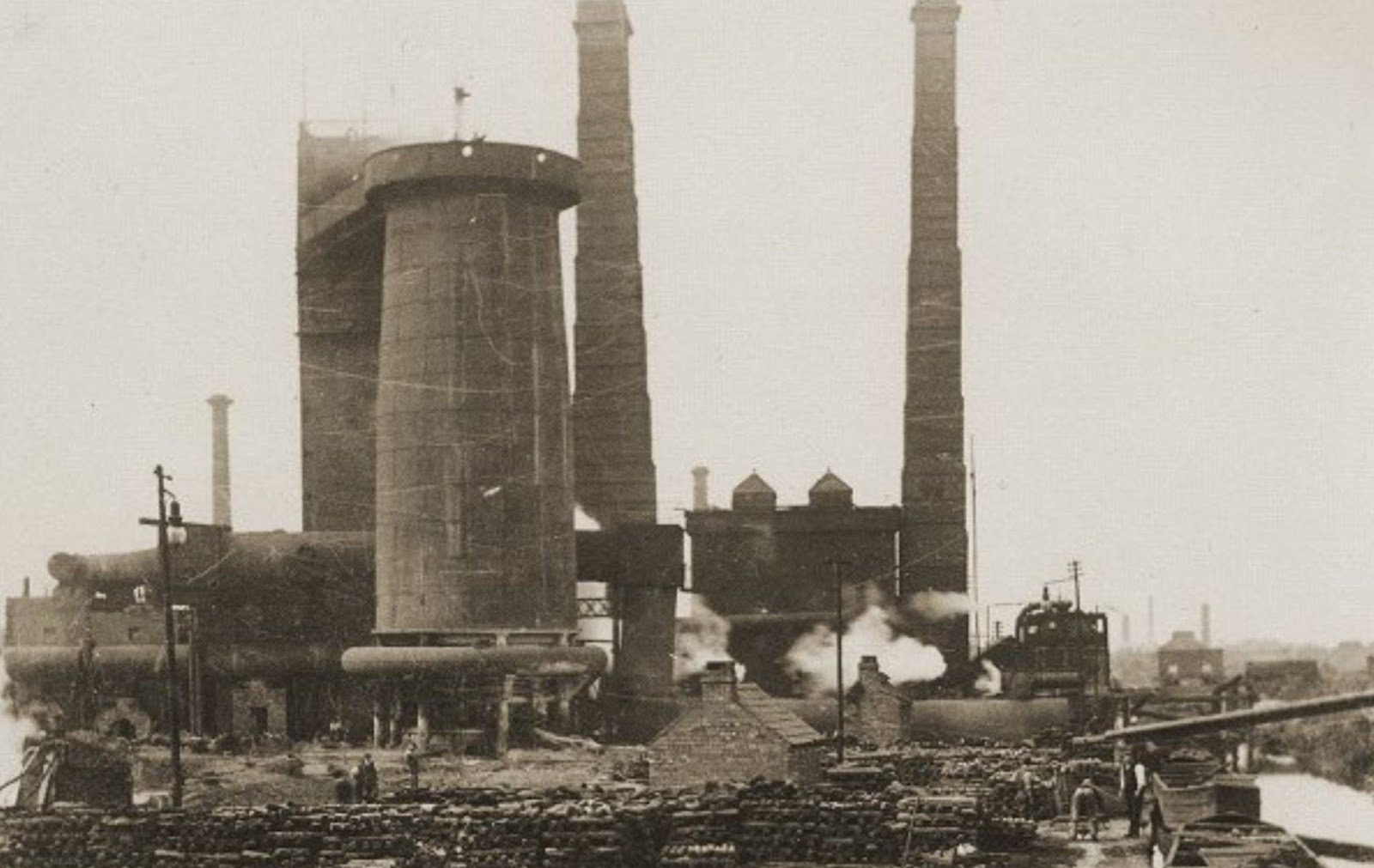
Birmingham has enjoyed favourable conditions for the development of metallurgy since the 18th century. This was facilitated by its proximity to the coalfields of the Midlands, access to iron ore and the availability of canals and, later, railways, which greatly facilitated and reduced the cost of raw material supplies. Birmingham also had its differences from other industrial centres in Great Britain. For example, the city was distinguished by a large number of medium-sized enterprises specialising in the processing of iron, steel and alloys, while in other cities, several large corporations dominated. The city’s workshops produced nails, light weapons, mechanical parts, tools, and machine parts.
This fragmented industrial structure encouraged experimentation. Local blacksmiths and engineers quickly mastered new technologies, improved smelting processes and developed more efficient production methods. Birmingham’s metallurgy was not limited to the extraction or production of raw materials; it was based on the logic of added value, combining craftsmanship and gradual mechanisation.
In the 19th century, with the onset of the Industrial Revolution, Birmingham’s mining and metallurgical enterprises changed the scale of their operations. Workshops turned into factories, steam and then electric machines replaced intensive manual labour on a massive scale, and production became increasingly integrated into industrial chains. It was at this time that steel became a strategic material, essential for railways, construction, and armaments.
Repurposing and modernisation
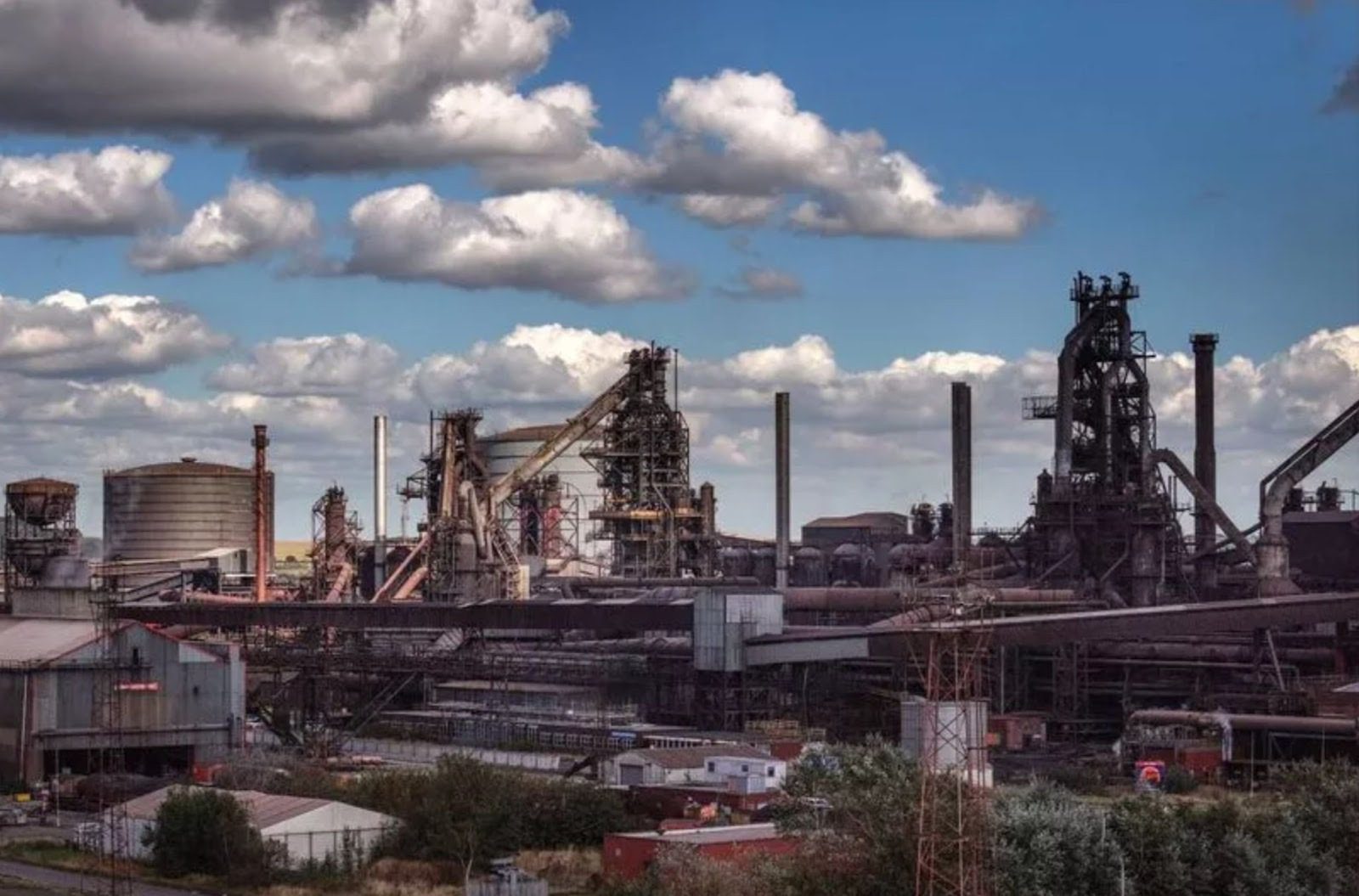
As for Birmingham, the city began to play a key role in the country’s economy. Metallurgical enterprises are gradually adapting to the needs of national and international markets, while maintaining a certain degree of flexibility. Moreover, both the First and Second World Wars only further reinforced the importance of this sector of industry. Birmingham supplied the parts, components and metal structures needed for industrial and military production.
However, since the second half of the 20th century, Birmingham’s mining and metallurgical enterprises have been facing profound changes. International competition, declining demand for some traditional types of products, and growing environmental concerns are weakening the classic industrial model. Some enterprises are closing down or diversifying, while others are investing in equipment modernisation.
This period became a turning point. The focus of production shifted to quality, specialisation, and energy efficiency. After all, only those enterprises that integrated new technologies, streamlined their processes and positioned themselves in segments with higher added value could survive. We are talking about technical steel, special alloys or precision components.
Digital transformation — the new industrial revolution
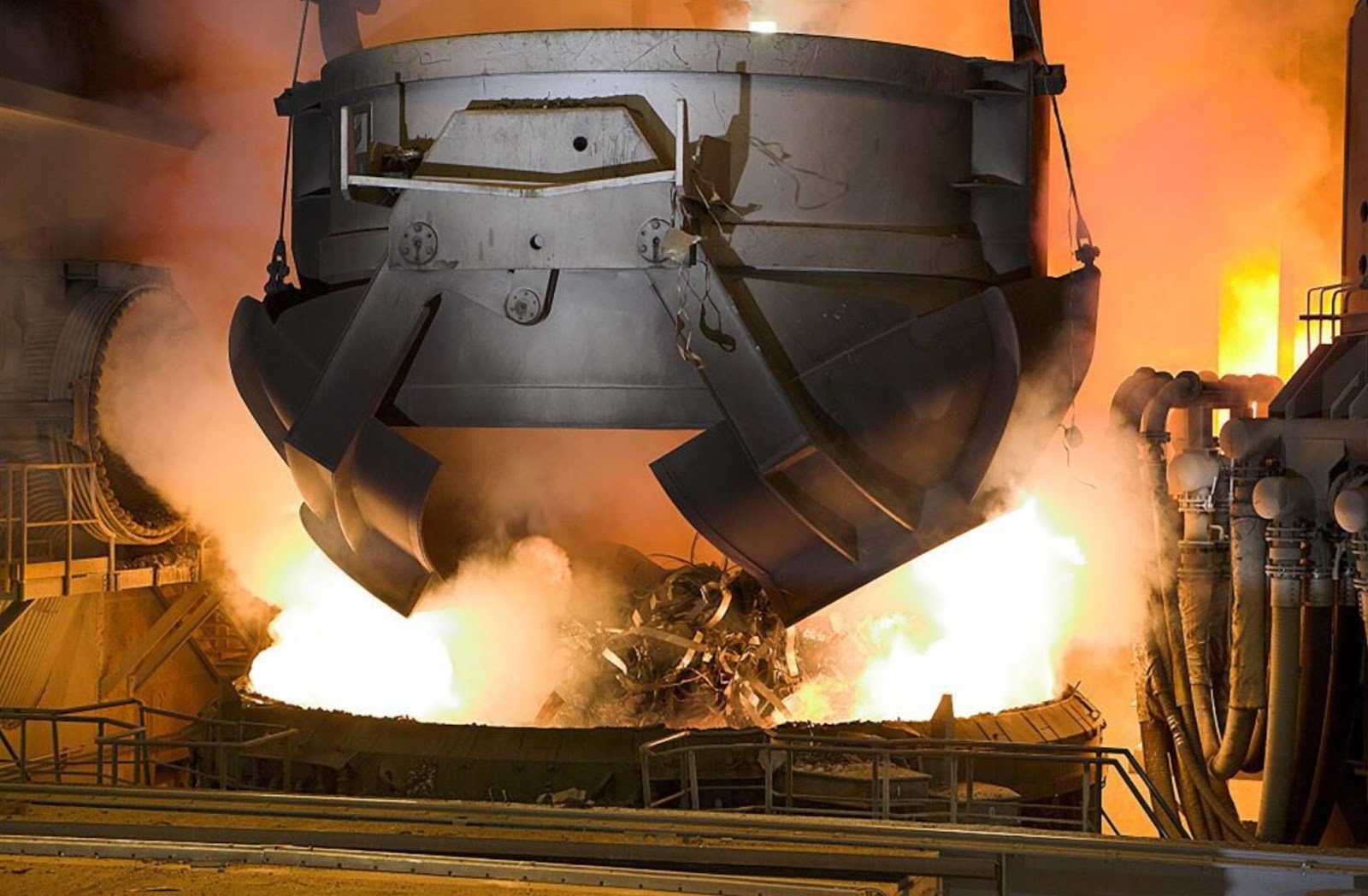
Since the beginning of the 21st century, Birmingham and the Midlands region have entered a new phase of transformation. It should be noted that the new trends have affected all areas of life, and not only in Birmingham, so mining and metallurgical enterprises are no exception. What is the essence of this evolution? As it turns out, it is expressed in the gradual introduction of digital technologies into production processes.
Intelligent sensors are now being installed on furnaces, rolling mills and critical equipment that measures temperature, vibration, energy consumption or component wear in real time. The collected data is then sent to analytical platforms that allow processes to be optimised, losses to be reduced and malfunctions to be predicted. All this has been made possible by predictive maintenance. This new approach allows us to move away from traditional corrective maintenance and helps to increase the reliability of installations.
At the same time, another new concept is gaining popularity, known as the digital twin concept. Its essence is that by virtually recreating a production line or metallurgical furnace, engineers test various scenarios, adjust operating parameters and improve the quality of the final product, while the actual production process is not interrupted. Thus, digital transformation provides strategic advantages and contributes to increased industrial efficiency.
It should also be understood that digital transformation can apply to more than just machines. It contributes significantly to changing professions and skills. For example, in Birmingham, companies are increasingly collaborating with universities and research centres. The aim of such cooperation is to train engineers who are proficient not only in metallurgical processes but also in data analysis. This is where hybrid profiles combining industrial engineering and digital technologies become extremely important.
Environment and sustainable development
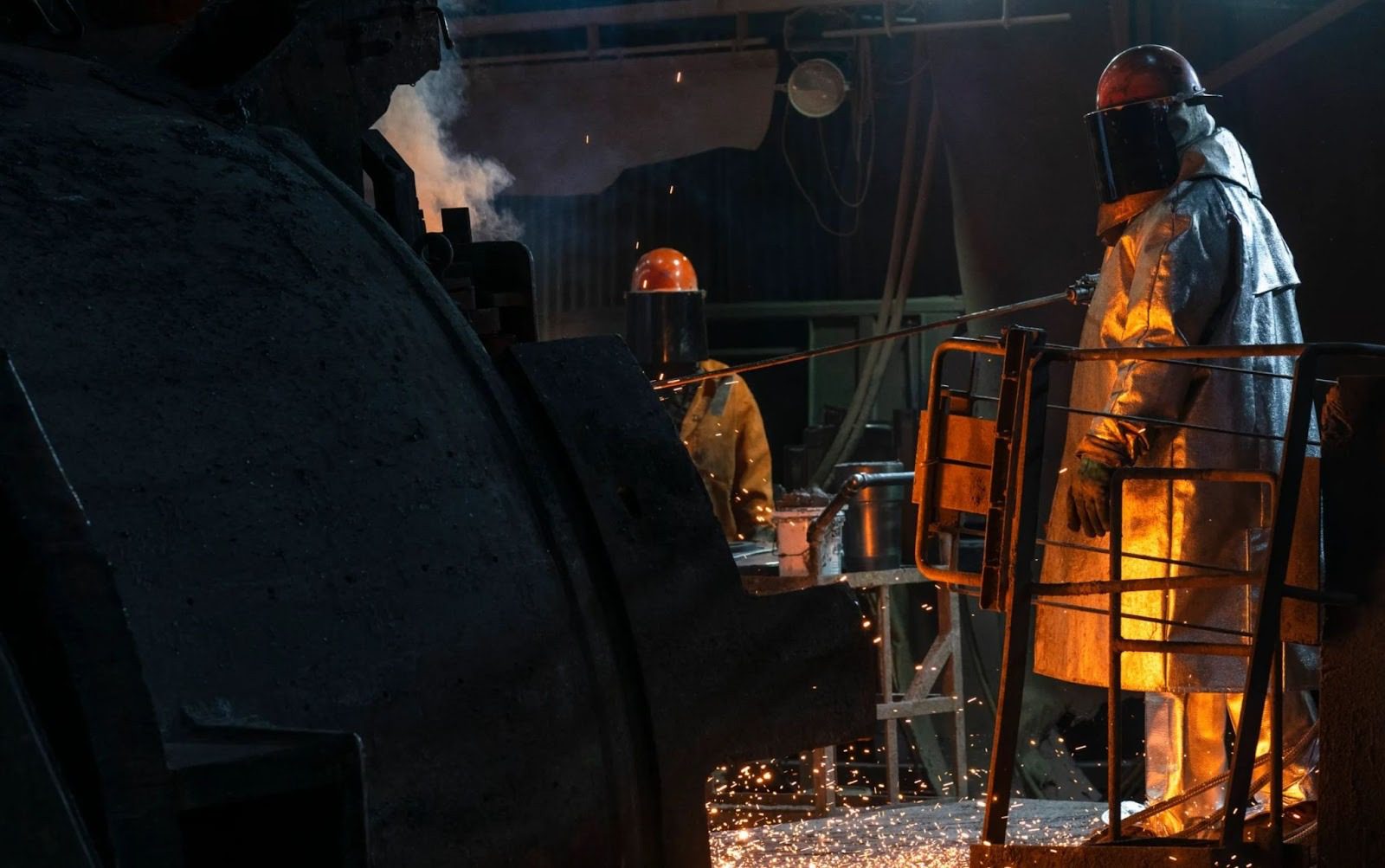
Another important issue is sustainable development. Metallurgy is traditionally an energy-intensive industry with high carbon emissions. Therefore, in order to meet the requirements of modern production, these problems must be solved, if not completely, then as much as possible. That is why the emergence of digital tools that open up new opportunities for accurate consumption tracking, energy optimisation and reduction of its impact on the environment is extremely necessary. Moreover, in Birmingham, the transformation of mining and metallurgical enterprises is now, more than ever, part of an environmental transition strategy that is in line with the UK’s climate goals.
To sum up, we can conclude that the history of Birmingham’s mining and metallurgical enterprises is a story of constant adaptation. From the blacksmiths’ forges where it all began to smart factories and production facilities. It is gratifying that the sector has managed to transform itself against a backdrop of technological, economic and social change. The current digital transformation is by no means something new or autonomous. Rather, these processes are a continuation of local traditions of innovation and industrial pragmatism.
For a long time now, Birmingham has been defined not only by its industrial past, but also by its ability to turn this heritage into a competitive advantage that will help it succeed in this difficult endeavour. Combining historical experience, digital technology and environmental awareness, the city’s mining and metallurgical enterprises are shaping the contours of a modern, sustainable and future-oriented industry.
Sources:
- https://www.miningfrontier.com/featured/absolute-visibility-of-digital-transformation-in-mining/
- https://www.mining.com/uk-university-training-centre-aims-to-fuse-ai-into-metals-industry/
- https://www.birmingham.ac.uk/research/perspective/industry-4-and-what-to-expect-for-industry-policy
- https://digitalbirmingham.co.uk/