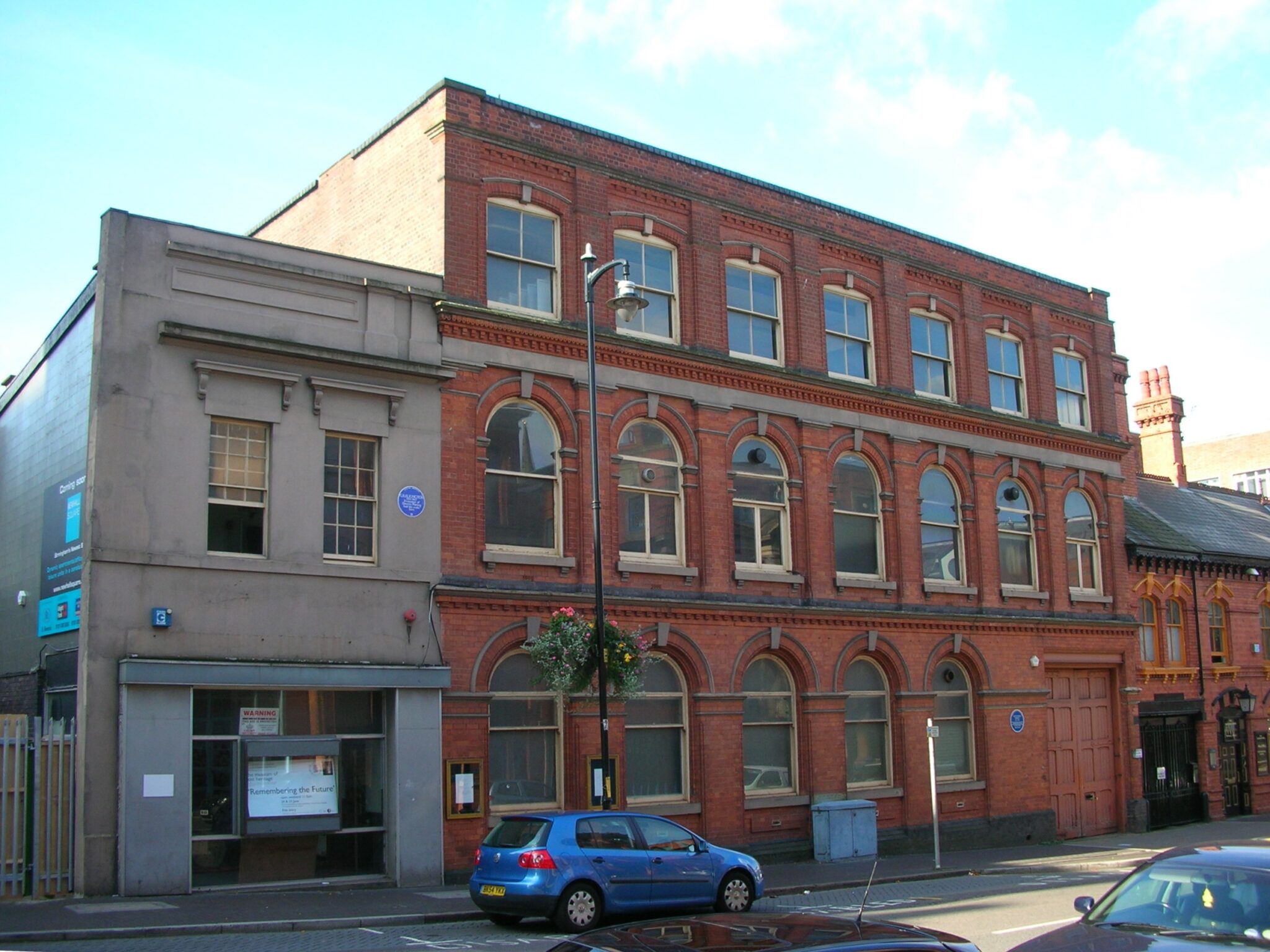

In short, George Richards Elkington was a manufacturer of metal products. To this end, he established his own company in Birmingham. But in reality, George Elkington was a revolutionary figure in British manufacturing, whose innovations in electroplating transformed the silver industry and made Birmingham a world leader in the production of those very metal goods. For more details about the life and achievements of one of the most famous jewellers in both Birmingham and the whole of Great Britain, visit ibirmingham.info.
Getting involved
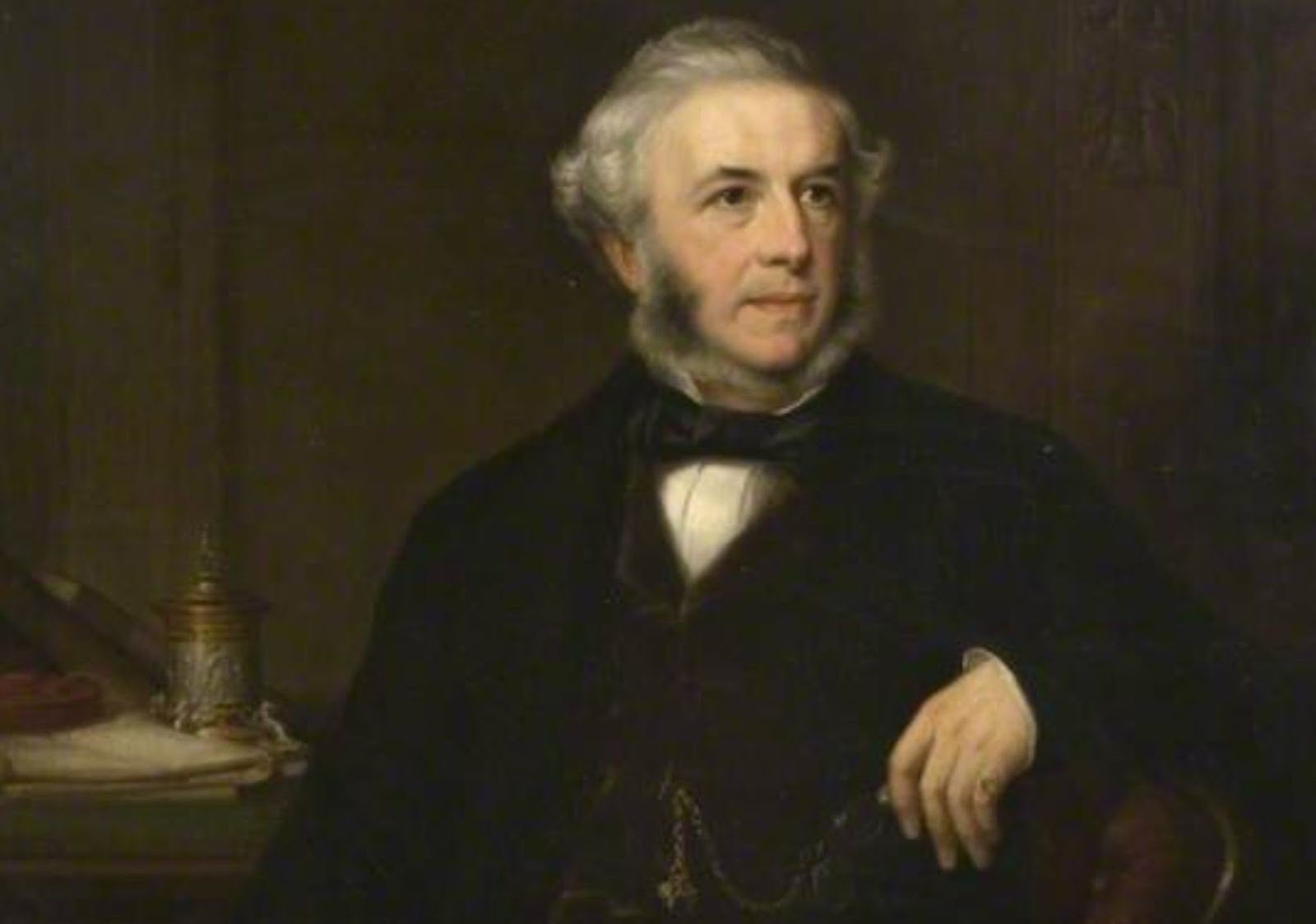
George Richards Elkington came from a family involved in metalworking. Born in Birmingham, in the heart of industrial England, he is best known as one of the pioneers of electroplating, a technical innovation that radically changed the production of precious metal products. It contributed to the transformation of Birmingham into a world centre for jewellery and powder metallurgy.
From childhood, Elkington was interested in the chemical processes used to treat metals and the industrial applications of electricity. It should be noted that at that time, electricity and its potential uses were still in their infancy.
In the early 19th century, the manufacture of silver and gold items was based mainly on expensive technologies. This, in turn, affected the price of jewellery, making it accessible only to the elite. Elkington quickly realised that a more efficient and affordable method could revolutionise the entire industry. From this, we can conclude that the man was driven not only by the desire to improve production in order to make a profit, but also by social motives. After all, Elkington sought to make quality products available to a wide audience.
A decisive turning point in his career came in 1830–1840, when he, together with his cousin Henry Elkington and several assistants, succeeded in improving the electroplating technique, after which he filed several patents related to the electrodeposition of metals. His patent, filed in 1840, was an important milestone in metalworking. It described a reliable process for applying a thin layer of silver or gold to an object made of ordinary metal.
According to Elkington, this could be done using electric current. This invention, often referred to as the first commercial electroplating process, was a real technological breakthrough. It made it possible to produce items with a luxurious appearance at a significantly lower cost.
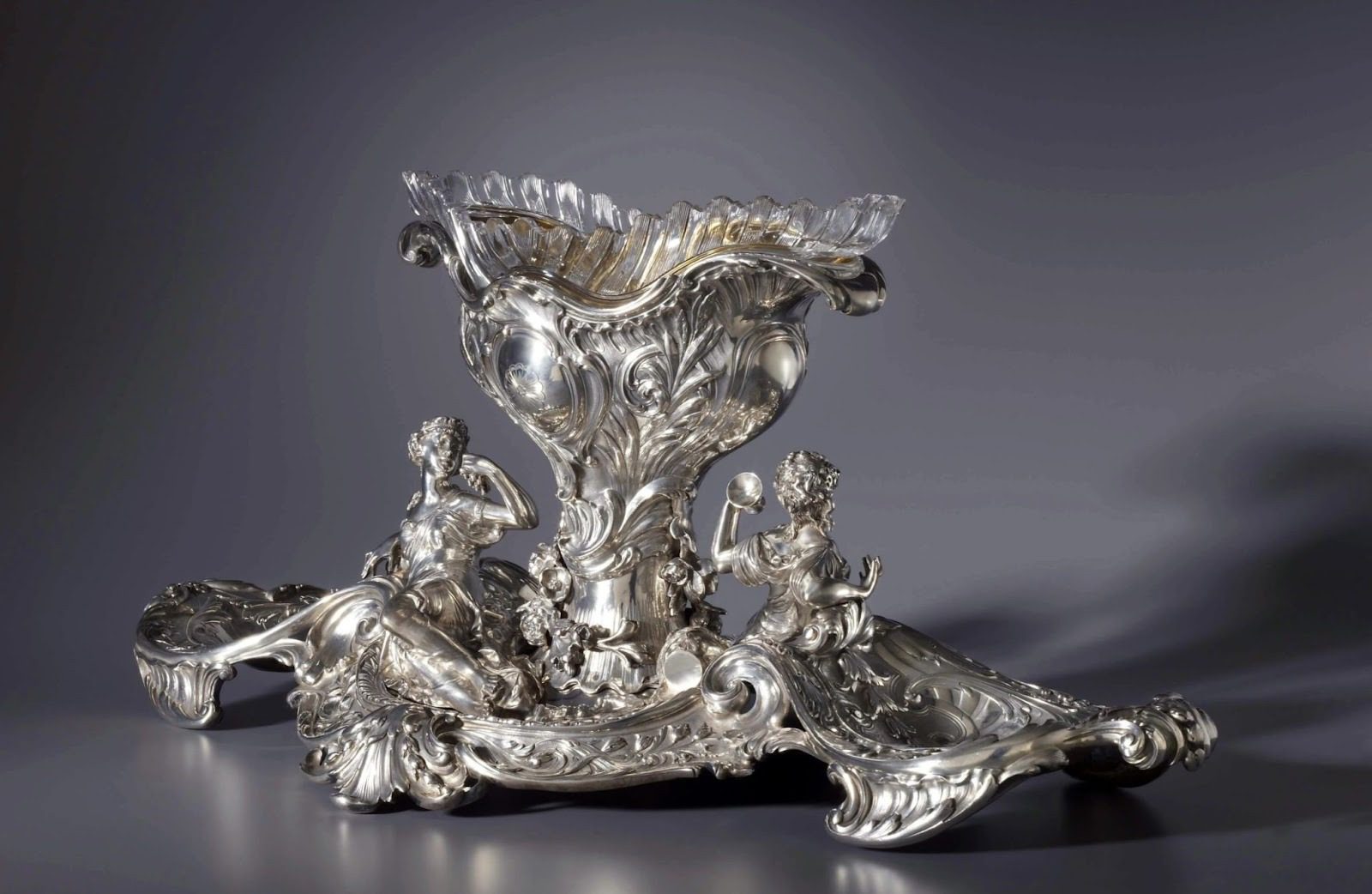
Building on this progressive innovation, George Richards Elkington founded Elkington & Co. in Birmingham. It quickly became one of the leading manufacturers in the field of industrial jewellery art. Thanks to electroplating, the company began to produce silverware, decorative items, trophies, and works of art. All these creations combined aesthetics and durability, and were also affordable.
First successes
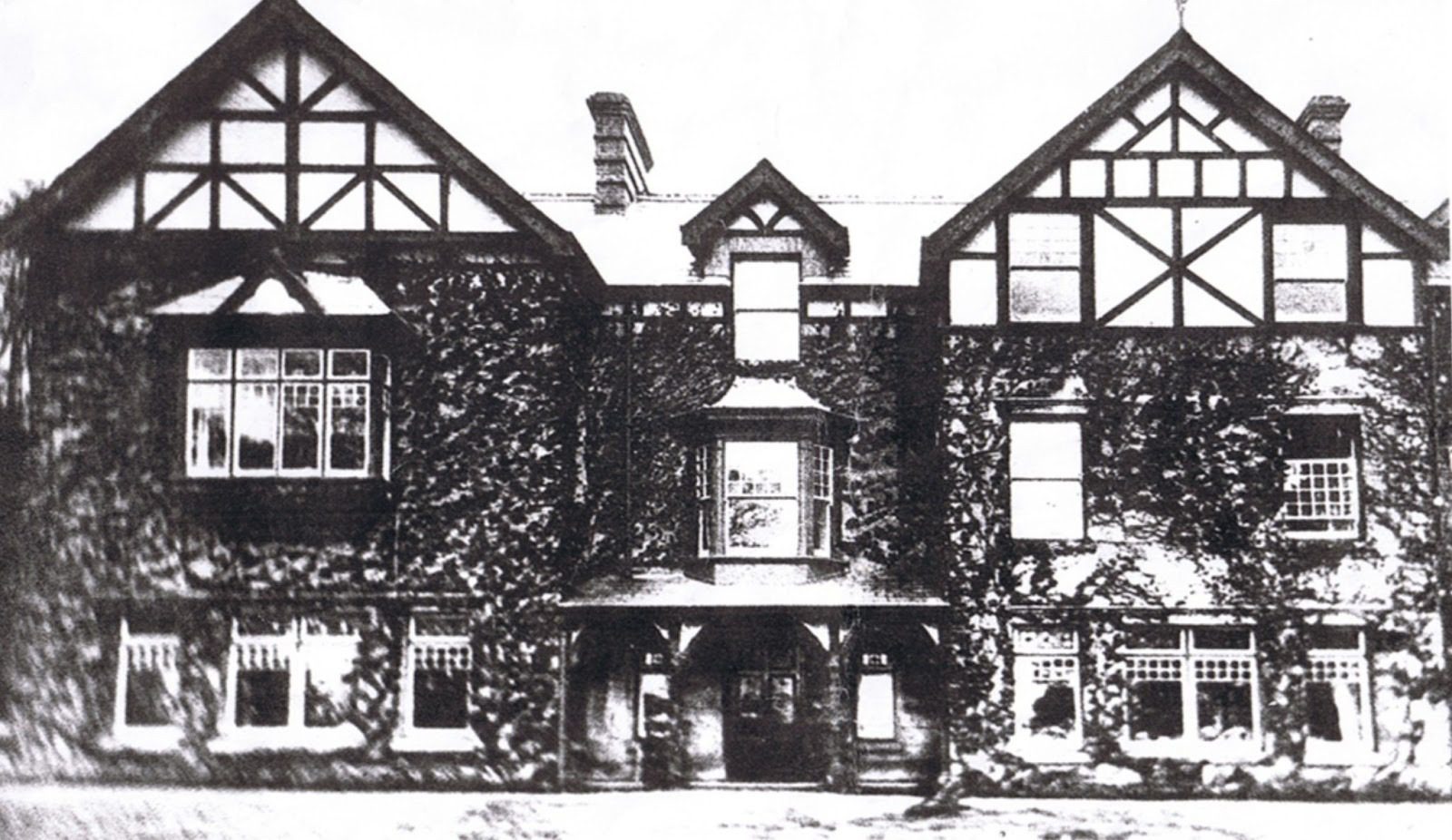
Despite all that, credit should be given to George Elkington, whose company did not focus solely on the production of large batches of mass-market products. Elkington & Co continued to collaborate with artists and designers who developed designs for both mass-produced and exclusive jewellery, thereby helping to elevate industrial products to the status of works of art. The company employed many distinguished artists, including Benjamin Schlik, Pierre-Émile Jannet, Léonard Morel-Ladeuil, Auguste Adolphe Wilmès and Edward Welby Pugin, J. Holliday and Christopher Dresser.
All this contributed to the popularity of the products, as well as the fame of Elkington, soon spreading beyond the borders of Great Britain. Its technologies are used throughout Europe and the United States, forever changing the metallurgical industry. The company received numerous awards at international exhibitions, particularly in London and Paris, where its products were recognised for their technical quality and elegance. These international successes strengthened the image not only of the jewellery company, but also of Birmingham as a whole as the “workshop of the world”. Accordingly, the role of George Elkington himself did not go unnoticed.
Despite his business achievements and industrial successes, George Richards Elkington was distinguished by his constant pursuit of innovation. He actively invested in research, continuously improved production processes and defended patents, remaining at the forefront of industrial progress. His approach to business perfectly illustrated the Victorian spirit, which was characterised by a belief in science, technology and entrepreneurship as levers of social transformation.
Elkington’s heirs
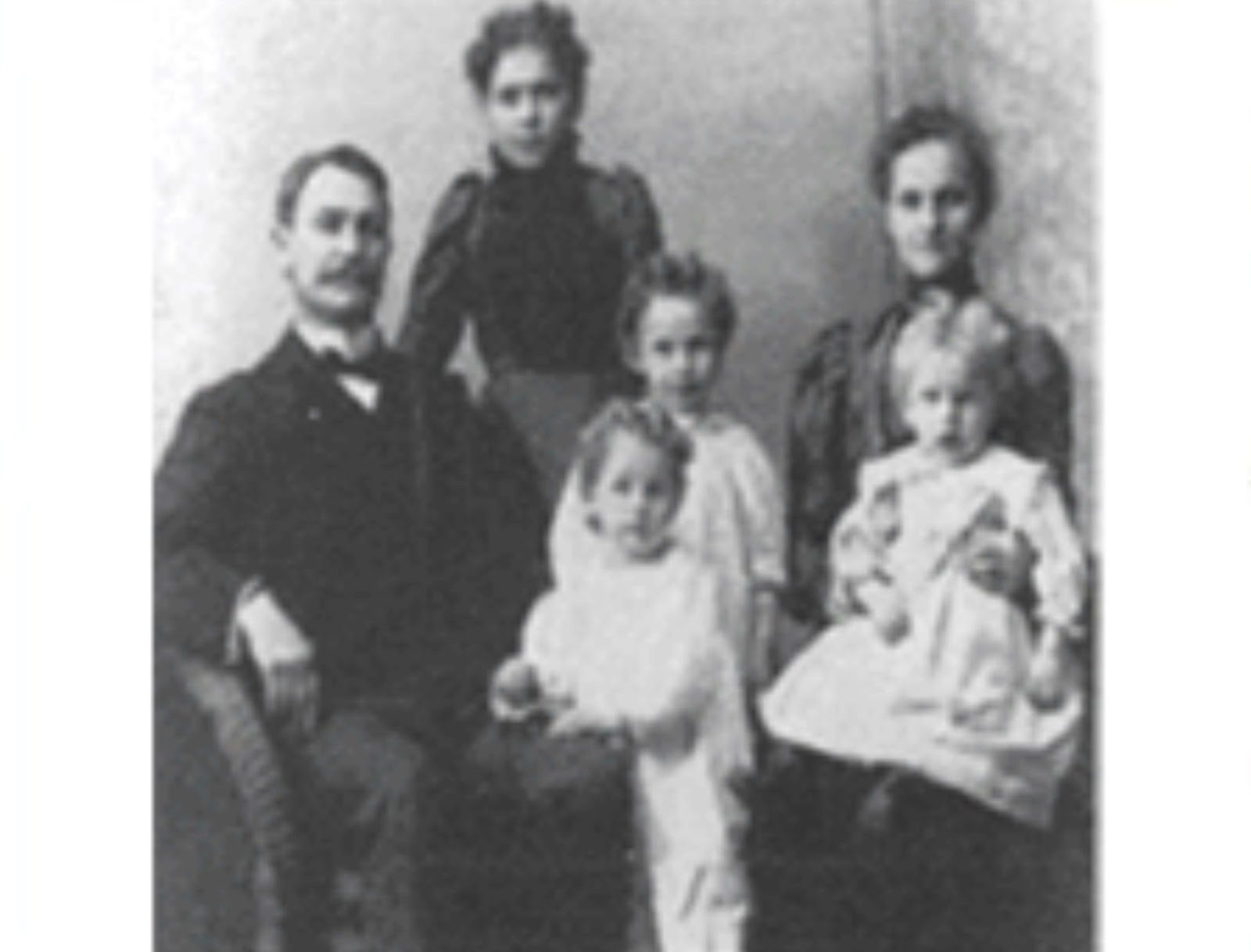
Elkington is also involved in community life, contributing to the cultural development of his hometown, and has enjoyed considerable economic success, which has enabled him to create jobs, train skilled workers, and support the local economy. Train a skilled workforce and support the local economy. Thus, he is a symbolic figure of the 19th-century industrial entrepreneur, simultaneously an inventor, business leader and participant in urban development.
After his death in 1865, George Richards Elkington left behind a significant legacy. The principles of electroplating, which were developed with his direct involvement, remain the basis of many modern technologies used to treat metal surfaces today.
His name is still associated, perhaps, not with such a well-known and remarkable, but fundamental revolution that changed not only the industry, but also the relationship between technological innovation, mass production and aesthetics. His four sons continued to run the company after their father’s death. The company’s vast range of jewellery products included all types of silver and electroplated items, from silver tableware and household hollowware to exquisite works of art and decorative pieces.
Thus, Elkington’s fame and renown are based not so much on his public activities as on his profound and sustained introduction of industrial innovations. By making luxury more accessible and combining science and craftsmanship, he helped redefine the standards of modern industrial production, putting Birmingham on the world map of innovation.
It is also worth emphasising that Elkington’s legacy is not limited to a single invention. His work paved the way for new forms of collaboration between chemists, engineers and craftsmen, contributing to the emergence of a so-called industrial culture based on experimentation and continuous improvement. The techniques he perfected were adopted, adapted and developed during the second half of the 19th century, influencing both jewellery and other industries, such as the production of mechanical parts or decorative items.
Worldwide recognition
Today, the name George Richards Elkington is associated with the idea of industrial progress capable of combining economic efficiency and aesthetic requirements. His career is an example of how technical innovation that originated in a specific city, in this case Birmingham, can acquire international and lasting significance. Through his patents, entrepreneurship and foresight, Elkington helped shape the modern industrial world and left a deep mark on the history of metalworking technologies in general, and jewellery in particular.
Sources: