
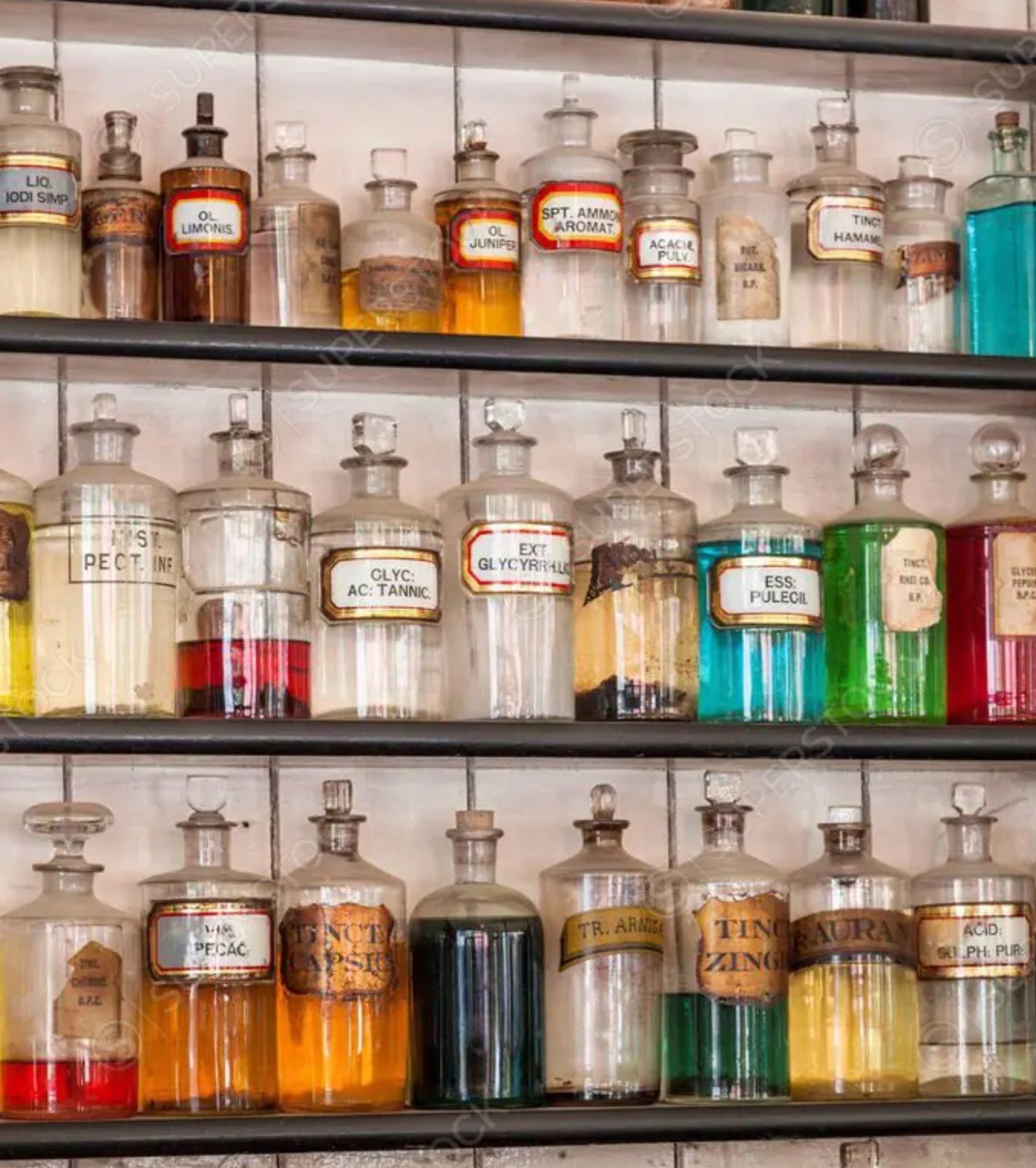
The word “pharmacy,” derived from the Greek “apotheke,” originally referred to a storage space unrelated to medicine. It was Hippocrates in 400 BCE who first used the term to describe a place for storing medicinal preparations. Over the centuries, the role of pharmacies evolved from rudimentary storage to centers for crafting and dispensing medications, becoming an essential part of healthcare. Next on ibirmingham.info.
In Birmingham, the pharmaceutical industry has played a pivotal role in the city’s health and development. From the establishment of early apothecaries to the modern pharmacy schools and innovations, the city’s contribution to this field is significant.
A New Profession Emerges
The modern pharmacy profession in Britain emerged during the Industrial Revolution in the 18th century. The Worshipful Society of Apothecaries shifted its focus to general practice, leaving a void in the market for dispensing and compounding medicines. Chemists and apothecaries filled this gap by establishing shops on main streets, where they mixed and sold medications, cosmetics, tobacco, and even food.
Unlike doctors, these early pharmacists were unregulated, operating without a governing body to ensure professional standards. Despite this, they thrived by responding to customer demands, specializing in various products like photographic chemicals or matches. Some, like John Lea and William Perrins, transitioned entirely from pharmacy to other industries, creating the now-famous Worcestershire sauce.
In 1815, the Apothecaries Act required pharmacists in Birmingham and across Britain to obtain a license. This legislation aimed to professionalize the field but faced resistance from pharmacists, who successfully campaigned against it. This resistance highlighted the need for collective representation, leading to the establishment of a professional society.
The Pharmaceutical Society of Great Britain
On April 15, 1841, William Allen proposed the formation of the Pharmaceutical Society of Great Britain during a meeting at the Crown and Anchor Tavern in London. Supported by John Bell, the father of chemist Jacob Bell, the society sought to regulate education and professional standards in pharmacy.
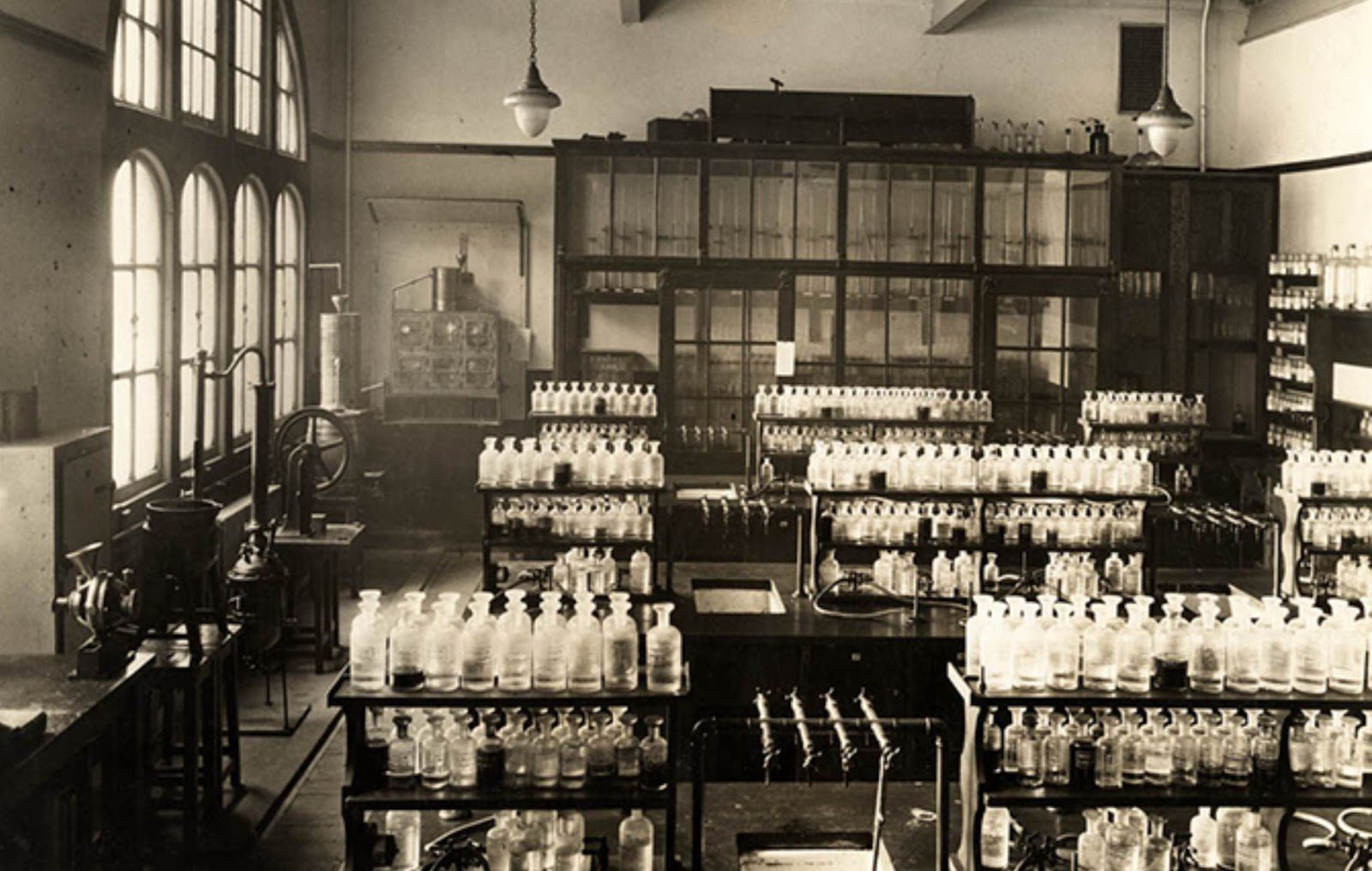
The society established the Pharmaceutical School in 1842, providing a centralized education standard. By the 1860s, it operated from a state-of-the-art laboratory, ensuring pharmacists received high-quality training.
Education in Pharmacy
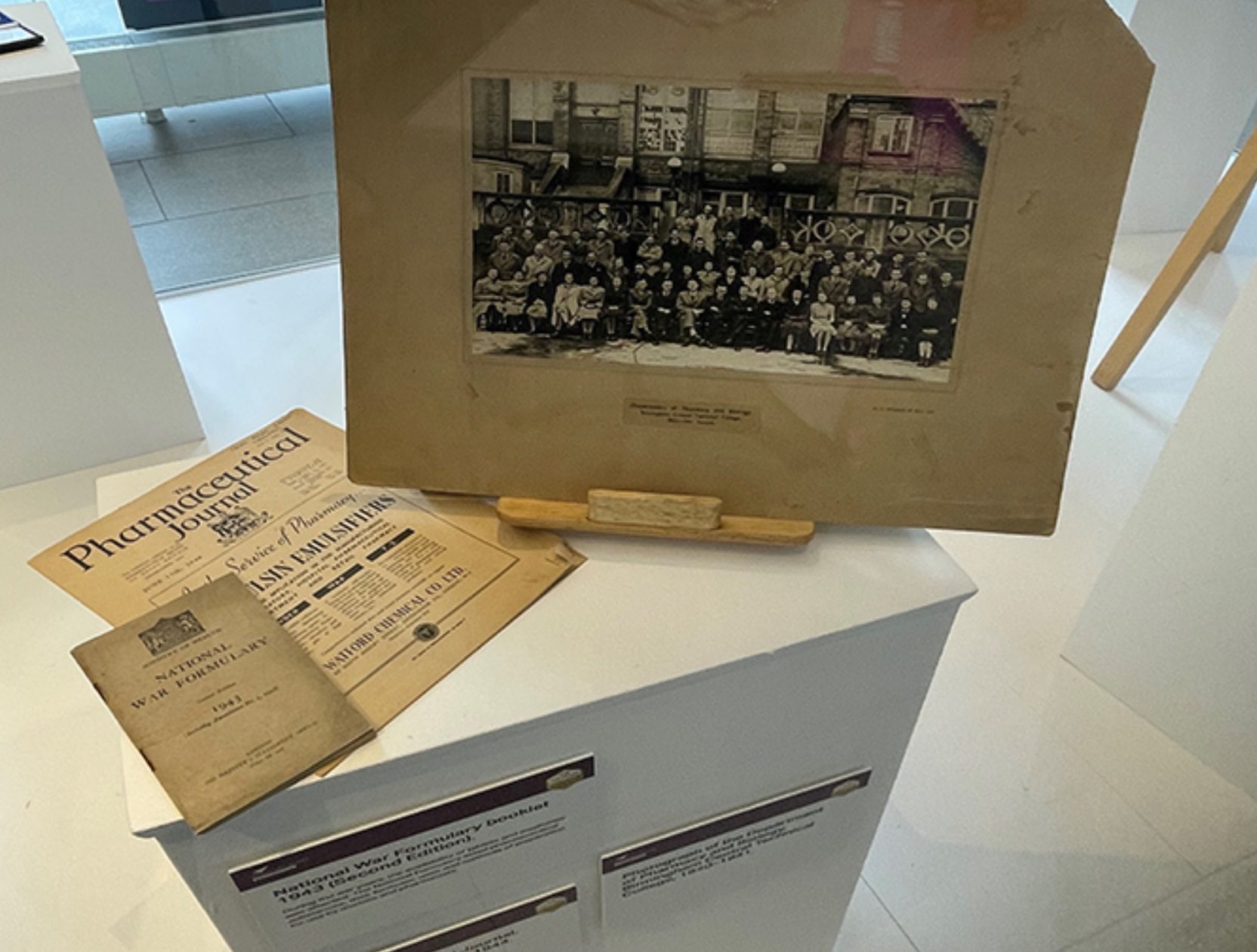
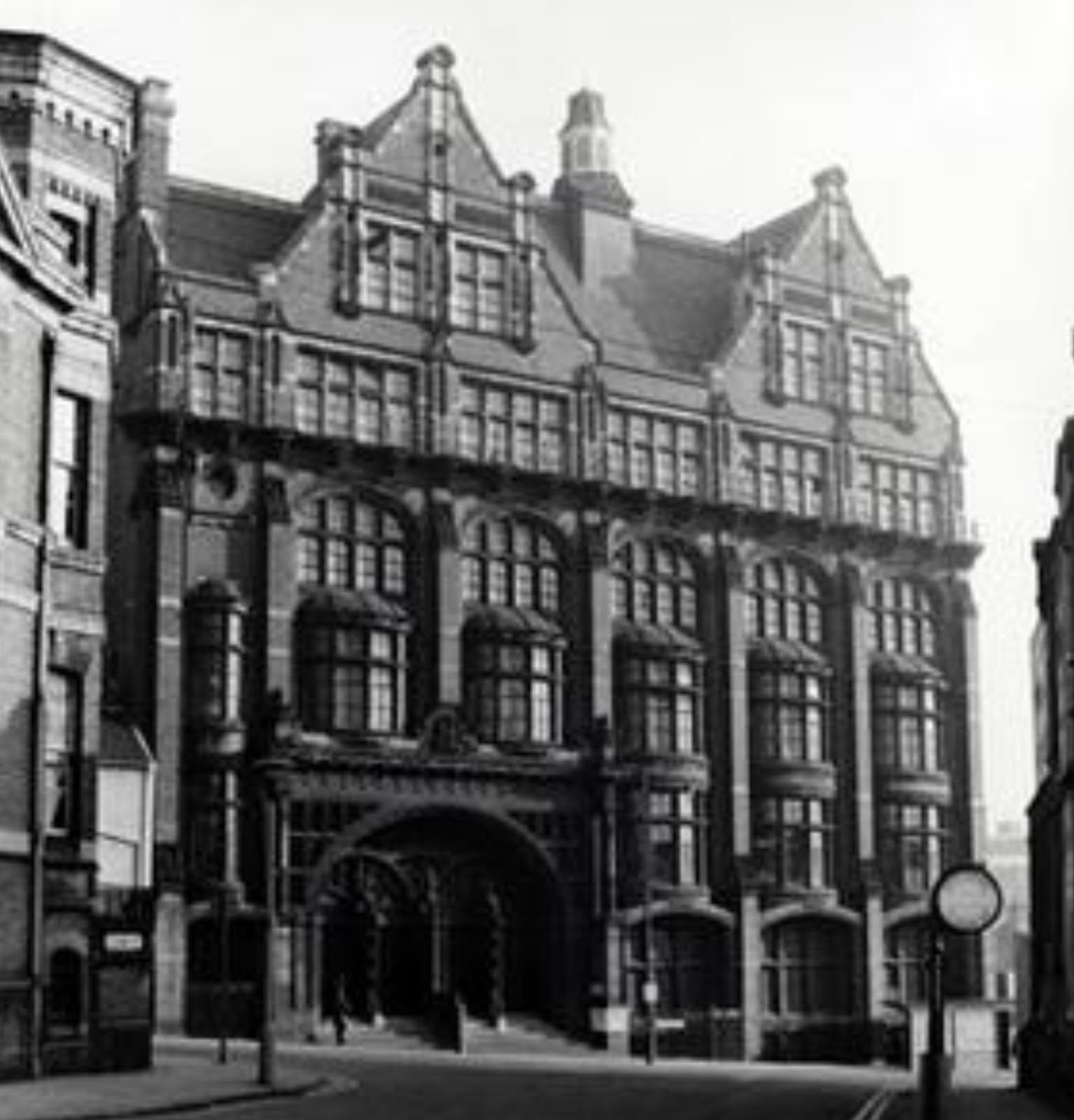
Birmingham played a crucial role in pharmaceutical education, particularly through Aston University. In 2023, Aston University celebrated 100 years of pharmacy teaching and research. The origins of its pharmacy program date back to 1919 when Birmingham’s Municipal Technical School offered free training for World War I veterans. By 1923, the program expanded to the general public, producing thousands of graduates and earning recognition as a leading pharmacy school.
To mark the centenary, Aston University organized an exhibition highlighting local researchers’ contributions to the field. Among them were Professor Malcolm Stevens, who developed temozolomide, a groundbreaking brain cancer drug, and Professor Cliff Bailey, whose work on metformin revolutionized diabetes treatment.
The Pharmaceutical Industry Today

Birmingham remains a hub for pharmaceutical innovation and entrepreneurship. In 2021, 27-year-old pharmacist Pranav Gupta purchased Ashworth Pharmacy in Smethwick, continuing the city’s tradition of excellence in the field. His wife, Krupali, a hospital pharmacist, joined the venture, bringing her expertise to the thriving community pharmacy.
The pandemic highlighted the vital role of pharmacies, as demand for services surged. Gupta’s pharmacy expanded its offerings to include ear piercing, COVID-19 booster shots, and pre-flight health testing. Positioned in a growing neighborhood near Birmingham’s Commonwealth Games facilities, the pharmacy exemplifies how the industry adapts to meet modern healthcare needs.