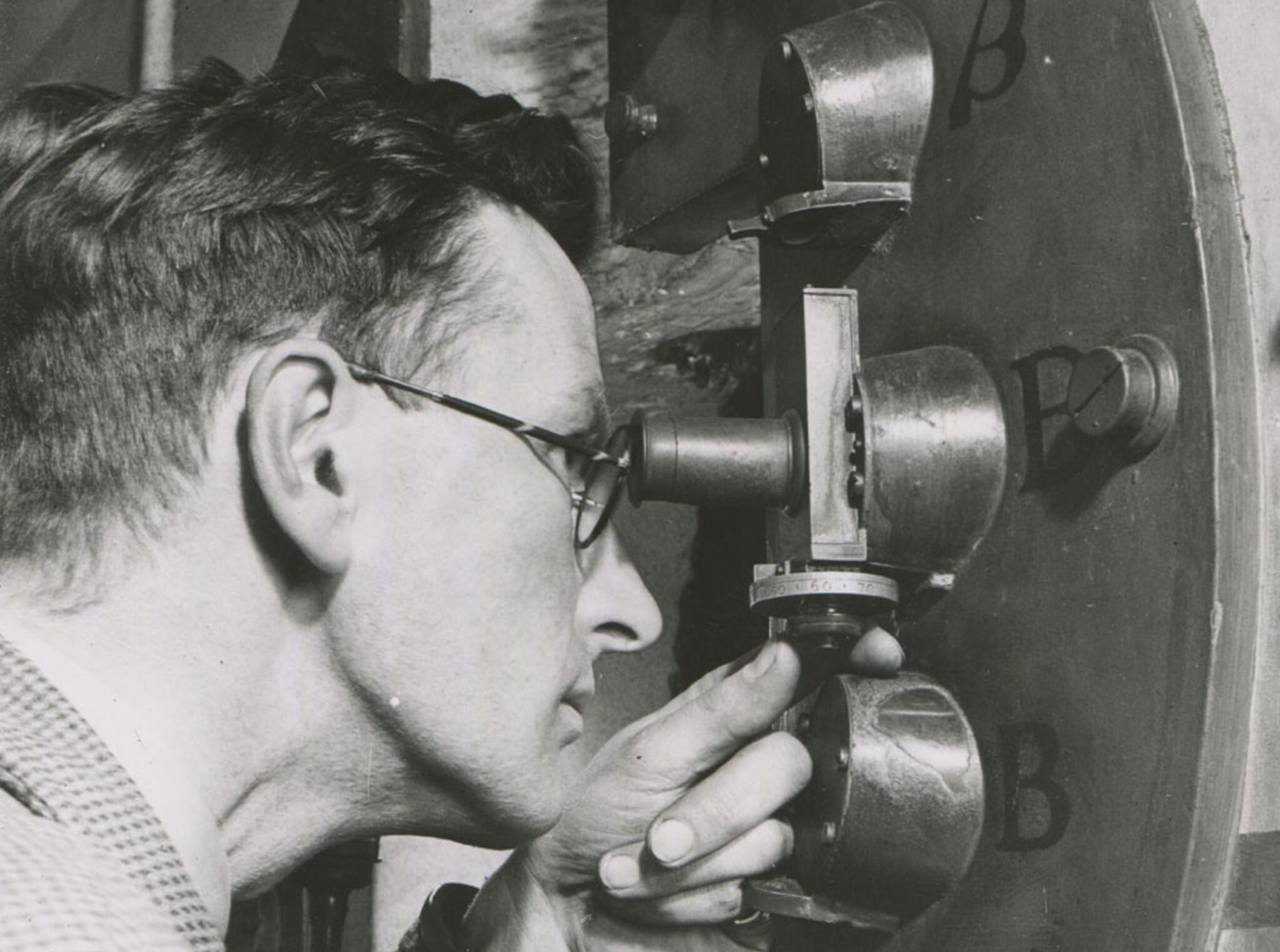

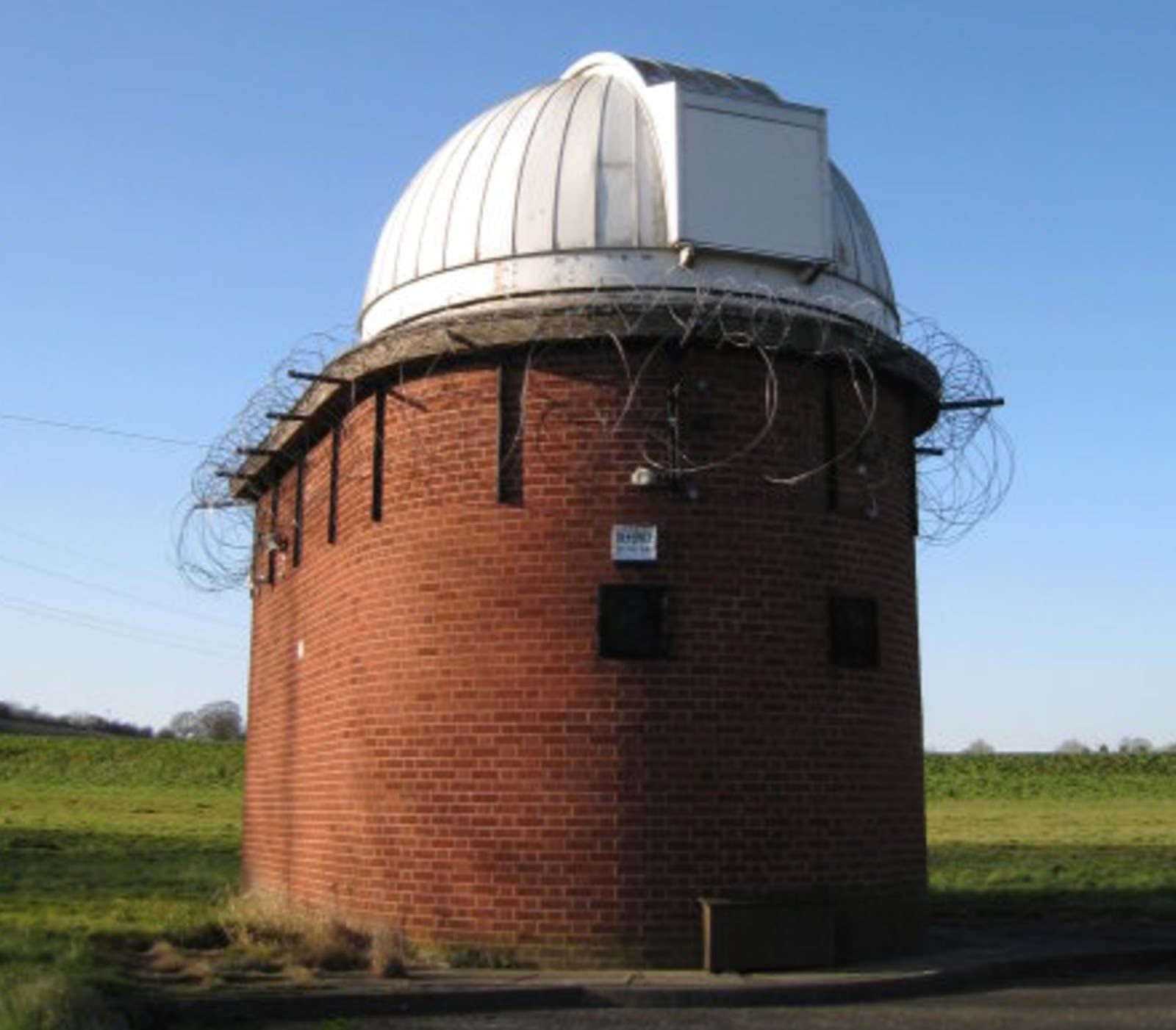
The University of Birmingham Observatory was founded in 1982 as a teaching laboratory for the undergraduate programme in Physics and Astrophysics. These subjects were provided by the School of Physics and Astronomy at the university. For comparison, the University of London Observatory was opened in 1929 as a part of the Physics and Astronomy Department as well.
The observatory of Matthew Boulton, a businessman and founder of the Lunar Society, was opened in Soho House, on the territory of his manufactory, in the 1770s. Thus, we can see that the Birmingham Observatory is quite young. However, the fact that the Astronomer Royal, Professor Francis Graham-Smith, came to open it speaks for itself. Learn more about the University of Birmingham Observatory at ibirmingham.info.
Plans for the observatory
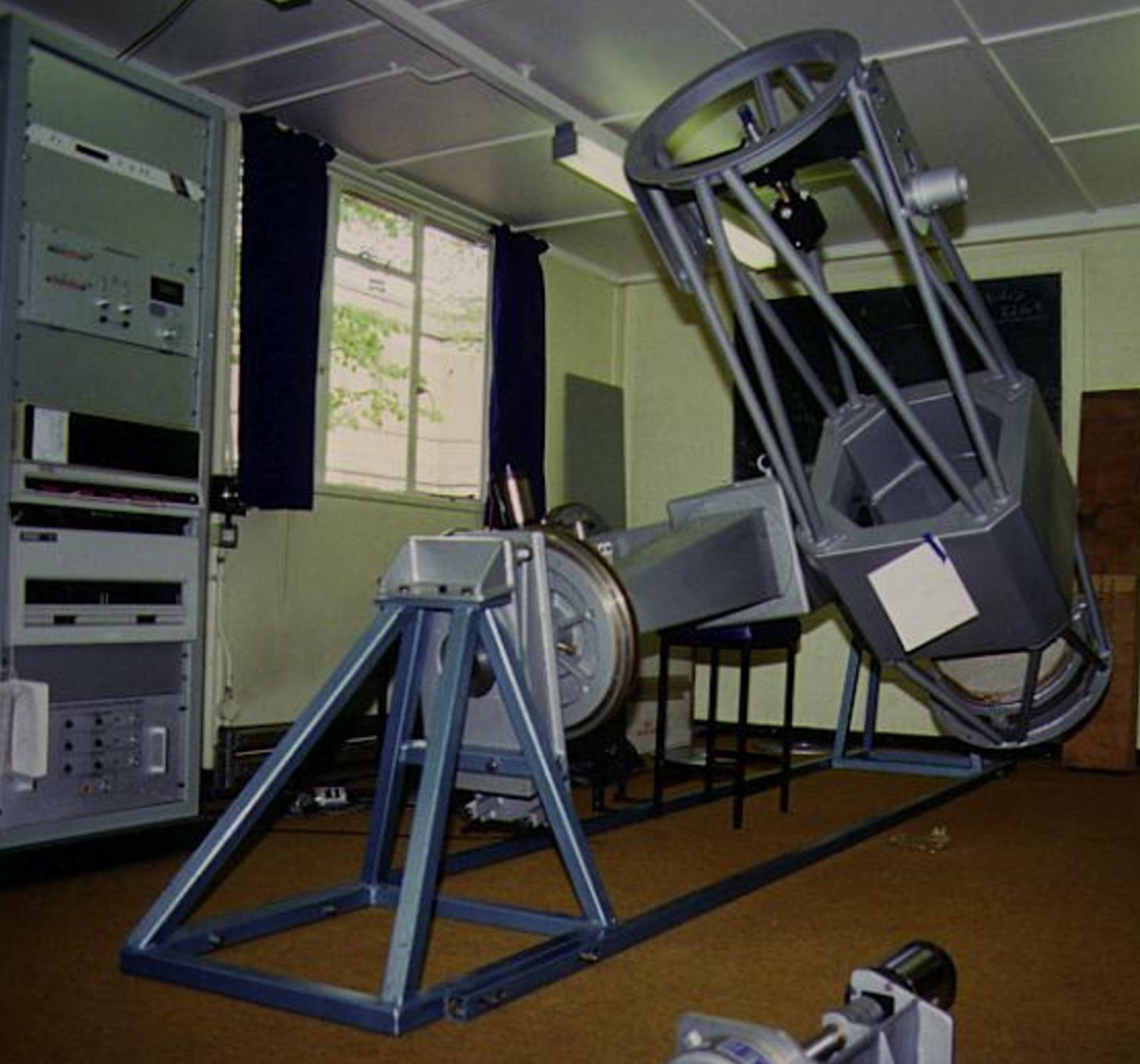
In 1979, the University of Birmingham decided to create a new Physics with Astrophysics undergraduate course. To a certain extent, it was a merger of the university’s Physics and Space Research Departments. The plan to build a student observatory was first voiced by Ken Elliott. He addressed the Space Research Group Committee with the proposal. Elliott was guided by pragmatism, as he wanted students to have access to a telescope for their own observations.
After the idea was considered and agreed upon, Dr Chris Eyles and his colleague Dr Ken Elliott turned to telescope manufacturers, in order to firstly get a price quote and secondly, to discuss the possible technical configurations of the telescope they would like to see in their new observatory.
In October 1980, the gentlemen received a price offer of £19,400, which suited them. Later, the University allocated a total of £30,000 for the construction of the observatory.
This money was to cover the costs of the telescope, drive electronics (designed by Dr Eyles) and the dome. All preparations were made against the backdrop of the approaching New Year holidays. So, in late December 1980, just a few days before the start of the New Year, Dr Elliott sent in an order for a telescope.
However, the plans for the observatory could stay unimplemented, as in January 1981, the university was informed about cuts in fundings. Against this background, the order for the telescope and the construction of the building were almost banned. Only the fact that the order was made before the university warned the group not to make any new large applications saved the project. Since the telescope had already been ordered, the plans for the observatory couldn’t be stopped.
Beginning of the construction

The scientists made measurements of the sky brightness from the roof of the School of Physics building and from the university’s playing fields at West Hill. Interestingly, the sky over West Hill was about 100 times darker than over the campus. It was taking place before the installation of floodlights for the campus hockey fields. Still, it was decided to build an observatory in West Hill.
When all the preparatory procedures were completed, the university made another application for more than £20,000 to begin construction of the observatory and it was accepted. In 1981, the observatory was designed, building permission was obtained and builders were selected.
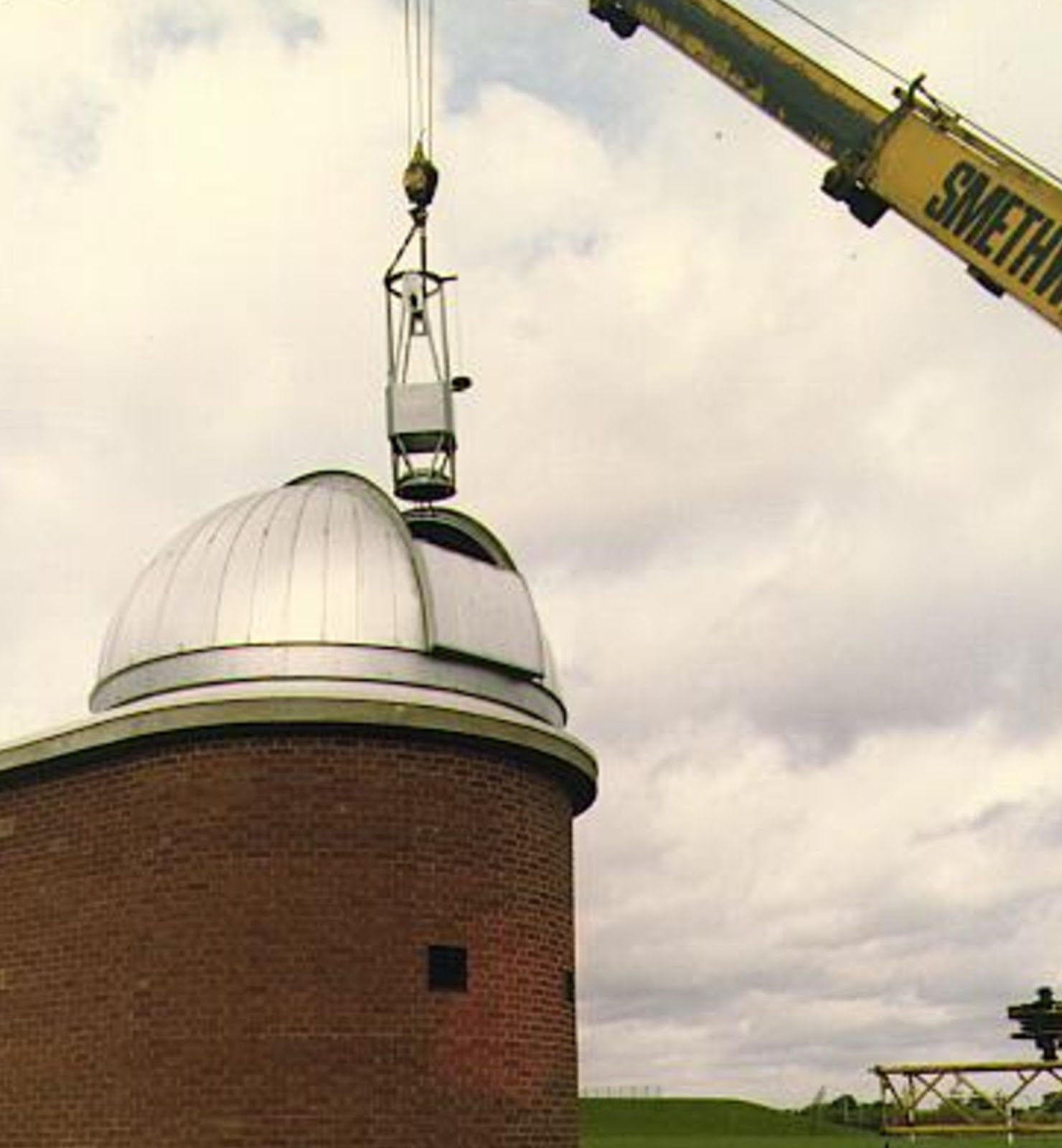
The project authors reported that since the telescope was to have an equatorial English installation with a polar axis aligned from north to south, the building in which it was to be located also had to be aligned and look strictly north. It was necessary to observe the movement of the Sun along the meridian.
The construction of a foundation began in January 1982 and soon the Ash Dome was built too. After everything was completed and the concrete supports for the telescope were cast, it was discovered that the building was off-centre north-south. Then the builders levelled the telescope’s concrete supports and fortunately, they managed to adjust them. It corrected the mistake they had made during construction and everything was set up correctly.
Difficult telescope installation
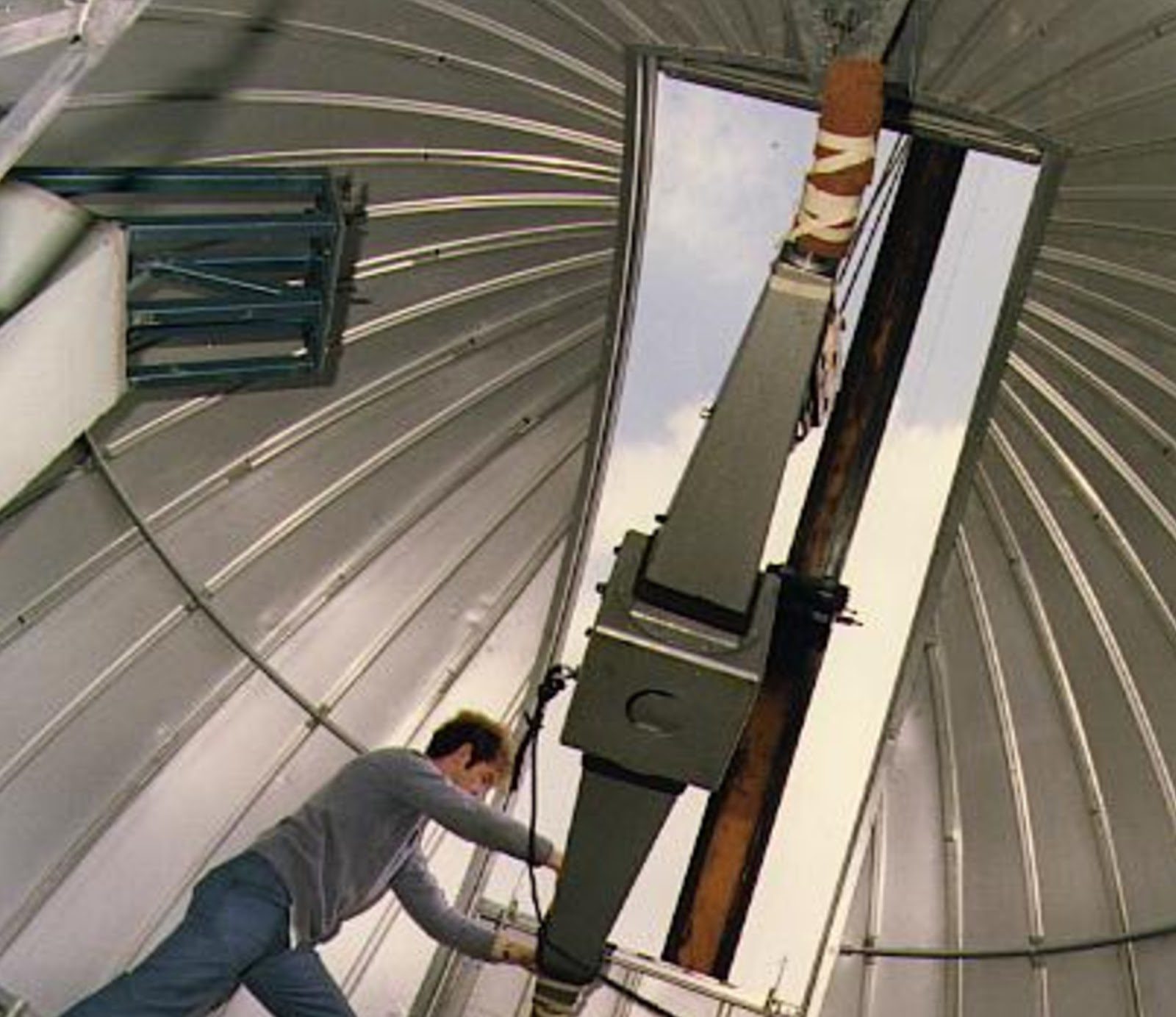
After the telescope was delivered to the University of Birmingham, it was tested in one of the premises outside the School of Physics building. In addition, a computer servo control system was also successfully tested at that time. Dr Ken Elliott and his colleague Patrick Wallace developed a programme to control the telescope.
Back then scientists used a DEC PDP 11 minicomputer, which had 24 kilobytes of memory. It started to rain while the telescope was hanging on the crane during its installation. Thus, the telescope was assembled during heavy rain on September 28, 1982.
In addition, they had to install the mirror and the cell. It happened a few days later, in November. The electricity appeared in the building only at the beginning of December. Still, the observatory setup didn’t end there.
It was necessary to connect the telescope to computer control. Meanwhile, the manual rotation of the RA flywheel was entrusted to two university students, Richard Saxton and Geoff Mellor. The telescope began to rotate and track under computer control on January 10. By the way, the Observatory Log was kept during all of that time.
Appling the Newtonian focus or a low-dispersion spectrograph, which used a grating in a convergent Cassegrain beam, the scientists obtained photographic observations. When all the settings were completed, the Astronomer Royal, Professor Francis Graham-Smith, officially opened the observatory on June 13, 1984.
A new primary mirror cell, support system, an enhanced capture camera and auxiliary optics for viewing the spectrograph slits and calibrating the spectral lamp were installed in 1986.
Modern upgrades
A CCD or charge-coupled device camera was also developed by Ken Elliott in 1987. The CCD was controlled by the BBC Master computer using code written by Rob Jeffries, a second-year student.
The spectrograph was also modified to have a triple-grating turret, allowing it to be used for a much wider variety of observations. The CCD camera was used as the detector for the spectrograph until February 1998.
In 2006, a slightly smaller, 14-inch Meade Schmidt-Cassegrain telescope was installed alongside the main 16-inch telescope. This telescope and the CCD camera were perfect for wide-field imaging and photometry. It allowed Prime Focus operations to be decommissioned.