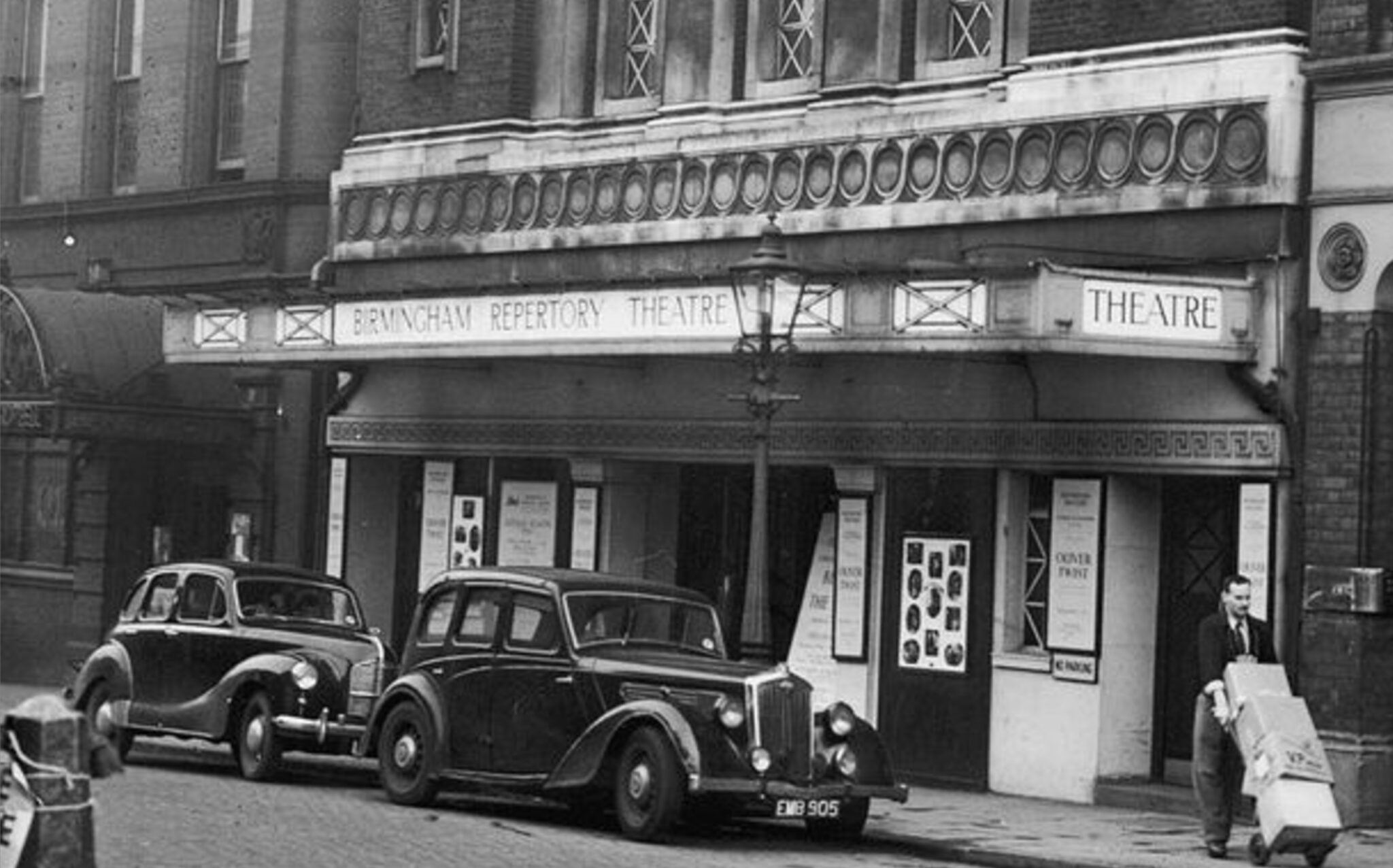

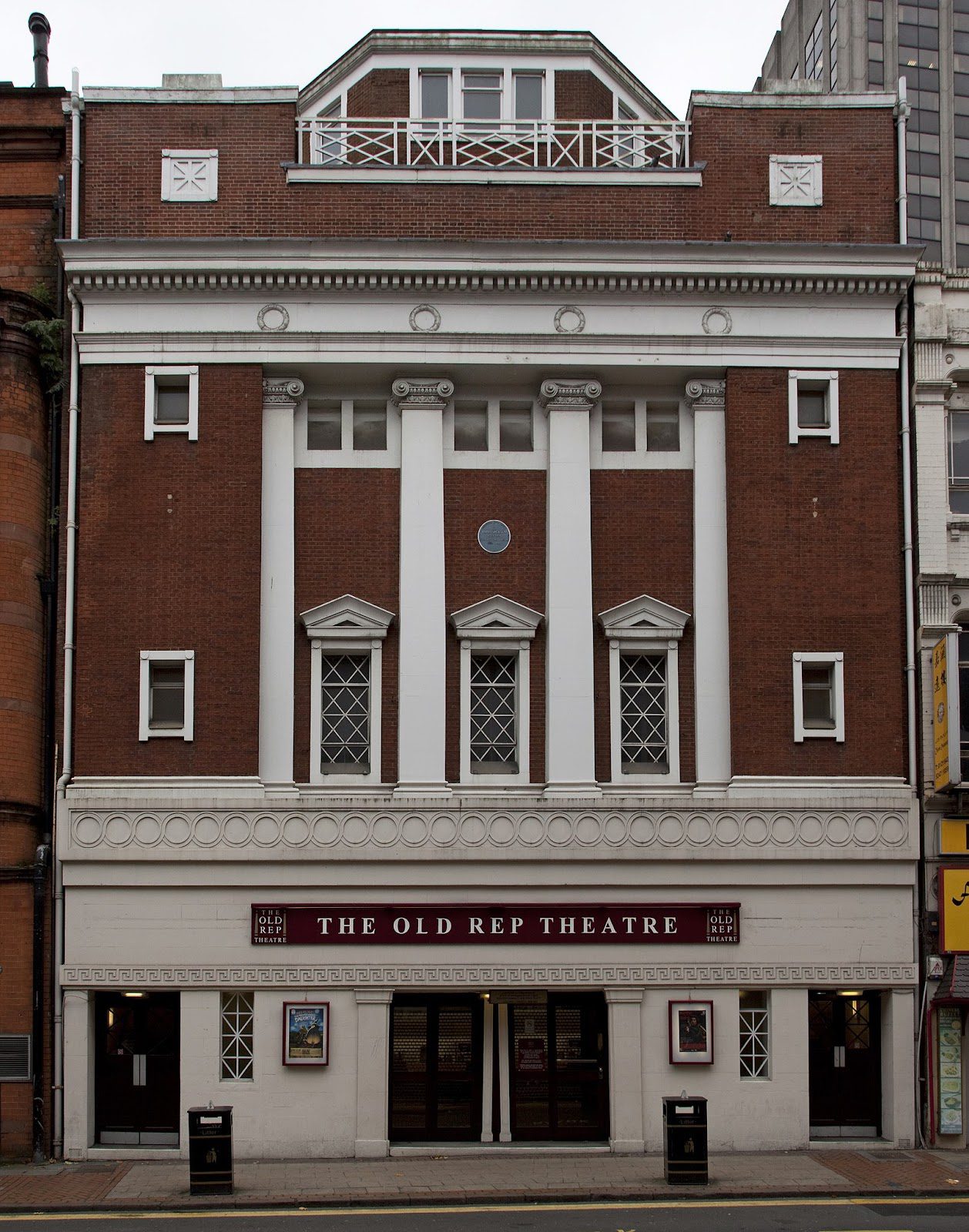
The Old Rep Theatre is a historically significant cultural institution, as it is the oldest purpose-built repertory theatre in the UK. It was opened with Twelfth Night on 13 February 1913. During its first year of continuous operation, with the exception of short summer breaks, the theatre developed a clear policy and made a significant contribution to the artistic perception of dramatic art in provincial towns. Learn more about the history and activity of the institution at ibirmingham.info.
Non-stop construction
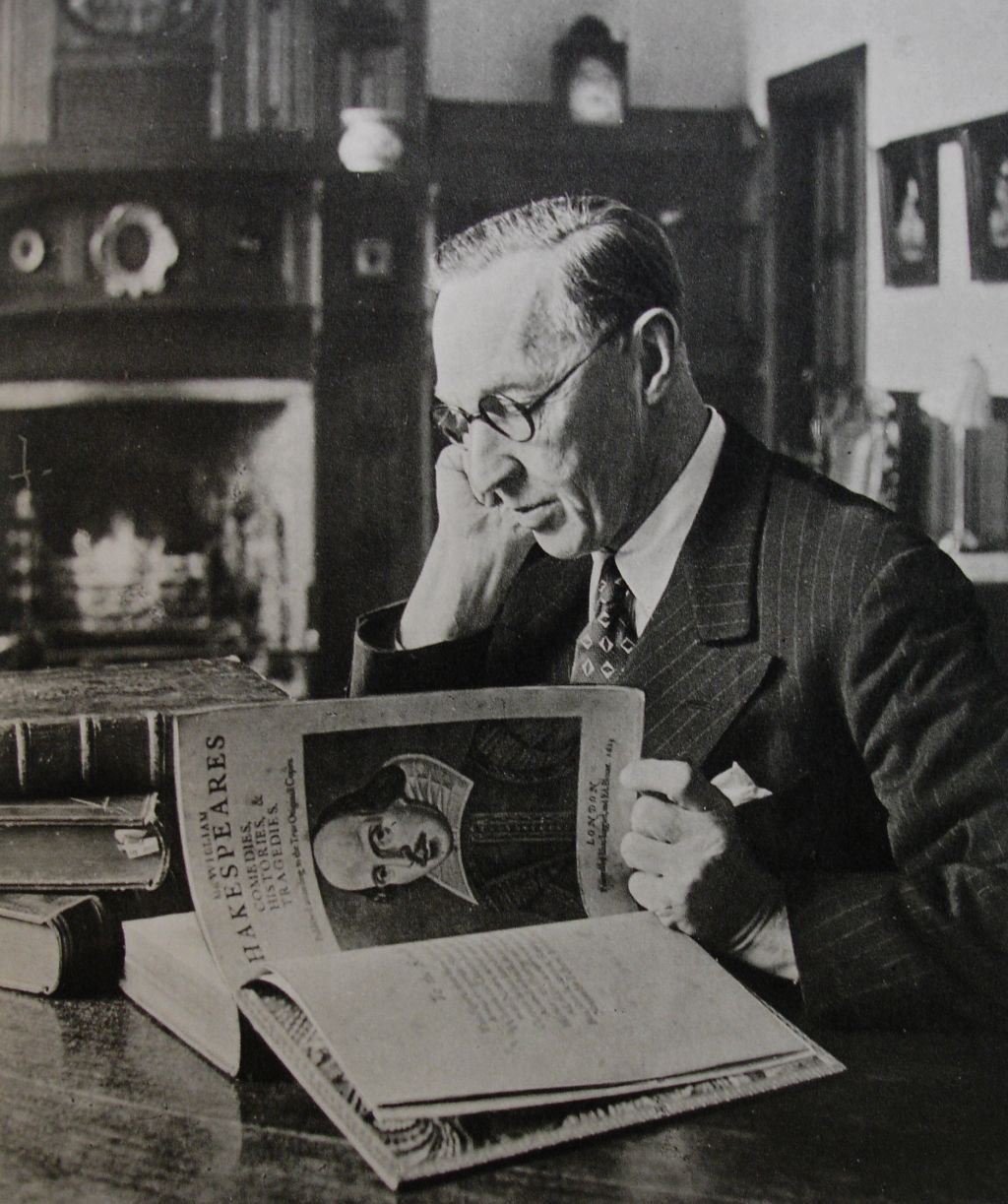
The founder of the theatre was Barry Jackson. Back in 1903, he acted and staged his plays in his house in Moseley. His plays became so popular that he decided to move to a larger venue in St Jude’s Mission Hall and in 1907 to the Edgbaston Assembly Rooms, an even larger building with offices, storerooms, etc.
As the audience increased significantly at the new locations, the actors began to receive salaries and the theatre began to change. Initially, it was called The Pilgrim Players, but over time and with the growth of popularity, the theatre was renamed the Birmingham Repertory Company. The construction of the first purpose-built repertory theatre in the UK began on Station Street in 1912.
Barry Jackson bought a small plot of land on Station Street, just between the Market Hotel, which had been built in 1883, and the C.F. Marlowes wine shop. At that time, this street was the main artery of the city. It led directly to the Market Hall and opposite it was the exit to New Street station. Jackson hired a local architect and his Birmingham School of Art colleague Samuel Cooke to design the theatre. In general, both of them were inspired by the democratic nature of the theatres they had visited in Germany.
Therefore, the design of The Old Rep was influenced by Max Littmann’s Munich Art Theatre, built in 1908. In addition, the theatre was connected to a set workshop on nearby Hinckley Street. The construction began in October 1912 and Barry Jackson financed it entirely. Barry wanted to build the theatre as quickly as possible, so he paid for continuous work, both day and night, even though it was winter.
The builders worked under floodlights. As a result, the theatre was built in four months. It still retains many of its Edwardian features, both inside and out, making it one of the best-preserved theatres of its type and one that, despite its age, is still used for its original purpose.
Twelfth Night by William Shakespeare
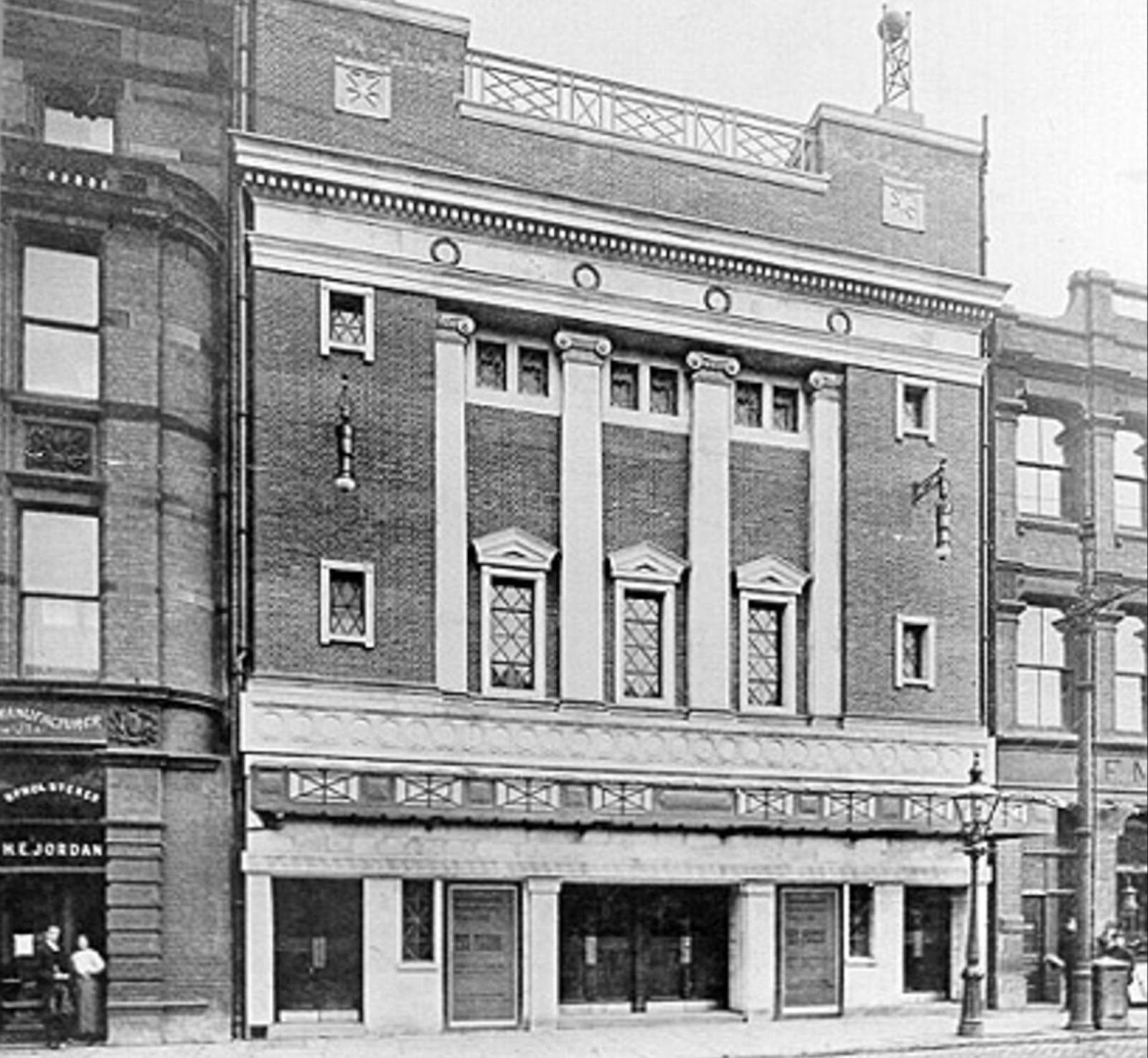
The theatre eventually opened on 15 February 1913 with the Twelfth Night performance by William Shakespeare, preceded by Barry Jackson’s reading of the poem The Mighty Line written by resident playwright John Drinkwater. It was the beginning of more than a century of Birmingham’s most famous theatre history. Barry Jackson always promoted his vision of theatre’s role in serving the arts rather than transforming it into a commercial enterprise. The theatre staged both classic and new plays, giving a chance to local talents.
At the beginning of the last century, most of the theatre seasons in the UK, whether in London or in provincial towns, were devoted to realistic drama and naturalism, which was also popular in the novels of the late 19th century. However, Birmingham was leaning more towards poetic drama, which was less popular at the time, though, according to many critics, had a more permanent significance.
The theatre quickly became one of the most famous and exciting ones not only in Birmingham but in the whole country. Its repertory included something unusual, new and interesting, ranging from Shakespearian innovative costumes, Greek and medieval morality plays to modern experimental drama. The Old Rep also staged many world premieres, including George Bernard Shaw’s epic Back to Methuselah in 1923.
In 1914, almost a year after the institution opened, World War I broke out and the theatre became a refuge for people during those dark days. In 1915, the theatre personnel who were unable to join the military worked together on Sundays, making shells at the local aluminium factory.
Step towards gender equality
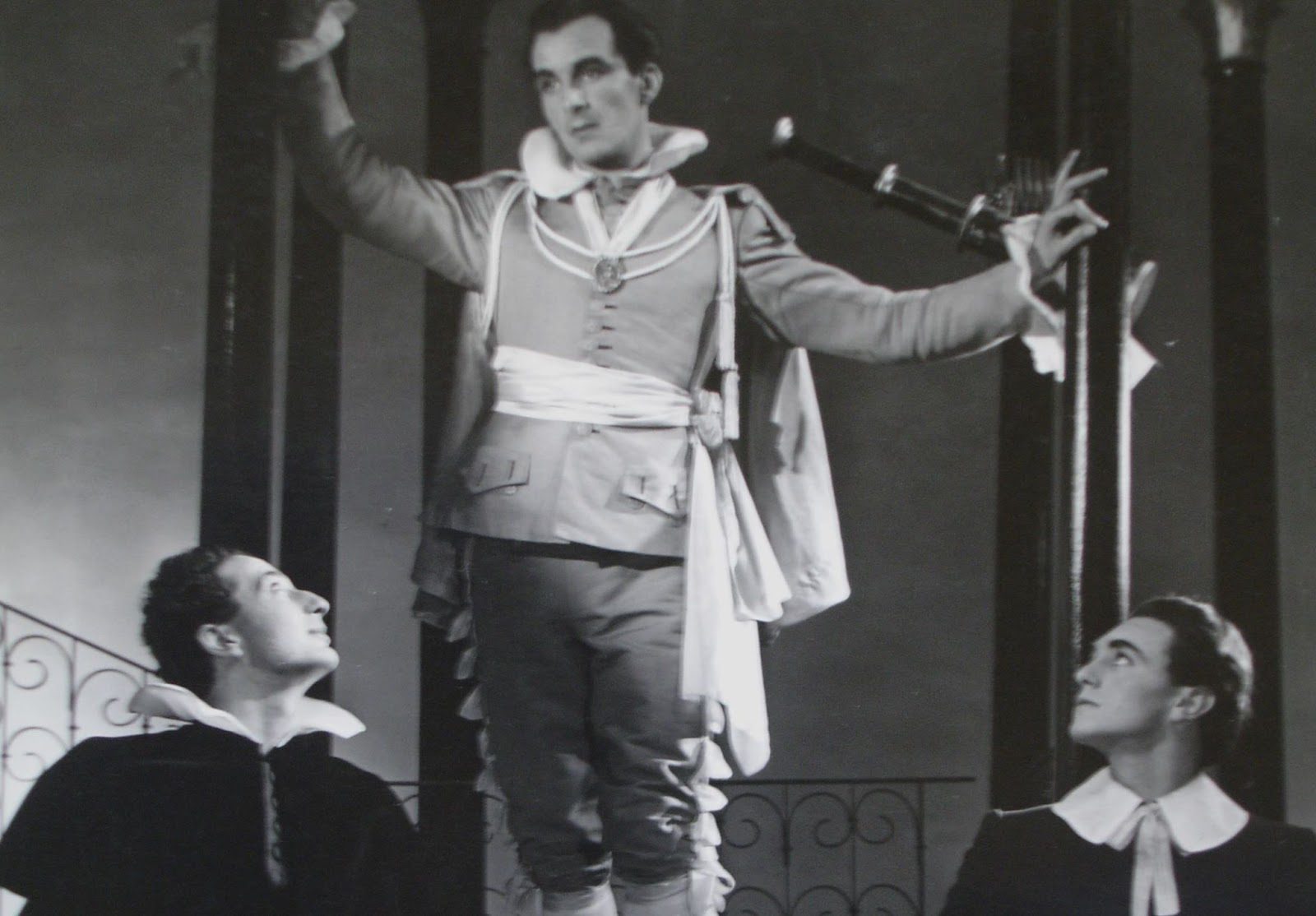
In 1917, the Birmingham Repertory Theatre became the first British theatre to appoint a female stage manager. She was Maud Gill. Some people said that it was a bad idea to appoint a woman as a head because male workers wouldn’t follow her instructions. However, Maud Gill had her own opinion. She thought that mothers have always taken care of households, husbands and sons. So, she decided to try that approach with workers and it turned out to be successful.
Of course, there were troubles as well. Thus, in 1921, a fire broke out inside the theatre, damaging the front curtain and the scenery. However, everything was fixed by the next morning and work continued, despite the damage from the fire.
For many years, Barry Jackson tried to stick to his vision and principles, that was, the service to arts. However, he fell in despair when only four spectators came to a performance of Georg Kaiser’s play Gas. Barry was thinking of closing the theatre at the end of the 1923-1924 season. Perhaps, he would have done so, but 4,000 subscribers agreed to extend their subscriptions for the next season.
It allowed Barry Jackson not only to continue the theatre operation, but also to remain its artistic director. He performed his duties until 1935, when he transferred ownership to the board of trustees. Although it freed Jackson from financial responsibility for the company, he retained full control over its creative activity until his death in 1961.
Youth-oriented theatre
There is no doubt that Barry Jackson is the man who has made the theatre what it is today. His awards speak for themselves. In 1923, Barry Jackson received the Gold Medal of the Birmingham Civic Society and was knighted for his services to theatre in 1925. Sir Barry Jackson’s significant role in Birmingham’s arts scene was recognised again in 1955 when he received the Freedom of the City Award, an honour bestowed on distinguished members of the community for their special services.
The theatre now describes itself as a youth-oriented place, presenting a year-round programme of dance, comedy, musicals and creative workshops. In 2016, the company won the What’s On Reader Awards for Best Small Theatre in Birmingham.