

Today, skiing is considered one of the most attractive winter sports in the world. Or, more precisely, in those countries where it is possible to ski, i.e. where there is snow. However, in the beginning, skiing was not purely a sport. It was once a means of survival, arising from the need to move through deep snow in the northern regions of Europe.
The first archaeological traces of skis date back several millennia, particularly in Scandinavian regions, where indigenous peoples used long wooden boards for walking and hunting in winter. What was at that time merely a means of transportation has, over the centuries, become a cultural, social and, finally, sporting practice. Read about how cross-country skiing came to the UK and, in particular, to Birmingham, and how popular it is here at ibirmingham.info.
The origins of skiing and the first traces in Europe
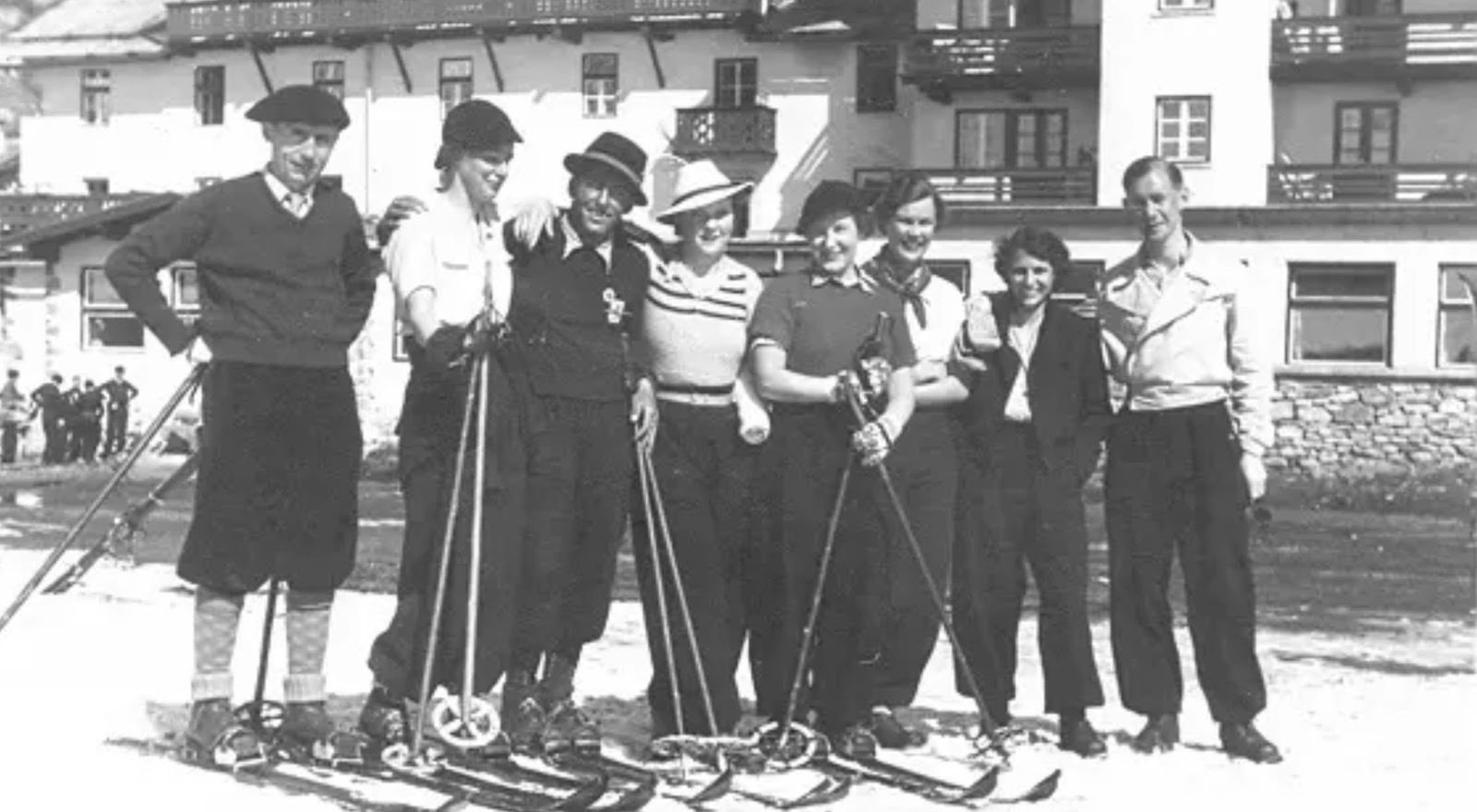
The history of skiing in Great Britain is a story of creative adaptation. Unlike France, Switzerland or Austria, England does not have mountain ranges high enough and snowy enough to allow regular skiing sport in natural conditions. The temperate oceanic climate does not guarantee sufficient and long-lasting snow cover for slopes several kilometres long.
Nevertheless, skiing made its way to England. It did not happen as rapidly as in the Alpine countries, where the gradual transition to skiing as a sport accelerated as early as the 19th century. This is natural because where the mountains are covered with snow for most of the year, skiing was bound to become a recreational and competitive winter pastime, and later a type of competition. Clubs began to form, and already in the first decades of the 20th century, competitions, and rallies brought together enthusiasts from all over Europe.
As for the English, despite the unfavourable climate and landscape — the absence of frost, snow, and mountains — they did not lose heart. At the beginning of the 20th century, active skiing enthusiasts travelled to the Alps, took part in international competitions and formed clubs that promoted skiing sports whenever possible.
In 1903, the Ski Club of Great Britain was founded, marking the official entry of the British into the world of skiing, although this may have seemed rather paradoxical, given that the country had no mountains suitable for traditional alpine skiing.
A breakthrough came after World War II. At that time, the need for a local solution became really apparent. British skiers were looking for ways to train all year round, even without snow. This is how the idea of “dry ski slopes” came about, and these slopes were literally “dry”.
Synthetic tracks in Birmingham
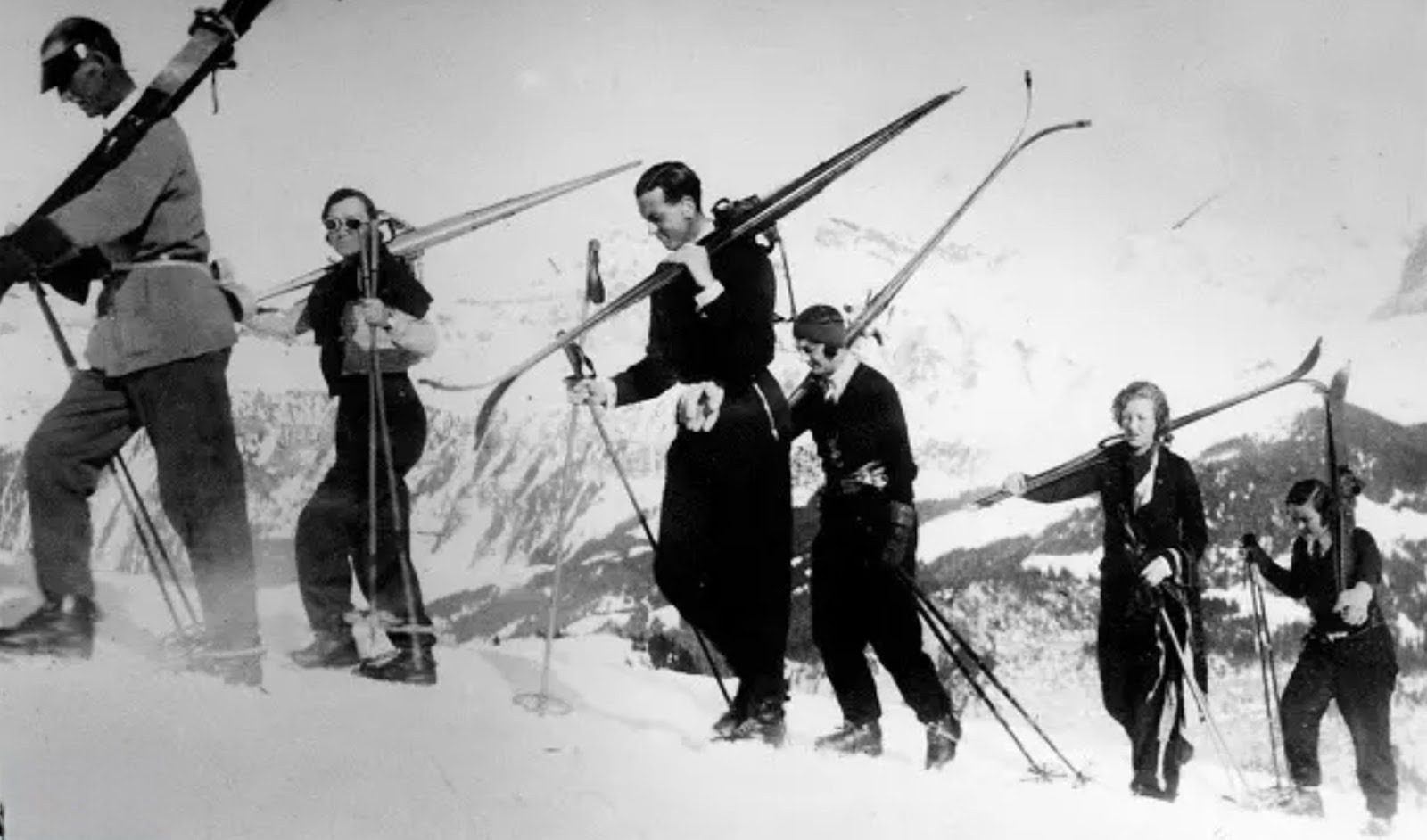
These slopes used and continue to use synthetic materials designed to simulate skiing on snow. The first projects appeared as early as the 1960s, allowing Britons to ski on artificial surfaces. The creation of these facilities was a real innovation: it opened up the opportunity to learn without travelling abroad and to train regularly for those who wanted to improve their technique.
The invention of dry tracks was the result of sporting creativity and adaptation to climatic conditions. One of the first permanent dry slopes in Great Britain opened in the 1960s. It used rough synthetic surfaces that allowed skis and snowboards to slide in a controlled manner.
Such surfaces, often made of special synthetic fibres, are sometimes moistened to improve gliding and imitate the behaviour of snow as closely as possible. Therefore, they allow you not only to learn the basics of skiing, but also to practise complex techniques — from turns to jumps, from controlled stops to high-speed descents.
Dry slopes quickly gained popularity in urban or less snowy areas, transforming previously unused slopes into playgrounds for beginner skiers. Over the decades, such facilities spread throughout the country. They became meeting places for children, families, school clubs and adults who wanted to stay fit during the winter. For many, a session on a dry slope became a convenient alternative to weekends at remote ski resorts.
At first glance, Birmingham has never been a place where one would expect to find skiing enthusiasts. This large industrial city in the centre of England, located far from the Alpine peaks, may seem far removed from any notion of winter sports. However, it is here that the passion for skiing has found its local innovative expression thanks to public facilities, clubs, and enthusiasts of this sport.
One such facility that allows Birmingham residents to enjoy skiing is the Ackers Adventure Centre. Opened in 1985, the centre offers dry ski slopes, while the nearby Tamworth SnowDome, which opened in 1994, became the first indoor ski slope in the UK with real snow, helping to develop local talent.
Ski clubs in Birmingham
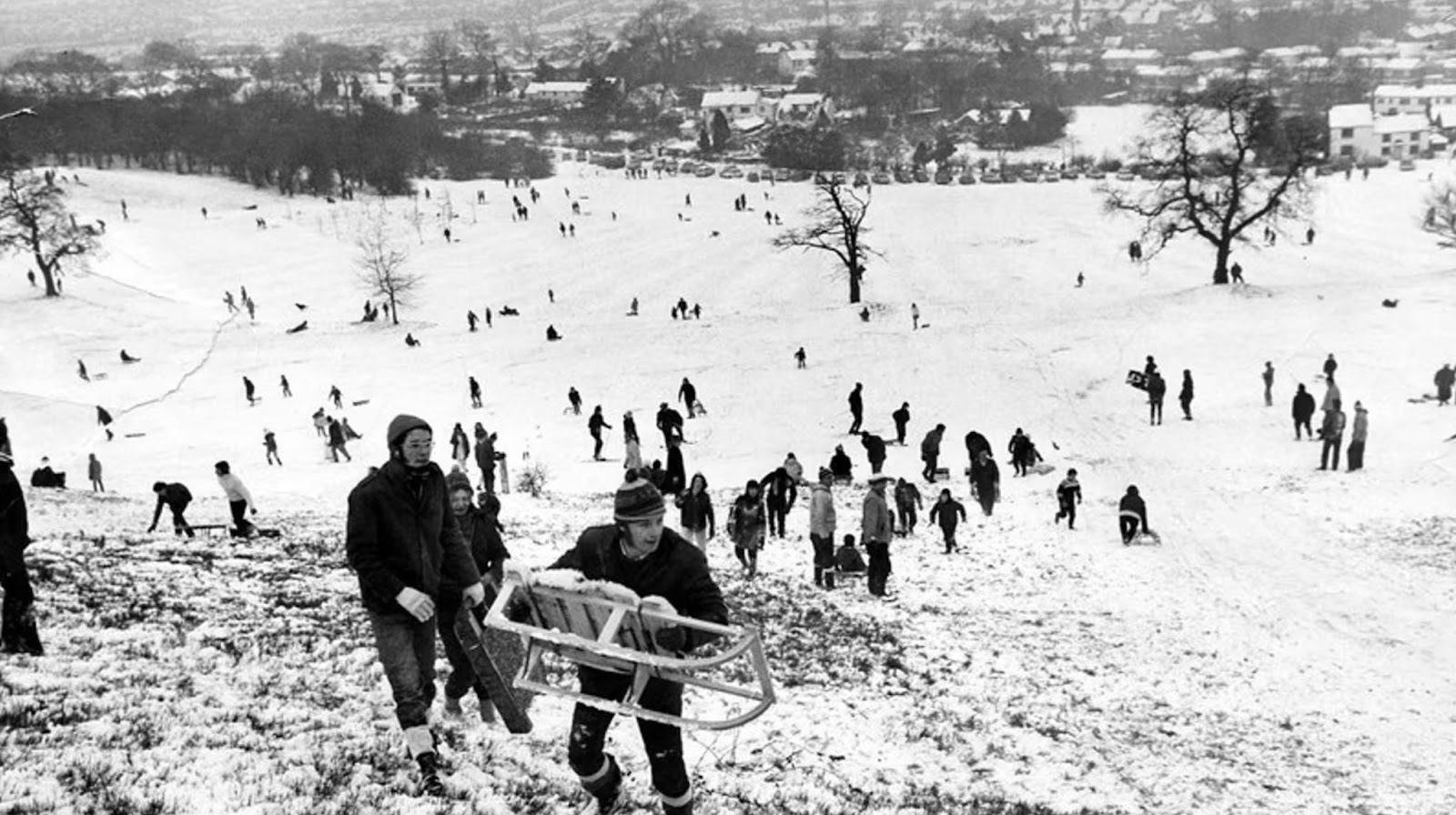
Ackers is not just a sports complex, but a meeting place for active leisure enthusiasts in Birmingham. Among the numerous types of active leisure activities are rock climbing, archery, mountain biking and kayaking, there are dry ski and snowboard slopes where people of all skill levels can discover this sport for themselves or improve their technique.
For Birmingham residents, these slopes are not just a substitute for the snow that is lacking here, but a social and educational space where families, groups of friends and school classes gather to learn, improve their skills or simply have fun. The courses on offer range from beginner to more advanced levels, and the instructors promise to teach even those who have never skied before.
In addition, the spirit of skiing in Birmingham and the surrounding area is supported by specially organised clubs. Associations such as the Midland Ski Club bring together skiers of all ages and professions around a common goal: to ski all year round, improve together and share a common passion.
These clubs are not limited to organising training sessions on dry tracks. They also plan trips to snowy resorts, technical seminars, physical training sessions and friendly competitions. They play a key role in creating a sustainable community around skiing, even in environments where there is no natural snow.
There are also student societies and informal groups that take full advantage of local opportunities. In university cities such as Birmingham, these groups become hubs for cultural and sporting exchanges, combining urban sports such as skiing with trips to the European mountains.
When passion for skiing overcomes limitations
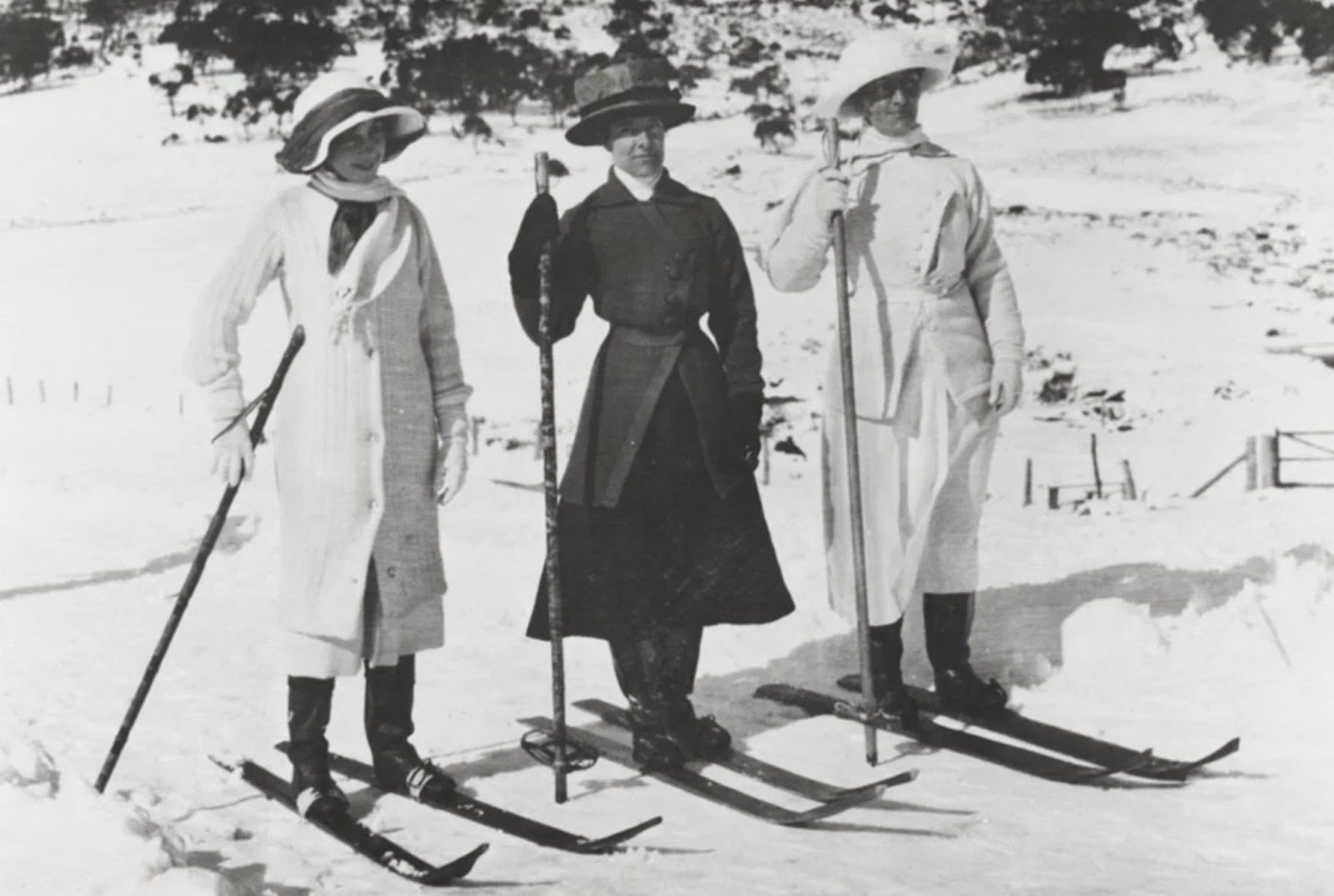
The history of skiing in Europe is a story of a friendly invention that originated in the snow-covered forests of the North and became an international sport thanks to the Alps. Then it was adapted by the British through resourceful and collective decisions. Birmingham, where there are no mountains or permanent snow, perfectly illustrates how some of our passions can be reimagined.
With dry slopes, active clubs and a vibrant sporting culture, the people of Birmingham and the surrounding regions prove that a love of skiing doesn’t depend solely on the landscape: it depends on creativity, community, and a desire to ski and learn.
Sources:
- https://www.skimachine.com/the-history-of-skiing-in-the-uk/
- https://billdargue.jimdofree.com/placenames-gazetteer-a-to-y/places-a/the-ackers/
- https://www.birminghammail.co.uk/special-features/ski-like-king-winter-top-25369425
- https://www.birminghammail.co.uk/news/midlands-news/spoke-people-removing-union-flags-33382465?int_source=nba