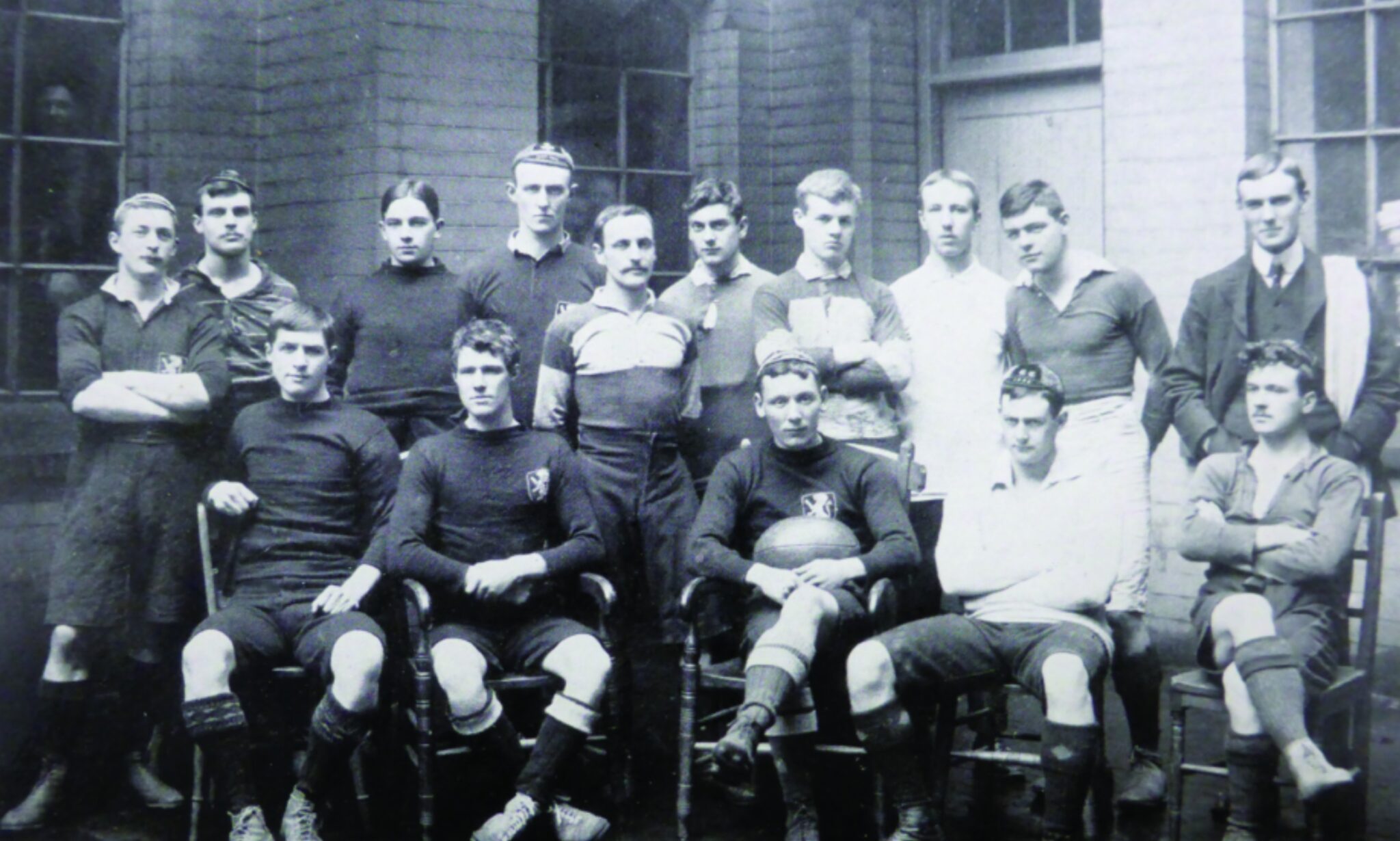

The West Midlands is obsessed with sport.11 It is perhaps why so many sports were born here, or have been significantly developed and improved upon. For example, lawn tennis was first played in Birmingham, just as modern rugby was first played in Warwickshire. And the football league as it is now was also invented, or rather developed, in Aston. It’s no coincidence that local football teams, of which there are at least half a dozen, are so closely followed and passionately supported.
And then there are the cricket fans who enjoy spending time at the legendary Edgbaston Stadium in Birmingham, watching county, one-day, Test or international cricket matches.
And why did this region become the home of the British Professional Golfers’ Association? It is in the West Midlands that you can see the best international athletics competitions, including the Diamond League, the World Snooker Championships, international badminton, professional boxing, horse racing, etc. It all adds up to the fact that any kind of sport that is attended by spectators can be seen in Birmingham and the West Midlands. Read more about the development of sport in Birmingham at ibirmingham.info.
The West Midlands prototype of the modern Olympics
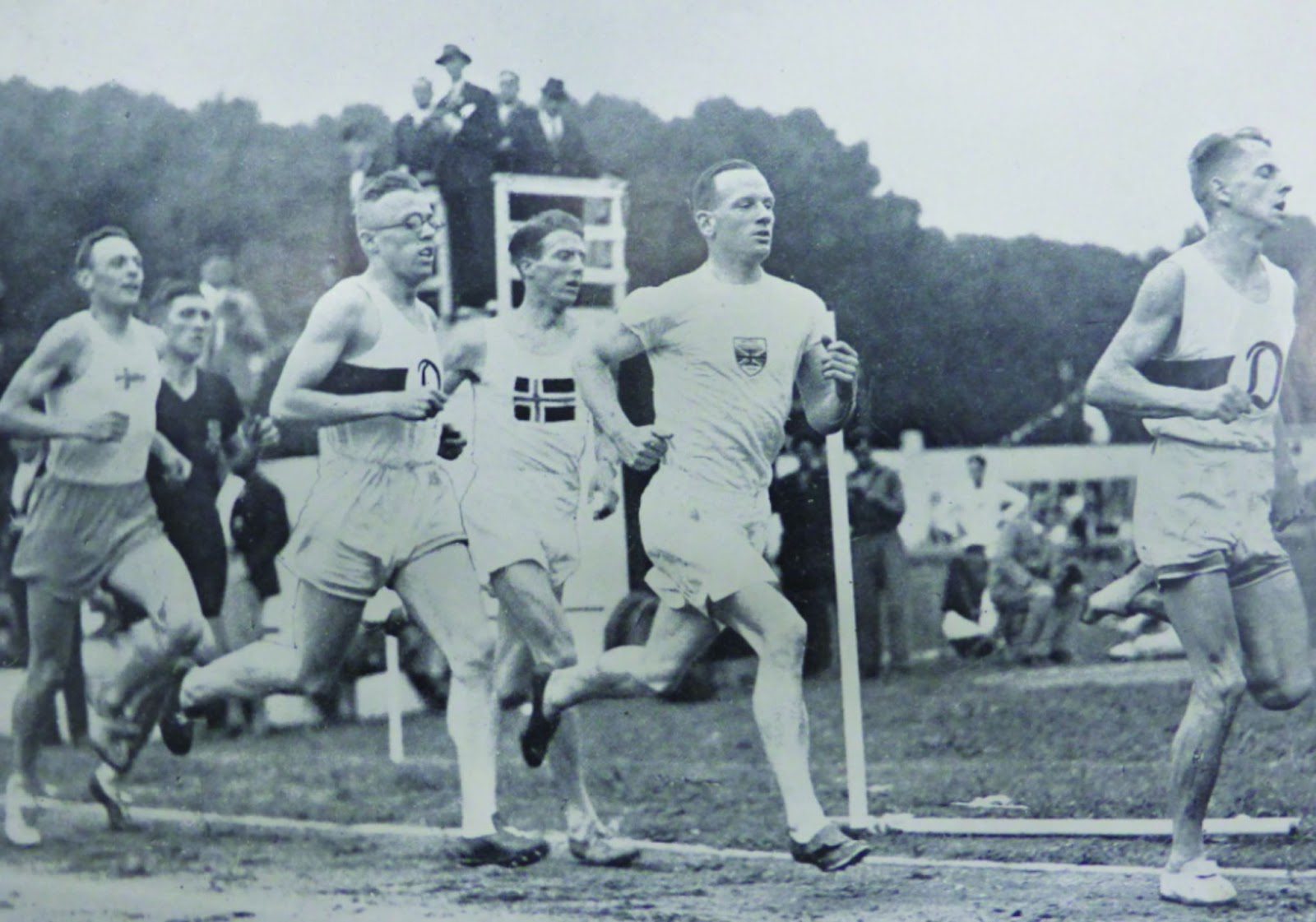
The UK plays a significant role in the organisation of modern sport. <And perhaps one of the country’s most important contributions to the development of world sport is the Much Wenlock Olympics, founded by Dr William Penny Brooks and the people of this town in Shropshire. As you know, they were first held in 1850. It was this event that inspired Baron Pierre de Coubertin when he took up the revival of the Olympics and in 1894 created the International Olympic Committee.
It all began when the Frenchman visited the town of Mach Wenlock. There, at Brooks’ invitation, he became a spectator of those Games, which were invented and designed to promote physical improvement, along with the intellectual development of the individual, through sports activities and competitions. It was after this visit that Coubertin began to call on the world community to hold international Olympic Games.
It should be noted that Dr Brooks had envisaged such a development for his games as well, but it happened as it did. It is an indisputable fact that Brookes was not only a central figure in the Much Wenlock sports movement, but also played an important role in the formation of the National British Olympic Association, which organised the games in the 1860s. One of which, incidentally, was also held in Birmingham in 1903. 1867.
The “Olympic class” was created at a time when the industrialisation of Britain left the population of the country with no time or space for proper rest and recuperation. This, in turn, had a negative impact on people’s health and well-being. Therefore, the purpose of these Games was to encourage outdoor activities for the working class.
The original philosophy of providing physical and intellectual improvement continues to this day. While the Much Wenlock Olympics have attracted many high-profile international athletes, the organisation remains focused on encouraging physical activity for leisure.
Impact on professional sport
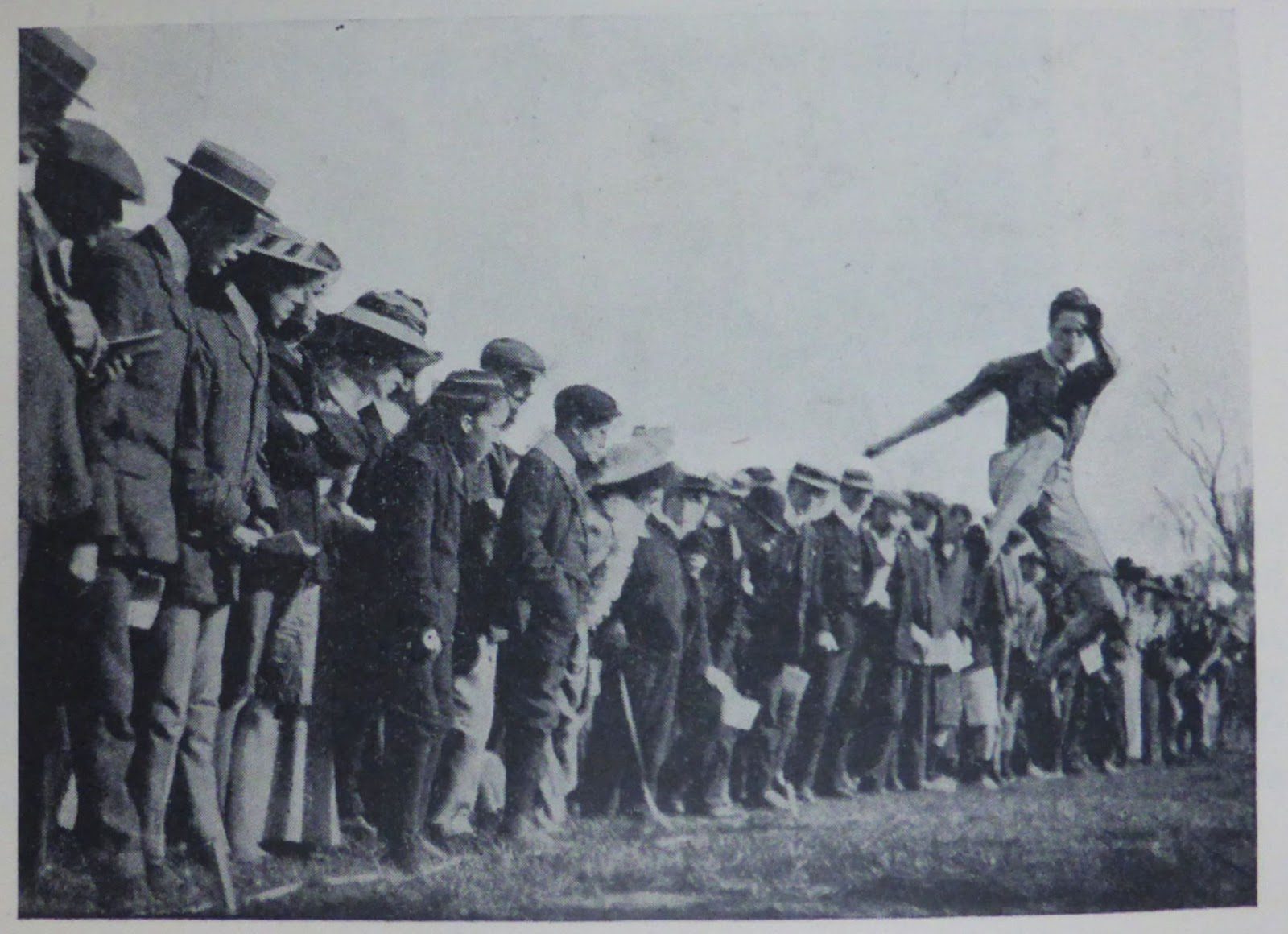
The Midlands and its athletes and sports officials have also made a significant contribution to the organisation of elite sport, in particular through innovations in its organisation. For example, in 1888, William McGregor of Aston Villa Football Club in Birmingham founded the Football League, the first of its kind in the world. It brought together professional football clubs from the Midlands and the North and West of England to play in an official league with home and away games.
In the same year, the Birmingham and District Cricket League was created, which also became the first of its kind in cricket. Its success led to the creation of the first official “County Championship” in 1890.
Yet despite the important contribution that the Midlands has made to the history and development of sport, it has received little attention from academic sport historians. While there has been fruitful research into how sport has contributed to a distinct sense of Northern identity, other regional identities, such as the Midlands, East Anglia and North Wales, could be more thoroughly explored.
Student sport
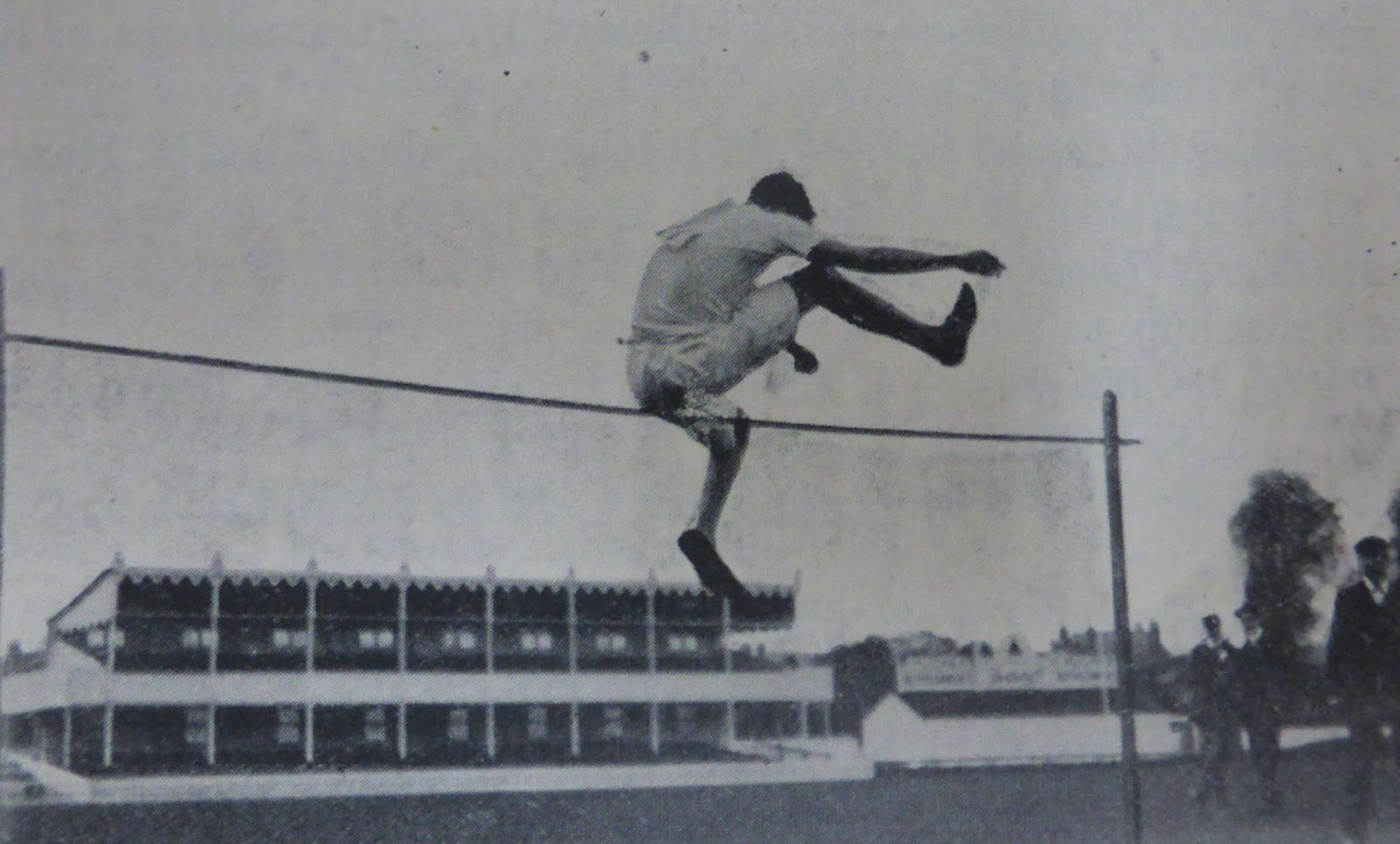
Another important aspect for the development of sport in the Midlands and Birmingham has been and continues to be student sport. For example, sport has always been a focus at the University of Birmingham since its foundation. It has shaped student life and strengthened the community. Between 1900 and 1918, key figures and important events laid the foundation for the proud sporting tradition of this university, and by extension, the city.
It all started when Joseph Chamberlain appointed Sir Oliver Lodge as the first Principal of the University. With this appointment, he brought not only academic leadership to the university – Lodge was a passionate supporter of sport. His vision was clear: to develop well-rounded students, sport had to become an integral part of their life and education.
So Oliver Lodge did not hesitate to get down to business. In 1900, the University of Birmingham Athletic Club was founded. Despite its name, this organisation provided students with the opportunity and capacity to engage in a variety of sports.25 26) These included both playing and team sports, as well as individual sports. Students of the University of Birmingham could devote themselves to rugby, football, men’s and women’s hockey, cricket, tennis and cycling. Once again, the university’s leadership did not stop there.
As the enthusiasm and desire to engage with the port grew, additional sports such as swimming, golf, wrestling and fencing were introduced. All of these activities have made the University of Birmingham Athletic Club a centre for sports development. Accordingly, recognising the value and importance of sport, the university began to create a sports infrastructure.
Long-term impact
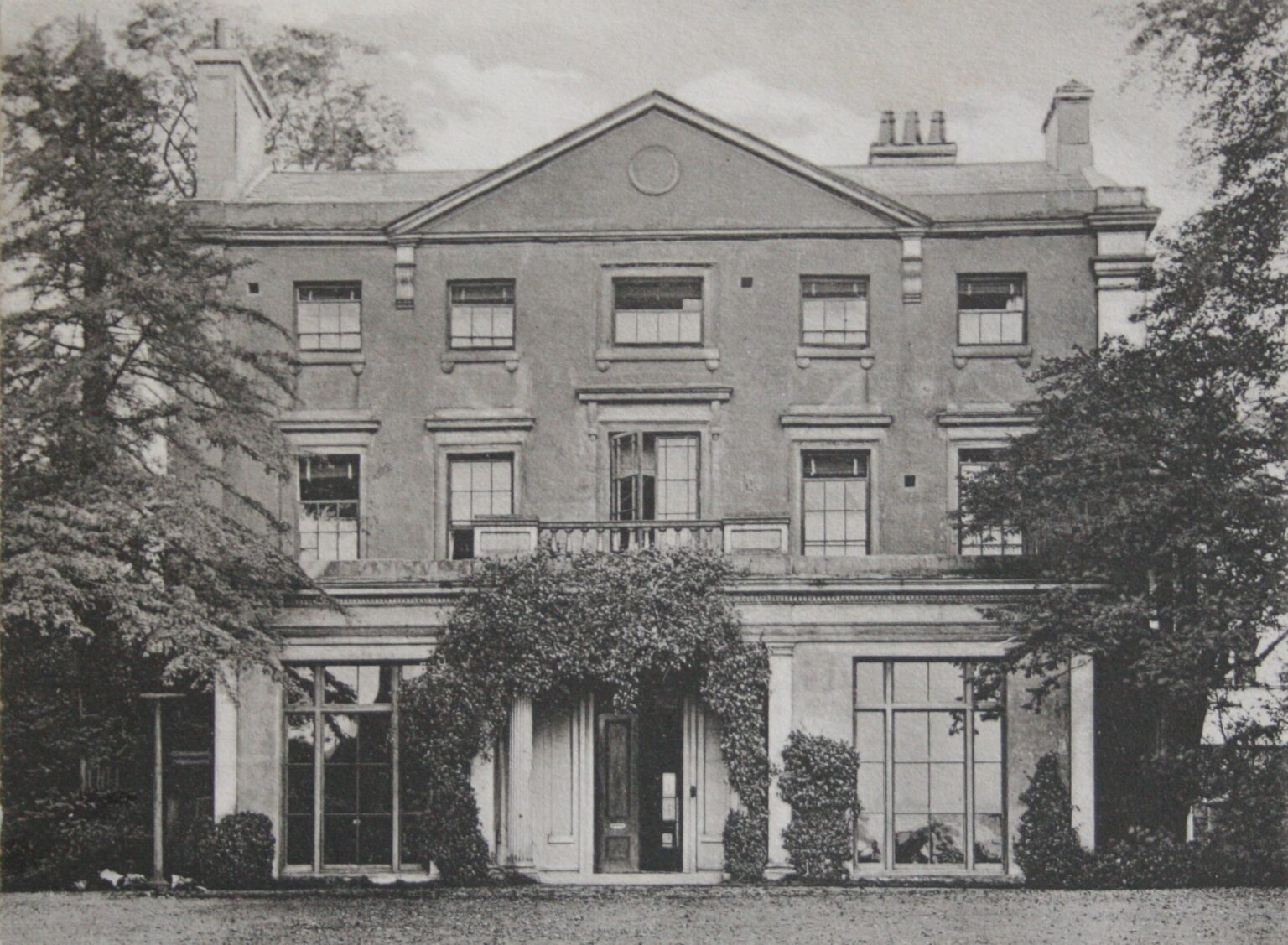
Already in 1904, four courts were opened for students. Three years later, in 1907, at the expense of a donation from Lord Calthorpe, who spared no expense in donating 20 acres of land, an athletics track was laid. In 1909, with the support of King Edward VII, the Bournbrook Building was officially opened, marking a special milestone in the development of the campus. This meant the addition of men’s sports grounds, the Pavilion Club and Bournbrook Hall.
What’s more, the University of Birmingham Athletic Club didn’t just encourage competition – it promoted inclusivity, providing women with equal opportunities in sport. This progressive thinking set the tone for future generations of athletes in Birmingham. In the early 20th century, sport became an integral part of student life at Birmingham. With strong leadership, expanded facilities and a culture of inclusivity, the university laid the groundwork for sporting success.
This pioneering spirit is present at the heart of Birmingham’s approach to sport today, ensuring that its students and community members stay healthy and confident, both on and off the field.
Sources:
- https://www.sportandfitness.bham.ac.uk/blog/the-early-years-of-sport-at-the-university-of-birmingham-1900-1918university-of-birmingham-the-early-years-of-sport/
- https://www.meetbirmingham.com/major-sporting-events/history-and-heritage/
- https://www.tandfonline.com/doi/full/10.1080/0047729X.2021.1921429#d1e85