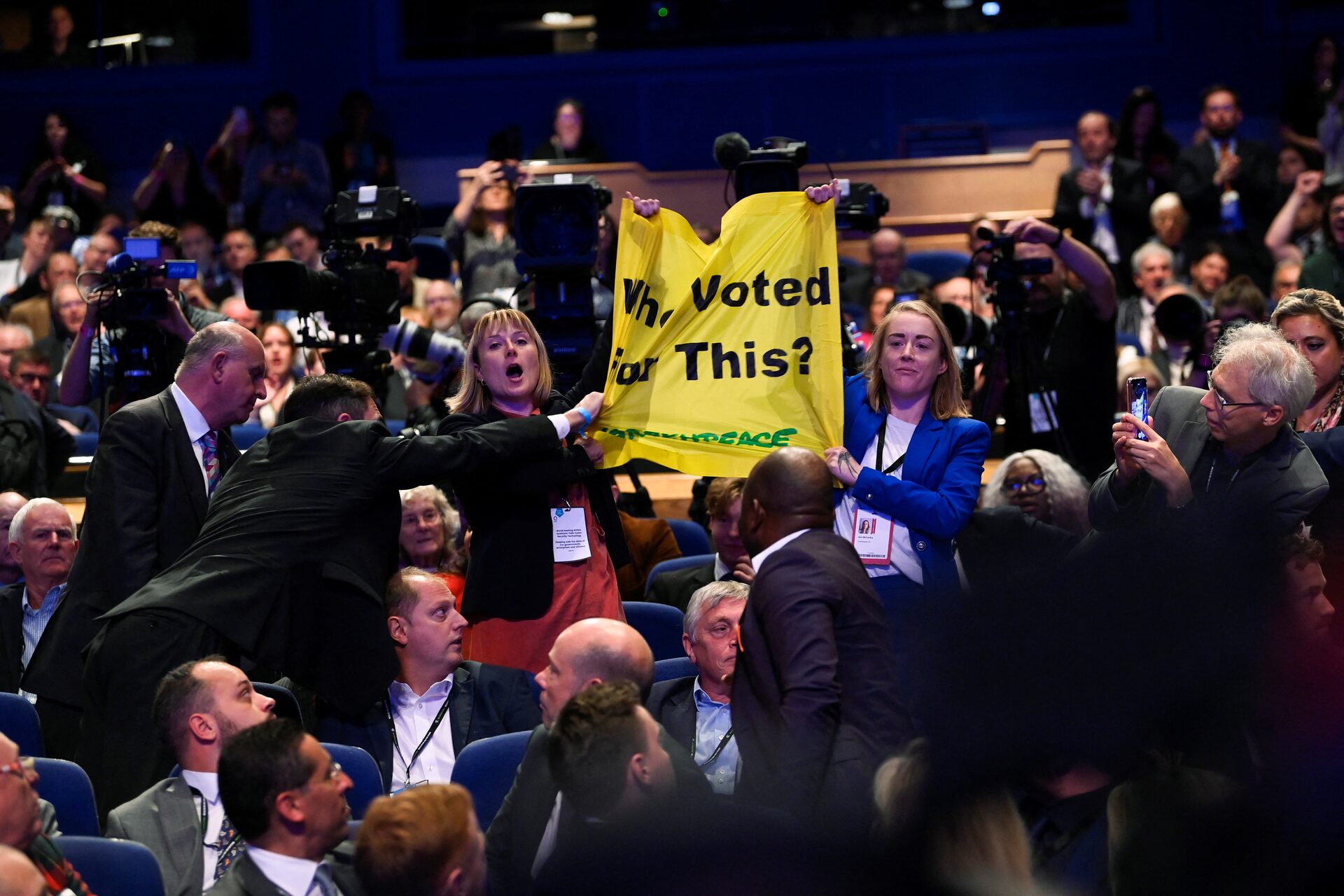

Greenpeace is a movement of people who are passionate about protecting nature from destruction. These people see their planet as a green, healthy and peaceful place that should be preserved for future generations. Greenpeace has a group in Birmingham that meets regularly.17 During these meetings, possible campaigns, actions, and plans for the future are discussed. They usually take place on the second Thursday of every month. It is significant that these meetings take place on Green Lane, the name of a street and a small neighbourhood in the Wilde Green that dates back to the 18th century. Read more about Birmingham Greenpeace and its “exploits” at ibirmingham.info.
History of the organisation
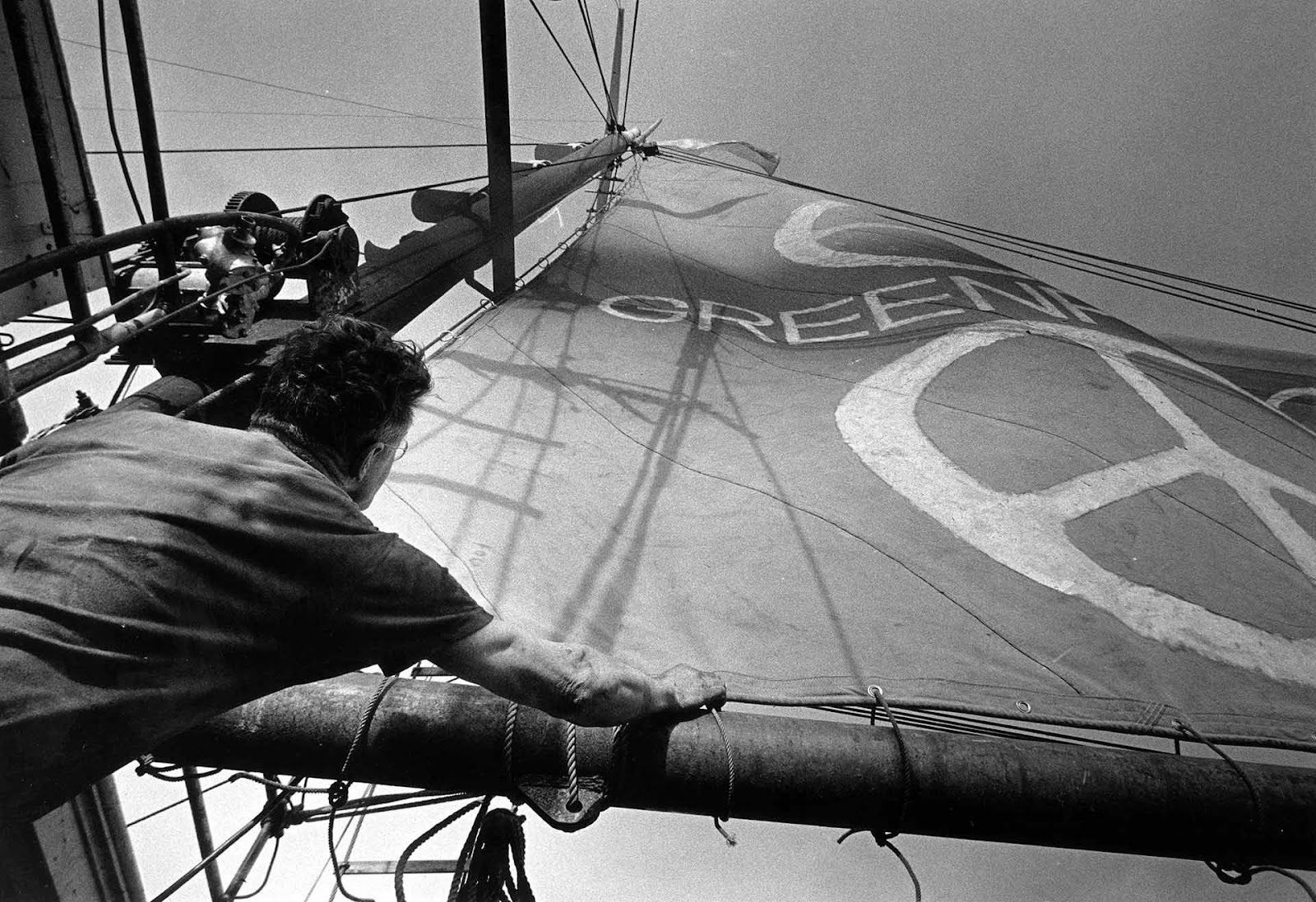
If we look at the history of Greenpeace, it began in 1971. Inspired by their vision of a greener, safer, and more peaceful world, a team of twelve people set out from Vancouver, Canada, on an old fishing boat to prevent nuclear testing.
These activists sincerely believed that a few people could not only make a difference, but also change the situation. Therefore, they saw their mission as being to witness first-hand, real-life US nuclear bomb tests in the Alaskan region and to prevent them.
It was then that the phrase Greenpeace was first used. Having called themselves so, the crew of the ship told the media that their goal was very simple, clear and straightforward – to draw a clear red line between people of death and people of life. The activists insisted on preserving the environment for their children and future generations.
As you know, the ship never made it to the site of the explosions, the bomb test took place, but it was the last test by the United States in the area. This happened because this seemingly unsuccessful initiative successfully changed public opinion about such tests. And it was from then on that Greenpeace’s global mission to protect the environment captured the hearts and minds of people across Canada. And a few months later, that same vision spread to the rest of the world, and the Greenpeace movement was born.
Activities, funding, actions
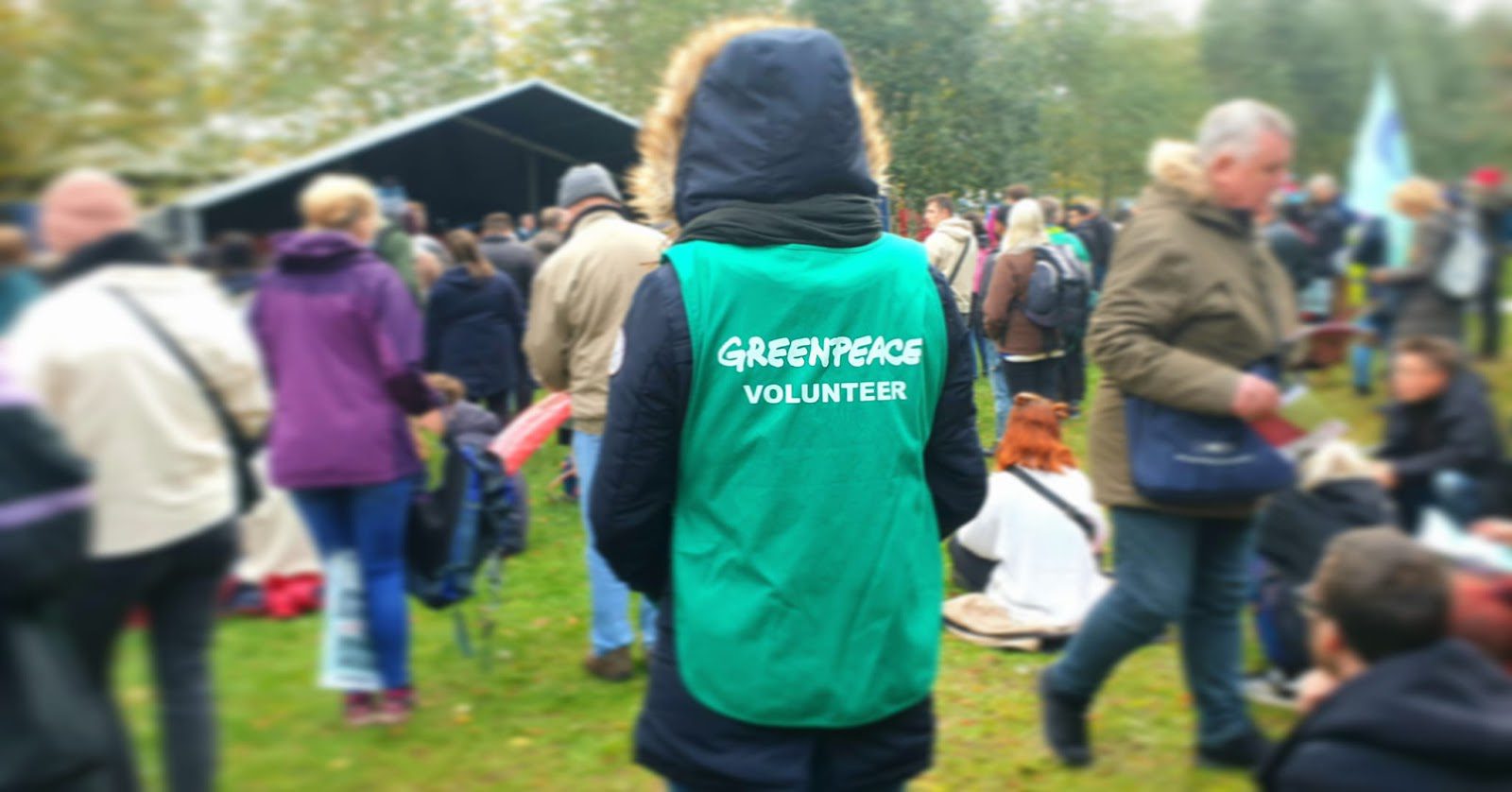
Today, Greenpeace is made up of 27 independent national and regional organisations in more than 55 countries in Europe, the Americas, Africa, Asia, and the Pacific, as well as the coordinating body Greenpeace International.
It is an independent organisation that does not accept any funding from governments, corporations or political parties, and is funded by ordinary people. This means that Greenpeace can stand up to governments and corporations responsible for environmental destruction and push for real change.
Greenpeace does this by investigating, documenting and exposing the causes of environmental destruction and pollution. The organisation works to bring about change through lobbying, consumer pressure and public mobilisation. It also takes peaceful direct action to protect the planet and promote solutions for a green and peaceful future.
Birmingham Greenpeace Group
As for the Birmingham branch of Greenpeace, the local group is part of the larger Greenpeace UK organisation. It is an independent global environmental organisation. The Birmingham group consists of 63 people who meet regularly to discuss campaigns, events, and plans for the future.
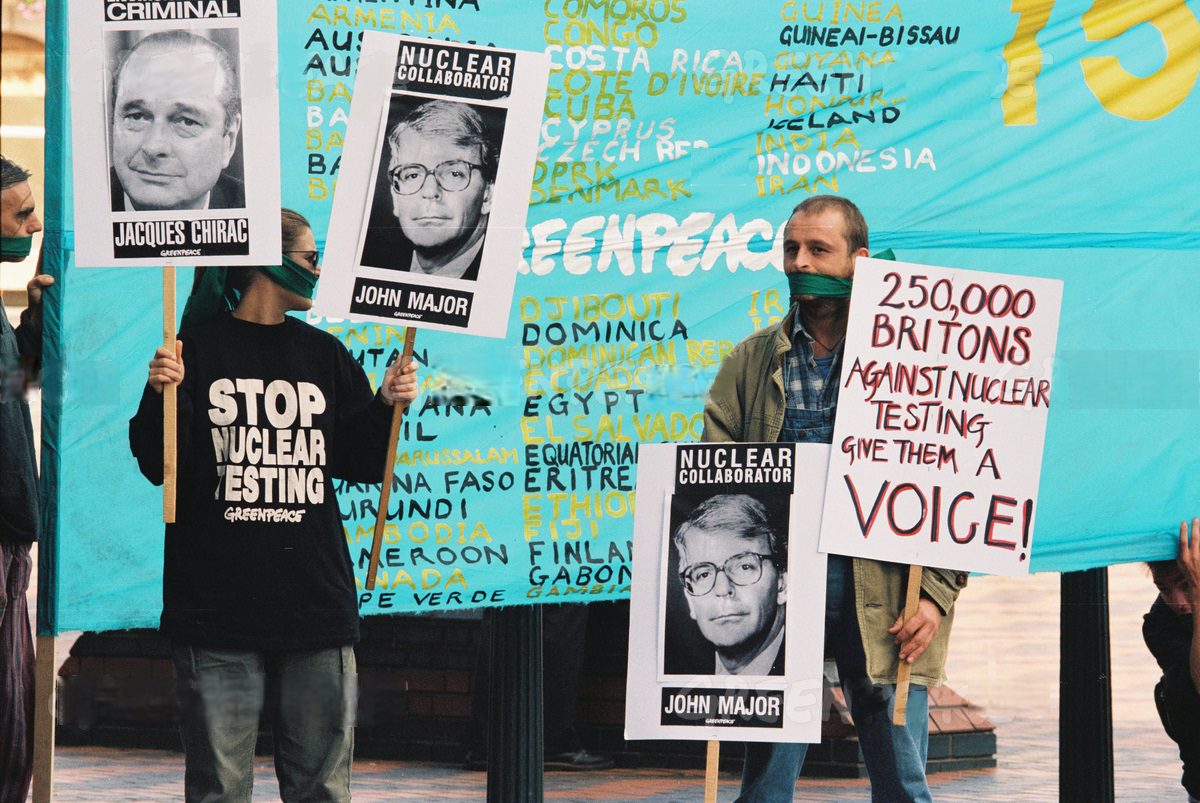
The action of Birmingham Greenpeace was particularly notorious during the protests against the UK government’s failure to condemn the French nuclear tests. At the time, Prime Minister John Major was on a visit to Birmingham.
It was 13 June 1995, when French President Jacques Chirac announced that France would resume nuclear weapons testing in the South Pacific. Only a few weeks after his election, Chirac cancelled the three-year moratorium on testing that his predecessor François Mitterrand had imposed in April 1992.
Chirac insisted that this additional series of weapons’ tests was important for France’s national security and the preservation of the independence of its nuclear deterrent. The eight planned detonations over the next few months, he said, would provide the data needed to move from real detonations to computer simulations in the future. He also said that this would allow France to sign the Comprehensive Nuclear Test Ban Treaty, which banned all nuclear explosions, whether for military or other purposes, until the autumn of 1996.
It was against these tests that Greenpeace activists in Birmingham protested. At the time, the UK government found itself isolated in the international community for failing to condemn the trials. Meanwhile, Greenpeace disrupted John Major’s visit to the conference centre and the school he intended to visit, cancelling his photo opportunity and forcing him to acknowledge the level of opposition to his silence.
Activists wearing anti-testing T-shirts and carrying placards covered their mouths with scarves, symbolising the government’s criminal silence. There were also calls for the British people to express their anger at the French government by boycotting all French products until plans for further French nuclear tests are cancelled.
Birmingham Greenpeace – the current reality
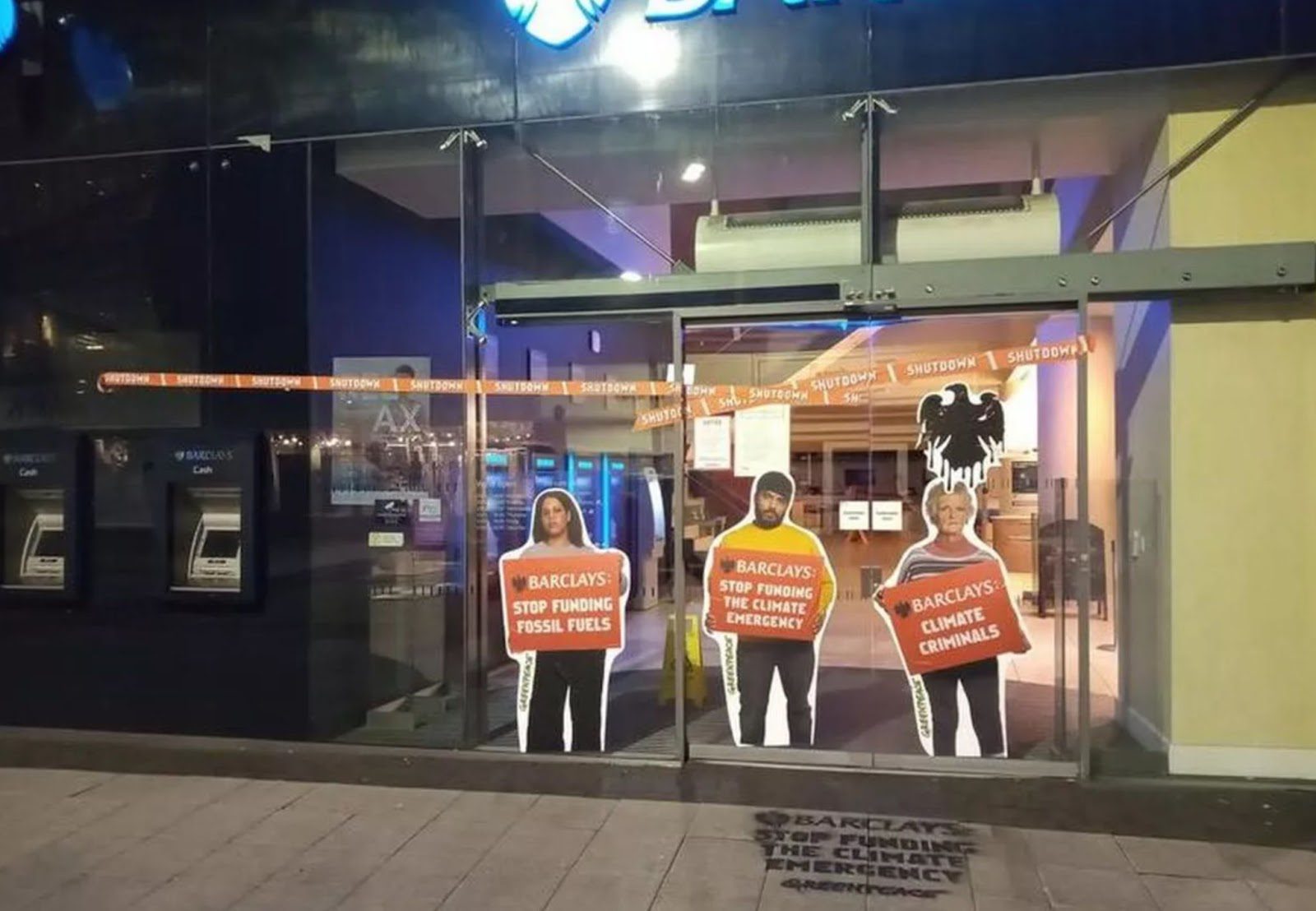
Today, the Birmingham organisation continues its struggle. And this struggle is bearing some fruit and victories. For example, in 2020, Greenpeace demanded that Barclays, Europe’s largest fossil fuel bank, stop supporting oil, gas, and coal companies and divert its funding to renewable energy.
As a result, Greenpeace activists helped to close down more than 95 local Barclays high street branches in the UK as part of a nationwide protest against the bank’s ongoing multi-billion pound support for fossil fuels. In Birmingham, the bank’s High Street, Frederick Street and Hegley Road branches were put out of action as Birmingham Greenpeace activists locked the doors, preventing staff from entering.
In each of the branches that were “hit”, pictures of Barclays customers were pasted on the windows with slogans demanding that Barclays, the largest fossil fuel backer among European banks, stop supporting oil, gas, and coal companies. They should also divert funding to renewable energy sources.
According to activists, banks are as responsible for the climate emergency as the fossil fuel companies they finance. However, bankers have unfairly avoided scrutiny of their activities for years. As a result, activists from Greenpeace Birmingham closed down their branch in the city, along with their colleagues in other UK cities and across the country, to draw attention to Barclays’ role in funding this unacceptable situation. According to activists, it is time for Barclays to divest from fossil fuel finance for good.
Similar actions took place in more than 95 cities and towns across the UK. In the central branches, images of Barclays customers were also posted on the windows with slogans such as “Stop Fossil Fuel Finance” and “Stop Climate Emergency Finance”.
Sources: