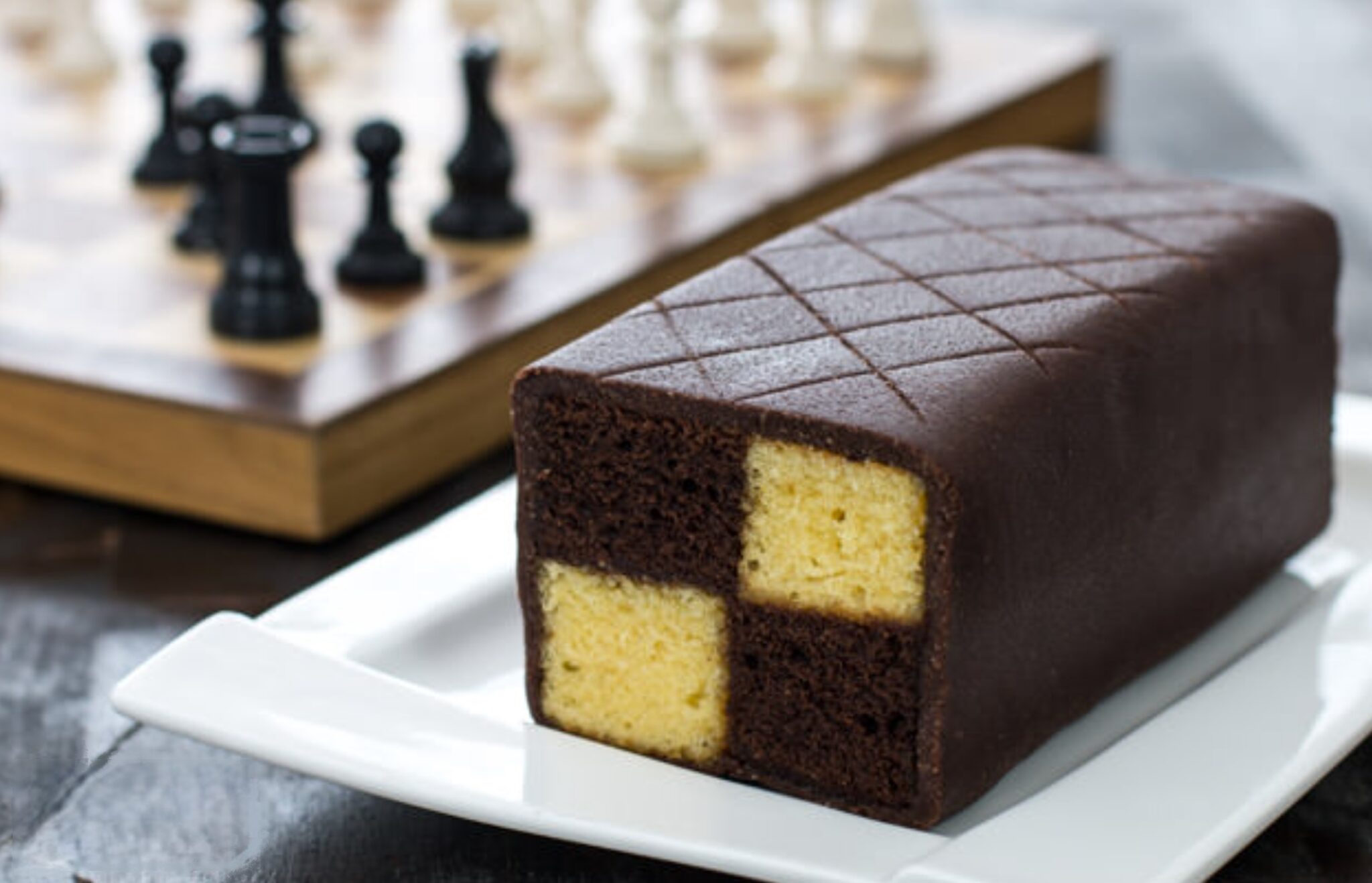

If you try to understand the term “Birmingham cake”, it is easy to come to the conclusion that it does not refer to a single, invented recipe for the delicacy here in Birmingham. The term has a much broader meaning. It refers to a small or large assortment of bakery products that are linked to a city, whether through historical baking traditions, local traditions, or specific regional recipes. In other words, it’s not about a single cake with a clear history of origin, but rather a reflection of the city’s food culture and its connection to baking. Learn more about it at ibirmingham.info.
The tradition of tea drinking
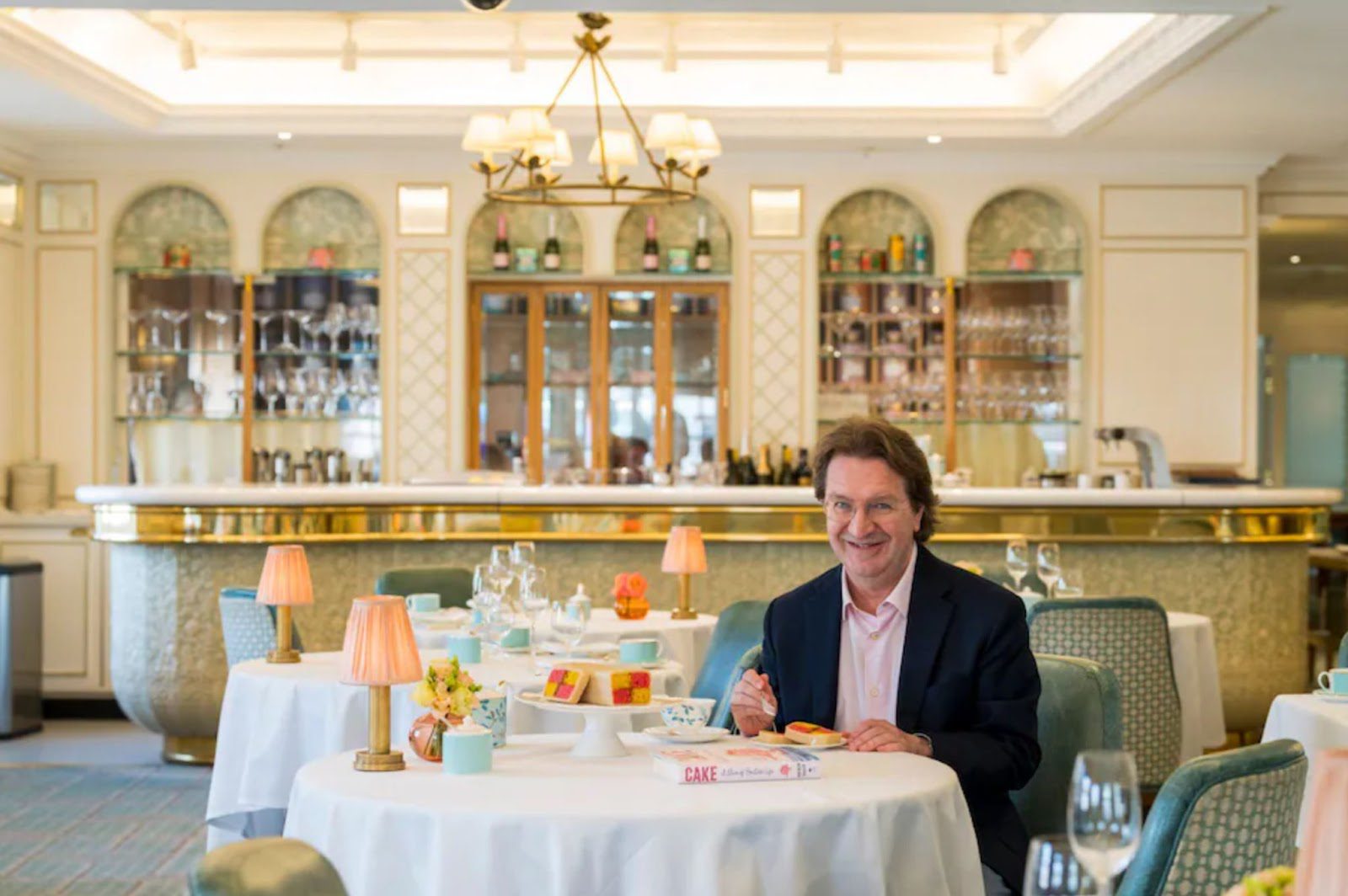
Whatever the case, Birmingham, like the rest of the UK, loves to eat cake. It is present in all the most important moments of a Birmingham family – birthdays, weddings, greetings and farewells, meaning that every more or less special day is not complete without cake. What’s more, even in everyday moments of relaxation and recuperation, a tasty slice with a cup of tea is a tiny moment of luxury and reward.
For many Birmingham residents, baking cakes is a fun and therapeutic activity. But there are probably some who find it too much work. But don’t worry, you can always relax and enjoy watching other people cook, or rather bake cakes. It is in Birmingham that a popular cooking show is filmed, which is dedicated to this particular activity. We are talking about the Great British Baking Show, which is another confirmation of the fact that Birmingham has a very warm attitude to cakes of various “modifications” – they are simply adored.
Therefore, we should take it for granted that cake is a central part of the English national life, but one that they take for granted.35 Cakes are the subject of cooking TV shows, books, and even entire studies in the UK. We are talking about the history of cakes in Britain, with visits to different parts of the country and tasting original, authentic pieces of dessert with tea.
The author of one such project was Andrew Baker, author of the book Cake. A Slice of British Life, which was published in 2023. In it, the author explores the heritage of the country’s favourite tea-time snack. And, despite the fact that Baker limited his research to cakes that have occupied a special place in British life, the book turned out to be quite extensive.
And although not every cake mentioned in the book is purely British, the author believes that this would be a ridiculous and unrealistic limitation. One of the main criteria was that the cakes had a good reputation for themselves among British eaters. Another important characteristic that was taken into account was the story behind the cakes. That is, they had to have their own story, with a certain cultural significance and distinctive character.
“Cake” – where the word came from
So, for the British, as well as for the Birminghamites, cake is something almost sacred. By the way, the name “cake” itself, according to experts, was first recorded in what is now recognisable modern English in the late 14th century, although those same experts are still puzzling over how the word came to be used in English.
Some commentators, with varying degrees of academic certainty, confidently assert that the word entered the English language through Scandinavian settlers and their Old Norse word kaka, which means lump. But this theory raises a lot of questions. There is another theory that seems more logical at first glance. It is believed that the word “cake” (cake) has been preserved as a distorted word since the Roman occupation of Britain and entered the language through Old English and Middle English, as a variant of the Latin word “coquere” (to cook).
Battenberg cake
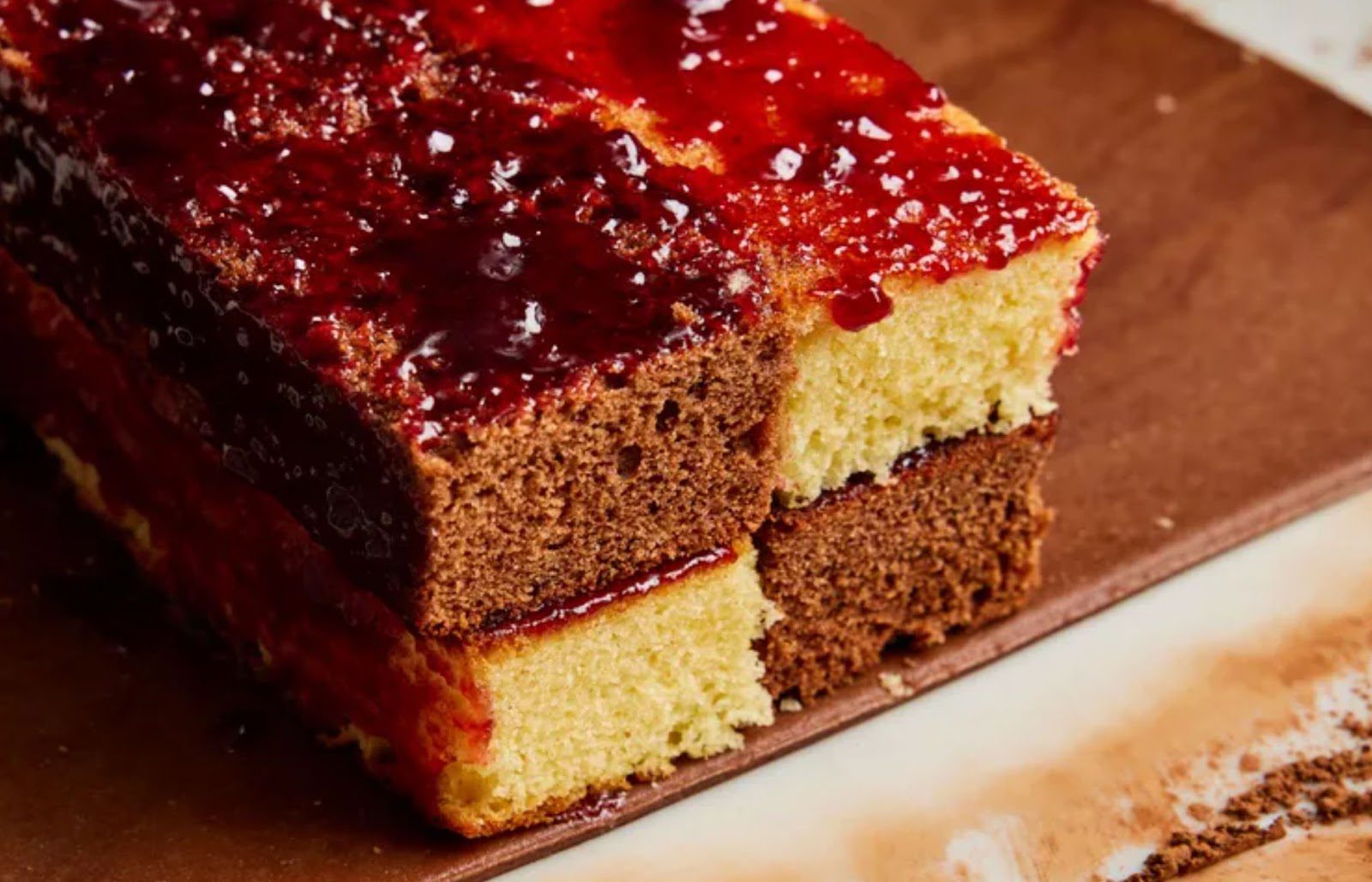
Battenberg cake is a classic British delight that has been an integral part of afternoon tea for generations. Naturally, this cake is very popular, including in Birmingham. Interestingly, the cake was named after a member of the royal family – actually, several royal families: His Serene Highness Prince Louis of Battenberg, from what is now Germany, who married Queen Victoria’s granddaughter – also called Victoria – and went on to become the First Sea Lord, the head of the British Royal Navy.
But after the outbreak of the First World War, when the UK actually went to war with Germany, the name Battenberg did not sound quite appropriate. So Prince Louis Battenberg became Sir Louis Mountbatten, and the name of the royal family changed to Mountbatten-Windsor. So it just so happened that even though Louis had a cake named after him, he lost it.
But the Battenberg cake hasn’t lost the love of Birmingham. Moreover, its simplest recipe was invented in Birmingham. Many citizens were pleasantly surprised by how easy it was to make. This quickest recipe calls for a light, soft two-tone sponge cake wrapped in a delicious marzipan shell. Looking at this chessboard-like delicacy, it may seem both time-consuming and complicated to make, but it’s actually much easier.
The fastest recipe
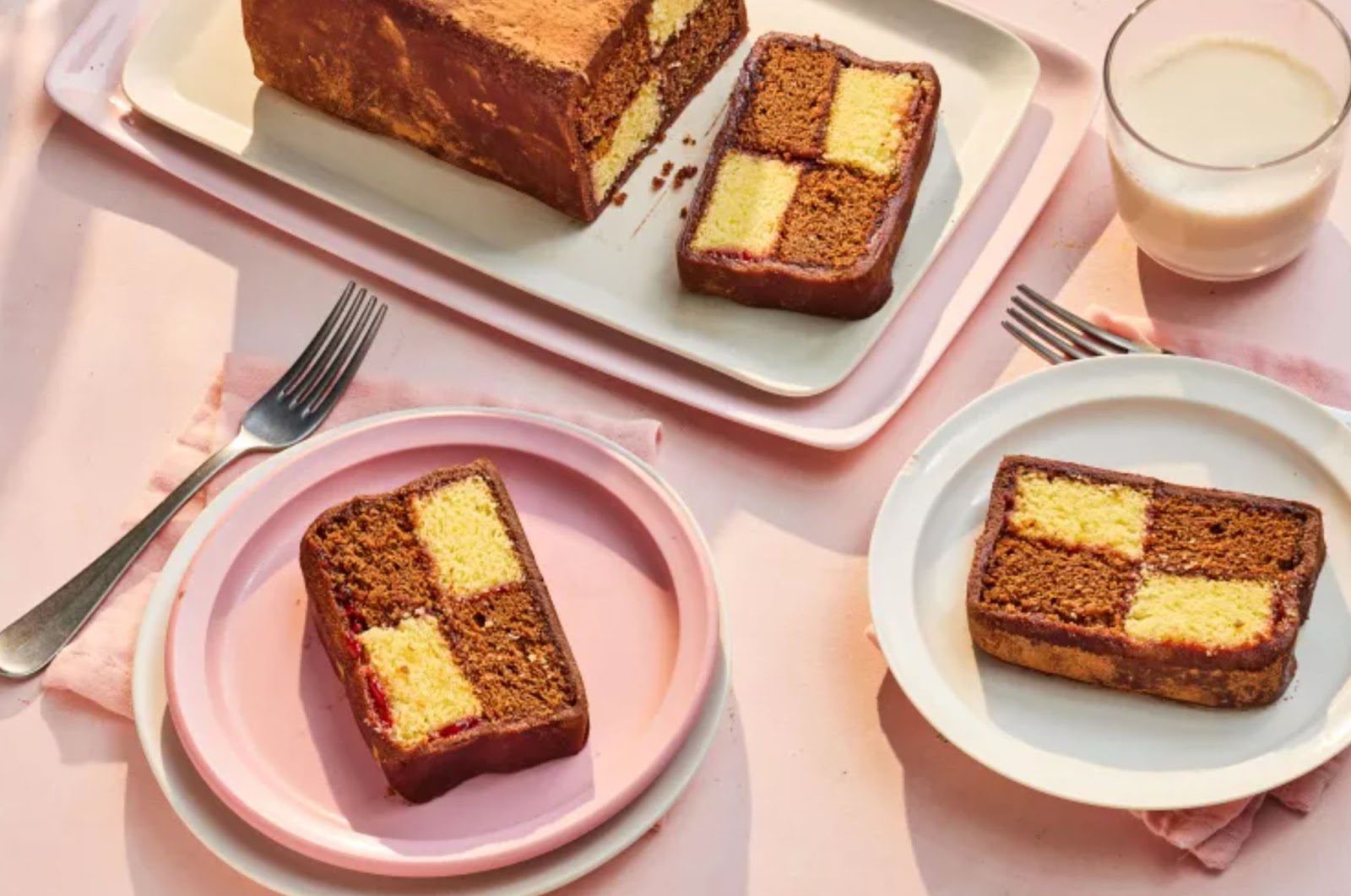
Spoiler alert – Battenberg cake takes only 30 minutes to bake. After that, you’ll have the perfect sweet treat for tea. Before you start, make sure you have a square baking tin or Battenberg tin and some foil to separate the sponge cakes of different colours. Ingredients for the Battenberg cake:
- 175 g of very soft butter;
- 175 g of golden granulated sugar;
- 3 medium eggs;
- 50 g of ground almonds;
- 140 g of flour;
- ½ teaspoon of baking powder;
- ½ teaspoon of almond extract;
- food colouring or cocoa.
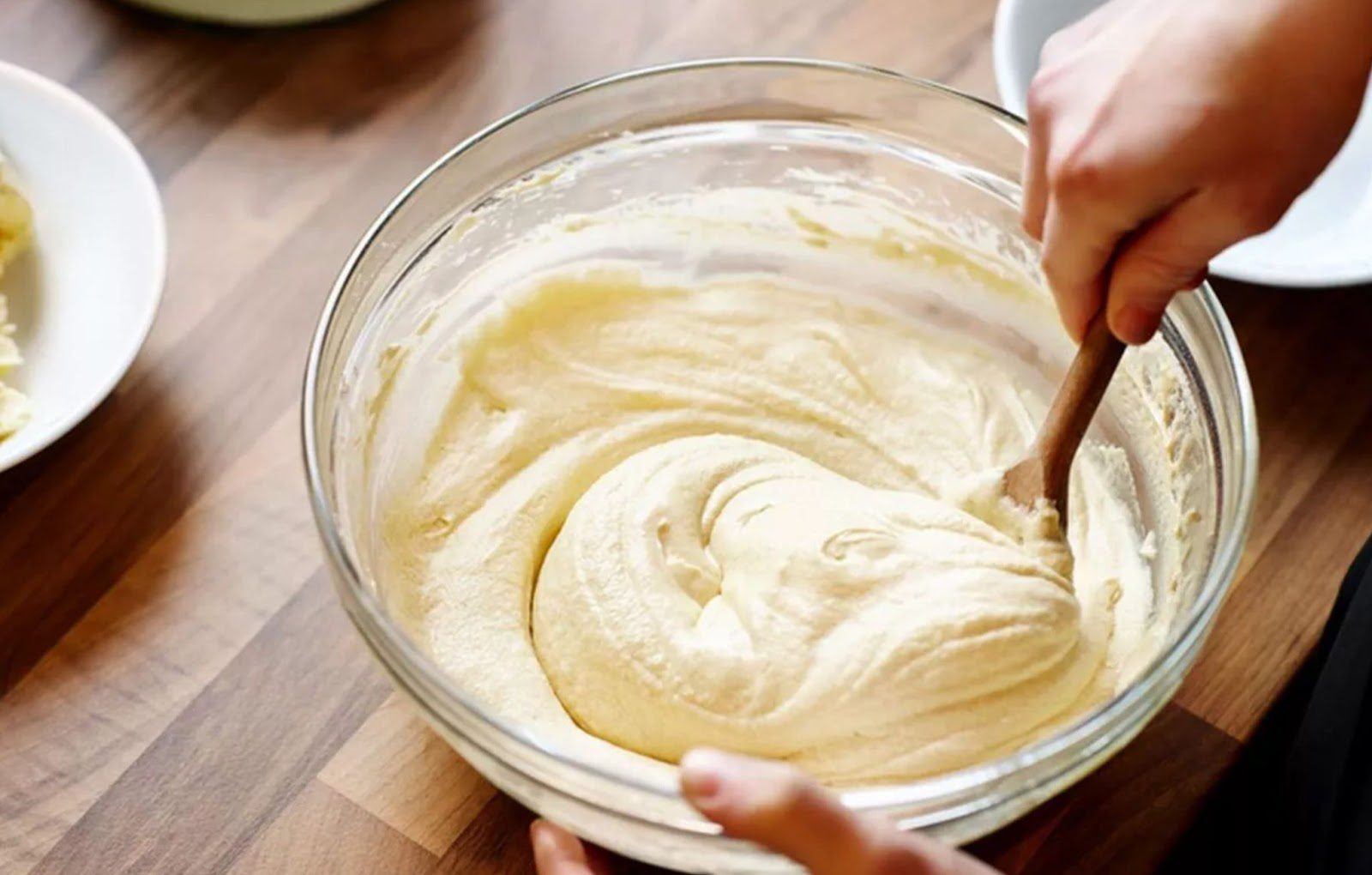
First, preheat the oven to 180°C – 160°C. Place all the cake ingredients except the food colouring in a large bowl and mix with an electric whisk until smooth. Pour half of the cake batter onto one side of the tin, then add the food colouring or cocoa to the rest of the batter. Once you have reached a bright pink hue, spoon this mixture onto the other side of the tin, making sure that both mixtures reach the edges of the respective parts. Bake for 25-30 minutes, until a skewer comes out clean when dipped, then let the cakes cool for 15 minutes.
When cool, place the cakes on a chopping board and trim the edges of each one to make them flat. Cut each cake lengthways to make two pink sponges and two plain rectangular sponges.
Heat the apricot or any other jam in a small saucepan or microwave, then strain. Lightly dust a work surface with icing sugar, then roll out a quarter of the marzipan into a rectangle about 20 by 10 cm. Brush the surface with the warmed apricot jam, place one plain sponge cake on top and a coloured one next to it, spreading a little jam in the middle of the cakes to hold them together.
Spread the jam on top of the cakes, then place the rest of the sponge cakes on top, adding more jam between them to create a “chessboard”. Roll out the remaining marzipan into a rectangle about 20 by 25 cm. Brush the outside of the assembled cake with the remaining jam. Carefully wrap the cake in the marzipan, smoothing it over the top and sides and pressing it gently into the corners of the cake.
Sources: