

The history of British chess, and particularly chess in Birmingham, is a fascinating and complex story of development during the 19th century. While the British Chess Federation (BCF) was only established in 1904, chess was already thriving in various parts of the country. London and Paris were major centers of the game at the time, with many prominent international players contributing to its growth in the UK. Against this backdrop, Birmingham carved out its own unique place in chess history. Next on ibirmingham.
Development of Chess in the UK
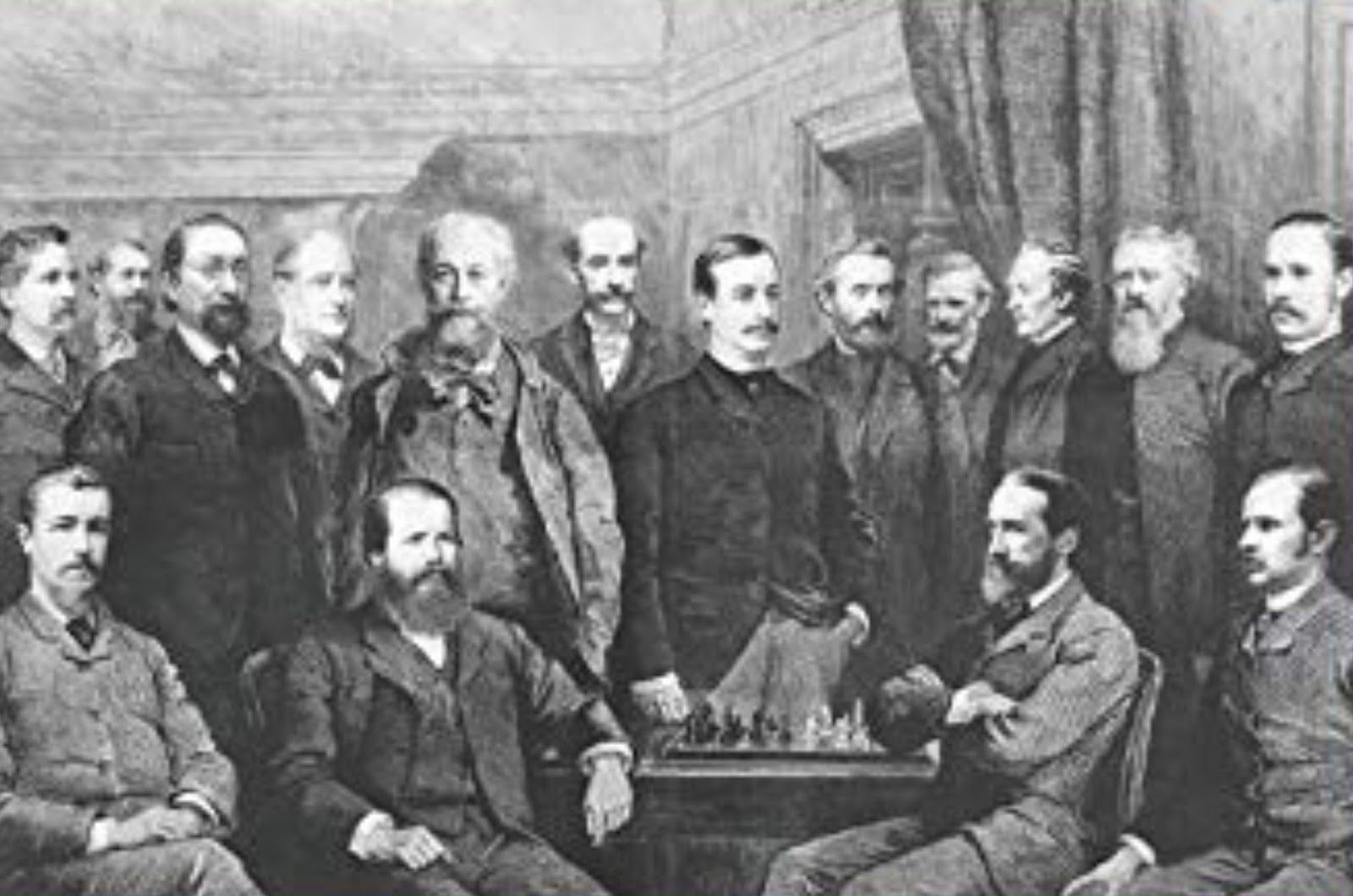
In the early 19th century, organized chess did not exist in Britain. Matches were informal and typically took place in London chess halls. Masters played amateurs, often granting them handicaps. However, there were no organizations to govern tournaments or establish universal rules. Matches could last hours or even days, with a single move sometimes taking over two hours. Time controls were only introduced in 1862, initially using sand timers, with modern chess clocks debuting in 1883.
The establishment of the British Chess Federation in 1904 helped solidify chess as a formalized sport in the UK. London became a prominent chess hub, attracting renowned players such as Wilhelm Steinitz, Johann Löwenthal, Isidor Gunsberg, and Johannes Zukertort. Howard Staunton, often referred to as the father of British chess, played a key role in the mid-19th century. He organized the first international tournament in 1851 and authored the first chess handbook, which included a standardized code of rules.
Chess Clubs in Birmingham
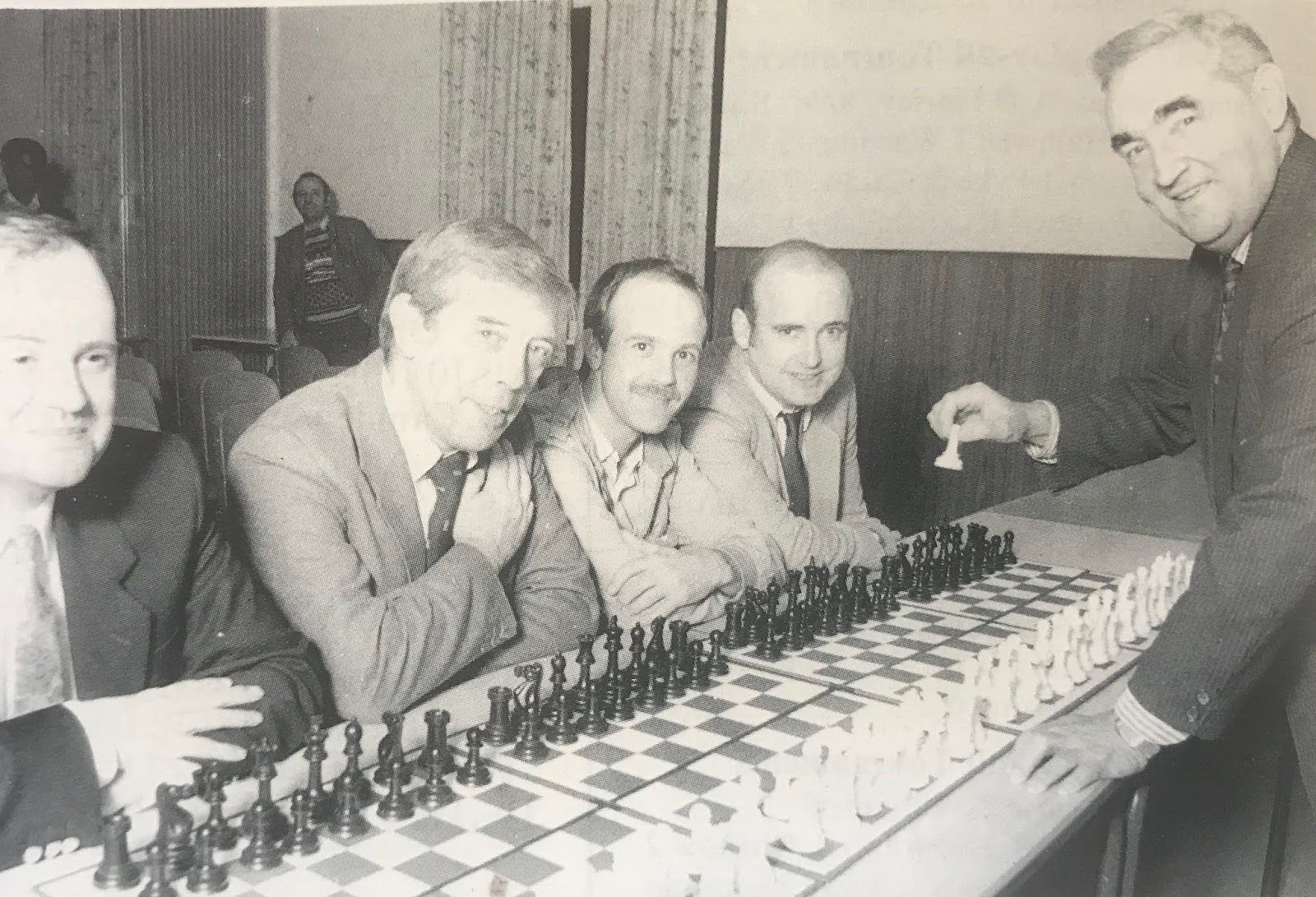
Birmingham’s chess history dates back to the creation of its first chess club in 1851, although some sources suggest an earlier club may have existed as far back as 1765. By the early 20th century, the city boasted around 40 clubs. Early chess activities included intraclub tournaments and informal interclub matches, as well as city-wide events against Glasgow, Edinburgh, Manchester, and London.
Newspapers like The Birmingham Daily Post devoted significant coverage to chess, including a dedicated weekly column. In 1858, the paper reported on Paul Morphy’s visit to Britain. Morphy, considered one of the strongest players of his era, played matches against British opponents, including Birmingham players.
Birmingham also hosted notable tournaments, such as the British Chess Association’s annual competition held at the Royal College library in the 19th century. Matches like the 1873 Cambridge vs. Oxford chess competition, won by Oxford, were covered extensively by the press.
Founding of Birmingham Chess Leagues
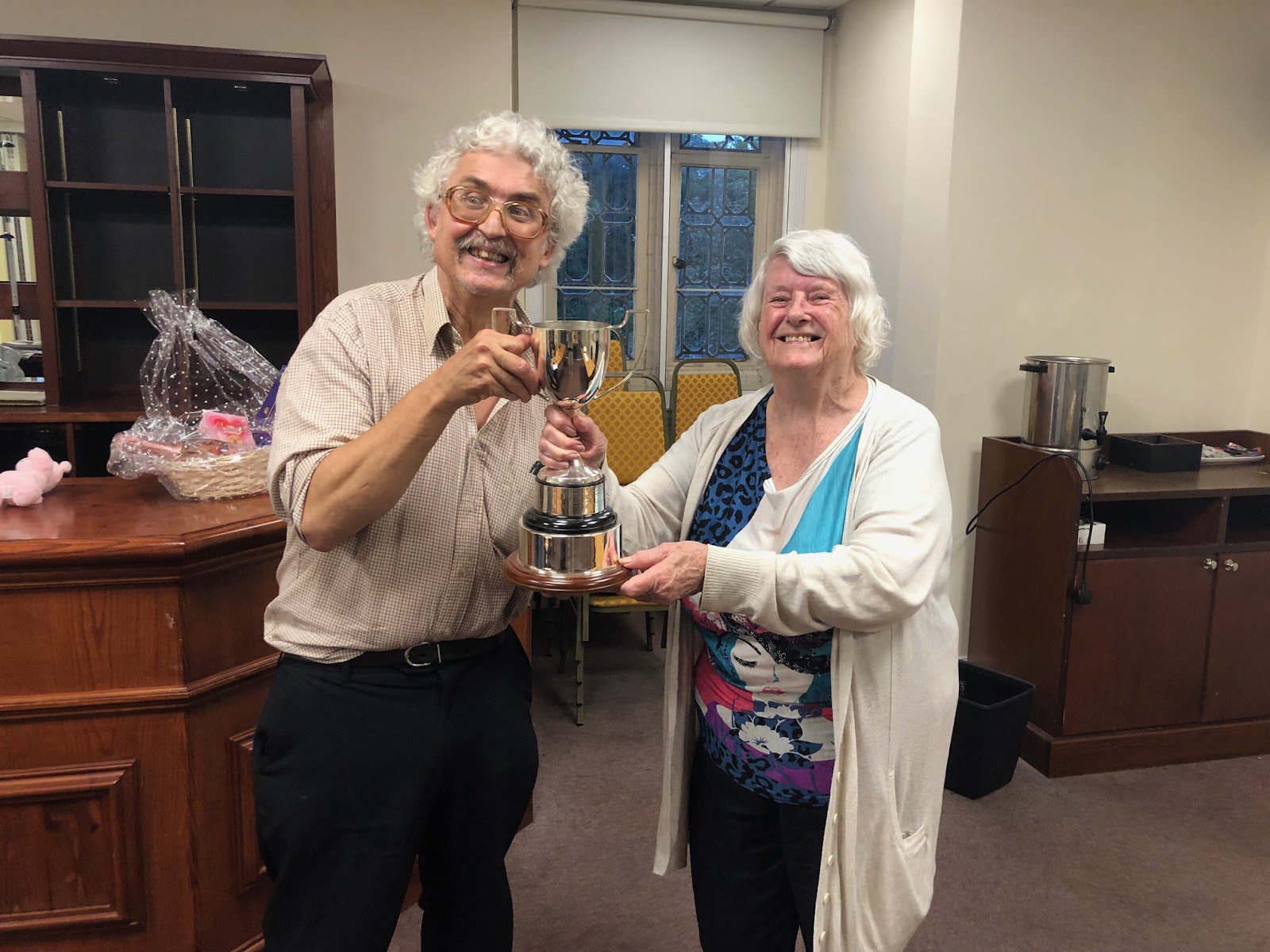
The turning point for Birmingham chess came in 1896 when World Champion Emanuel Lasker visited the city. Shortly thereafter, the Midland Counties Chess Association established the Birmingham & District Chess League, which became a hub for local clubs. By 1898, the league hosted its first championship.
The league thrived under long-serving officials like G.W. Clarke and W.G. Dry, who each served as joint secretaries for over 30 years. These administrators oversaw the league’s operations through two world wars, ensuring stability and growth.
The League Bulletin

In 1956, The League Bulletin began publication, with Baruch Harold Wood, a prominent chess journalist, as its editor. The bulletin became a valuable resource for local chess news, with coverage expanding under subsequent editors. However, the rise of the internet and online communication rendered the printed bulletin obsolete, leading to its discontinuation in 2010.