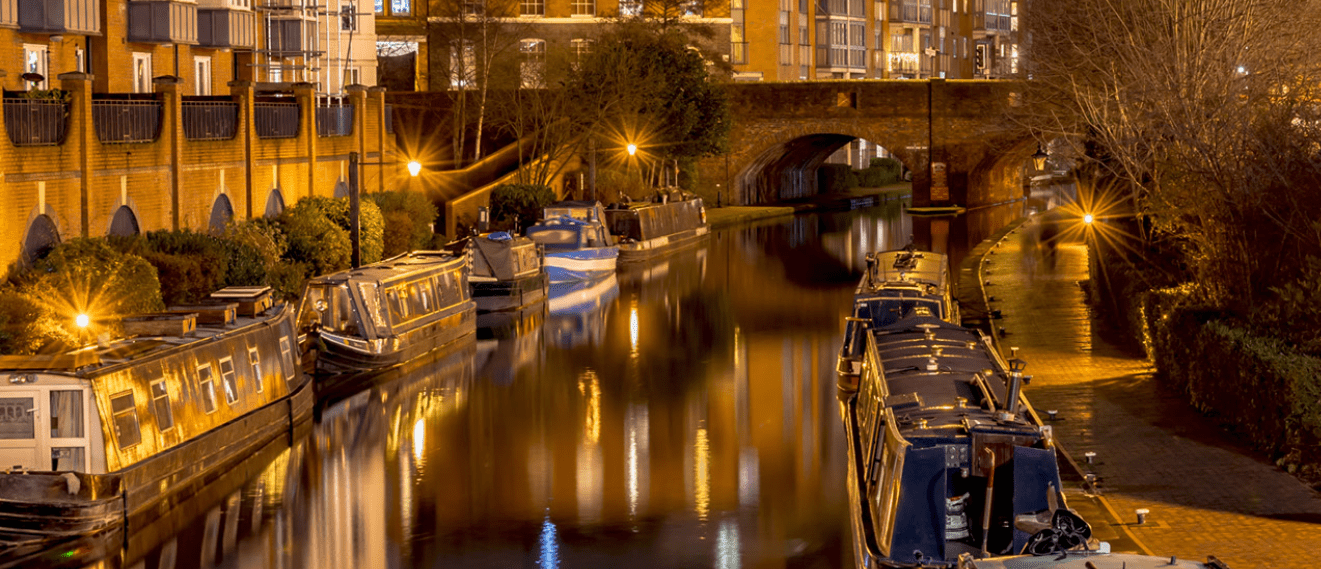

Birmingham’s canal network is among the most intricate in the world, often said to surpass the length of Venice’s canals. At its heart lies the bustling intersection of Gas Street Basin, where colorful narrowboats and historic canal architecture meet vibrant modern restaurants, cafes, and bars. The basin is a hub of Birmingham’s cosmopolitan nightlife and shopping areas. Central waterways are busy with boats, pedestrians, and cyclists. Discover more about Birmingham’s canal network and its tourism routes at ibirmingham.info.
History of Birmingham’s Canals
However, there are places away from the bustle where visitors can escape the crowds and noise. For this, one can explore the winding suburban canals and surprisingly rural branches. In Birmingham’s northern waters, you’ll find little-explored routes off the beaten path.
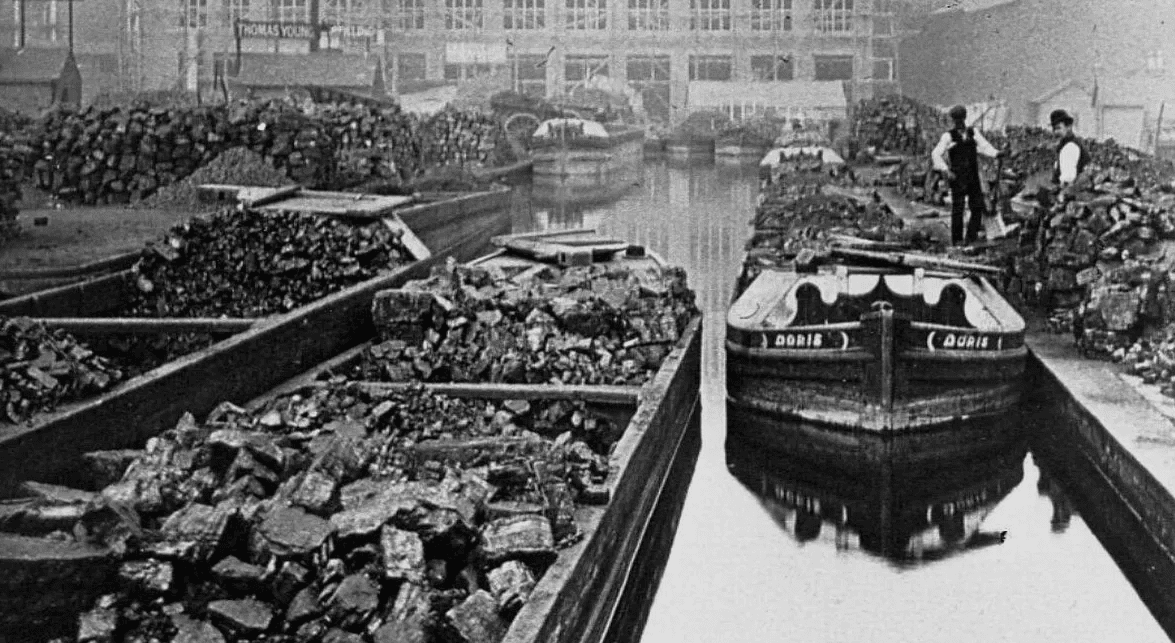
Birmingham’s canals have a rich history. They were the lifeblood of Victorian Birmingham and the Black Country. At their peak, canals were so busy that gas lighting was installed near locks to enable round-the-clock operation. Boats were often built without cabins to maximize cargo space, creating an almost tidal effect as narrowboats converged daily on the coal mines of the Black Country.
Birmingham boasts 35 miles of canals, reportedly more than Venice. They attract walkers, cyclists, and narrowboat owners and serve as reminders of the city’s unique industrial heritage. During the Industrial Revolution, these canals were bustling waterways transporting coal, iron, and heavy goods. They played a vital role in developing Birmingham and the Black Country.
The city’s main canals today include the Grand Union Canal, Worcester and Birmingham Canal, Stourbridge Canal, and Stratford-upon-Avon Canal. Most were constructed in the 1700s and 1800s, with the network peaking at over 170 miles. One of the first, the Duke of Bridgewater’s Canal, transported the Duke’s coal 15 miles to Manchester. Completed in 1761, the project was overseen by James Brindley, a millwright and one of the 18th century’s greatest engineers. Brindley worked on six canal projects in the Midlands.
For 170 years, the canal system thrived. By the late 19th century, freight tonnage reached 8.5 million tons annually. Although profitable, construction and maintenance were costly. In the 1820s, Thomas Telford was hired to inspect Birmingham’s canals, which faced serious maintenance issues. He proposed extensive repairs, including straightening many canals.
As railways and roads began transporting goods over long distances, the industrial importance of canals declined. By 1980, commercial freight ceased entirely. Over time, the canals fell into disrepair. However, many have since been restored, with their surroundings enhanced by green parks, housing, and stunning modern developments. Vibrant areas with shops, restaurants, bars, and entertainment emerged, creating an idyllic setting for tourists.
Birmingham and the Fazeley Canal
The Birmingham and Fazeley Canal connects urban and rural landscapes. Starting at Gas Street Basin in the city’s vibrant commercial and cultural heart, it leads to the tranquil countryside of the Midlands.
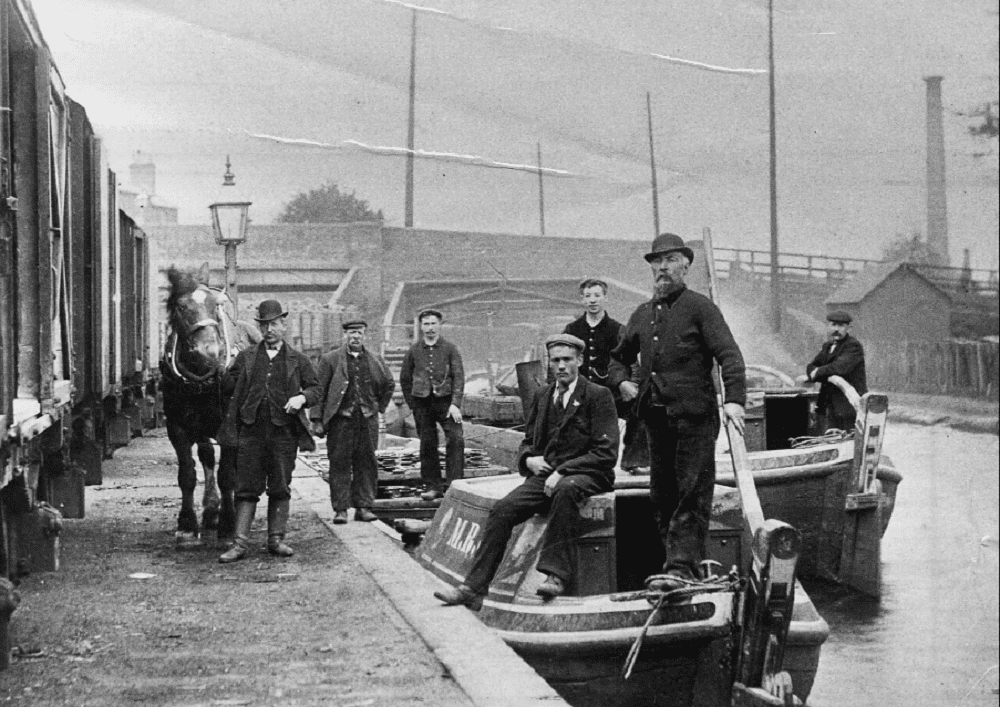
During its industrial heyday, the Birmingham and Fazeley Canal was walled off from the city. However, it was revitalized in the 1980s as a green space for residents, with new access points and resurfaced towpaths for walking or gentle cycling. The canal passes notable landmarks in central Birmingham, including the iconic BT Tower.
The Farmer’s Bridge flight of locks is one of Birmingham’s canal network highlights. The canal descends through brightly lit arches, office buildings, and narrow tunnels, offering an atmospheric connection to the past in the midst of a modern city.
Another fascinating sight is Salford Junction, a waterway interchange beneath the famous Spaghetti Junction. Further along, Drayton Bassett, once the home of Sir Robert Peel, features a picturesque gothic footbridge adorned with small white turrets.
The Old Main Line
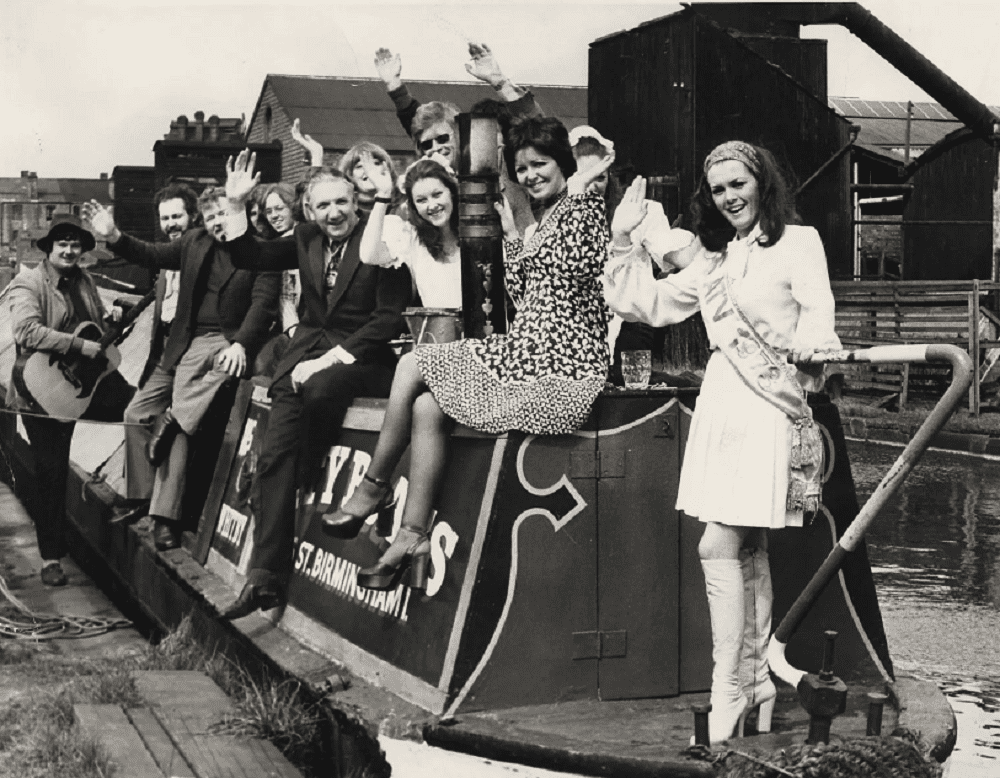
The sense of history along Birmingham’s Old Main Line canal is captivating. Its winding course was partly replaced by Telford’s straightened New Main Line, leaving peaceful bends resembling ancient artificial lakes.
Many sections remain navigable for boats and accessible to pedestrians, although some are no longer in use. Those in a rush often stick to the main route, but exploring these waters offers a truly rewarding experience.
The canal leads from Birmingham to Wolverhampton, showcasing the rich industrial history of the Black Country. The Black Country Living Museum is a fantastic family destination—a recreation of a 19th-century industrial town with canal docks and narrowboat rides.
Plan a Weekend Escape
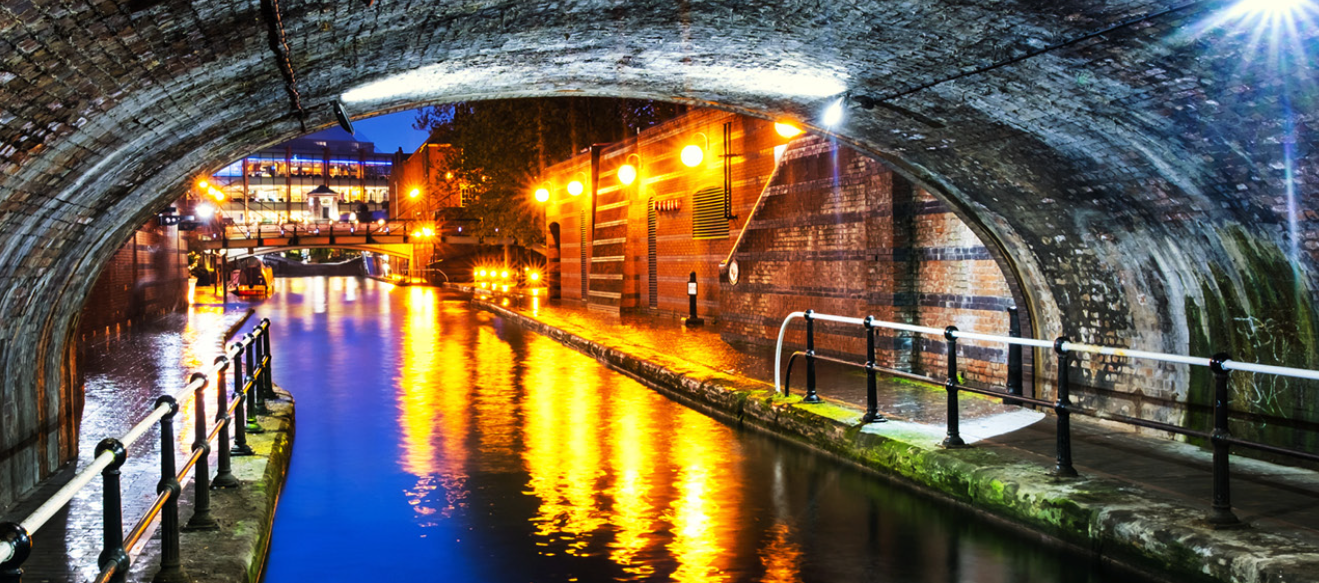
With increasing numbers of walking, canoeing, and cycling routes, Birmingham’s canal network now offers ample places to rest and recharge. One such place is the Old Main Line.
In 1769, coal was transported along James Brindley’s canal from Wednesbury to Birmingham. By 1772, the route extended to Aldersley near Wolverhampton, proving highly profitable. Brindley’s contouring method, following the landscape’s natural contours where possible, resulted in a 22-mile meandering route.
The stretch between Smethwick and Spon Lane initially sat at 491 feet above sea level, with six locks at Smethwick and three leading to Spon Lane’s 473-foot level. This setup wasted significant water, prompting 1780s engineer John Smeaton to lower the canal to 473 feet.
The Engine Arm, a feeder crossing Telford’s New Main Line, is named after the first Boulton & Watt engine installed by the Birmingham Canal Company. It pumped water between levels before being relocated to Birmingham’s Science Museum.
The Titford Locks, locally known as Crow’s Flight, provide access to the Titford Reservoir and various branches. Constructed with blue engineering bricks made from Staffordshire clay, they were fired at the hottest part of the kiln, making them virtually waterproof. While canals have lost their industrial significance, they remain ideal for exploration, leisure cruises, and business ventures on the water.