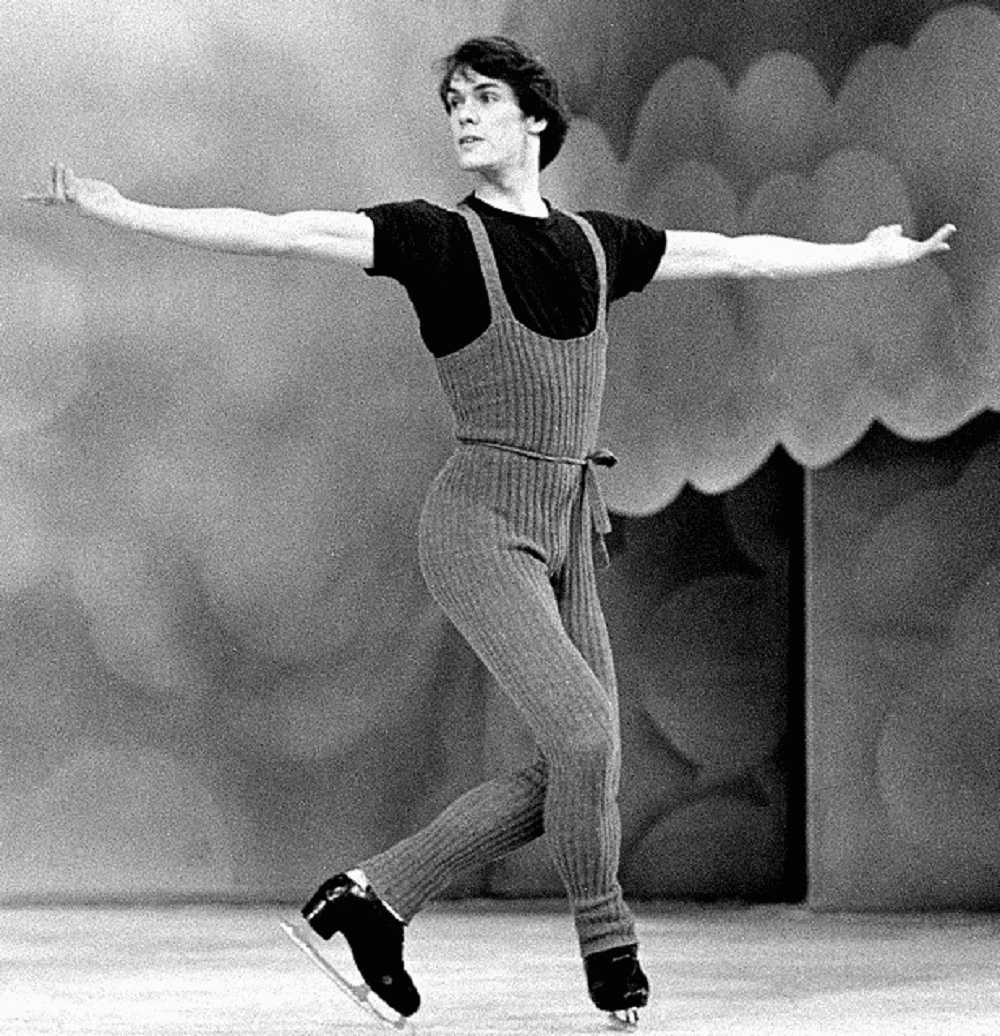

British figure skater John Curry, who claimed European, Olympic, and World titles in a single year—1976—was celebrated as the “Nureyev on Ice” for his graceful athleticism and groundbreaking choreography inspired by classical ballet. Discover more about the tragic fate of this Olympic champion and Birmingham native at ibirmingham.info.
Early Steps in Figure Skating
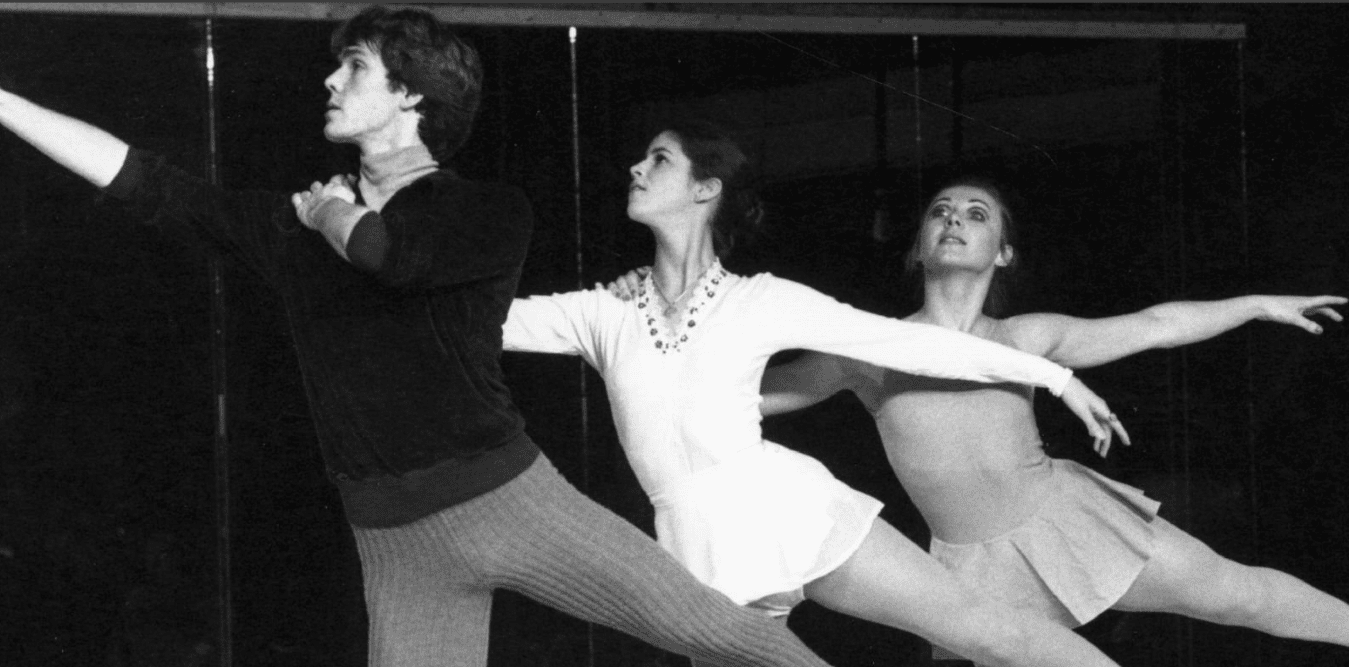
John Anthony Curry was born on 9 September 1949 in Birmingham, England. He developed an early interest in ballet, but his father forbade dance lessons, believing it to be “too feminine.” At the age of seven, Curry turned to ice skating, a pursuit his father approved of, and in which he excelled.
Curry began skating under Ken Vickers at the Summerhill Road ice rink in Birmingham. In 1965, he moved to London to train under Arnold Gerschwiler and later with Alison Smith in Richmond. After winning his first British Junior Championship in 1967, he went on to secure the senior title in 1970.
Improved performances at European and World Championships, coupled with an 11th-place finish at the 1972 Olympics, caught the attention of American millionaire Ed Moseler, who became Curry’s benefactor. Moseler’s financial support allowed Curry to train under renowned coach Carlo Fassi in Denver, Colorado, where he enjoyed world-class facilities. This led to Curry’s breakthrough, with a second-place finish at the 1975 European Championships and third at the World Championships.
In 1976, Curry began his Olympic season by claiming the European title in Innsbruck. His masterful performances culminated in a historic triumph at the Winter Olympics, where he captured the gold medal.
Olympic Gold
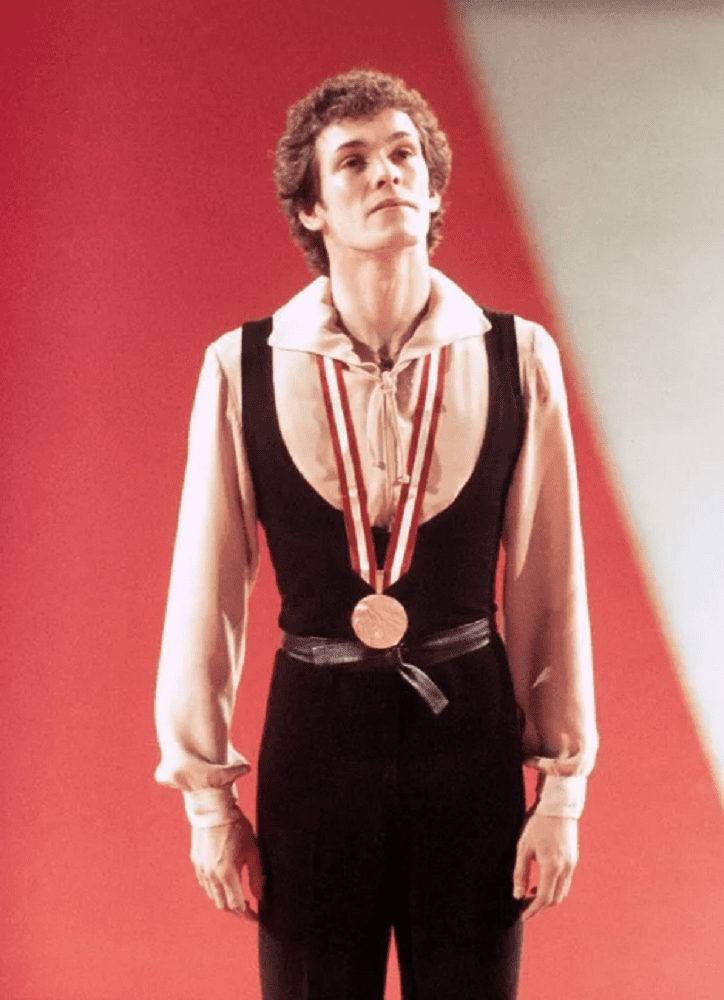
On a cold February evening in 1976, 20 million Britons tuned in to watch the Winter Olympics. Despite little prior knowledge of the sport, the nation was captivated by Curry’s dazzling talent, which revolutionized figure skating. His grace, athleticism, and perfectly executed program earned him the gold medal.
Previously criticized for lacking the athletic daring expected in men’s skating, Curry responded by incorporating three triple jumps into his Olympic routine. Seven out of nine judges awarded him first place, with only the Soviet and Canadian judges ranking him second. By the end of 1976, Curry had reached the pinnacle of his amateur career, claiming British, European, and World titles alongside his Olympic gold.
For securing Great Britain’s first gold medal in figure skating, Curry was later appointed an Officer of the Order of the British Empire (OBE).
Recognition and Legacy
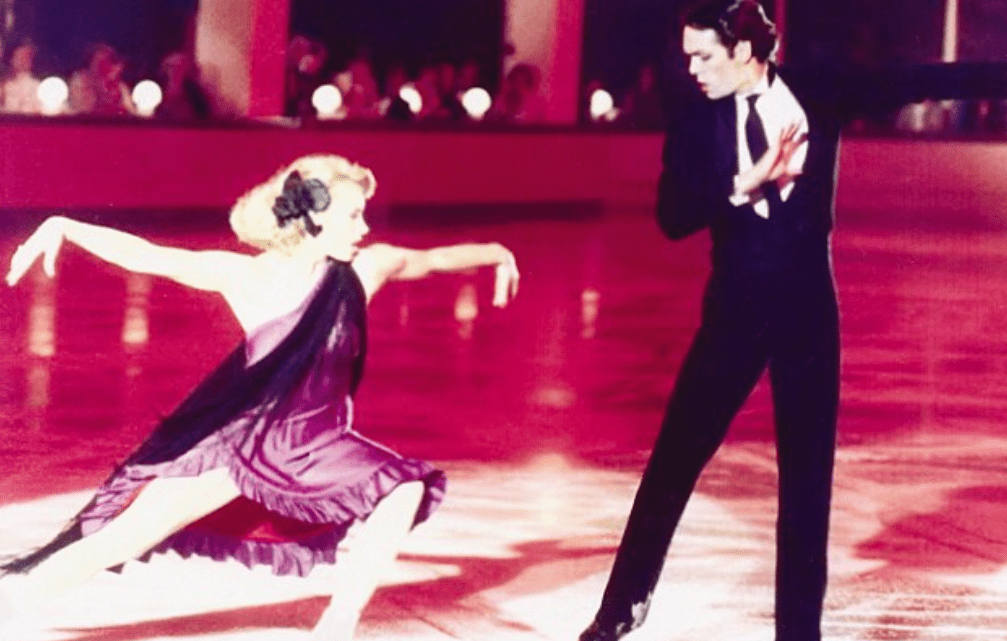
Curry’s exceptional talent and innovative approach earned widespread acclaim. In 1976, he was named BBC Sports Personality of the Year, and his influence on figure skating continues to resonate. By blending artistic expression with athletic performance, Curry transformed figure skating into a deeply moving art form.
However, the man who brought joy to millions worldwide was later largely forgotten by the British public. Curry was one of the first openly gay skaters, a courageous stance that was met with mixed reactions. Diagnosed with AIDS in 1987, he retired in 1991 and returned to England.
A private and complex individual, Curry avoided the trappings of celebrity life. When he died at 44 in 1994, he left behind no property or car, only £6,000 in his will. Decades later, interviews and private letters have shed light on this fascinating figure’s life after his sporting triumphs.
The AIDS Epidemic
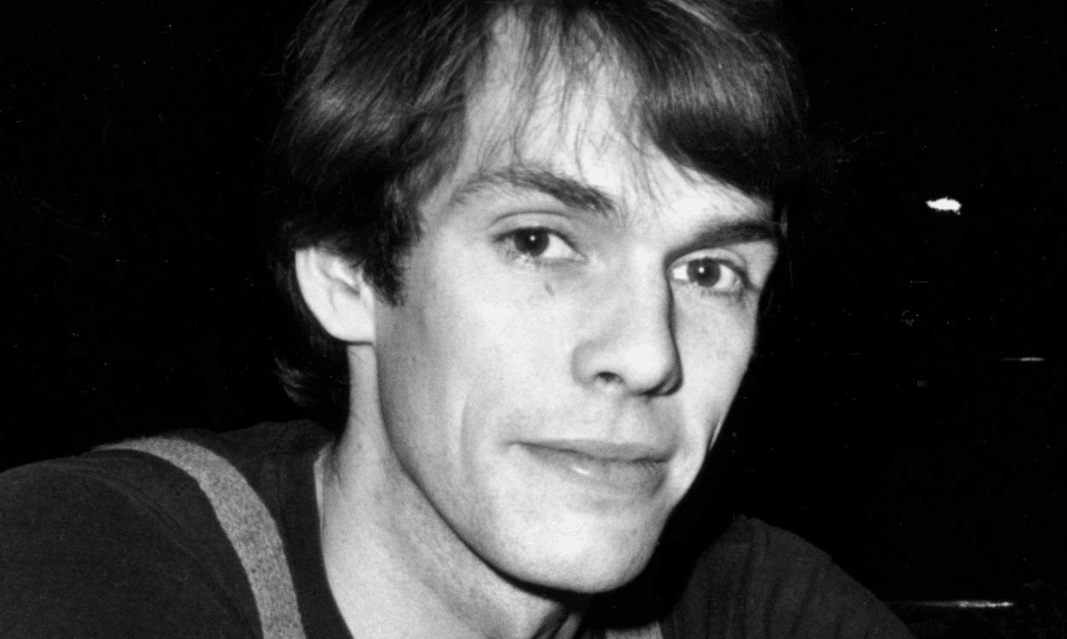
By the mid-1980s, the AIDS epidemic devastated New York’s gay community, claiming the lives of Curry’s friends and lovers. In 1987, Curry himself was diagnosed with HIV.
In 1991, he returned to England, where his mother, Rita Curry, stood by him. Although they never explicitly discussed his illness, she supported him until the end.
Despite his relatively short life, Curry’s legacy as an Olympic champion and a pioneer who integrated ballet and contemporary dance into skating continues to inspire future generations of figure skaters. Curry elevated skating to a high art form, full of joy and brilliance.
He passed away on 15 April 1994, aged 44.