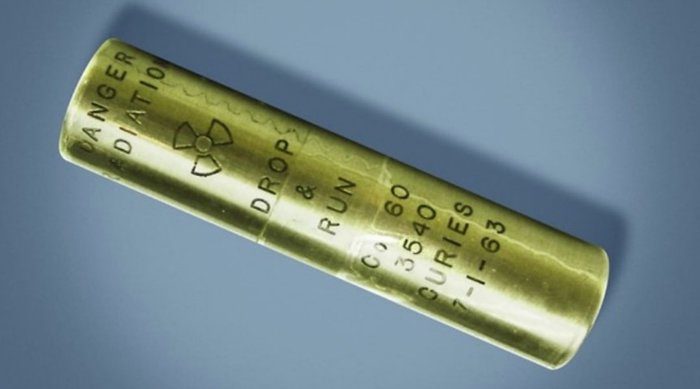

Radiology is a branch of medicine that uses radiation-based techniques for diagnosing and treating various diseases. While radiation in large doses can cause destruction, in controlled amounts, it has the power to treat conditions like cancer. One of the most famous English radiologists, Joseph Stanley Mitchell, hailed from Birmingham. More on ibirmingham.
A Star Pupil
Joseph Mitchell was born in 1909 in Birmingham, the only child of Joseph and Ethel Mitchell. His parents invested heavily in their beloved son’s education. Despite this, Joseph remained diligent in his studies, excelling academically. He attended Marlborough Road School in his hometown and later earned a scholarship to the King Edward’s School for Boys in Birmingham. This institution produced numerous notable scientists, many of whom were also from Birmingham.
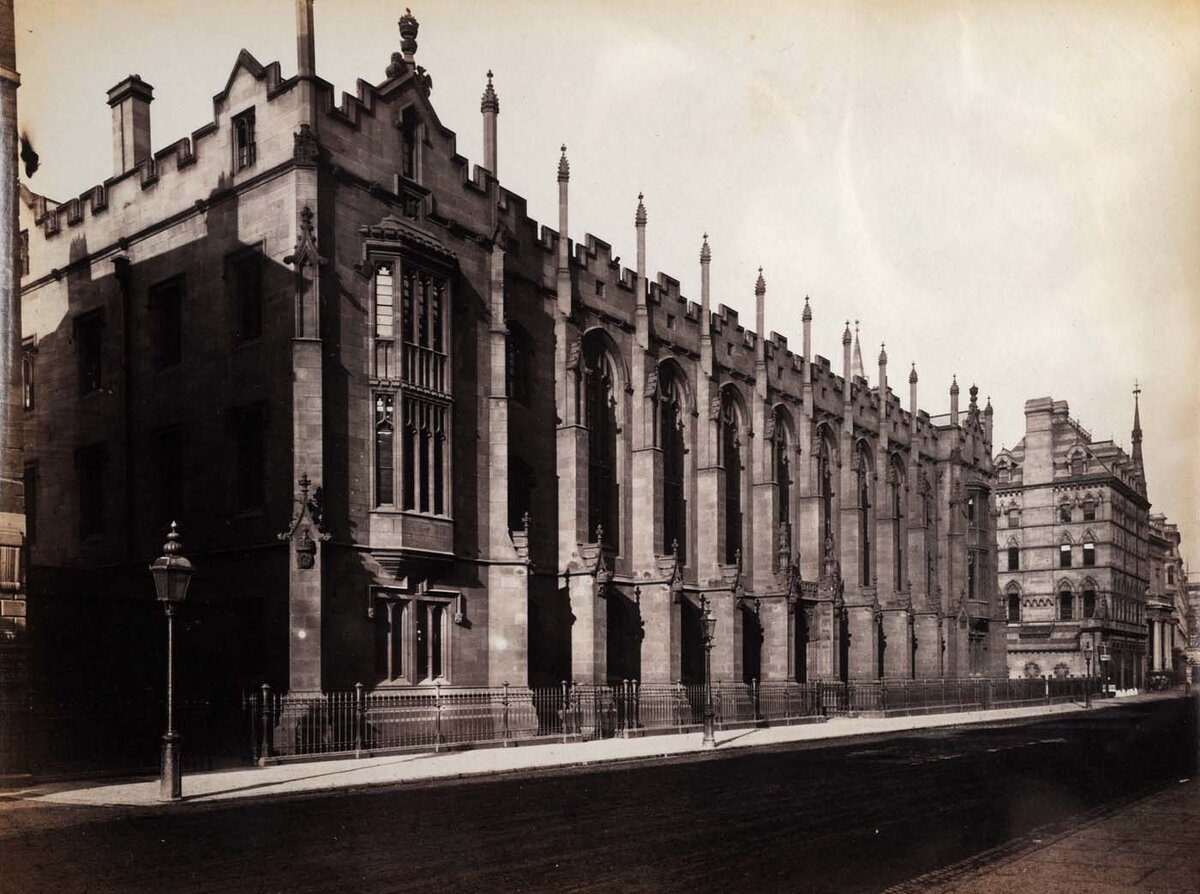
In 1926, Mitchell secured a government scholarship to study at the University of Birmingham, where he majored in physics. He continued his medical education at the University of Cambridge, earning a bachelor’s degree before returning to Birmingham for practical training.
Humble Beginnings
Despite his academic achievements, Mitchell began his career as an orderly at Birmingham General Hospital, which gave him valuable insights into hospital operations and allowed him to observe experienced doctors. Later, he returned to Cambridge for postgraduate studies, earning a prestigious Beit Memorial Fellowship for Medical Research and the Elmore Scholarship.
In 1937, Mitchell obtained his PhD with a dissertation on radiation effects on thin protein films, marking his first significant contribution to the emerging field of radiology.
Early Career and Wartime Contributions
Mitchell’s first job as a radiologist was at The Christie Hospital in Manchester. However, with the outbreak of World War II, he transitioned to emergency medical services in Cambridge.
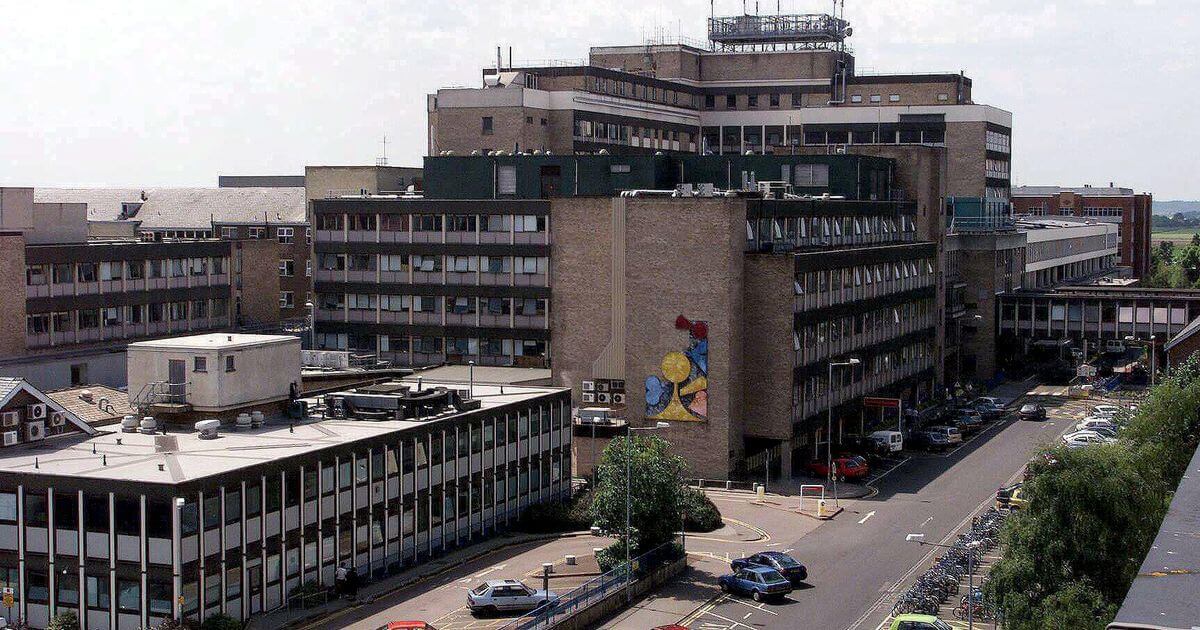
In 1943, the Radiotherapy Center was established at Addenbrooke’s Hospital, part of the University of Cambridge. Mitchell’s expertise in physics and medicine positioned him as a leading figure in the field. By 1944, Mitchell was invited to join a joint UK-Canada project on nuclear energy, where his role was to ensure the safety of researchers during experiments. This exposure deepened his understanding of radiation, culminating in the revolutionary application of the radioactive isotope cobalt-60 in cancer treatment.
After the war, Mitchell became a professor of radiotherapy at the University of Cambridge. By 1957, his groundbreaking work in cancer treatment using radiotherapy methods gained international recognition. His techniques achieved complete remission in early-stage cancer cases, significantly advancing the field.
Mitchell also contributed to establishing the School of Clinical Medicine at Cambridge, which became a hub for educating future medical professionals.
Mitchell’s contributions earned him numerous accolades:
- 1952: Elected a Fellow of the Royal Society.
- 1954: Became a Fellow of the Royal College of Physicians.
- 1975: Appointed a Fellow of the Royal College of Radiologists.
- Received the title Commander of the Order of the British Empire (CBE).
- Awarded the Pirogov Medal by the Soviet Union for his medical achievements.
Mitchell retired from medicine and science in 1976. After a long and illustrious career, he spent his final years in Cambridge, dedicating time to his family. He passed away in 1987, five years after his wife, leaving behind a legacy in radiology that continues to benefit patients worldwide.
Mitchell’s life exemplifies dedication, innovation, and compassion in advancing medicine.