
The history of England is long and fascinating, but there are still “dark spots” in its narrative. Dud Dudley was an industrialist and inventor whose discoveries remain controversial. He is credited with the invention of coke, new methods of coal utilisation, and much more. Learn more on ibirmingham.
Illegitimate Love
Dud Dudley was born in Birmingham in 1600. He was the illegitimate son of Edward Sutton, the 5th Baron Dudley, and his mistress. Dudley’s father was known for his many romantic liaisons, and Dud was just one of his numerous illegitimate children. From his relationship with Dud’s mother alone, the baron fathered 11 children. Despite this, Edward Sutton treated all his children warmly, providing for them and raising them in his home. Dud grew up in one of his father’s estates, Himley Hall, near Dudley Castle and the town of Dudley.

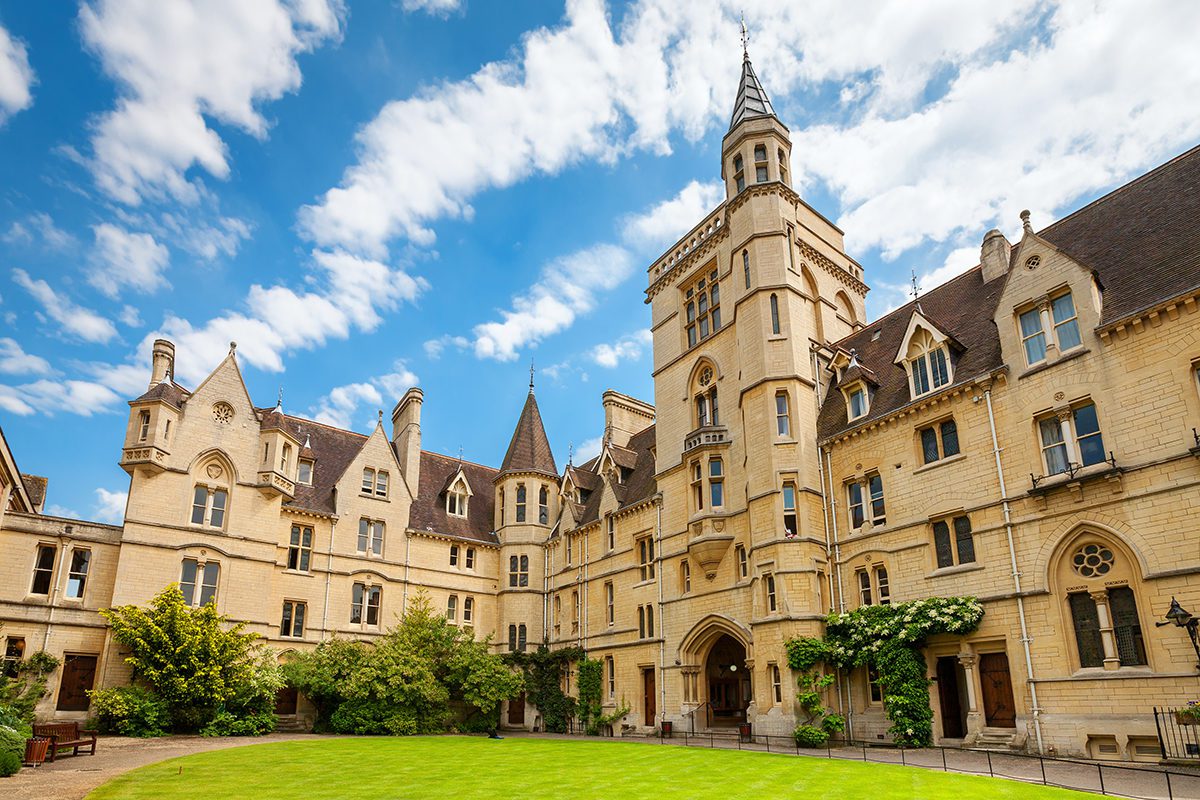
The baron owned vast lands, including the town of Dudley, and held several factories in Pensnett Forest, including a forge and a blast furnace. Dud’s mother came from a coal mining family. Edward Sutton invested significantly in his children’s education, sending Dud to Balliol College at Oxford University. However, Dud’s father interrupted his studies to place him in charge of three factories in Pensnett Forest.
On the Brink of Crisis
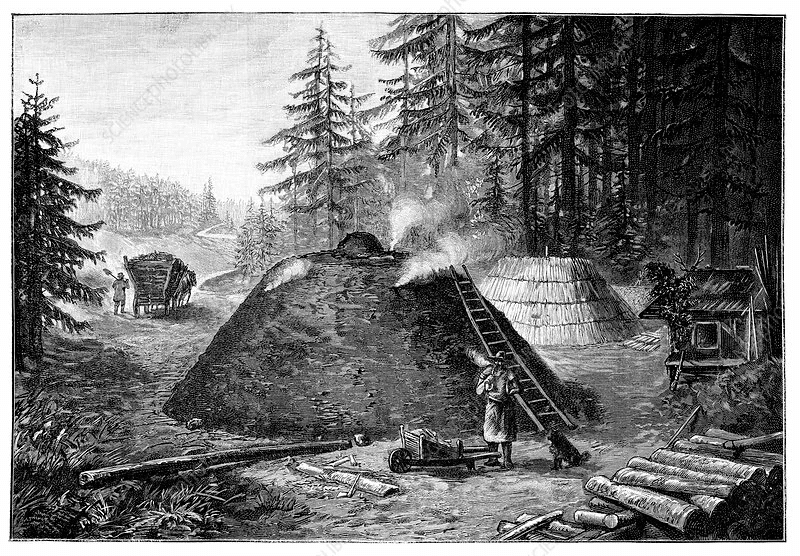
Dud Dudley became an inventor out of necessity. In the 17th century, the iron industry relied heavily on wood as a fuel source. Birmingham and its surrounding areas, often referred to as the “Black Country,” were home to numerous mines and manufacturing facilities. The rapid growth of the iron industry led to the depletion of nearby forests, as trees were cut down faster than they could regrow. The country faced a looming fuel crisis.
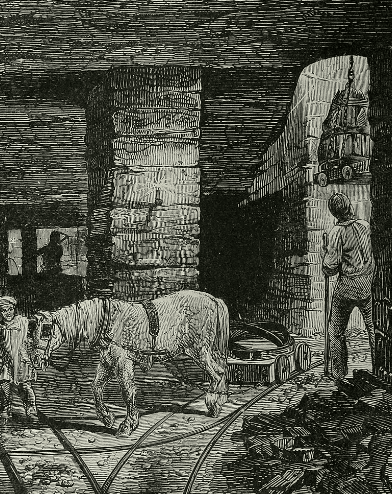
Edward Sutton proposed using coal as an alternative fuel. With access to small coal deposits near Pensnett Forest, the idea was trialled at their factories. Early experiments showed promise, prompting Edward Sutton to involve his son in scaling up production.
Dud not only utilised coal as a furnace fuel but also succeeded in producing high-quality iron. Recognising the potential, Dud worked on redesigning blast furnaces to better accommodate coal’s characteristics. This innovation earned him a patent for his new iron production method.
The family sold coal at £12 per ton, angering competitors who attempted to force them out of the market. Even the loss of their most productive blast furnace didn’t deter Dudley from maintaining his business position. However, pressure from competitors eventually forced him to relocate operations to Himley in Staffordshire. Unfortunately, challenges persisted, and Dudley had to move production again.
The New Furnace
In 1626, Dudley built a large blast furnace at Askew Bridge in Staffordshire (later part of the West Midlands). The massive mechanism sparked outrage among competitors, who viewed it as a threat. Many of them still clung to traditional charcoal as a fuel source.
The new furnace produced nearly 30 tons of iron per month. Its productivity infuriated rivals, who ultimately destroyed the furnace. This setback not only damaged Dudley’s business but also led to his imprisonment for unpaid debts.
Despite these challenges, Dud secured a 21-year patent from King Charles I in 1638 for iron production and metal processing. In return, the king sought Dudley’s services during the English Civil War, appointing him as a military engineer and cannon manufacturer for the royalist army. Dudley narrowly escaped execution by Oliver Cromwell and fled to Bristol, where he lived under an alias.

It All Began in Bristol
In his new home, Dudley could not abandon his passion for iron production. In 1651, he built a blast furnace near Bristol, partnering with local businessmen. Unfortunately, these partners betrayed him, revealing his royalist affiliations.
Cromwell, meanwhile, had begun constructing factories in the Forest of Dean, utilising Dudley’s innovations without his involvement. A new patent was granted to another individual, but Dudley was invited to serve as a consultant due to his expertise. Despite his contributions, Dudley’s request to renew his patents was denied, forcing him to focus on writing instead.
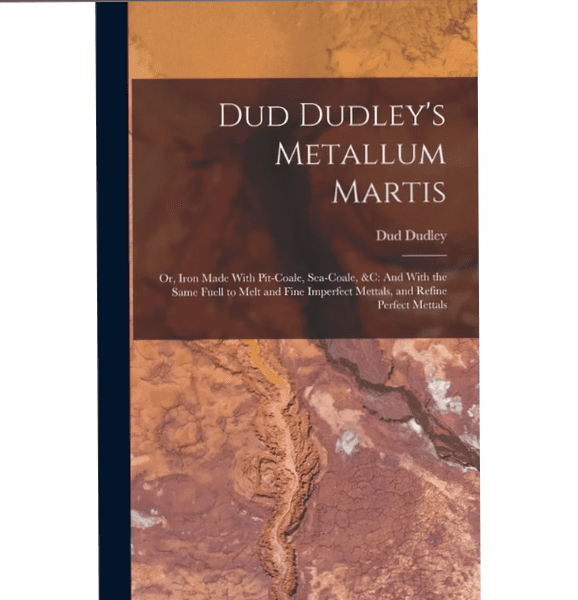
His research culminated in the book Metallum Martis, published in 1665. Dudley’s life remained shrouded in mystery, with few surviving records from the 17th century. This lack of documentation has led historians to speculate that Dudley was the first to use coke in blast furnaces, though this is disputed.
Dud Dudley died in 1684. The last decade of his life was spent in obscurity. Little is known about his personal life, including whether he had children or how many wives he had. Some sources suggest he married in his youth, while others claim he fathered a child in his later years.
Regardless of the uncertainties surrounding his life, Dud Dudley was the first Englishman to use coal in blast furnaces.