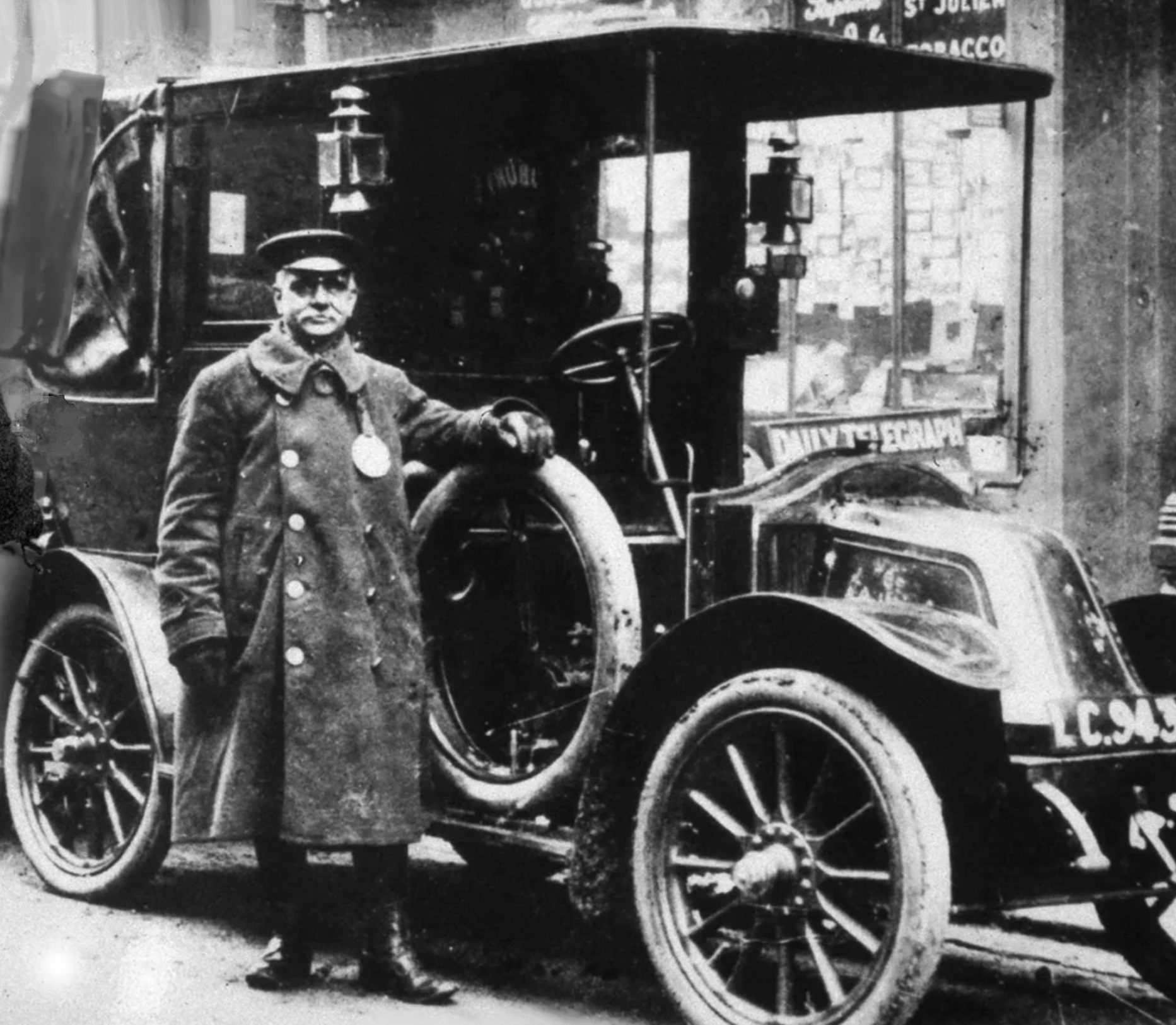

The history of taxis in Birmingham is both captivating and integral to the city’s development. The first motorised taxis appeared in the early 1900s, offering a faster and more convenient mode of transportation compared to horse-drawn carriages. These early vehicles quickly gained popularity for their speed and flexibility. Since the beginning of urbanisation, transport has been a cornerstone of Birmingham’s growth. Among the various modes of transport, taxis have become a vital part of urban mobility, evolving from modest beginnings to a symbol of convenience and accessibility. Learn more about Birmingham taxis at ibirmingham.info.
Beginnings of Taxi Services
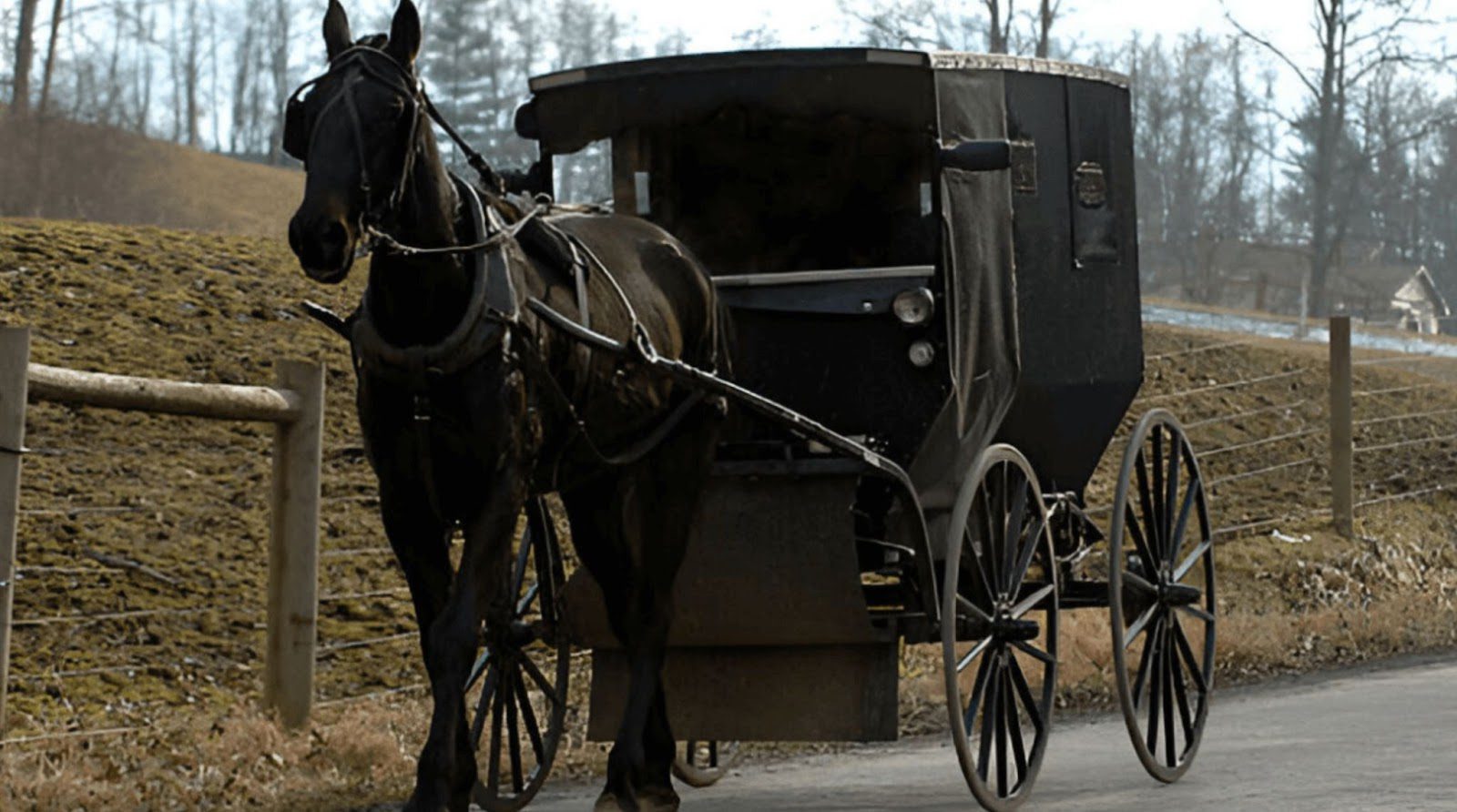
In the early 17th century, horse-drawn carriages became available for hire in cities like London and Paris. Royal proclamations regulated the number of carriages allowed in these cities, making them the first examples of taxi regulation. With their improved speed and safety, these taxis quickly became popular. Fare meters were introduced to calculate costs based on the distance travelled.
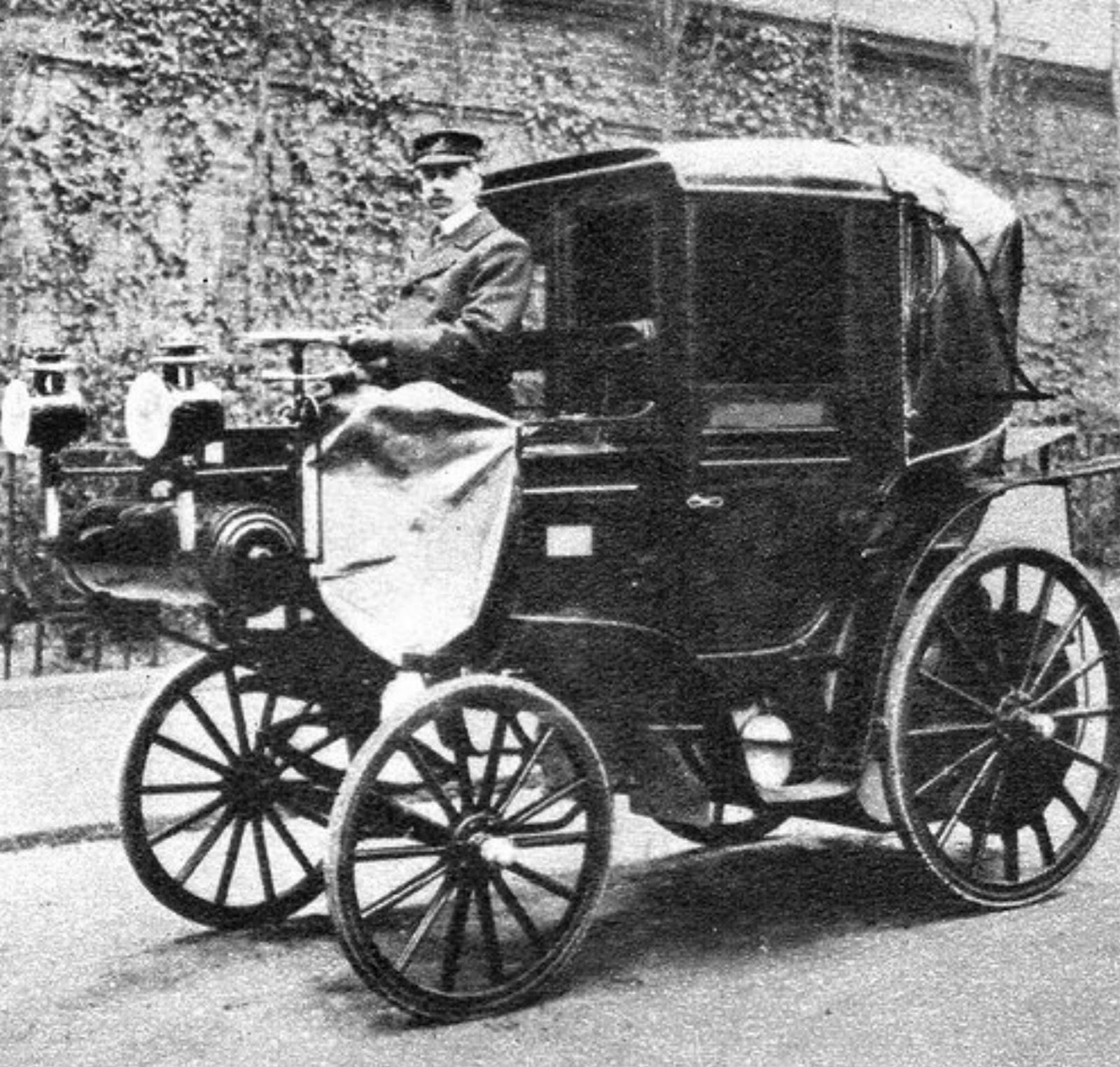
In 1897, Gottlieb Daimler built the first modern taxi equipped with a meter, the “Daimler Victoria.” That same year, the first motorised taxi company began operating. By 1899, gas-powered taxis debuted in Paris, followed by London in 1903 and New York in 1907. Harry N. Allen, a developer of motorised taxis in New York, chose yellow for his vehicles after learning it was easily visible from a distance—a tradition that continues to this day.
In Birmingham and around the world, taxi numbers grew rapidly in the early 20th century. Key innovations, such as two-way radios in the late 1940s and computerised dispatch systems in the 1980s, further revolutionised the industry. Radios allowed drivers to communicate with customers and provide better service, marking a major leap forward for the industry.
Acquiring a taxi certificate involved numerous formalities. Each country established governing bodies to regulate taxi operations. Today, cities like Lima, London, New York, Mexico City, and Tokyo boast the highest taxi numbers. Vehicle models used as taxis vary widely, from Soviet models in Afghanistan to classic Ford Falcons in Australia. Popular options include Toyota Corolla, Scion xB, Hyundai Elantra, Volkswagen Type 1, and Toyota Prius.
The Toa Taxi Company
Today, many private taxi companies utilise modern technologies to streamline booking and payments. Individuals can even turn their personal vehicles into taxis to earn additional income.
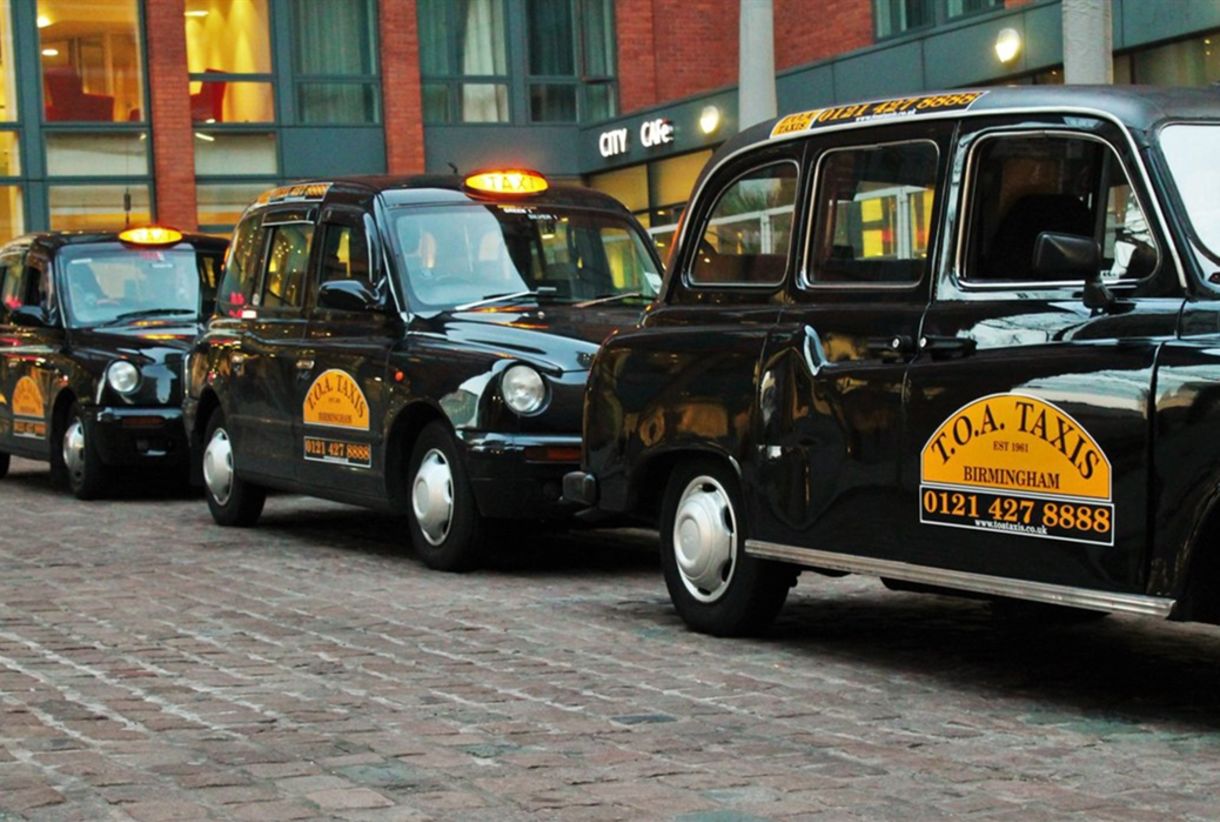
Birmingham’s oldest taxi company, Toa, celebrated its 50th anniversary on the road. This milestone marked five decades since the company’s founding, which revolutionised Birmingham’s taxi system.
Before Toa, customers booked taxis by calling from phone booths near taxi ranks in Digbeth, New Street Station, or Snow Hill Station. The first driver in the queue would answer the call and take the job.
This method became obsolete after 1961, when a group of Birmingham taxi drivers pooled resources to purchase radio equipment, forming the Taxi Owners Association Radio System. Drivers installed radios in their cabs, enabling them to move between ranks without returning to the queue.
Toa opened its first office in 1961 on Waterloo Street. The service later relocated to Edward Road, Balsall Heath, and Tindal Street. Over 35 years ago, it settled in Harborne. Since then, Birmingham’s taxi industry has undergone significant technological advancements, reflecting changing consumer expectations—from metered fares to digital booking systems.
Types of Taxis in Birmingham
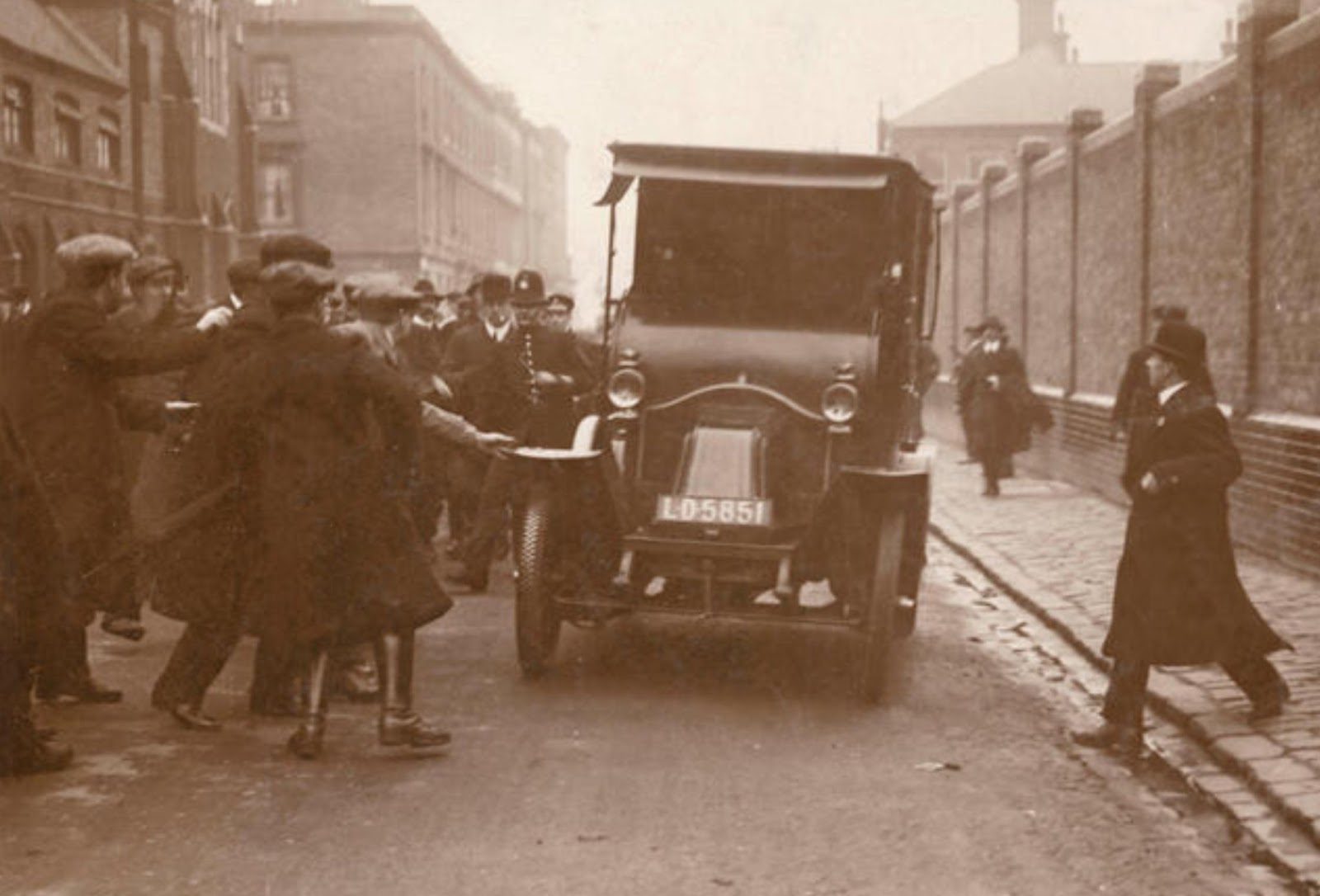
When thinking about Birmingham taxis, the iconic black cabs often come to mind. These traditional taxis are well-regulated and can be hailed on the street or found at designated taxi ranks across the city. Known for their spacious interiors and knowledgeable drivers, black cabs offer a reliable option for getting around.
In addition to black cabs, Birmingham boasts a wide range of private hire vehicles. Unlike black cabs, these vehicles must be booked in advance via phone, online, or mobile apps. Private hire vehicles come in various sizes and styles, catering to different needs and preferences.
Booking a taxi in Birmingham is straightforward. Traditional methods include calling a taxi company or visiting a taxi rank, which remains a convenient option for those who prefer human interaction when arranging a trip. Modern alternatives involve using taxi apps, which have become increasingly popular with the rise of smartphones.
Apps like Uber, Bolt, and local options such as Birmingham Taxis offer features like real-time tracking, fare estimation, and cashless payments. Users can also rate drivers and leave feedback, ensuring high service standards.
Fare Structure
Taxi fares in Birmingham depend on several factors, including distance travelled, time of day, and type of vehicle. Longer distances naturally incur higher fares. Time of day also influences prices, with night fares being higher than daytime rates.
Black cabs operate under a regulated tariff system set by the local council, ensuring consistent pricing. Private hire vehicle fares, however, can vary significantly depending on the company and trip specifics. Understanding fare structures helps passengers make informed decisions about their transportation options.