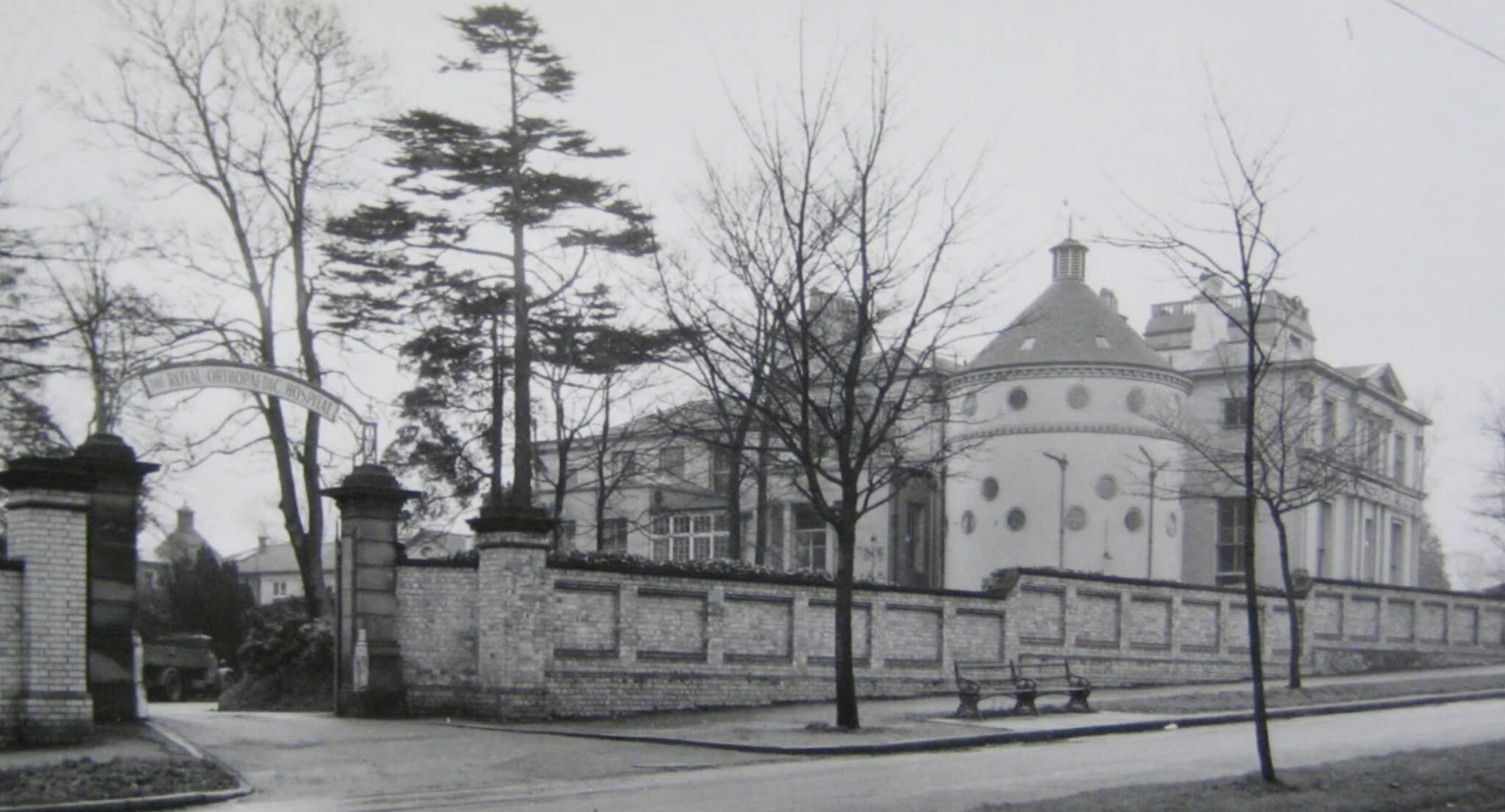

The rapidly developing British city of Birmingham has a rich history, culture and numerous architectural monuments. Birmingham’s medical institutions stand out among such historical diversity. The first hospitals in the city appeared back in the Middle Ages, when they were run by churches and the sick were cared for by monks. One of the first medical institutions in modern understanding was the general hospital built in 1779 and a dispensary for the poor, which was opened in 1792. City residents could receive free medicines there. Learn more about the development of medicine in 19th-century Birmingham and the opening of the first medical institutions in the city at ibirmingham.info.
First city hospitals
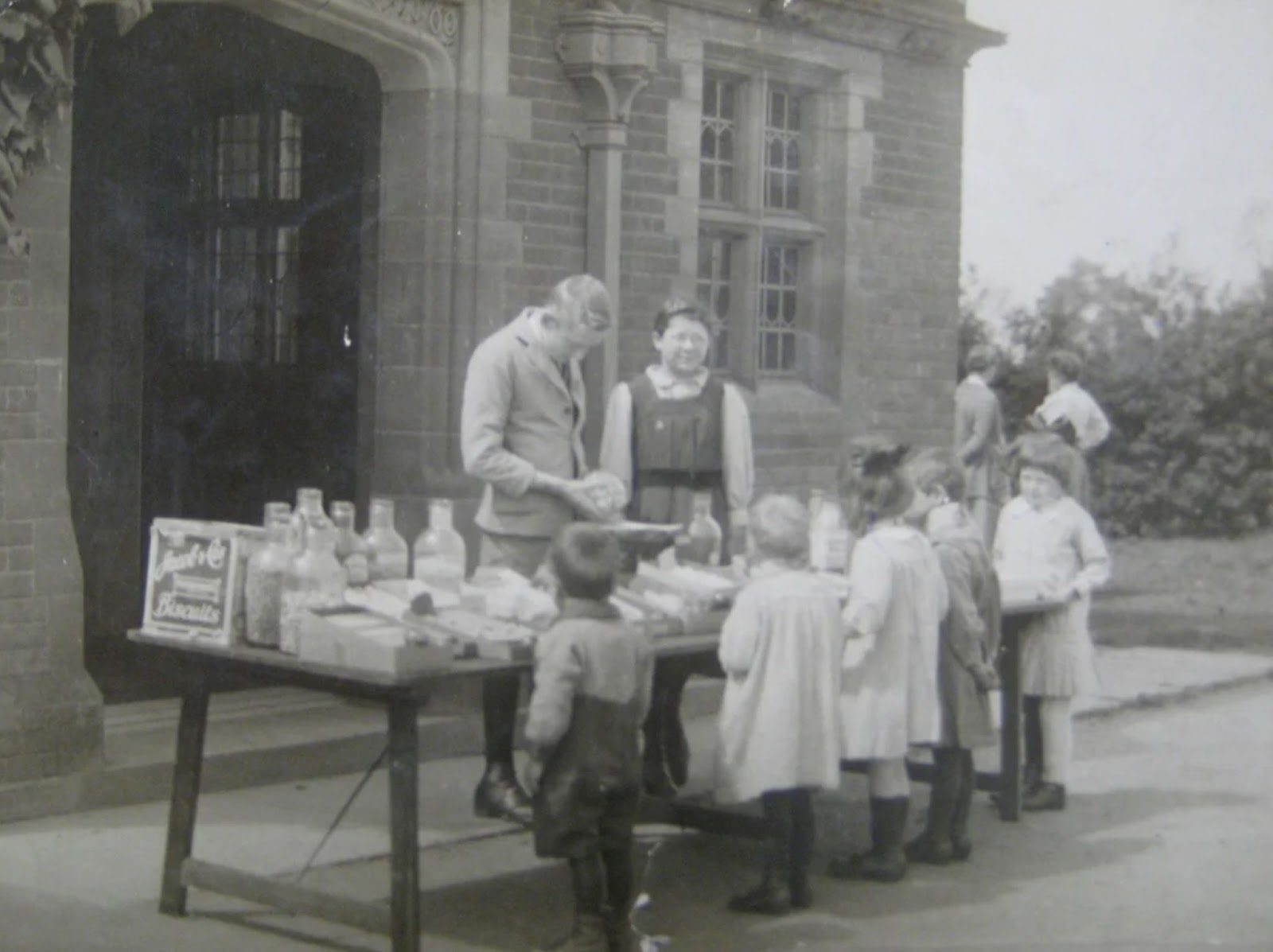
Considering the construction and opening of the first hospitals in Birmingham, we can’t forget the Royal Orthopaedic and Spinal Hospital, which was opened in the centre of Birmingham in 1817. The Birmingham and Midland Free Hospital, now the Birmingham Children’s Hospital, was opened in Steelhouse Lane in 1862. In its second month of operation, the institution admitted 16 children, filling all available beds in the hospital.
Cholera outbreaks in Dudley led to the establishment of a Board of Health in 1852 and the Guest Hospital in 1867. In 1889, the City Hospital in Dudley Road, Winson Green, was built as an extension to the workhouse according to the designs of Florence Nightingale.
Another hospital has been operating in the Birmingham Heartlands since 1895. At the moment of its establishment, it could treat patients who needed isolation. The first of these was a patient with smallpox, who was admitted immediately after the opening. By the way, the last patient with smallpox in the world was admitted here in 1978.
Around the same time, an infirmary was attached to the parish workhouse at Kings Norton. Later, it became Selly Oak Hospital. Solihull Hospital was originally a workhouse. In 1839, it treated the “undeserving poor”, including the homeless, the sick, the elderly and those suffering from smallpox and tuberculosis. It was officially converted into a hospital a century later. As we can see, Birmingham has been quite advanced in the field of medicine for several centuries.
Royal Orthopaedic Hospital
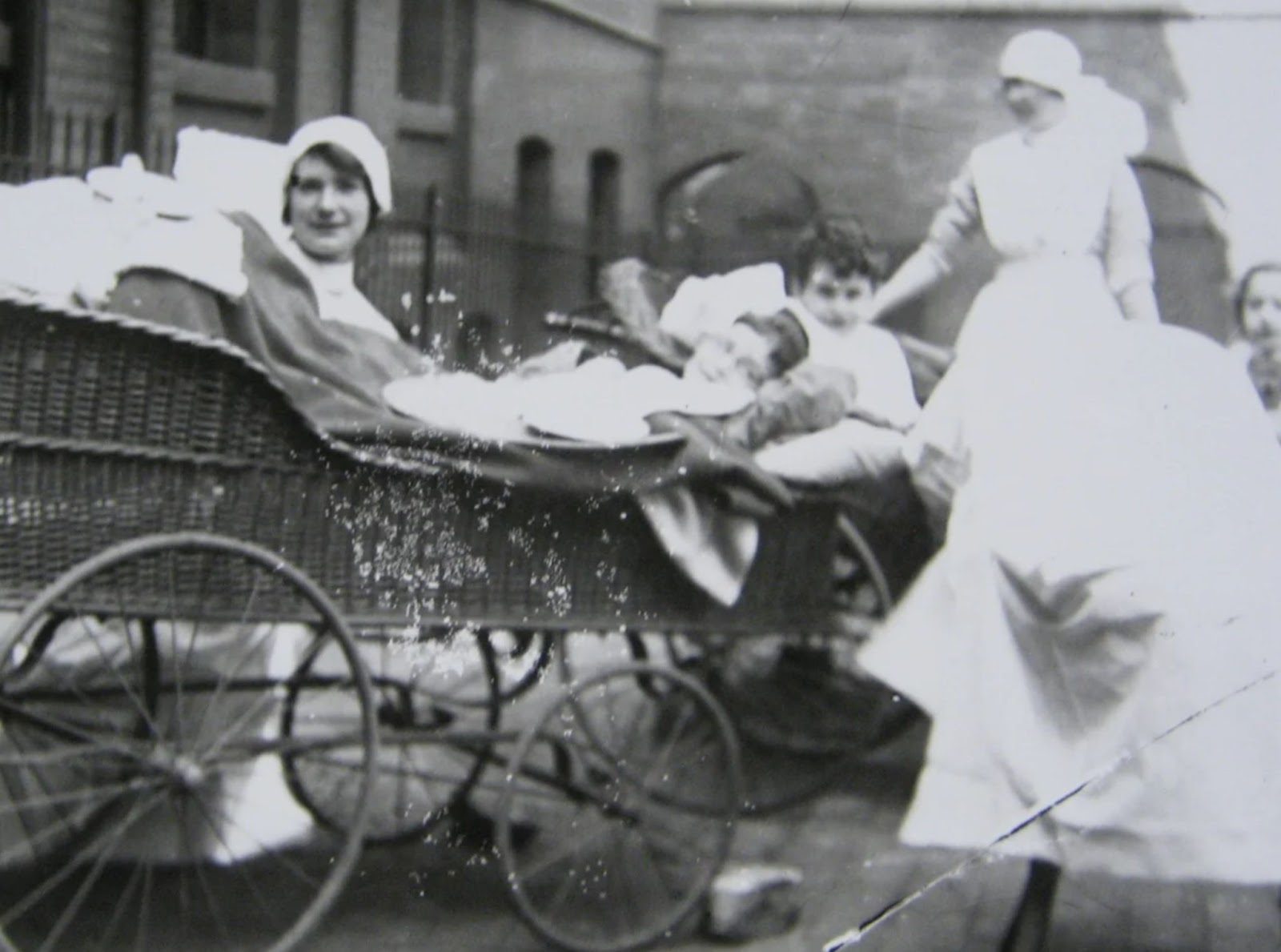
In the late 18th and early 19th centuries, the city was expanding rapidly and its population was experiencing significant problems in the medical and social spheres. Therefore, the General Hospital was founded in 1766 to care for patients with medical and surgical problems as well as expectant mothers. In addition, there was a dispensary that provided medicines and vaccinations.
There was no rescue place in Birmingham for people with physical disabilities caused by problems with bones and joints. Therefore, on June 17, a committee under the chairmanship of the Earl of Dartmouth established a general institution to provide assistance to people suffering from these diseases.
The first surgeon at this new hospital was Mr Freer, whose portrait now hangs in the Board Room. From its early days, the hospital enjoyed great local support and changed various locations. For example, it moved to Newhall Street in 1877.
In 1888, a new wing was added to the hospital, thanks to a donation from Queen Victoria, who also allowed the hospital to be called the Royal Orthopaedic and Spinal Hospital. The institution began to accept medical students from the Birmingham Medical School.
At the same time as the Royal Orthopaedic and Spinal Hospital was developing on Newhall Street, the Birmingham Cripples Union in Hurst Street was caring for children with polio, tuberculosis of the bones and joints as well as spinal problems.
At that time, the first advancements in medical technology began to be widely introduced. One of them was X-rays discovered in 1898.
George Cadbury’s contribution
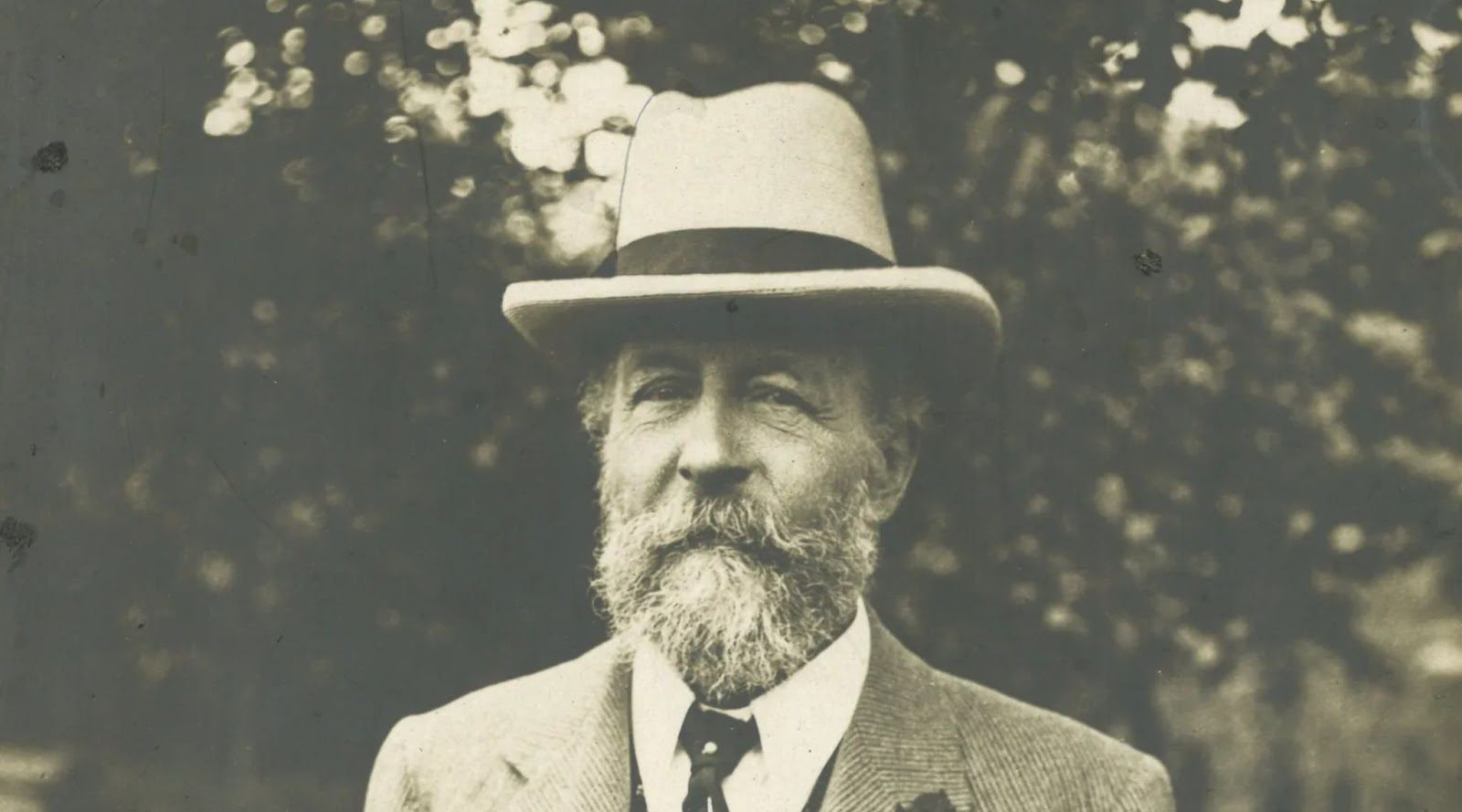
In the same year, chocolatier and philanthropist Mr George Cadbury donated a house and land in Northfield, known as The Woodlands, to the Birmingham Cripples Association. In 1925, the Royal Orthopaedic and Spinal Hospital and the Birmingham Cripples Association merged and King George V officially named the organisation the Royal Cripples Hospital.
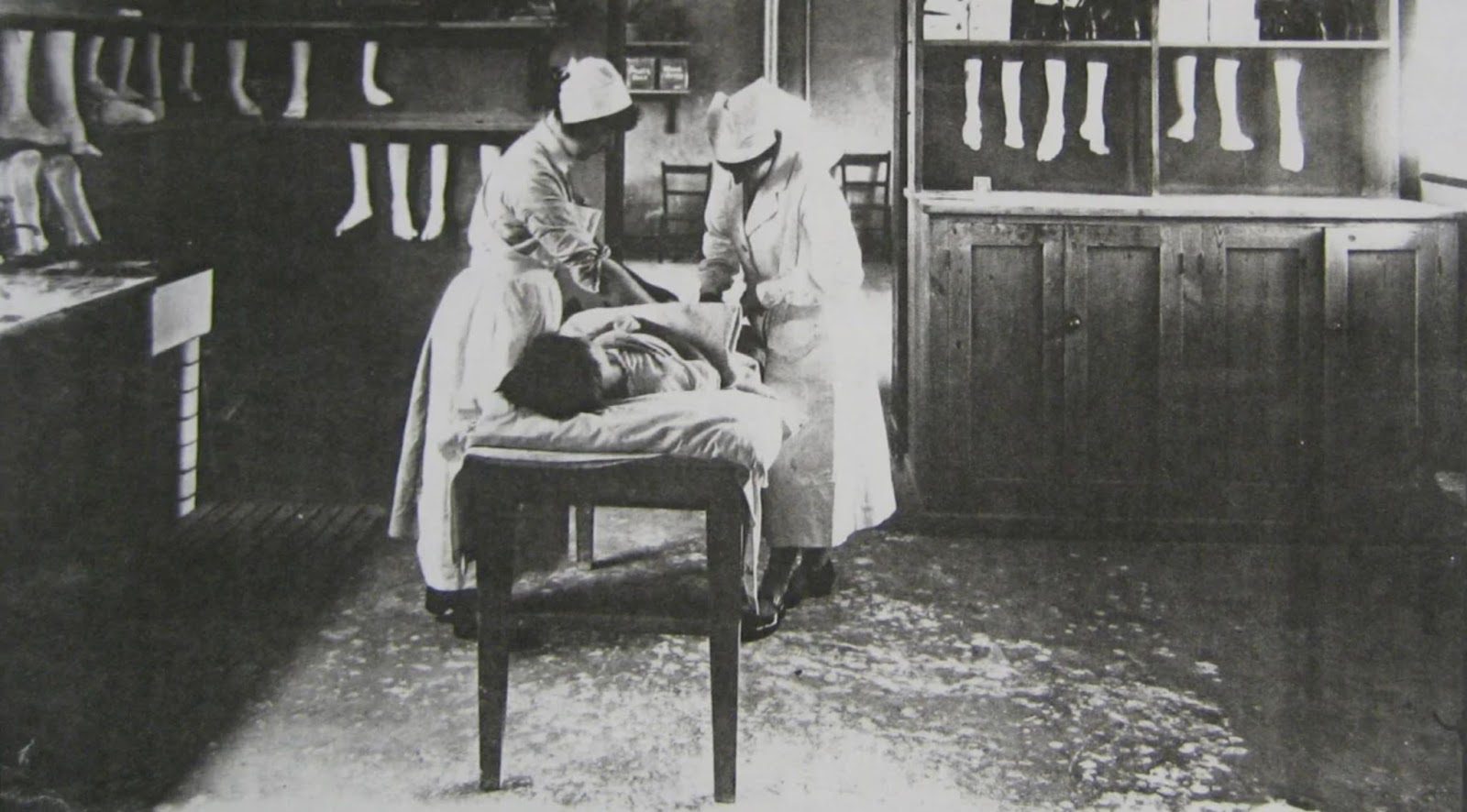
In the 1920s, the hospital invested in outpatient and inpatient facilities at Broad Street and in The Woodlands respectively, as well as other convalescent services. At the time, the hospital employed four surgeons to perform regular operations. The most famous of these was Mr Naughton Dunn.
He was trained by the eminent orthopaedic surgeon Sir Robert Jones and helped provide orthopaedic treatment to military patients during the First World War. Mr Dunn is best known for having developed a method of fusing paralysed feet, which was used throughout the world for many years.
In 1932, the hospital was visited by Sir George Newman, Chief Medical Officer of the Ministry of Health. He described the hospital and its organisation not as a public institution run by Whitehall, but as a triumphant collaboration of voluntary and public efforts.
The history of the Royal Orthopaedic Hospital operation at the time of the National Health Service foundation (in 1948) is one of the greatest technical, academic and medical achievements, setting high standards in patient care and physiotherapy. Great emphasis was placed on the training of nurses and physiotherapists. These traditions have survived to this day.
Among the many people who contributed to the advancement of orthopaedic surgery in Birmingham were Francis Allen, who performed spinal deformity surgery and Rodney Sneath, a surgeon who dealt with bone tumours.
Royal Orthopaedic Hospital Charitable Trust
The Royal Orthopaedic Hospital NHS Charity Trust was established in the late 20th century to support patients, their families and carers as well as to provide funding for specialist training and equipment. In 2022, it was renamed the Royal Orthopaedic Charity.
In 2014, one of the institution’s former patients, Mr Michael Dubrowsky, died after treatment for chondrosarcoma and left a substantial donation to the Trust. That money allowed the hospital to invest in a modern laboratory, which was called the Dubrowsky Regenerative Medicine Laboratory. It was officially opened on 17 December 2019.
In 2022, staying true to its original mission of helping local people, the institution opened two clinics in the community. Those are MSK in Harborne and Community Health Hub on Griffins Brook Lane, which supports advanced physiotherapist trainees and new staff. Today, innovative robotic technology is routinely used in the hospital, with over 100 knee replacements performed using modern equipment.