

Losing a baby during pregnancy, birth or the first few weeks of life is a great tragedy for the parents and can have long-term consequences. People who have lost a child can sometimes feel that the death could have and should have been avoided and that the medical care they received was substandard. Such cases have occurred in Birmingham. The loss of a baby clearly has a huge psychological impact on relationships, work, health and mental state. It is also important to remember that mothers can also suffer physical trauma. Learn more about the story without a happy ending that happened at Birmingham Maternity Hospital at ibirmingham.info.
What causes stillbirth?

A stillbirth is the birth of a dead baby after 24 weeks of pregnancy. A baby can die in the womb or during labour. Most stillbirths are natural and can’t be prevented. However, there are many factors that can increase the risk. Such tragedies often are caused by negligent medical care. If you believe that the care you or your baby received was substandard, you can make a claim for compensation.
Every stillbirth is a terrible thing. Therefore, parents and families should always have the opportunity to ask questions to the medical staff. Such complaints often lead to serious investigations at hospitals, including examining the care provided and identifying every instance where the medical care or treatment fell below the required standard.
Another point to consider is when a baby is born alive but dies within 28 days. This is called a neonatal death. As with stillbirth, neonatal death can’t be prevented in many cases and the cause may also remain unknown. However, if there is a belief that the medical staff could and should have done more to save your baby in the first seconds, days or weeks after birth, an investigation should be carried out as well.
Medical mistakes include failing to perform an emergency caesarean section when necessary and failing to address postpartum complications such as sepsis, group B strep or meningitis.
If parents are concerned that their baby has not been resuscitated or given the necessary care after a difficult birth, they also should demand an investigation of possible medical negligence.
Baby would have been born alive

One such case occurred at Birmingham Women’s Hospital. Afterwards, the institution expressed a deep apology for the poor quality of care provided to the mother. The woman from Birmingham, who didn’t want to be named, developed a liver disease during her pregnancy that caused acid to build up in her body. She was told it would increase the chances of an early or stillbirth.
The hospital developed a care plan for the mother and baby and set a date for an induced labour. However, the doctor rescheduled the labour date due to her deteriorating condition, which the mother-to-be wasn’t told until she received a hospital call on the appointed date. Still, the induced labour was cancelled because the midwife believed it had been a mistake. The unborn baby died in the womb the next day.
Following a successful medical negligence claim brought by Hudgell Solicitors, it was admitted that if the woman had had labour on the established date, her baby would probably have been born alive. The mother, who was expecting her third child, said she didn’t feel listened to by the hospital’s maternity staff. She said she was worried about her baby but felt she was being treated like a pest. The woman had a very serious illness but nobody cared.
Tragedy for parents
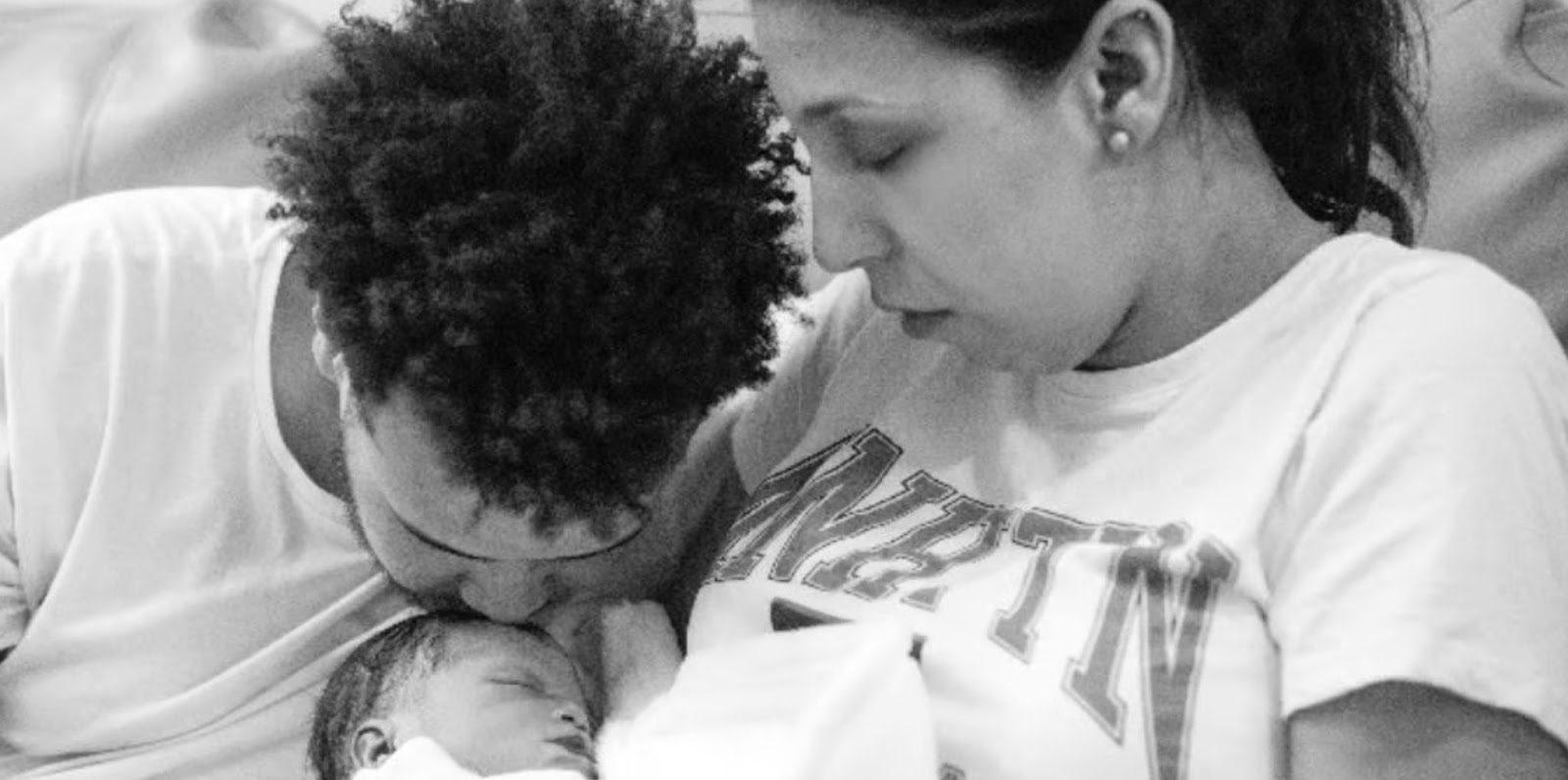
The death of the child was a real tragedy for the parents. During the hearing, it was proven that the woman lost her child due to poor-quality treatment. There was a breakdown in communication about the delivery plans and the consultant didn’t discuss the date change.
If the patient had been informed better, she would have come immediately as soon as the midwife called. By the way, after reviewing the hospital’s medical records, it became clear that the documentation was done improperly and official instructions weren’t followed. For example, the consultant made a decision without even talking to the patient.
The situation happened in 2019. The mother was diagnosed with obstetric cholestasis at 28 weeks of pregnancy. The hospital’s medical team even put her in a high-risk group, since the woman had the same symptoms during a previous pregnancy. Obstetric cholestasis causes the accumulation of bile acids in the body and one of the symptoms is severe skin itching without a rash.
The high acid level is known to cause stillbirth and requires a planned birth, either by induction or caesarean section. It was the case, so when tests revealed that the woman’s acid levels remained high, her consultant decided to reschedule the induced birth to 36 weeks. However, it wasn’t discussed with the mother and she wasn’t informed of the new date.
The mother went to the maternity assessment centre the following day, complaining about a decrease in fetal movements. An ultrasound scan showed that her baby had died. The woman said she received no support or proper antenatal and labour advice throughout her pregnancy.
She also told doctors at Birmingham Women’s Hospital that she was increasingly worried about a stillbirth as her itching was unbearable compared to previous pregnancies. However, nobody responded to her concerns or informed the woman of her condition. The mother was advised only on the loss of her baby.
Causes of death
It took over a year before the woman decided to seek legal advice. The Birmingham Women’s and Children’s Health Trust conducted an investigation and eventually admitted to the errors. This brought relief to the parents, as it became clear that the woman wasn’t at fault.
The Birmingham Women’s and Children’s Health Trust admitted that a breakdown in communication and lack of continuous care by the hospital’s medical team had led to the stillbirth and agreed to pay £38,000 in compensation.
The institution admitted that the induced labour should have taken place as planned on 27 July 2019 due to the patient’s high levels of acid in her blood, which put her at risk of stillbirth. The Birmingham Women’s and Children’s Health Trust also admitted that the way it reviewed records in its digital system was inconsistent and that the change in due date should have been discussed with the medical team.
It was supposed to be a special day for the parents of the baby girl, but it turned into the worst one, causing complete devastation because it was preventable.