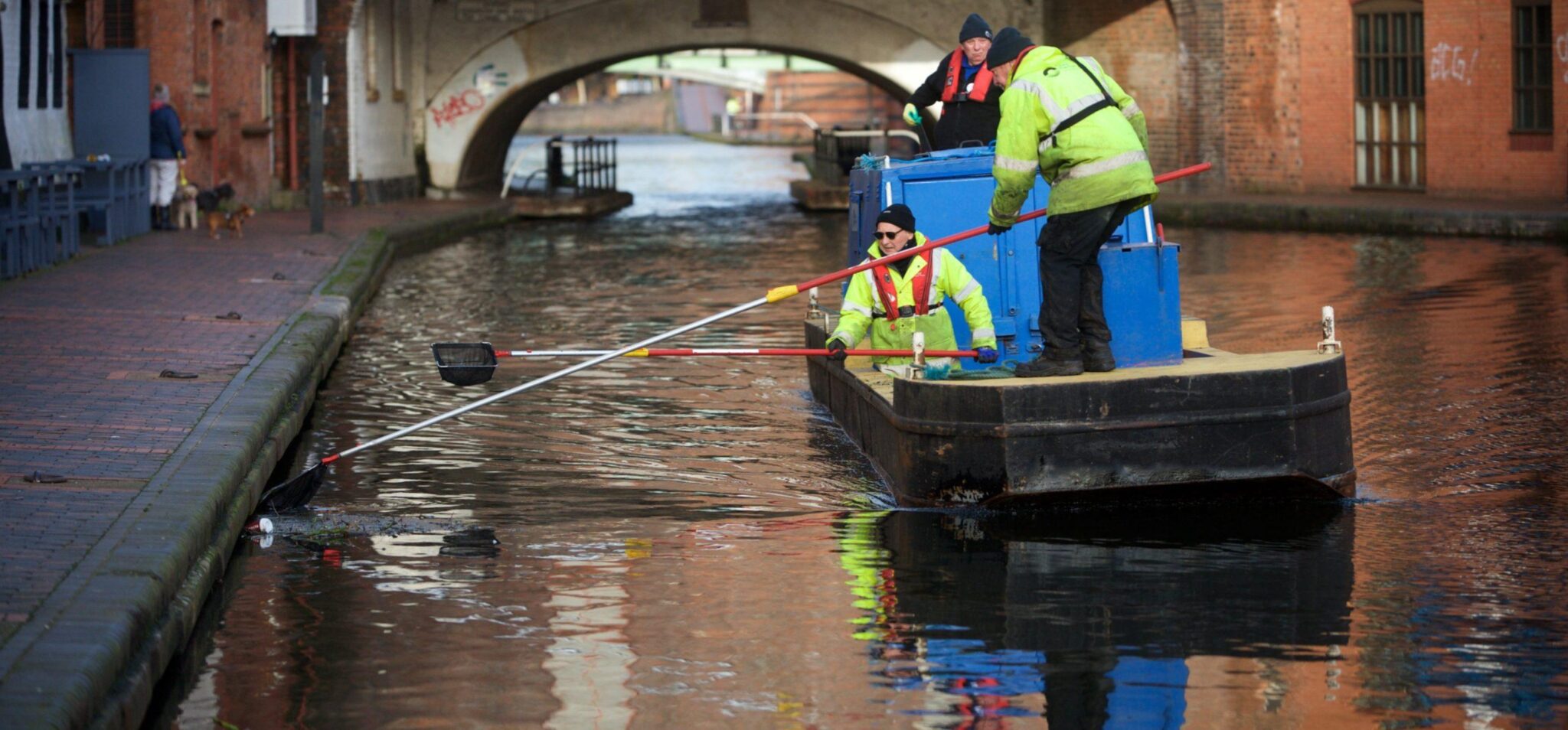

Nowadays, many British rivers still have water quality problems due to run off, sewage, agriculture and other sources of pollution, and the government is investing heavily in upgrading water treatment systems and supporting natural river cleaning processes. For more details on the problem and ways to solve it, see: ibirmingham.info.
Recognition of the problem
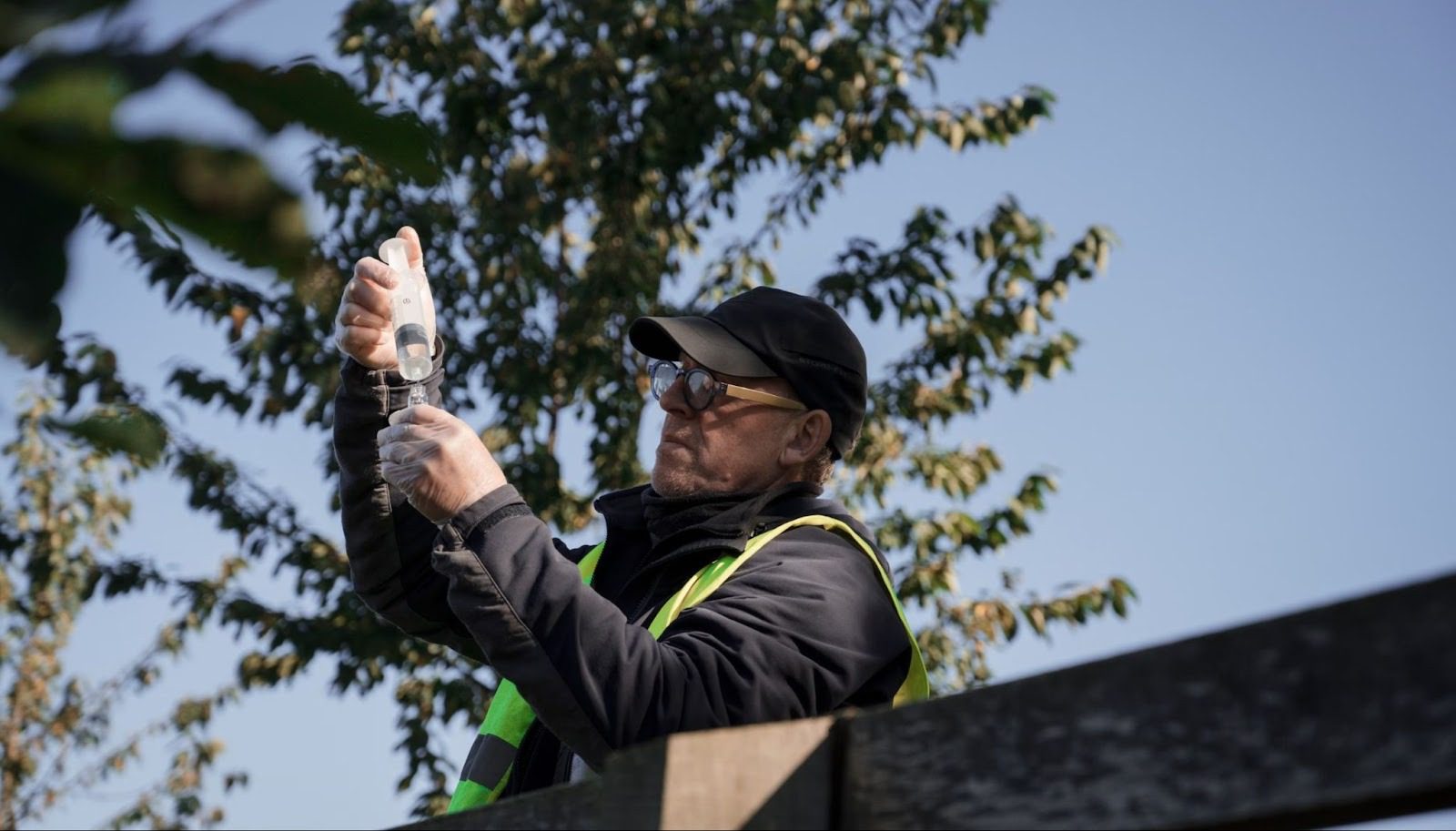
Birmingham is no exception; the city faces water supply problems, including clogged drains, which are also overgrown with algae, flood risks due to climate change, and a legacy of underground pollution. We are talking about chlorinated solvents that enter groundwater through industrial waste, dry cleaning, and metal degreases, where they dissolve slowly, forming toxic, mobile contaminants that make water undrinkable and harmful to health.
This increases the risk of cancer, nervous system disorders and hormonal imbalances, as chlorinated solvents are persistent organic pollutants that seep through the soil. It is therefore clear that aquifers in Birmingham are being polluted by human activity.
In addition, experts in the United Kingdom are concerned about droughts, which, due to human activity and global climate change, have become one of the problems affecting water supply in Britain. Water supply companies, whose activities often affect the condition of rivers and the reliability of water supply, also have an impact.
To make river water suitable for drinking or use in water supply, it is passed through modern treatment facilities. In the UK, this is done by commercial companies.
Although the current tap water in Birmingham is generally soft and tested, the city is playing it safe by combating pollution of surface water, mainly river water, potential supply and management disruptions, and historical industrial pollution of groundwater.
The legacy of industrial success
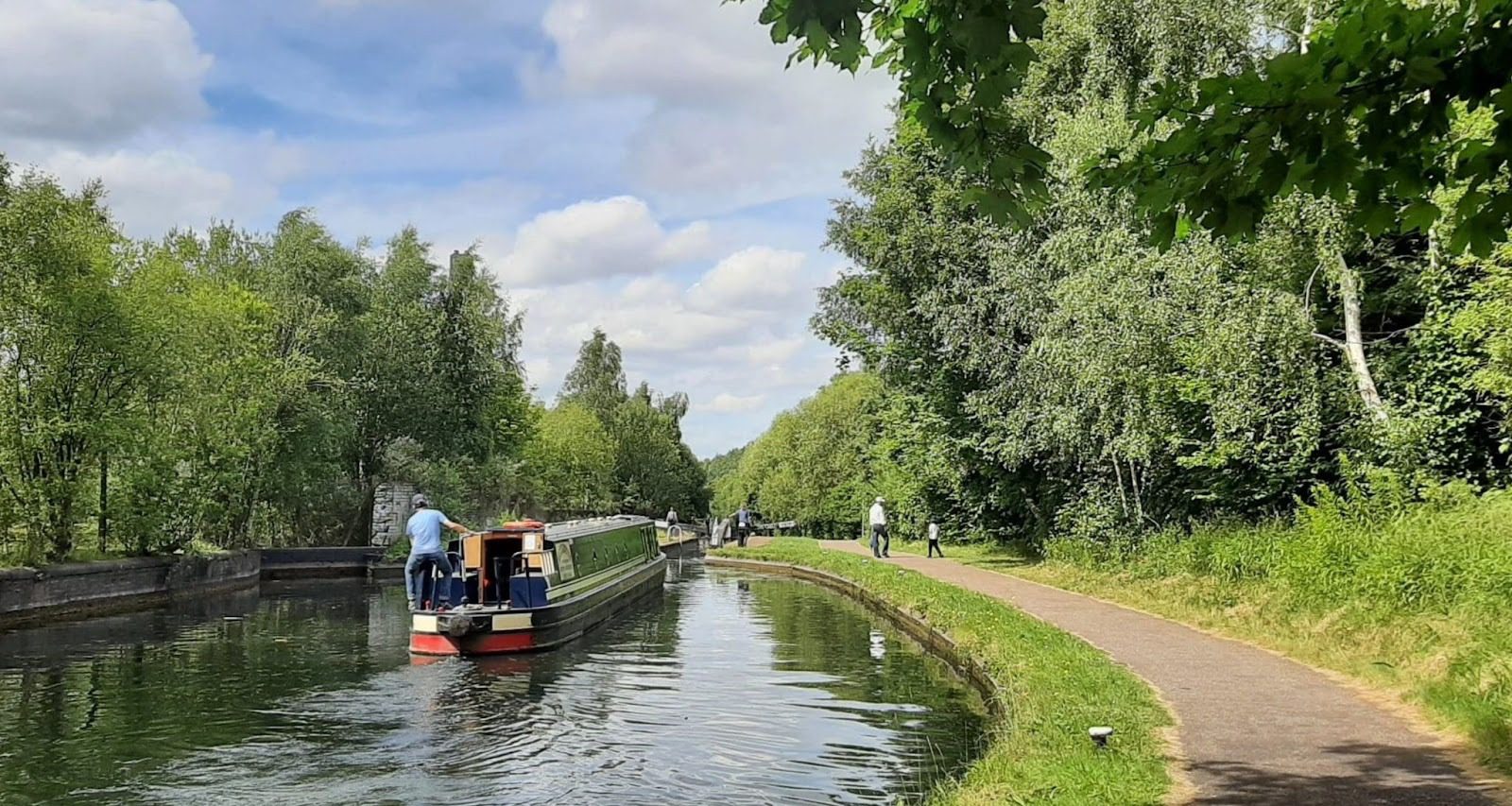
When people talk about Birmingham, they usually mention factories, canals, steelworks, forges, and the noise of the industrial revolution. And few people think about the fact that all this has had a very negative impact on water quality for many years. Meanwhile, it is water, its quality and condition, that is one of the most accurate indicators of the ecological state of a city.
Birmingham’s rivers — the Thames, the Cole, and dozens of smaller waterways — not only flow through the urban landscape, they carry with them the memory of centuries of urbanisation, industrial growth and environmental mistakes. And unfortunately, there have been quite a few of the latter.
In the 19th century, Birmingham became a symbol of technological progress. However, this progress came at a price. Industrial waste, uncontrolled discharges, river straightening and concrete embankments turned rivers into technical canals. Even today, decades after deindustrialisation, heavy metals and chemicals remain in the bottom sediments of many of Birmingham’s waterways, affecting the biological health of the rivers.
However, recent studies show that a significant proportion of water bodies within Birmingham have only a “moderate” or “poor” ecological status. This does not mean that the water is permanently polluted or toxic, but it does indicate chronic overload of ecosystems. In other words, the situation is such that the river has to survive rather than thrive.
In this context, wastewater remains one of the main threats today. Birmingham, like most old British cities, has a complex combined sewer system, where rainwater and domestic wastewater often flow into the same pipes. During heavy rainfall, the system becomes overloaded, and the excess water is discharged directly into rivers without being fully treated.
For residents, this sounds abstract until it comes to real consequences, such as swimming bans, unpleasant odours, fish deaths, and a decline in confidence in the urban environment. A river that could be a place of recreation becomes a risk zone.
Technology will save us
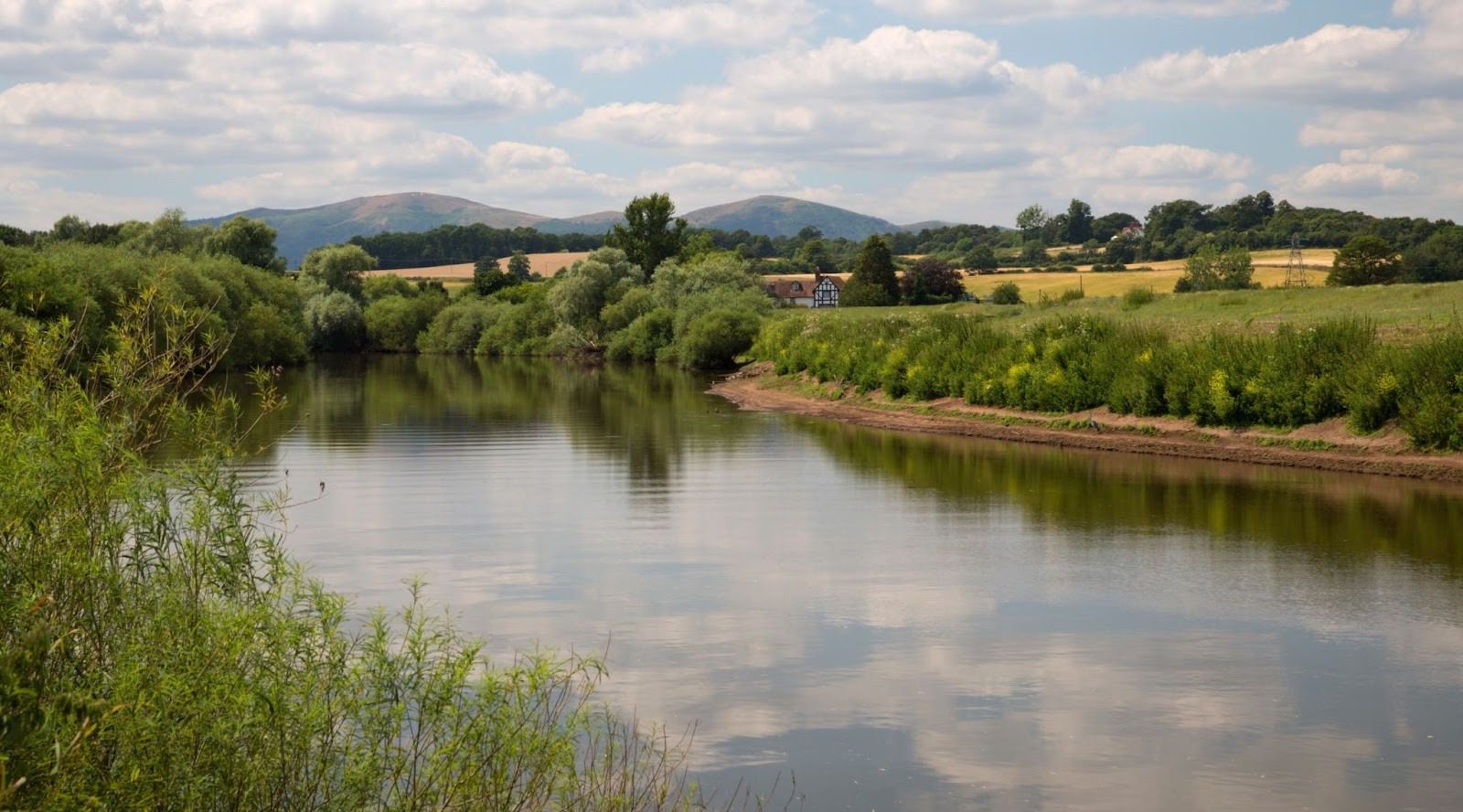
Water purification in Birmingham today is a combination of engineering technologies and political decisions. Municipal and regional services are investing in the modernisation of treatment facilities, reducing the number of emergency discharges, and improving water quality control. Modern treatment plants are capable of removing not only organic pollutants, but also some microparticles and chemical compounds.
However, technology alone is not a panacea. Birmingham’s experience shows that without systematic management, transparency, public oversight, and, when necessary, pressure, even the best technologies will not work to their full potential.
Admittedly, the approach to solving the problem has changed in recent years. Nowadays, more and more attention is being paid to so-called nature-based solutions. These include the restoration of floodplains, the creation of coastal green areas and artificial wetland systems that act as natural filters. Plants, soil, and microorganisms are able to trap pollutants more effectively than any concrete or pipes.
What’s more, such projects change not only the water, but also the very feel of the city. Restored river corridors become spaces for walking, tranquillity and contact with nature. In other words, Birmingham residents are gaining a new quality of life in a more welcoming environment that is becoming less aggressive.
Another important feature of Birmingham is the active participation of universities and residents in monitoring water quality. Citizen science programmes allow volunteers to measure basic water quality indicators, record changes and report problems. This is not only a source of data, but also a way to give people back a sense of responsibility for the rivers.
When residents see the river not as “nobody’s” but as a shared resource, their attitude towards both the water body and the city as a whole changes. Ecology ceases to be an abstract topic — it becomes personal.
It is equally important that city authorities also pay attention to this issue. If this happens, the dilemma is close to being resolved. It is known that in the early 2000s, Birmingham City Council successfully secured funding from the European Regional Development Fund to implement the “Natural Rivers and Green Corridors” project. This project aimed to improve woodlands, meadows, wetlands, and watercourses along the River Ri and its tributaries in south-west Birmingham and the River Thames in west Birmingham.
In addition to improving wildlife habitats, the project benefited communities by making local green spaces more attractive and conducive to healthy lifestyles. It ran until July 2021 and improved the habitat value of 150 hectares of open public space and associated waterways.
A reflection of the city’s development
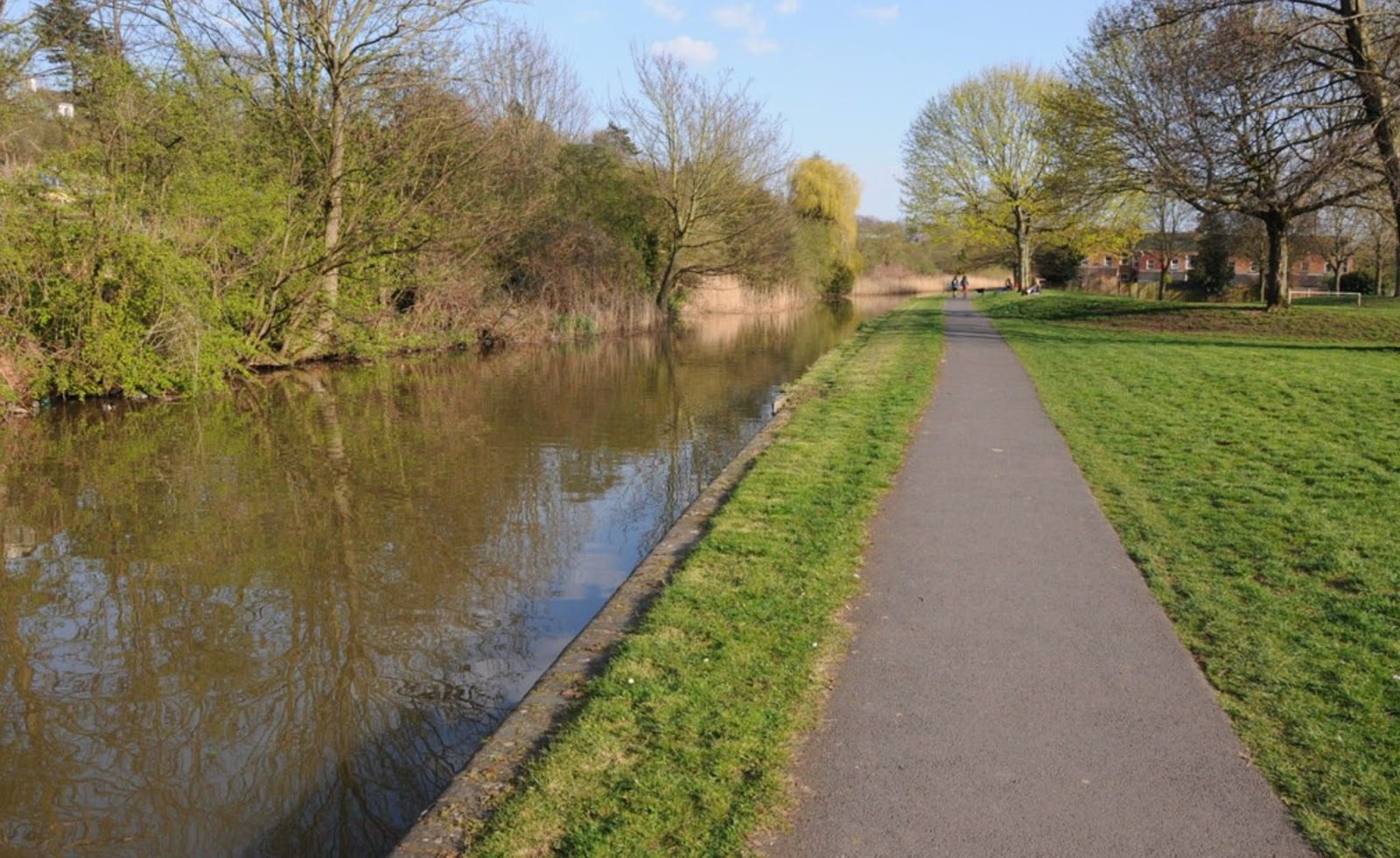
The state of water in Birmingham is a reflection of its development. Where water is purified and brought back to life, there is hope for a sustainable future. Where problems are ignored or postponed, risks accumulate — environmental, social and economic.
Birmingham is currently at a crossroads. It is no longer the industrial giant of the 19th century, but it has not yet become a fully “green” city of the 21st century. How it treats its rivers will show whether the metropolis is capable of learning from its own history. Sooner or later, water will return all its decisions to the city — in the form of clean banks or murky currents.
Sources: