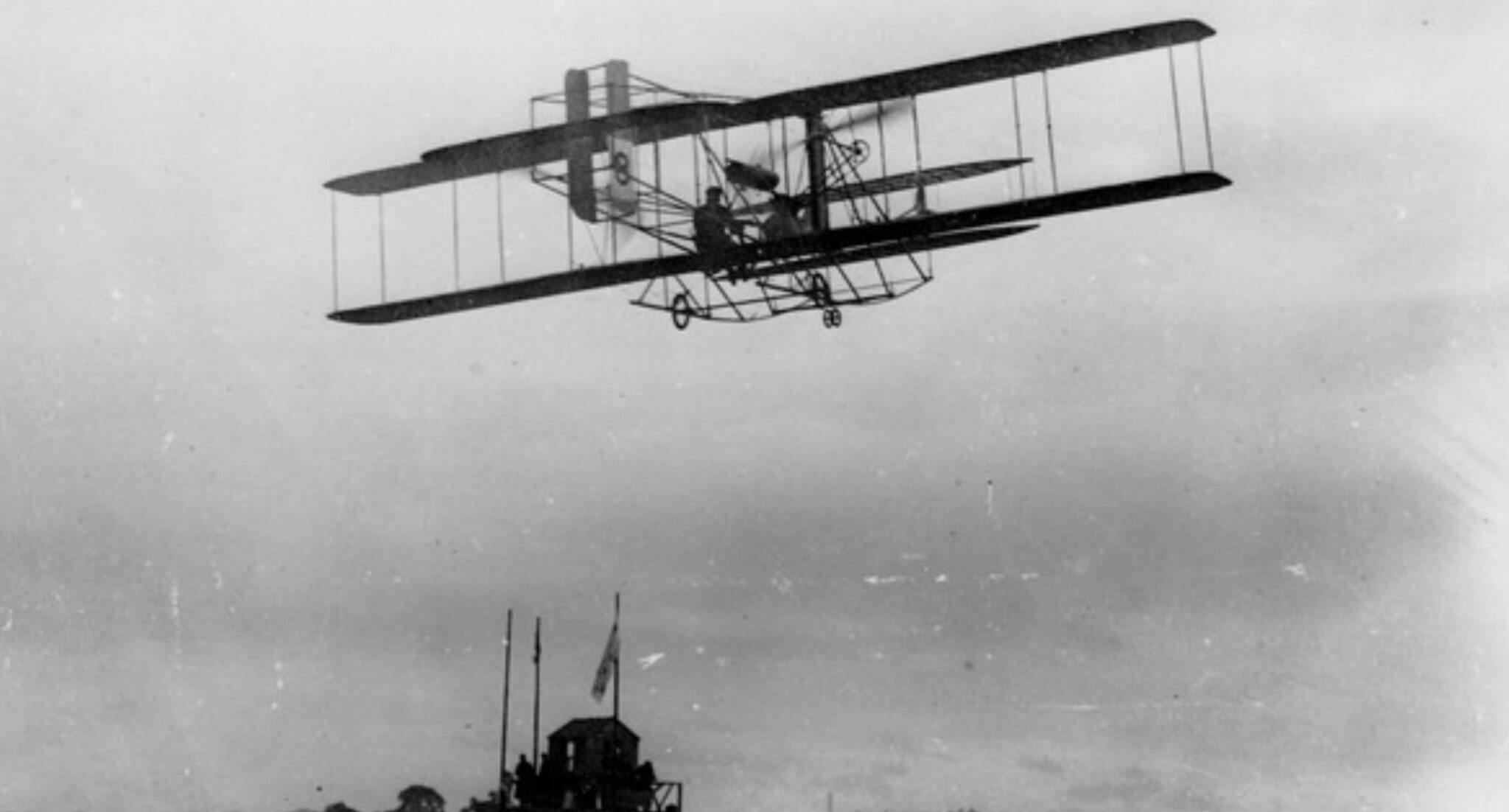

Early aviation in Birmingham began with the founding of the Birmingham Flying Club in 1909. In 1911, the flying club moved to a field at Billesley Farm. Edwin Prosser was one of the first members of the newly formed flying club. In 1913, at the age of just 17, he received his pilot’s licence. Edwin was one of the first pilots of early aviation and took part in flying demonstrations. It is known that Edwin later moved to Australia, and in 1917 he volunteered for the Australian Flying Corps as an engineer, but later returned to England. The fate of one of Birmingham’s earliest and youngest pilots is not known, but the history of the Birmingham Flying Club is, and you can read it at ibirmingham.info.
Birmingham’s first powered aeroplanes
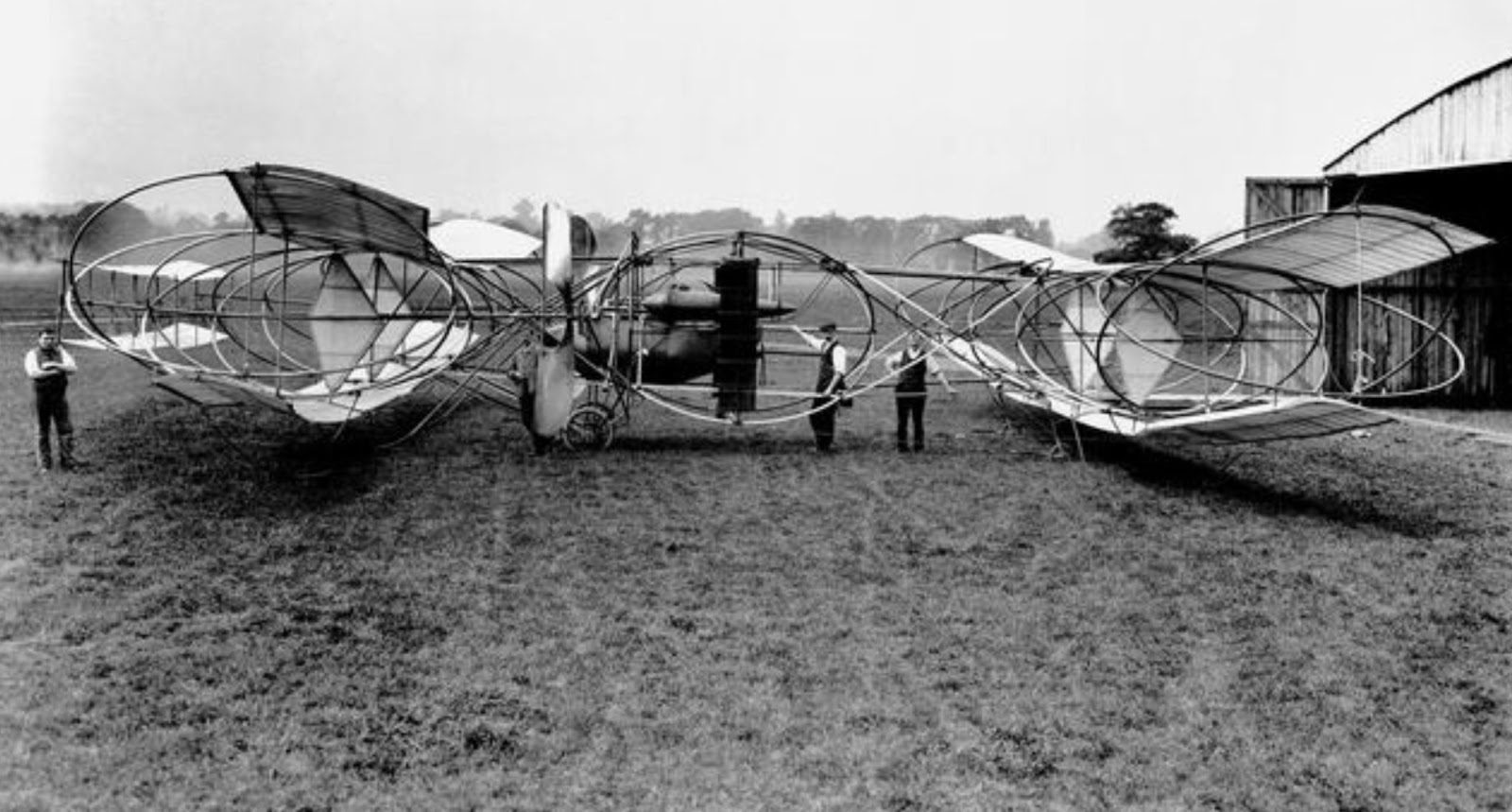
Thus, the first Birmingham Flying Club was founded in 1909. At the same time, heavier-than-air aeroplanes with a motor began to fly in the Midlands, or more precisely, in Bromwich. The place of the first such flight on a plane with an engine was Bromwich Castle. Interestingly, the first aerial flight at Bromwich Castle took place not from the flying fields, but from the golf course. This course was created in 1896 to the north-east of Bromford Road on a hill above the River Thame valley.
The first flight was made by Alfred Pericles Maxfield, six years after the Wright brothers. The man was both one of the first pilots and an aircraft designer. Before that, he made bicycles and motorcycles at his Victoria Road factory in Aston, but he never gave up designing his own aircraft.
Interestingly, the body of the aircraft was mostly made of bicycle tubes and had three bicycle wheels. The aircraft was powered by a 3-horsepower Garrard-Maxfield motorcycle engine. Maxfield made a number of successful test flights from the same golf course in the autumn of 1909, and later that year he exhibited his aircraft at the Royal Hotel on Temple Row.
But back to the flying club. Established in 1909, the Midland Flying Club was one of the country’s earliest private flying clubs and operated out of Dunstall Park near Wolverhampton. In 1912, the club moved to Castle Bromwich Playing Fields, where a hangar was built.
Midland Flying Club
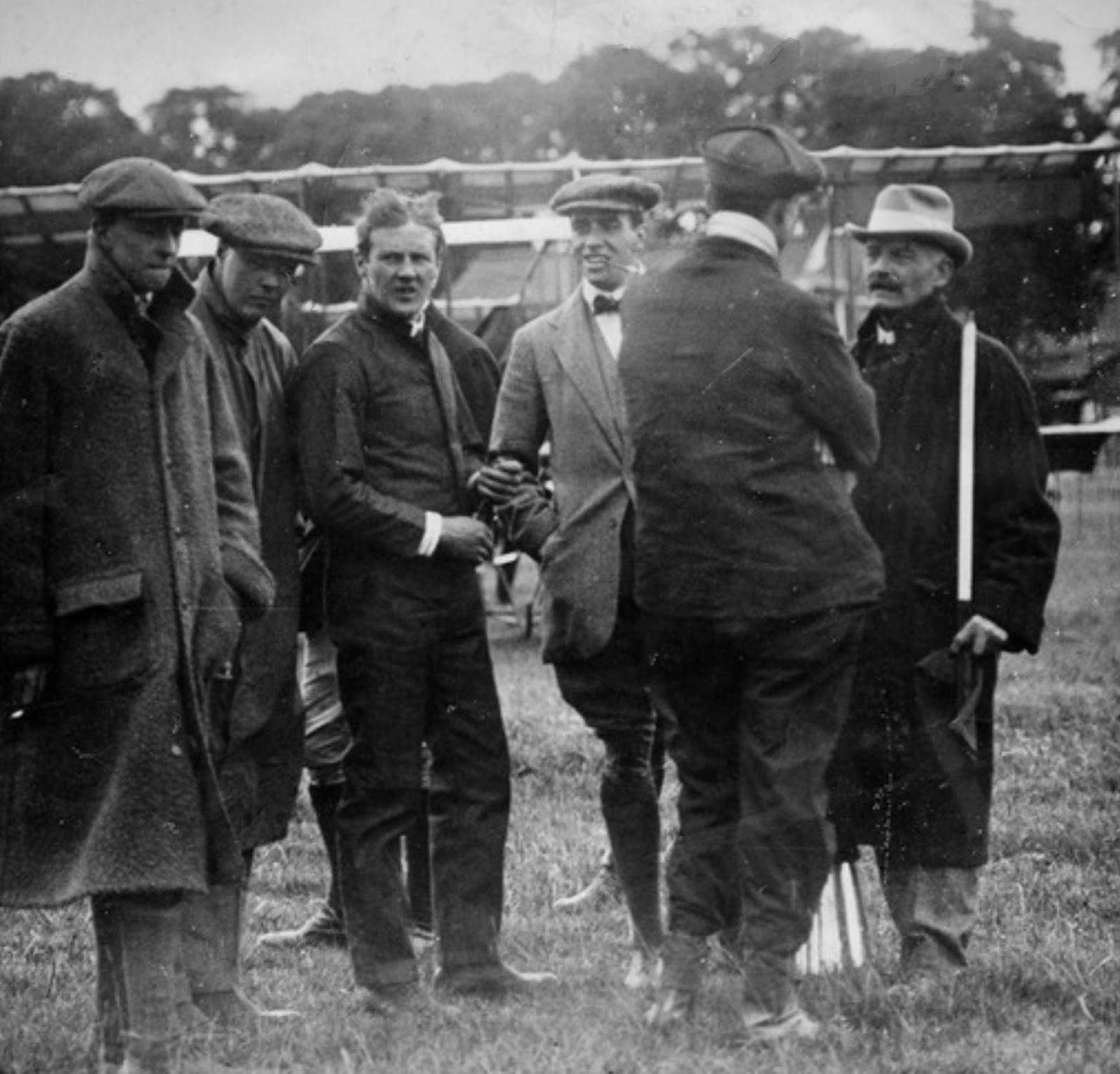
Midland Flying Club, considered one of the oldest private flying clubs in the country, had 100 registered members. That year it was only one of four such clubs in the UK. The Flying Club began with model flying and gliding competitions, which were held at Dunstall Park in Wolverhampton.
In July 1910, it was agreed that the club would lease sixty acres of land in Minworth for an aviation site. Although modelling remained the main activity of the Midland throughout its existence, members built several full-size manned gliders and even powered aircraft. In the same year, 1910, it moved on to full-fledged flights, holding the first six-day flying course in the country from 27 June to 2 July, exclusively for the British. A total of 22 planes took part in the training, and they had to fly a triangle in the air. In 1912, the Midland Flying Club moved to Castle Bromwich.
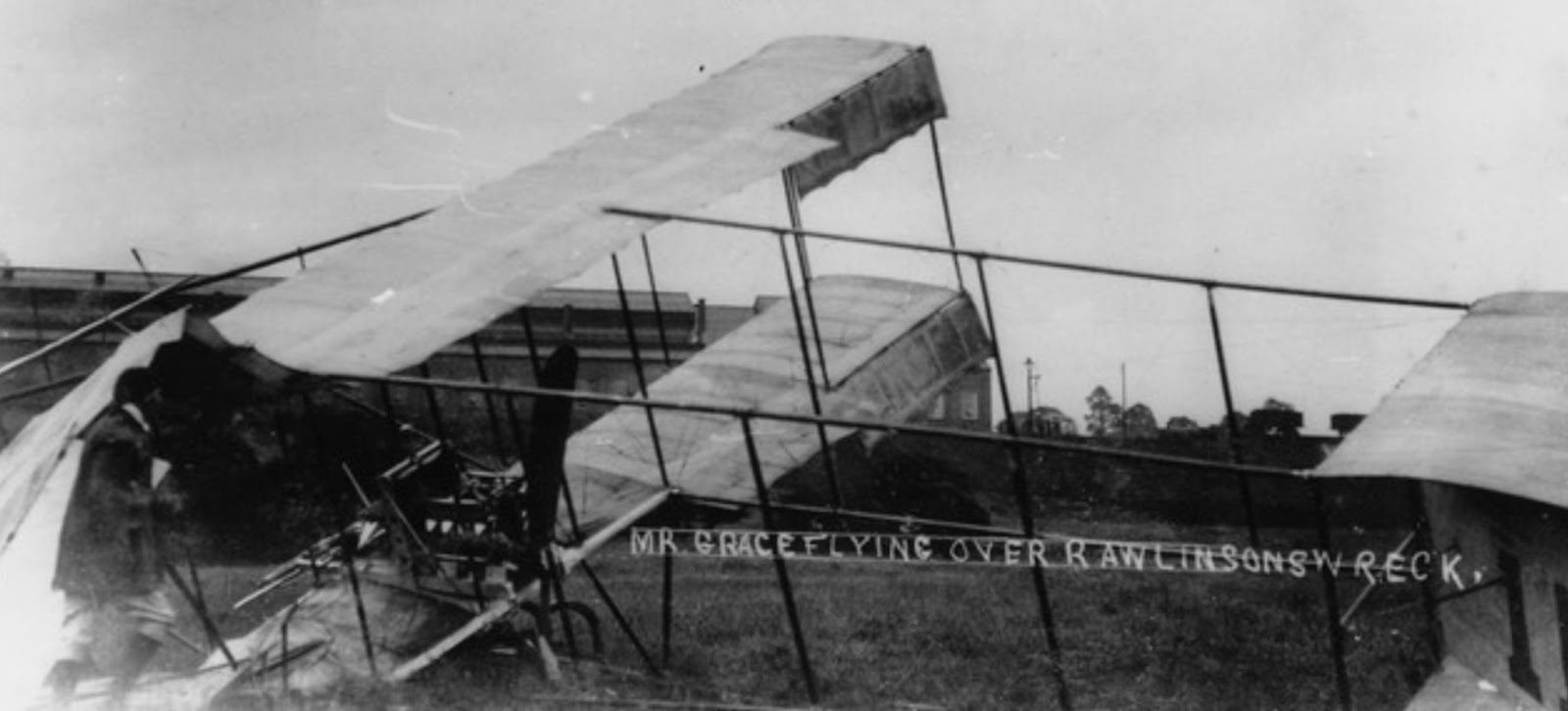
Overall, the year 1910 was quite productive for the members of the Midland Flying Club. At the beginning of the year, a Chanute glider was built. However, it was never destined to fly, as it was destroyed after a collision with a tree during its towing.30 Fortunately, none of the pilots or club members were in the glider at the time.
Monoplanes, gliders, monoplane canard
But the pioneering pilots did not stop there.10 Their next creation was a half-size monoplane. Its author was Ernest Alfred Noble. In his everyday life, the man worked as a newspaper editor and artist. He was originally from London and was 30 years old at the time of his participation in the flying club.14 Unfortunately, it is not known how the tests of this machine went. The main thing is that Mr Noble himself was not injured, as it is known that later in 1917 he received a pilot’s certificate, and before that, during the First World War, several of his illustrations were published in Flight magazine.
However, we know about the successful project of several other members of the flying club. We are talking about Edwin T. Prosser and Arthur Mayfield Bonehill. The men also developed the glider. Bonehill, who was born in 1884, was a gun maker in his everyday life outside of his passion for gliders and aeroplanes. He inherited this profession from his grandfather, Christopher George Bonehill, a well-known firearms manufacturer in the UK.
Accordingly, Bonehill Jr. worked in his business at the Belmont Firearms and Gun Barrel Works in Belmont Row, Birmingham. The glider he and his partner built was a Chanute type, and they made several flights, including passenger flights.
Another Birmingham man who left information about himself and his glider built at the Midland Flying Club was Ralph Platt. In March 1911, the man built the so-called canard monoplane. By the way, “canard” is translated from French as “duck”. The total weight of the aircraft was only 70 pounds, and the wing area was 222 square feet.
It should be noted that no passenger flights were ever made with this glider due to its small size and lack of space. Instead, it made several very successful free and towed flights without passengers. Later in October of the same year, the glider was converted to a biplane, and it flew until November. But in late autumn 1911, the glider was destroyed by a storm. In the reports of the flying club, there is a record that one of the club’s gliders was blown away by a strong wind to another flying field.
It is possible that this was Platt’s machine. Meanwhile, Ralph Platt was not upset about this for long and continued to work on new models, starting work on a monoplane with a motor engine, which he hoped to complete by Christmas. But there is no further information about the new glider in the flying club’s records.
Another glider designer about whom information was preserved in the flying club’s records was Adolf Edward Trikle. He began work on a glider that he developed together with Bert Walter Beebe. The peculiarity of this glider was that it was built entirely of bamboo.
Model tests were carried out at the end of 1911, and construction of the glider began in February 1912. Towed flights took place in August of that year, but later the “bamboo” glider crashed. Adolph Trickle was a tailor from Edgbaston, born in the United States of America. His partner Bibi was also an American. Until 1911, he was a beer salesman living in Birmingham.
The First World War
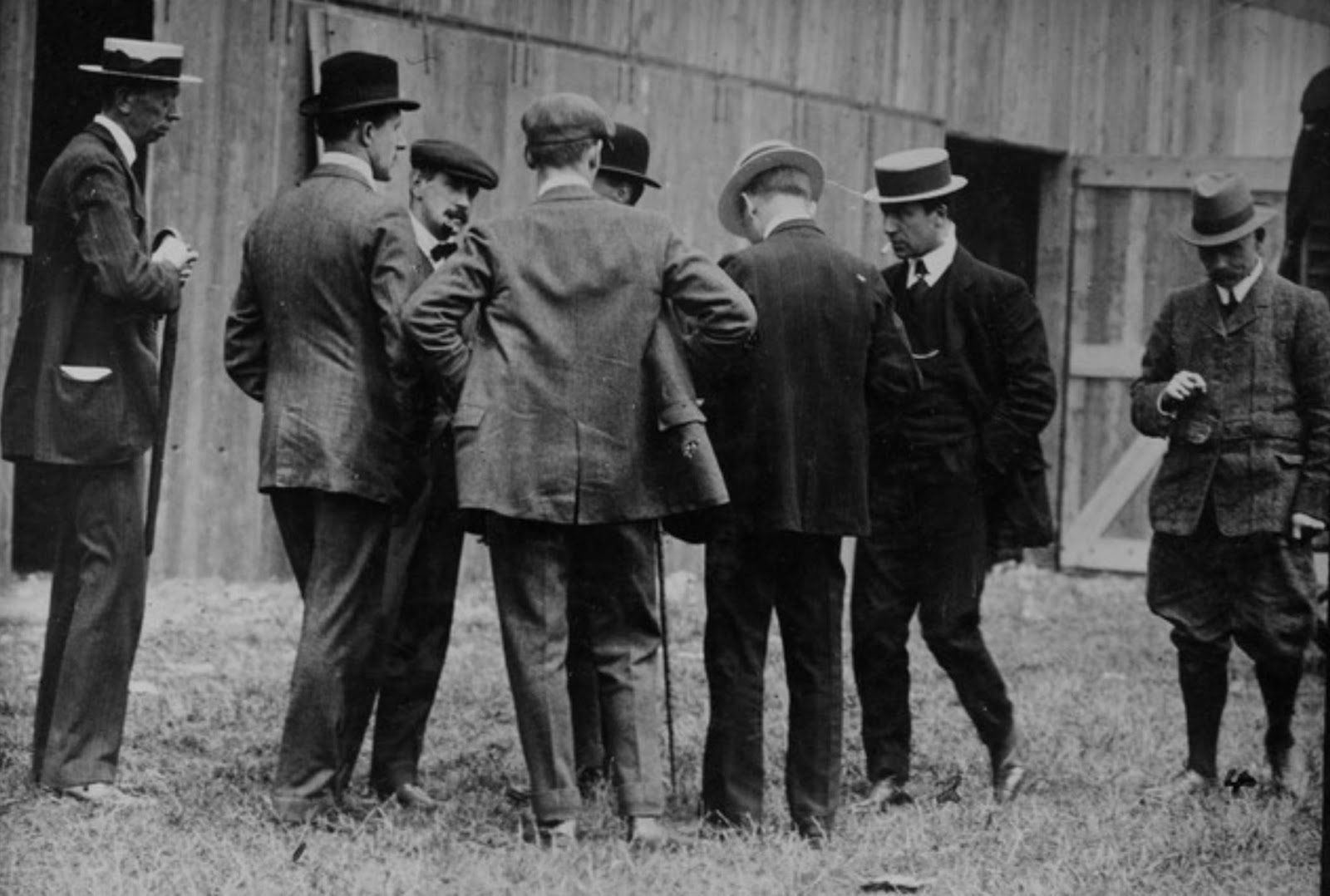
It should also be mentioned that Mr Cobham was appointed Honorary Secretary at the outset, and was later joined by Mr Thompson, who became Co-Honorary Secretary.12 Unfortunately, the outbreak of the First World War in 1914 was effectively the end of the Midland Flying Club, although it did not cease to exist.
It is known that in September 1925, the Ministry of Aviation offered this and all other officially recognised clubs two Moth aircraft. In 1937, the club moved to Elmdon Airport, now Birmingham International Airport, and became known for organising spectacular air races.
Sources:
- https://www.birminghamhistory.net/2014/06/30/castle-bromwich-airfield-part-two/
- http://blackcountryhistory.org/collections/getrecord/GB149_P_4575#:~:text=In%20September%201925 %2C%20the%20Air%20Ministry%20offered,%20which%20had%20increasing%20volumes%20of%20air%20traffic.
- https://www.britishaviation-ptp.com/Companies/B/birmingham_aero_club.html