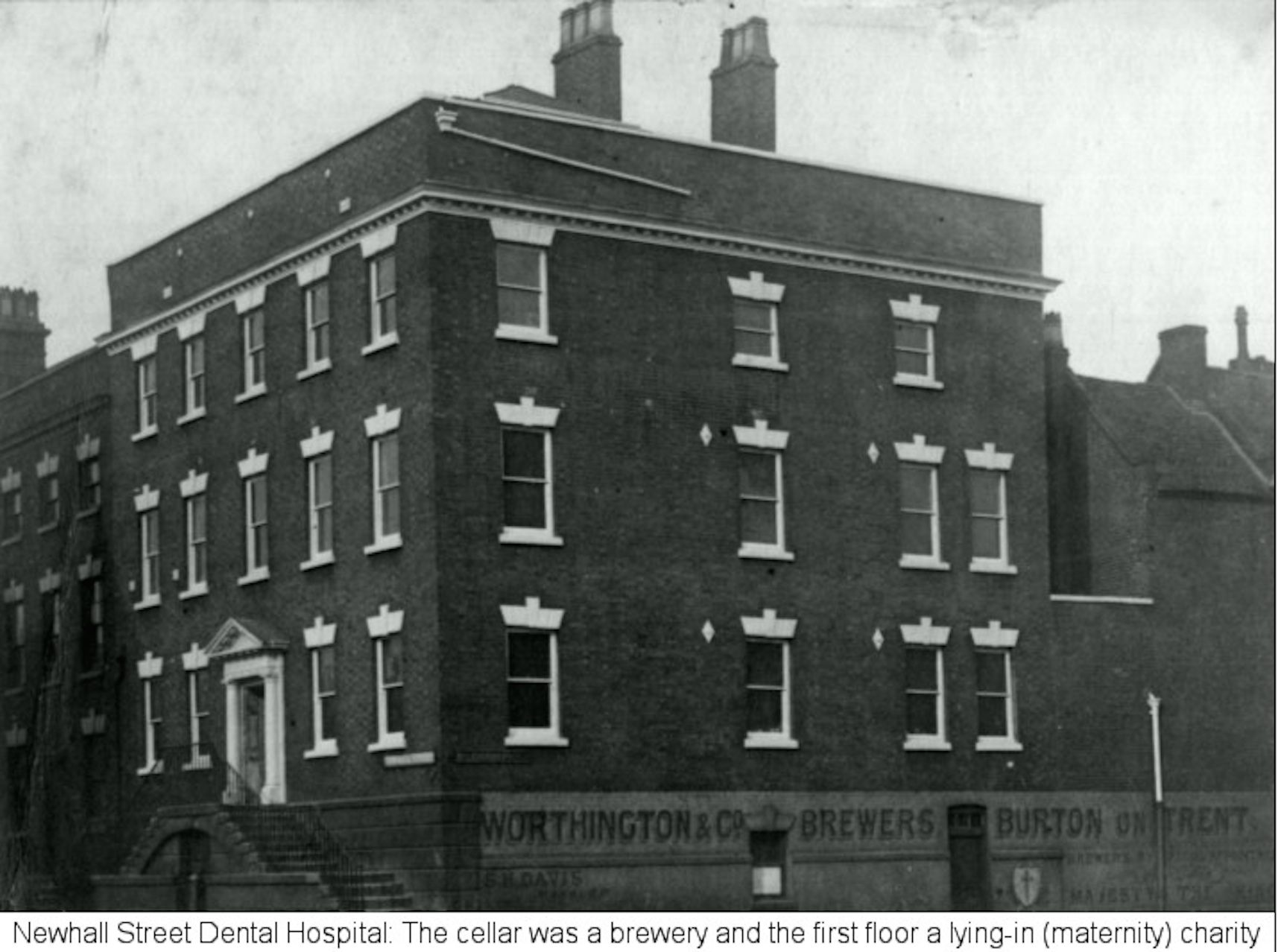

Dentistry significantly advanced in the 19th century, especially in techniques and instruments. New methods were developed to treat dental problems and provide care to patients. One of them was the use of ether anaesthesia. Dental forceps used for tooth extraction became widely available too. With their strong grip and leverage, they enabled more precise and effective extraction. Another important tool in 19th-century dentistry became the drill. Learn more about it at ibirmingham.info.
Initially, the drill was driven manually, but later it evolved to be powered by a foot pedal and even steam. This progress allowed dentists to effectively remove decayed parts of teeth, preparing them for fillings or other treatments. Dental materials improved at that time as well. The introduction of amalgam as a filling material in the mid-19th century revolutionised restorative dentistry. Amalgam fillings were strong and durable, providing an effective solution for restoring damaged teeth. In general, the 19th century was a watershed in the development of dentistry in Birmingham and the whole world.
First dental cabinet
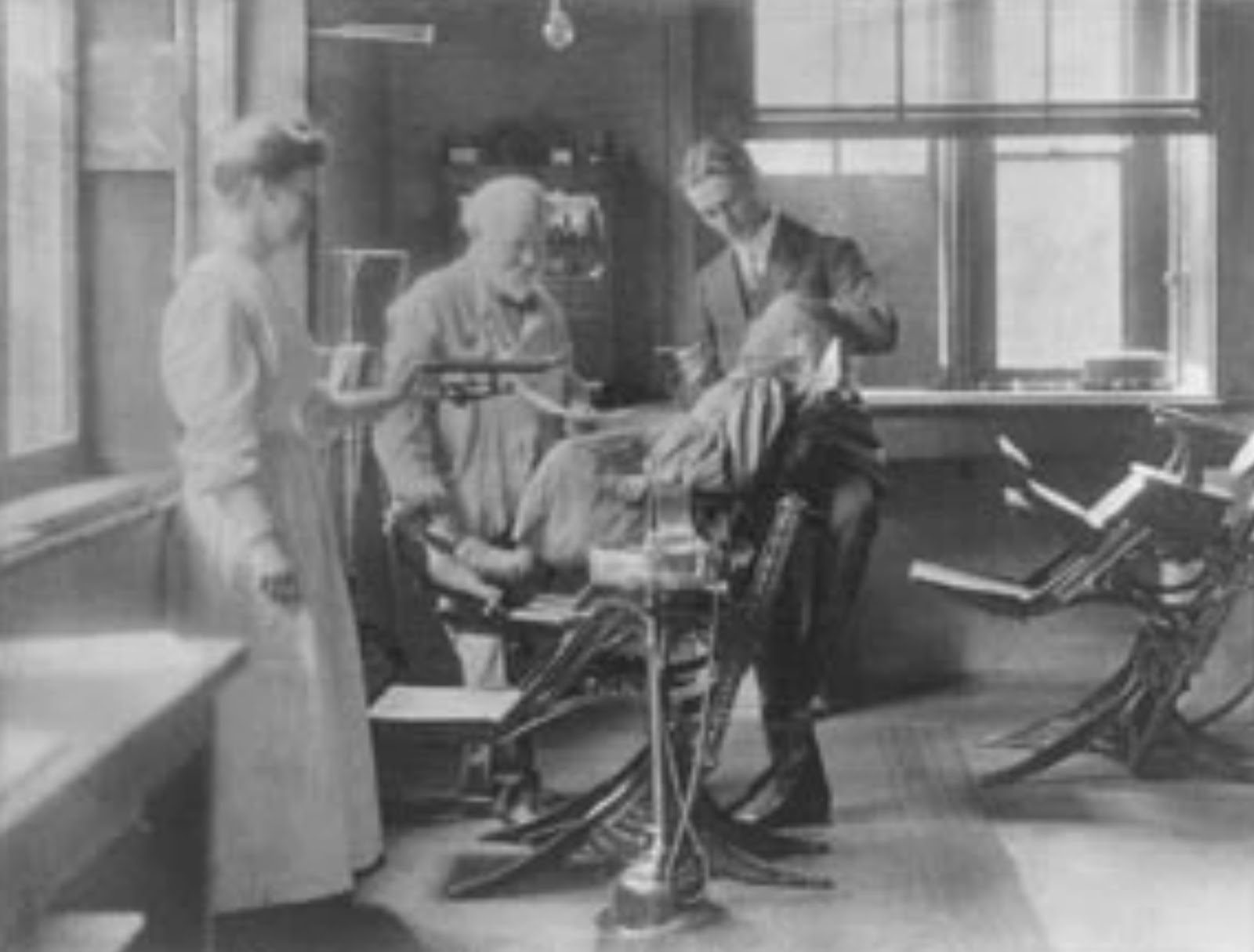
The first known dentist in Birmingham was Robert Law, who lived near the White Hart in Digbeth in 1741. They said he skilfully created artificial teeth of the highest quality that could be worn for years. He also carefully cleaned the teeth, removing various types of scale and plaque. He was also very skilled at fixing loose teeth.
In addition to practising dentistry, Robert Law made trusses, steel stays, neat steel collars for girls and various machines. He even made trusses for those who lived outside Birmingham, provided they found the opportunity and time to visit his office. As for other city dentists of the time, the Birmingham Directory of 1768 contains records of a man working as a nailor and tooth drawer.
First dental publications
The first book on dentistry published in Birmingham is a rare pamphlet entitled A Treatise on the Teeth, by W. H. Barron, a dental surgeon and medical officer. It was published in 1824.
The first recorded medical education in Birmingham dates back to 1767, when Mr John Tomlinson, a surgeon at the city hospital, gave a series of anatomical lectures. There is no record of how long those lessons lasted, but Tomlinson was the first provincial surgeon to give regular lectures on anatomy. It should be noted that the doctor used the bodies of executed criminals for the purpose.
The story of the emergence of a Birmingham school that awarded diplomas in dentistry is interesting and rather long. In 1825, William Sands Cox, a 24-year-old Birmingham surgeon, announced a regular series of anatomical lectures and invited all interested to 24 Temple Row, his father’s house. It was the beginning of Birmingham Medical School’s history.
In 1843, Queen Victoria granted the school a charter and it became known as the Queen’s College. Initially, it was very successful, but soon disagreements and financial difficulties made it apparent that the institution needed a radical administrative and financial reorganisation. In 1867, an Act of Parliament clarified and strengthened the position of the college. Moreover, the Queen’s Hospital, which had been opened in 1841, provided medical practice for the Queen’s College students.
Another medical college known as Sydenham College was opened in Birmingham in 1851. It was located in Summer Lane, opposite the power station. The new school prospered, in part perhaps because the students weren’t under theological control.
First dental diplomas
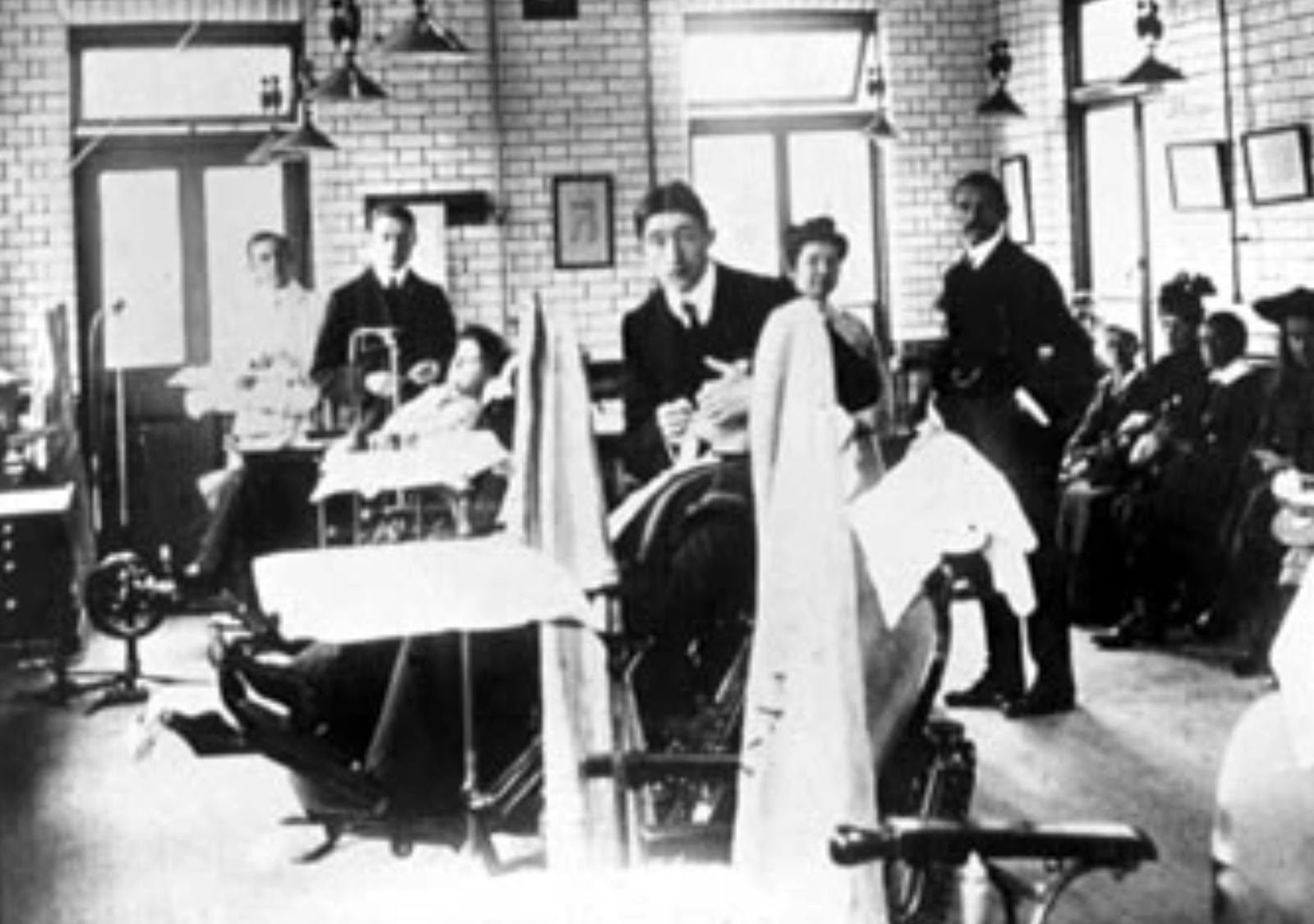
Over time, it became apparent that the city didn’t need two medical schools. Therefore, after the Act of 1867 had regulated the affairs of the Queen’s College, the city authorities started to discuss ways of their merger. Sydenham College was dissolved in 1868 and the Council of the Queen’s College appointed professors from among the staff of both institutions. The Professor of Surgical Dentistry became Mr. T. Howkins, uncle of Colonel C. H. Hawkins.
In 1880, Sir Josiah Mason, a Birmingham industrialist and philanthropist, opened another educational institution, Mason College. At first, it was a purely scientific institution, but in a few years, students of the Queen’s College had the opportunity to attend some lectures there. In 1892, the medical school was transferred from the Queen’s College to Mason College. In 1897, the college became Mason’s University College. At the turn of the century, in 1900, a new charter elevated the college to university status and thus the institution started to issue dental diplomas and degrees. It was the first university in the country to award dental degrees and John Humphreys was the first to receive it.
19th-century dental care was limited and rudimentary by modern standards. Dental technology and the understanding of oral hygiene greatly improved the practice of dental care only at the end of the 19th century and the beginning of the 20th.
One of the most important advances was the introduction of local anaesthesia. Before that, dental procedures were often extremely painful, as patients had to endure drilling and extractions without any painkillers. The use of local anaesthesia provided much-needed relief for patients and allowed dentists to perform more complex procedures with greater precision.
Advances in dental materials and techniques
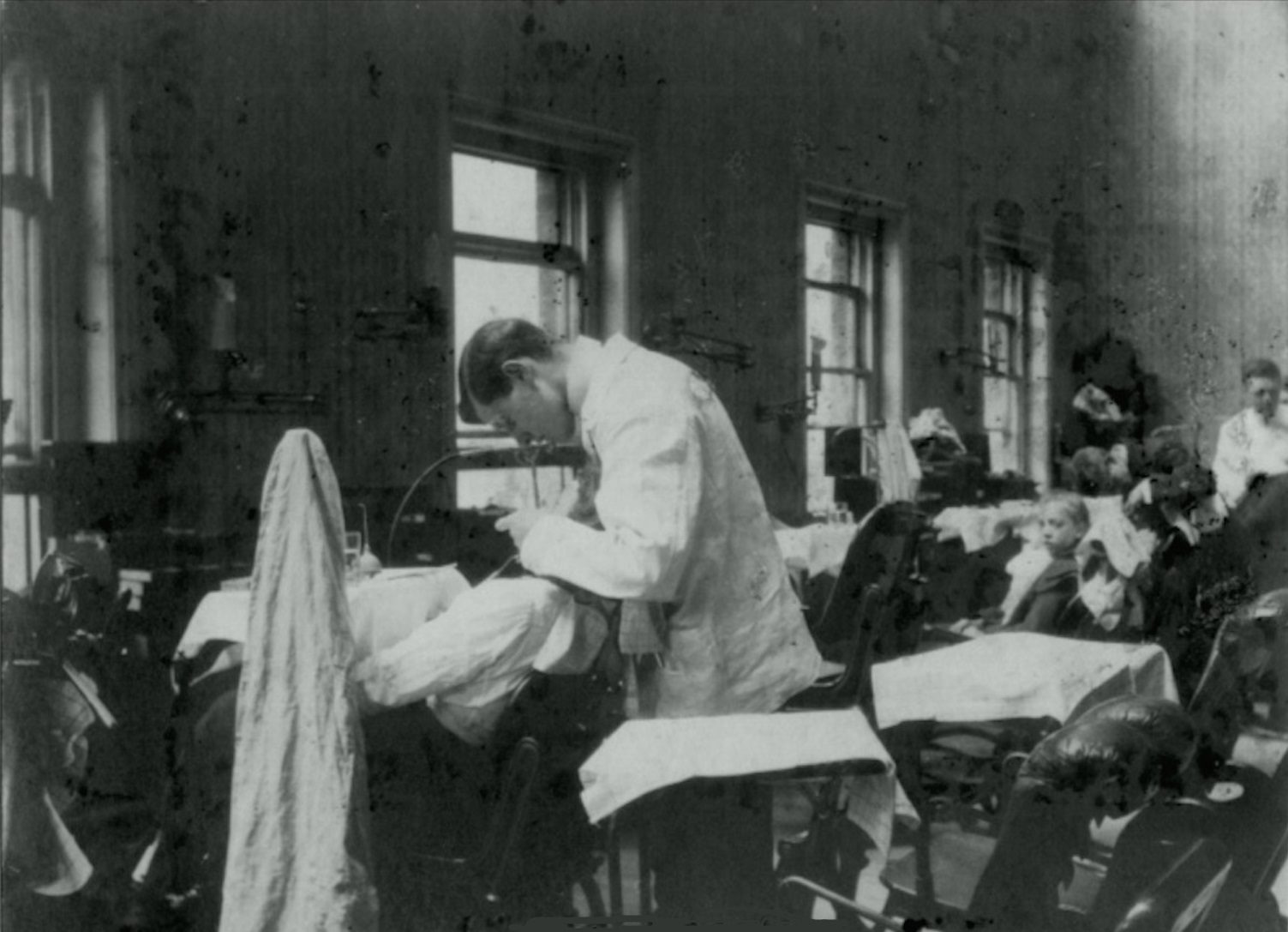
Another important advancement was the improvement of dental materials and techniques. Dentists began to use stronger and more durable materials, such as amalgam fillings, instead of temporary ones, for example, gold foil. Those innovations increased the durability of dental restorations and reduced the risk of complications.
As for dental education in Birmingham, after the Dental School began its existence at the Queen’s College in October 1880, Messrs T. Howkins, Charles Sims and F. R. Batchelor were elected by the College Council as Professors of Dental Surgery, Dental Mechanics and Dental Anatomy respectively. Those men were luminaries of dental education.
The Dental Hospital was founded in January 1858. It was located at Odd-fellows Hall, 13, Temple Street. It happened largely thanks to the efforts of Samuel Adams Parker, who practised in Colmore Row and was a student of John Thomas. The Birmingham Dental Hospital is the oldest one in this country.