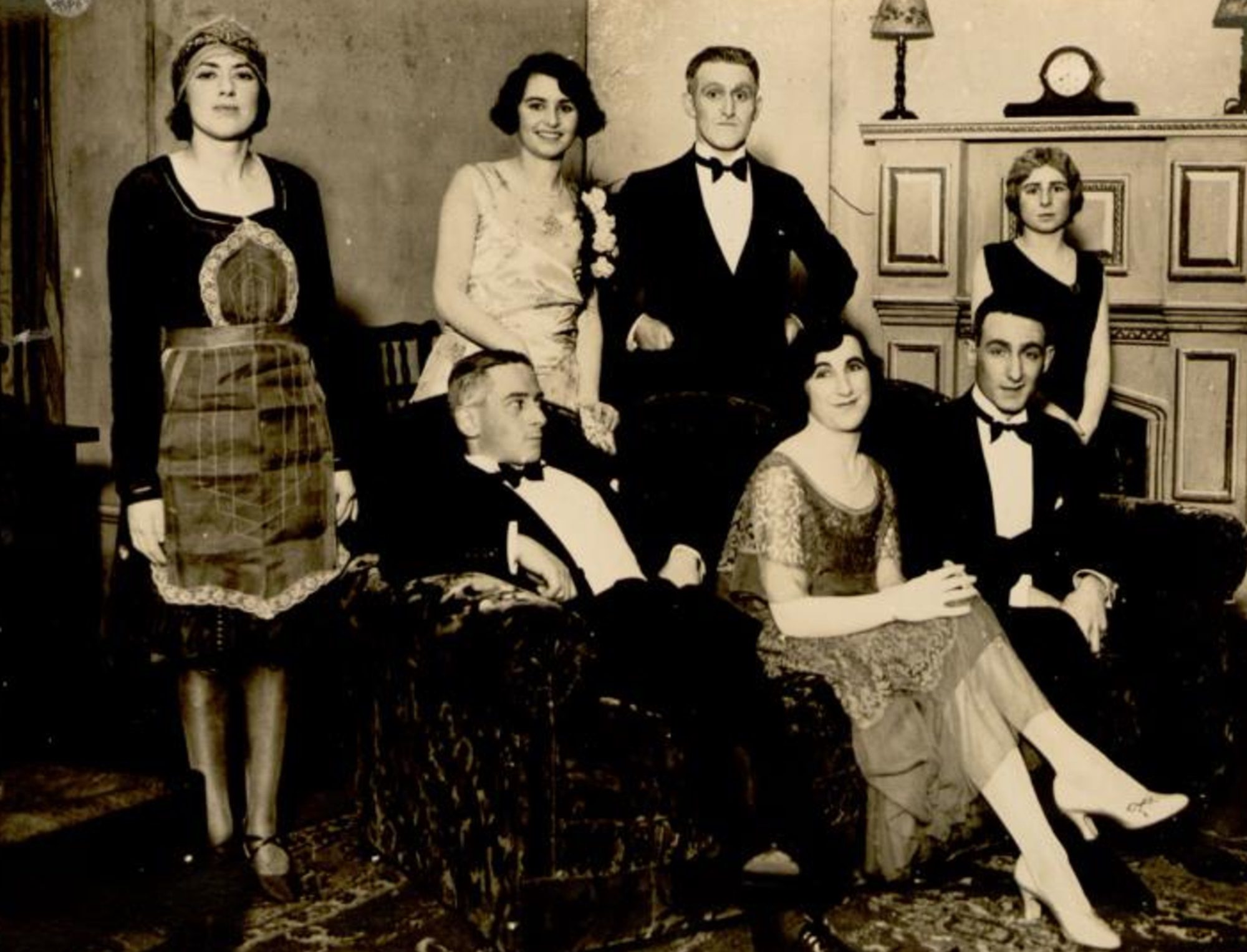

It is impossible to describe how Jewish culture influenced Birmingham and its residents without revealing the history of the creation of the Jewish community in this city. So let’s answer two questions: where did the first Jewish migrants come from and when did they arrive in Birmingham? A History of The Jewish Community of Birmingham, written by one of the most famous Birmingham Jews, Harry Levine, claims that the generally accepted date of the founding of the first community in the city is 1730. In support of this statement, the Birmingham Levy Book of 1749 tells of a “house inhabited by Jews”. Learn more about the influence of the Jewish community on Birmingham and its culture at ibirmingham.info.
Cultural newcomers

But why did they come to Birmingham? One of the reasons was the search for work and the religious freedom that Birmingham apparently offered. These factors were decisive in the migration and settlement of Jews in the area. In the 18th century, the city already had many non-conformist religions, such as Quakers, Unitarians and Methodists as well as rapidly expanding its industry and business.
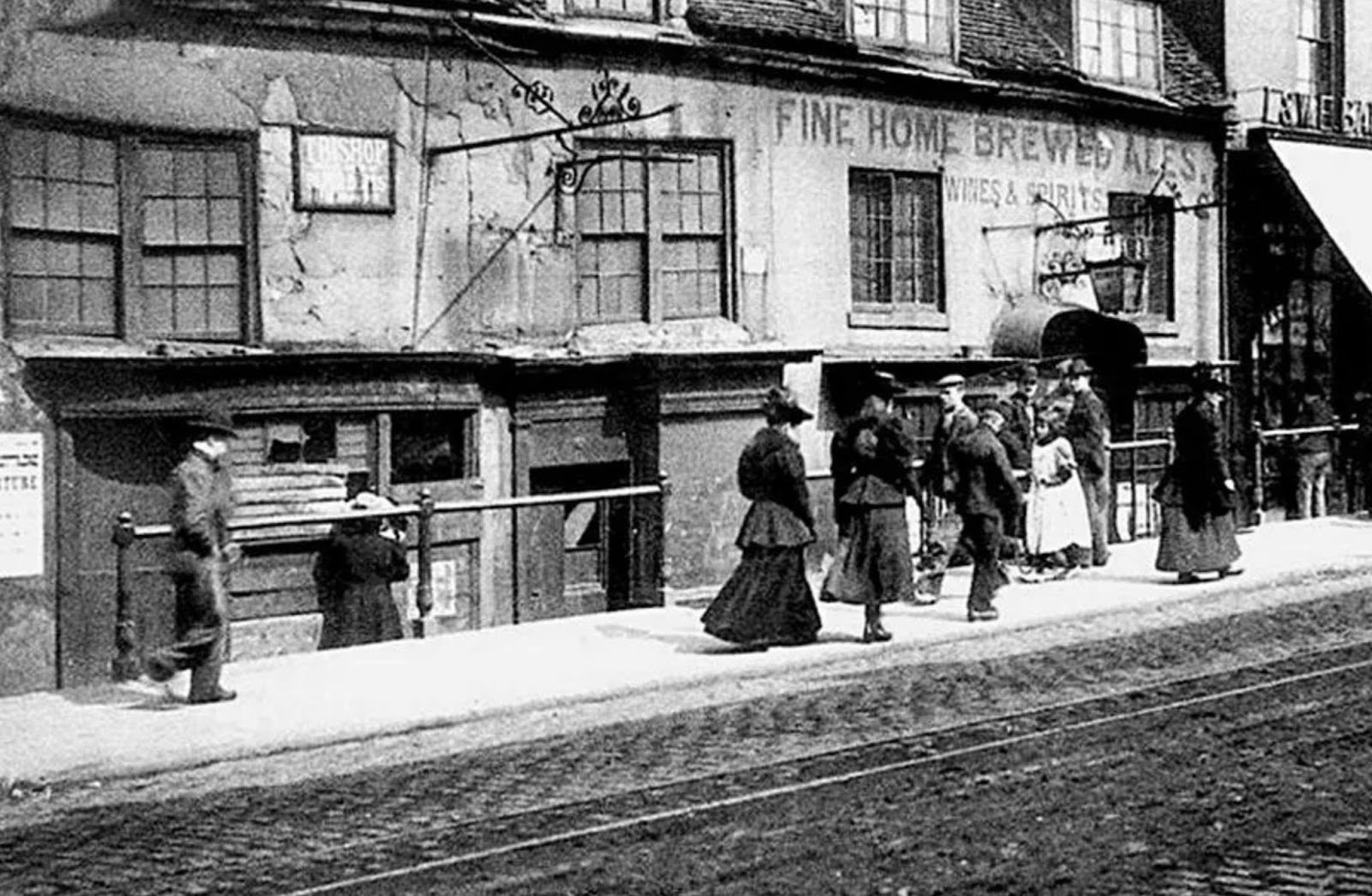
Another evidence of Jewish settlement in the 18th century can be found in one of the earliest published accounts of the period, William Gatton’s History of Birmingham. According to the author, Birmingham’s first Jewish synagogue was located in an area known as froggary, a densely packed row of deteriorated buildings that would later be cleared for the development of New Street Station. When it comes to culture and its impact on the city and people, it is important to note that the life of a community can’t be studied in isolation from other communities that lived there, nor from their culture.
Tracing the early history of the Jewish community can also help to understand how the experience of migration and settlement in Birmingham is often linked to shared spaces. A very telling example is the area around the back of New Street, through Digbeth towards Hurst Street. Once home to an early Jewish community and part of the Irish diaspora, this area is now inhabited by Chinese.
Another cultural influence can be found opposite the Arcadian Centre on Wrottesley Street. The building now occupied by the Chung Ying restaurant (the very name hints that it is Chinese) was once a Jewish synagogue and a home to those who separated from the Birmingham Hebrew Congregation in 1853.
Development of culture begins with education
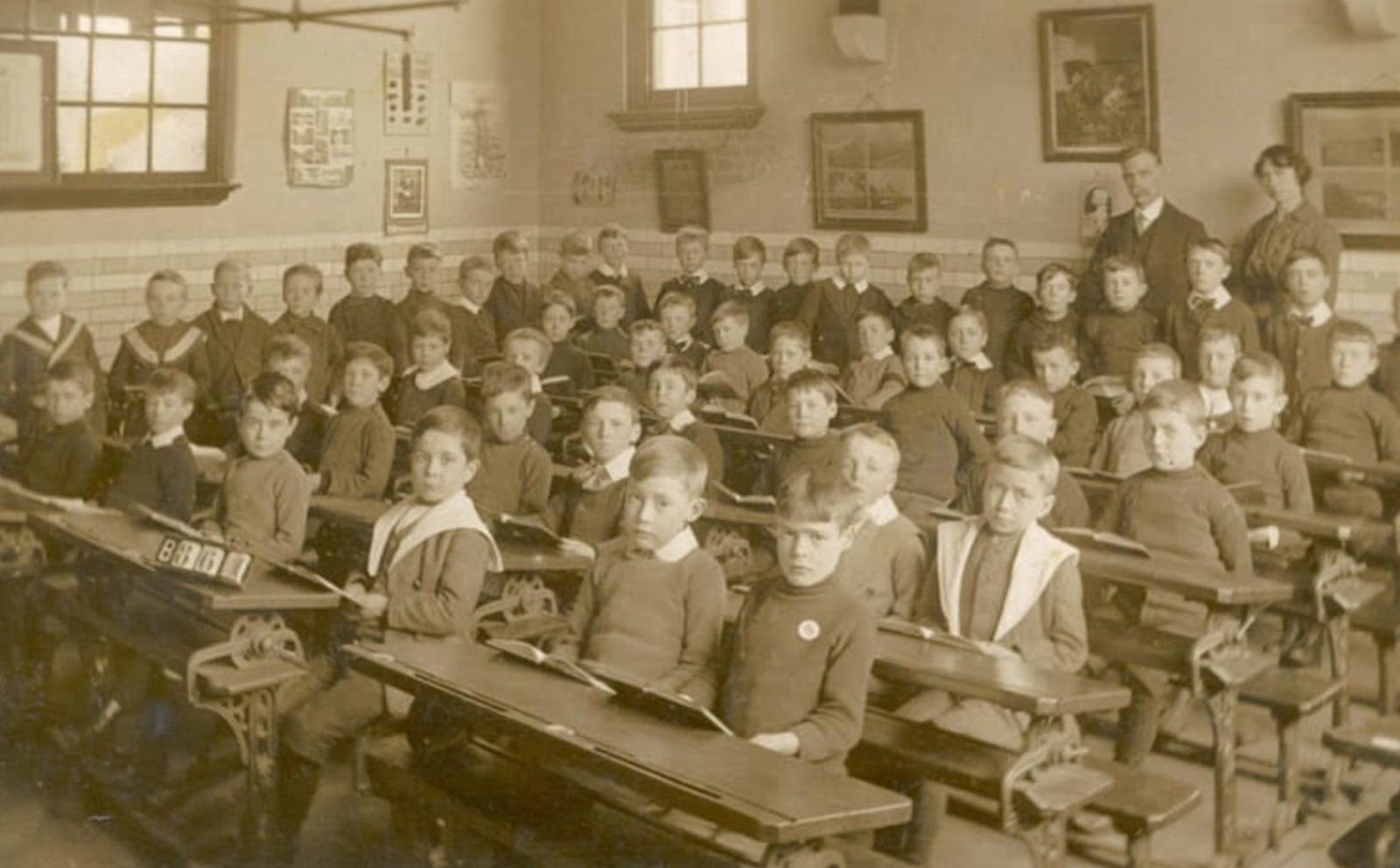
In general, the development of culture begins with education. Therefore, a few years after the appearance of the Jewish community in Birmingham, its representative decided that they needed a Jewish school in the city. Thus, the Birmingham Hebrew National School solemnly opened in 1840. It attracted the attention of the whole Kingdom. After all, the institution enrolled children from wealthy and poor families. The Hebrew Educational Society collected funds for the apprentices who studied there. It should be noted that, like any other Jewish school, it received no state aid, the running costs being borne by the Birmingham Hebrew Congregation.
Unfortunately, the feature that gave the school its uniqueness and was emphasised in newspaper reports and by the Chief Rabbi disappeared over time. It was equal education opportunities for rich and poor children. The wealthier schoolchildren even organised a Charitable Book and Clothing Society to help their poorer classmates and their presence probably led to the inclusion of classical and modern foreign languages in the curriculum.
The school entered a period of decline in 1851. The number of students decreased from 56 boys and 36 girls in 1845 to 42 boys and 20 girls in 1853. In the same year, the school employed two teachers who were less qualified than required. There was also some trouble with the headmaster, but he was difficult to replace. The school used the so-called synchronous system, meaning that the headmaster taught the upper class, the teacher another class and they jointly supervised the third class. Although the rules allowed for a third teacher, they weren’t appointed.
From 1851, wealthier parents began to withdraw their children from the institution, transferring them to King Edward’s School. The Birmingham Hebrew National School became one of the so-called national schools, providing primary education for the poorer classes. There was talk of establishing an snobbish academy to teach young ladies and gentlemen Hebrew and English, but it wasn’t listed in the documents, so it was probably never opened.
Jewish Literary and Artistic Society
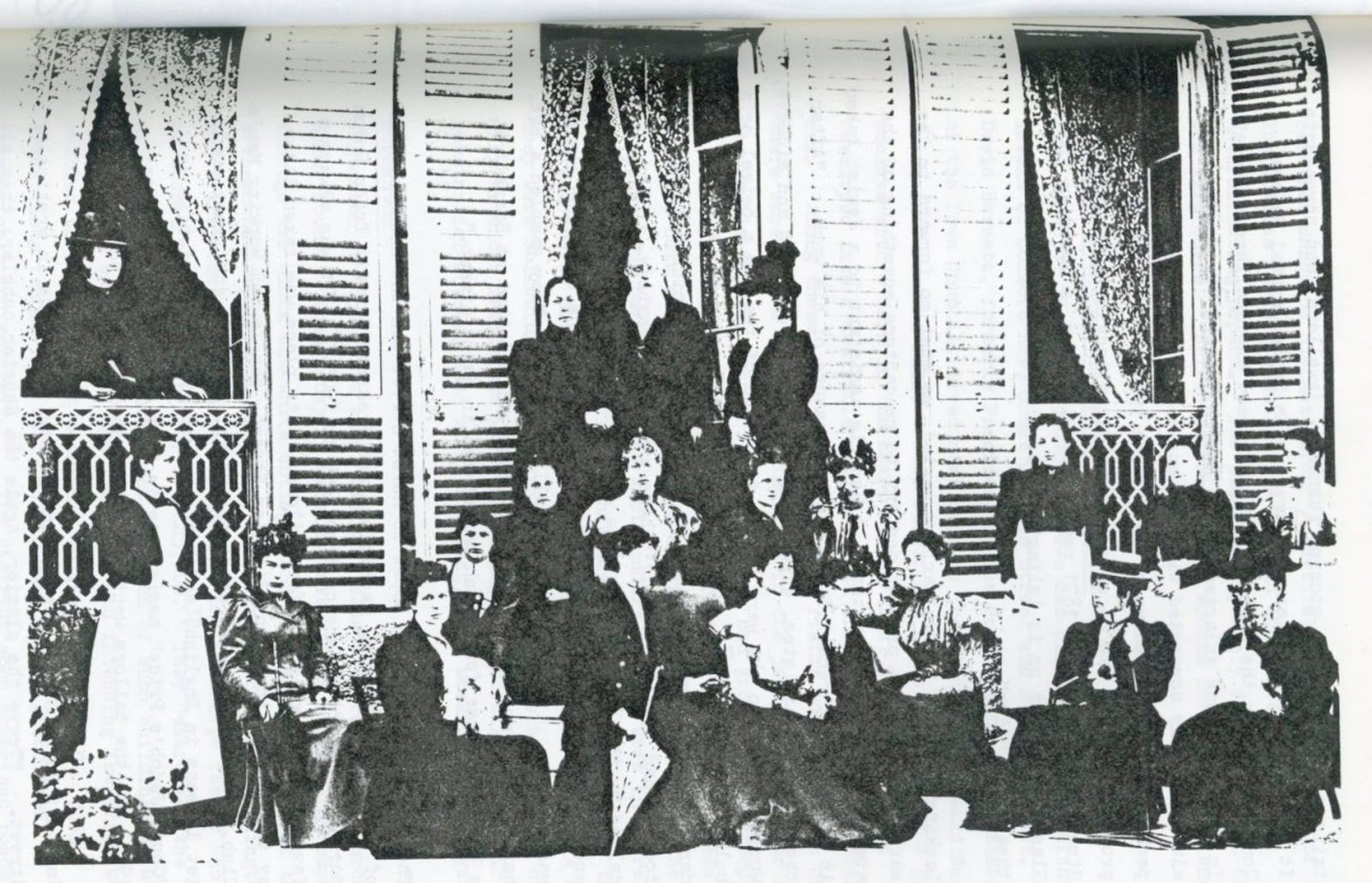
The Birmingham Jewish Literary and Artistic Society grew out of a series of Jewish artistic societies that had been established in the city in the late 19th and early 20th centuries. The first Jewish dramatic society in Birmingham was founded by Edward Lawrence Levy around 1870. It gave rise to the Birmingham Young Men’s Hebrew Association in 1879. It was a debating society, dedicated to dialogue between Conservatives and Radicals and also considered current Jewish issues such as the problems of Jews in Russia and the admission of the foreign poor.
The group became so popular that they started to participate in other debating societies, travelling to Manchester, Hull and London. The association was considered prestigious in the society. At first, women were allowed to attend only less serious activities, but by the 1920s, they were participating in two meetings per session. In 1925, the Young Men’s Association admitted women and changed its name to the Birmingham Jewish Literary Association.
In the early 1920s, the Jewish youth of Birmingham felt the need to create a new organisation. On January 22, 1923, Isidore Ackerman and a group of his friends decided to found the Jewish Arts Society, limiting membership to those “whose interests were in some degree intellectual”. Despite the fact that it was dubbed the Snob Society, a lot of people wanted to join it. The committee had to raise the membership limit first to 40 and then to 70 members. A feature of the society was the fact that they categorically refused to admit married people.
Cultural dialogue
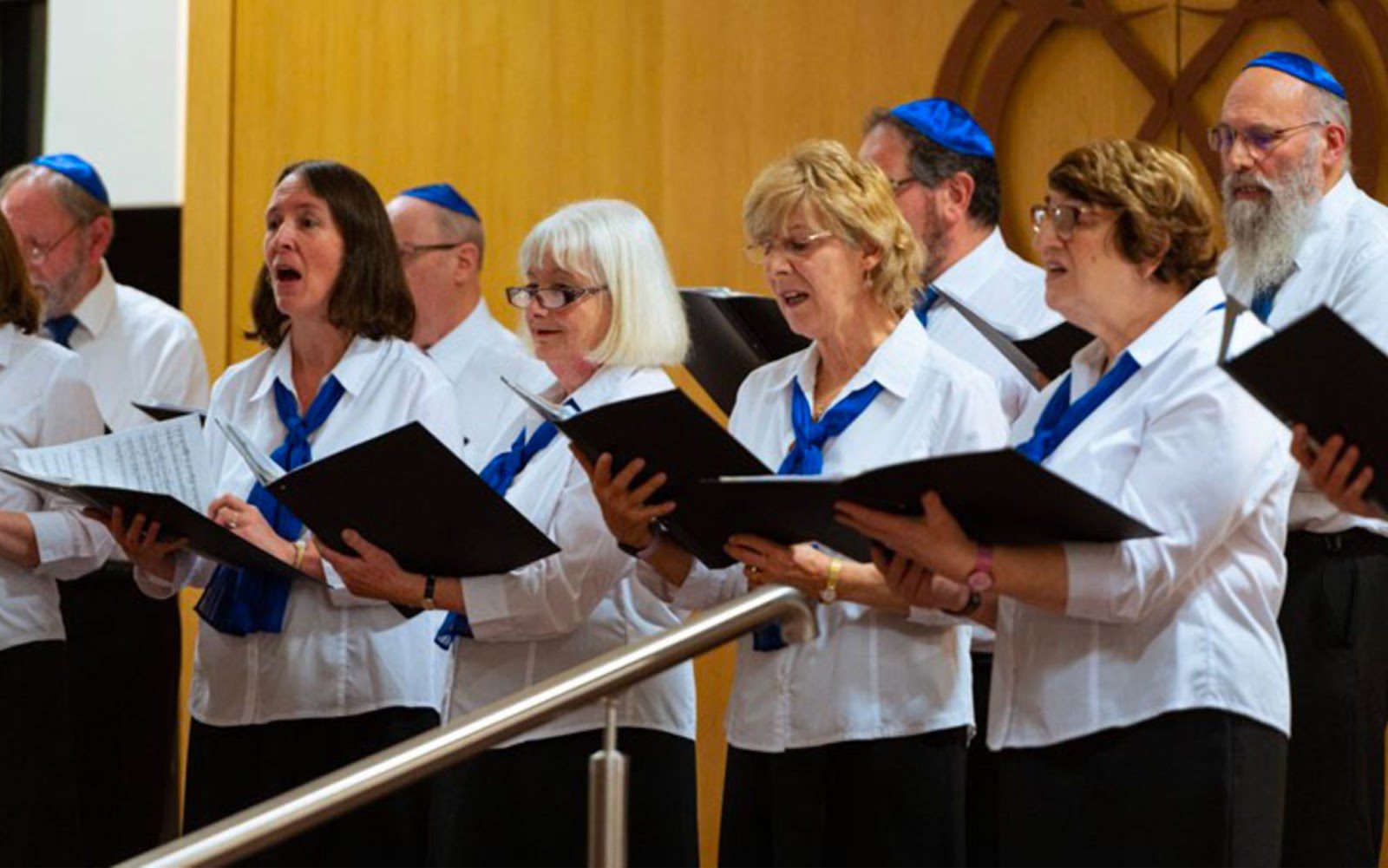
Obviously, those societies couldn’t exist in isolation especially in such a multicultural city as Birmingham. Although the restrictions for women seem strange today, Jewish culture hasn’t stopped developing. One of the proofs is the activities of Kol Kinor Choir. It was created in September 1990 under the musical direction of Joyce Rothschild and Jane Ward. Jacob Fifer has become the musical director and principal conductor.
The choir performs Jewish music. Its repertoire covers many aspects of Jewish culture, including liturgical and synagogue works in modern, traditional and folk arrangements. Interestingly, the choir consists of both Jewish and non-Jewish singers. They sing in Yiddish, Hebrew, English and Ladino. This is how the cultural dialogue in multicultural Birmingham looks like at the beginning of the 21st century.