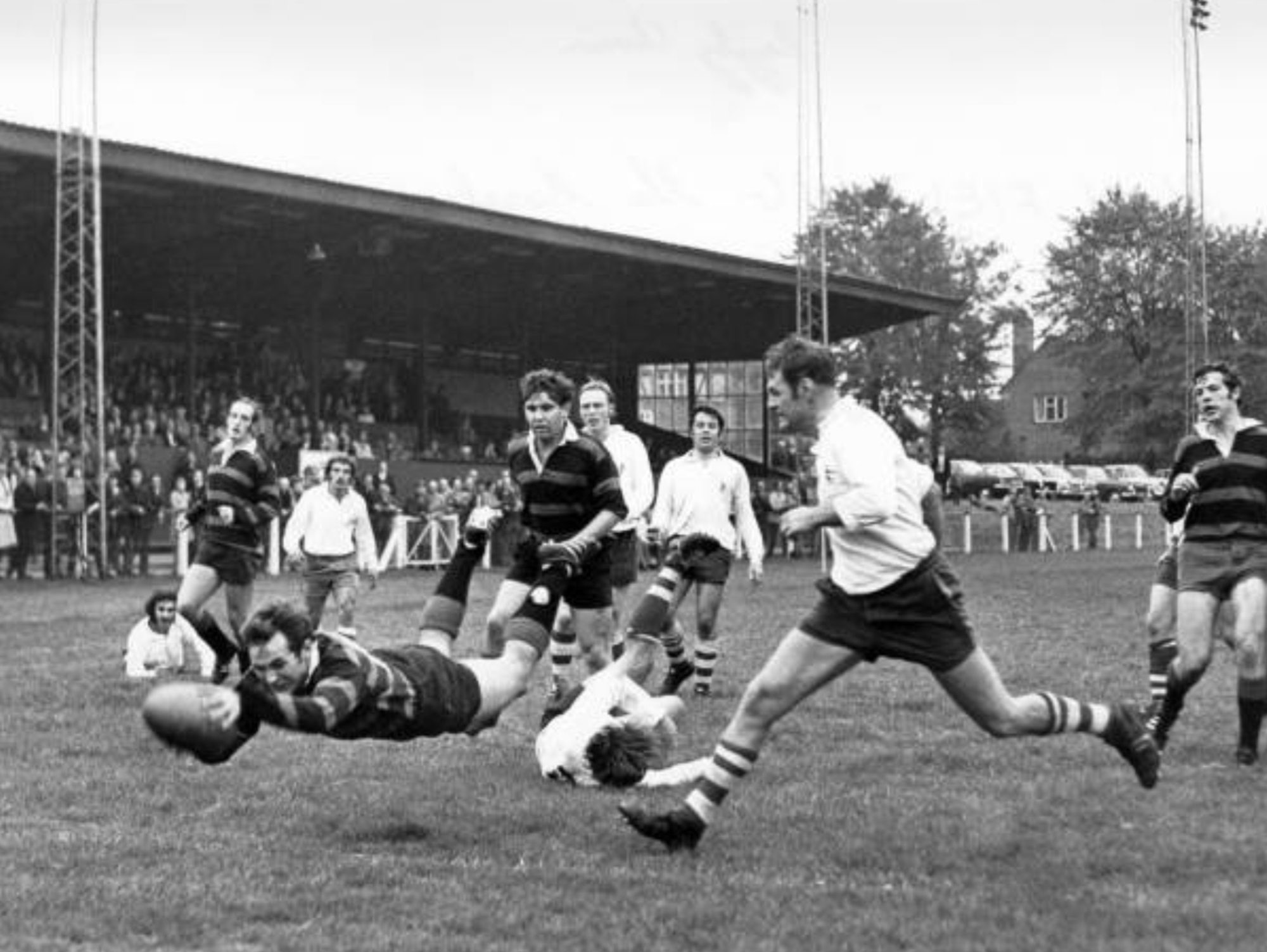

Founded in 1873 by members of the Havelock Cricket Club, Moseley Rugby Football Club has a storied history that began with its first match played in the now-iconic red-and-black colors. Originally named Havelock Football Club, it emerged as a rugby club due to the lack of association football in the region at the time. More about the creation of Birmingham’s rugby team can be found on ibirmingham.info.
Founding of the Club
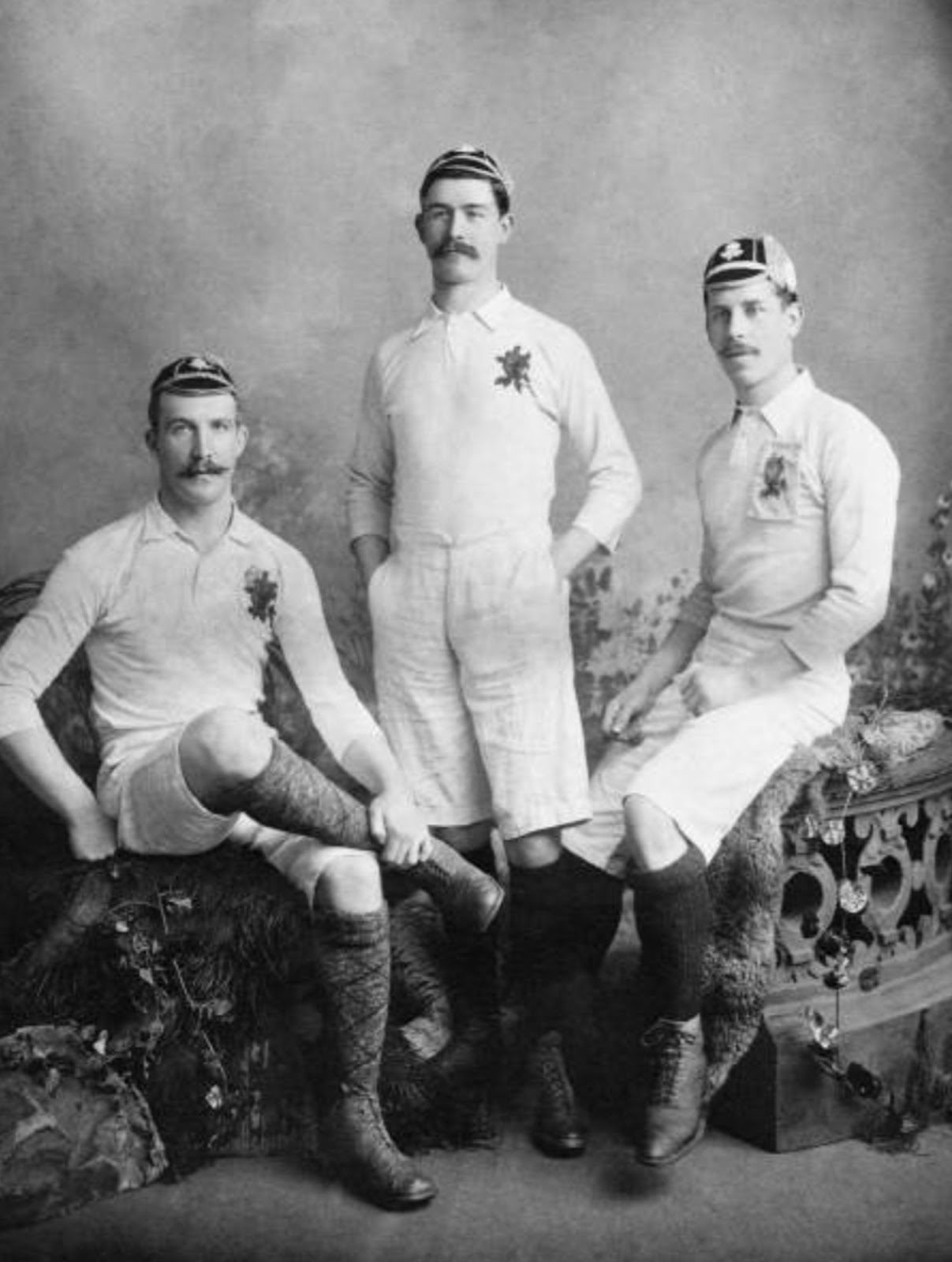
Moseley began as an amateur rugby team with 20 members, sufficient to form a team under the 20-a-side rules of the era. The club’s first captain, Birmingham jeweler S.H. Deakin, led the team for its first four seasons. The club’s first president, Amos Row, a local businessman and philanthropist, remained in his role until the end of the 1886–87 season. Like Deakin, many early players, including Thomas Bent and W.H. Chatwin, were jewelers by trade.
Moseley played its initial matches at a ground on the corner of Highgate Road and Moseley Road near Camp Hill station. Matches were governed by unique rules, such as requiring at least one goal to win, leading to unusual results. For instance, a 1875 match against Bromsgrove ended as a “draw in Moseley’s favor.” Tragically, player Matthew Wilcox died from injuries sustained during a match, underscoring the intensity of early rugby.
The club enjoyed a three-year unbeaten run beginning in 1879, culminating in victory in the Midlands Counties Challenge Cup. Several Moseley players later represented Great Britain in the 1900 Paris Olympics, earning a silver medal despite playing only one match.
Move to Oxford Road
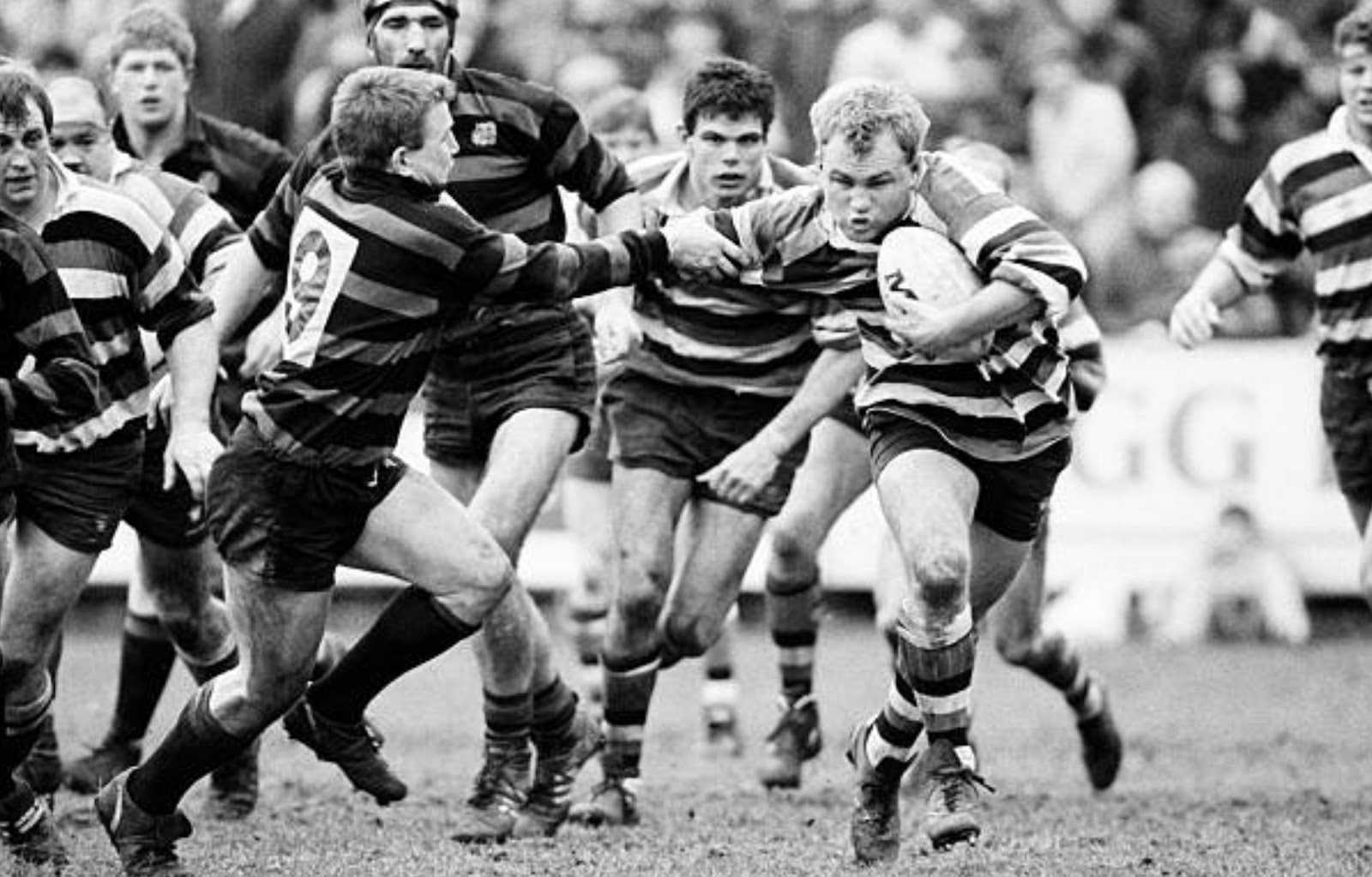
In 1879, Moseley relocated to a new ground on Oxford Road, where an entrance fee was introduced. The club thrived under the leadership of captains like Albert Smith, who served ten seasons. Though often cited as “unbeaten” in the 1879–80 season, Moseley faced losses against Manchester Rangers and Gloucester.
The 1890s saw significant milestones, including the selection of J.H. Rogers to represent England in an international match against Wales. However, challenges arose, such as disputes over scheduling that led to the resignation of honorary secretary J.L. Ashe.
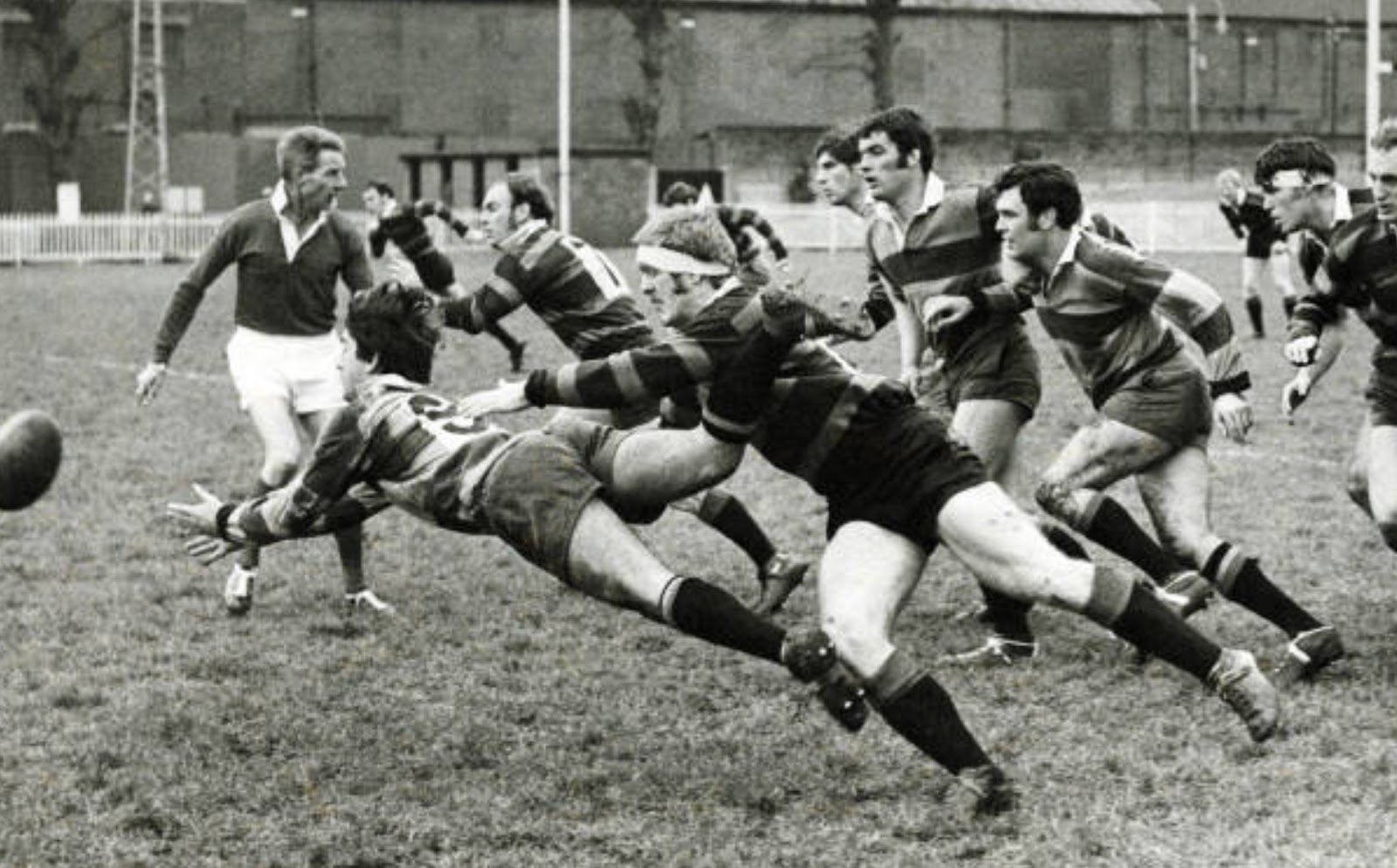
The turn of the century marked a historic achievement: Moseley players represented Great Britain at the 1900 Paris Olympics. Despite losing their sole match against hosts France, the team secured a silver medal—an extraordinary outcome for a single-game tournament.
In 1925, the club acquired permanent ownership of The Reddings, separating from Moseley Cricket Club. Though the 1930s were marked by struggles, including a dismal 1930–31 season with only ten wins from 34 matches, Moseley rebounded in the 1950s. The installation of new stands and floodlights ushered in a golden era, with regular matches against top English and Welsh clubs and numerous players representing their countries.
Golden Era
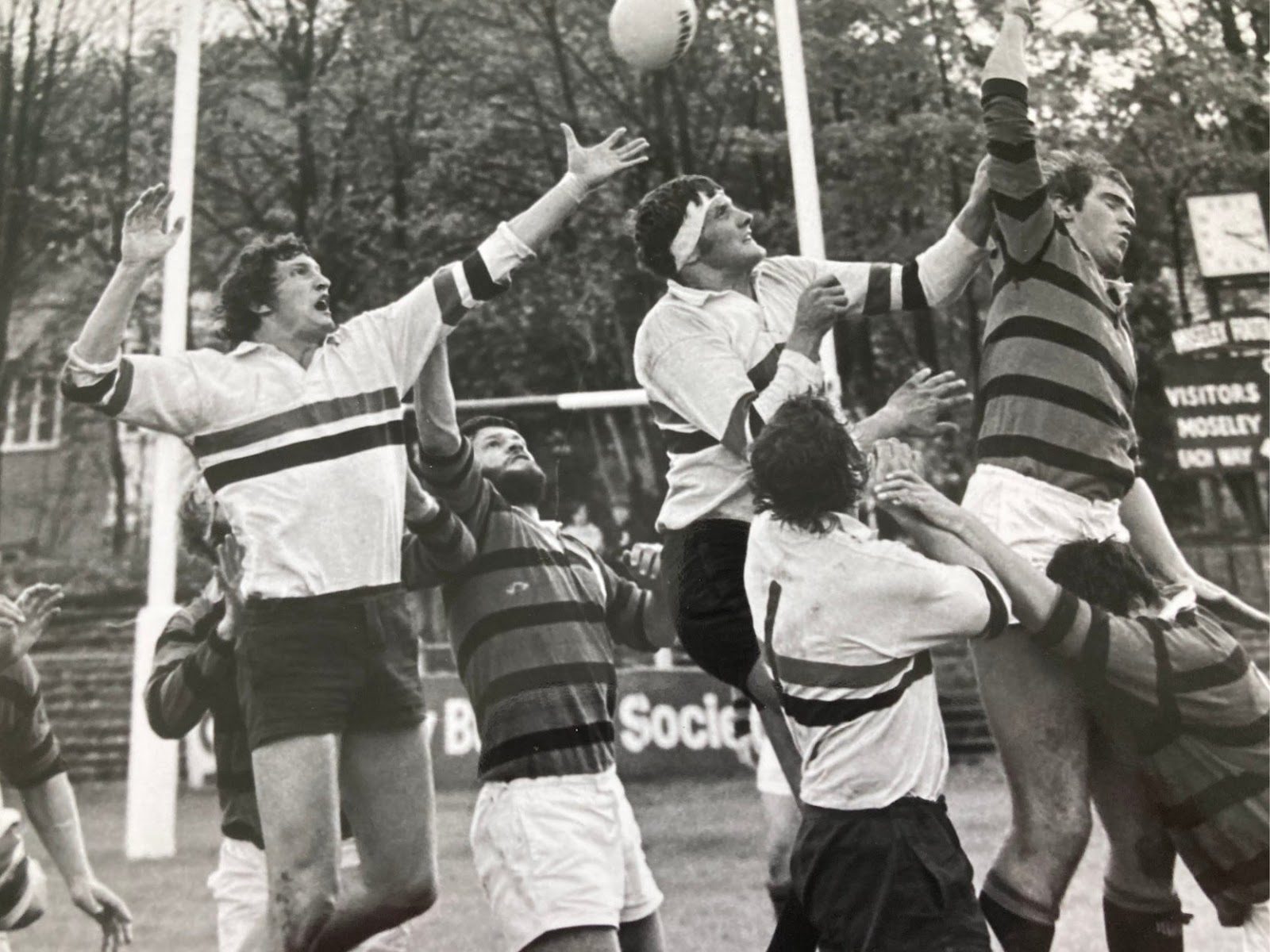
By its centenary in 1973, Moseley had achieved notable victories over Fiji’s national team and the elite Barbarian club. The club also played a pivotal role in hosting international tours, such as the 1978 match against Argentina, in which Moseley contributed ten players to the North Midlands XV.
The advent of professional rugby in 1987 brought new challenges. Moseley joined the Courage National Division 1, the top tier, but struggled to maintain its status, eventually relegated after the 1990–91 season.
Financial pressures during the transition to professionalism forced the sale of The Reddings. The club played its last home game there with a memorable 34–17 victory over Worcester, before the ground was redeveloped into housing. Rebranded as Birmingham-Moseley, the club continued to compete, but the golden days of amateur dominance were relegated to history.
Legacy of Moseley Rugby
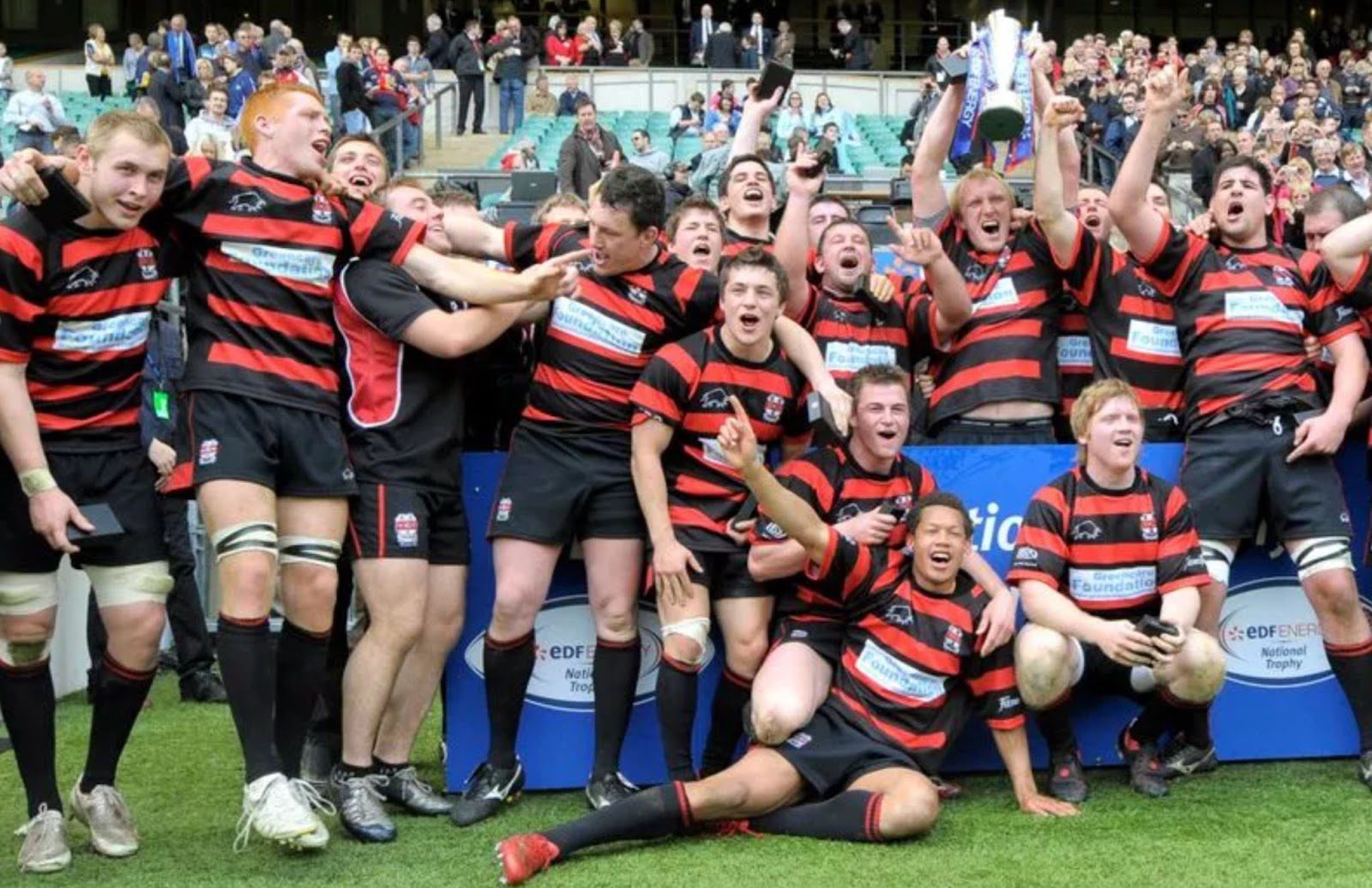
Despite the professional era’s challenges, Moseley’s amateur legacy remains unparalleled. The club was known for its grit and determination, traits epitomized in its historic victory over the mighty All Blacks at The Reddings.
Moseley’s history reflects the evolution of rugby from its amateur roots to the modern professional era, cementing its status as a cornerstone of Birmingham’s sporting heritage.