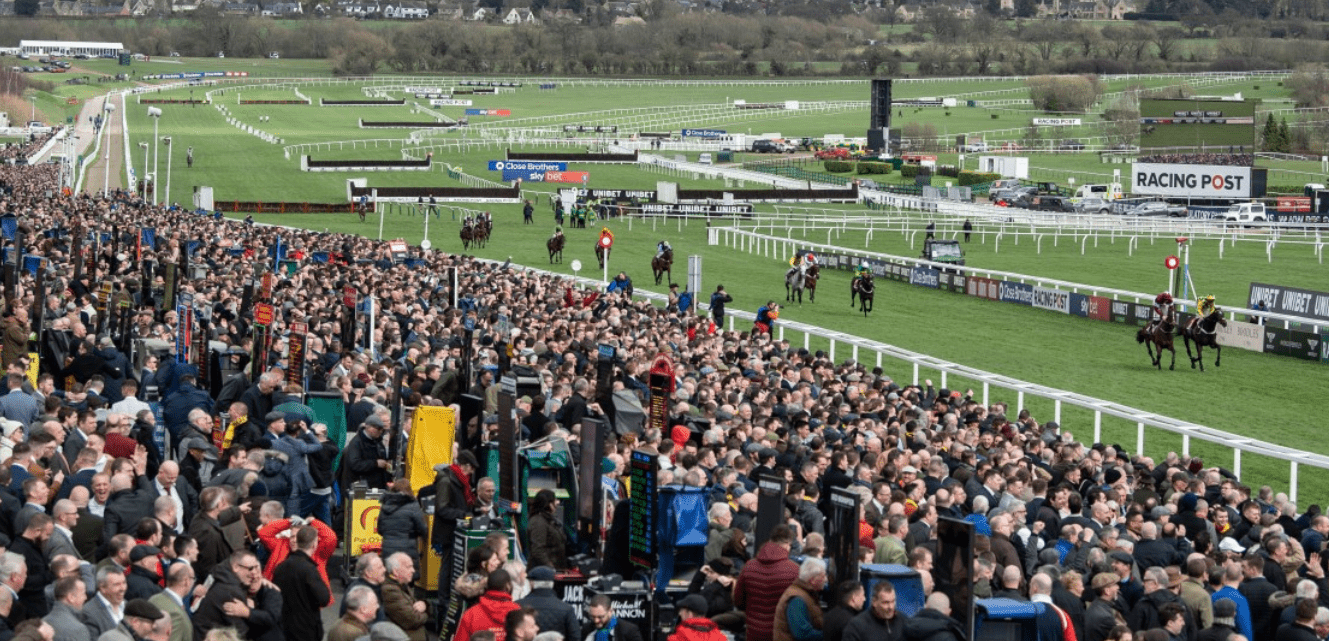

For centuries, equestrian sports have been a passion, pastime, and competitive pursuit for countless enthusiasts worldwide. Once the exclusive domain of royalty and nobility in Europe, it has evolved into a beloved activity, spanning from pony clubs to elite competitions. Today, equestrian disciplines thrive globally, including in England. Learn more about the rich history of equestrian sports in Birmingham at ibirmingham.info.
The Origins of Equestrian Sports

The term “equestrian” originates from the Latin word equus, meaning horse. Historical records reveal that the first documented equestrian competition occurred in 682 BCE during the 25th Olympic Games in Greece, featuring four-horse chariot races.
Fast-forwarding to the medieval period, equestrian sports revolved around knightly tournaments held at local fairs. The modern era of equestrian events began in 1868 with the Royal Dublin Horse Show, which helped popularize the sport across Europe and North America. By 1912, equestrian disciplines such as show jumping, dressage, and eventing were introduced to the Olympic Games.
Birmingham’s connection to horse racing traces back to the establishment of the Bromford Bridge Racecourse in Castle Bromwich. Opened in 1894, it was officially known as the Birmingham Racecourse but was commonly called “Bromford” due to its proximity to Bromford station on the Birmingham-Derby railway line, where racegoers disembarked on race days.
The Beginning of Bromford Bridge
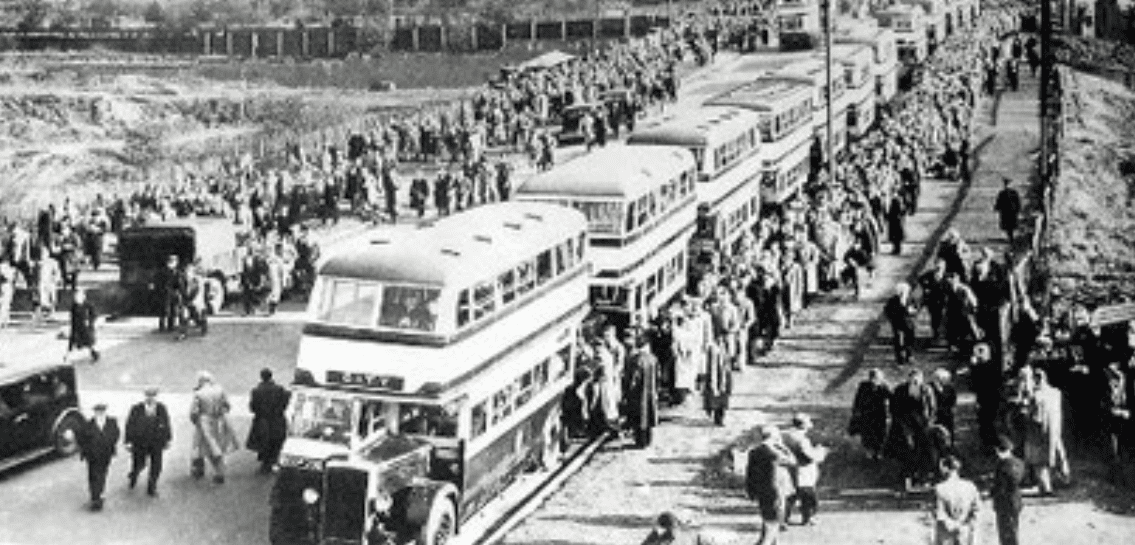
The racecourse was established by brothers John and Stanley Ford, with support from the Earl of Aylesford. They leased 42 acres of land for horse racing, which included both flat races and steeplechases. The inaugural races were held in June 1885, though details of these events have been lost over time.
A significant turning point came in 1914 when a group of suffragettes set fire to the grandstand, leaving it in ruins. During both World Wars, parts of the racecourse were repurposed for military use. During the First World War, it served as a base for air crews at Castle Bromwich Aerodrome. In the Second World War, it housed prisoners of war.
Despite these interruptions, Bromford Bridge regained popularity in the post-war years, attracting local crowds. By the 1950s, the rise of motor transport made it easier for racegoers to travel to nearby courses in Warwick and Stratford-upon-Avon, gradually diminishing Bromford’s appeal.
The End of the Racecourse
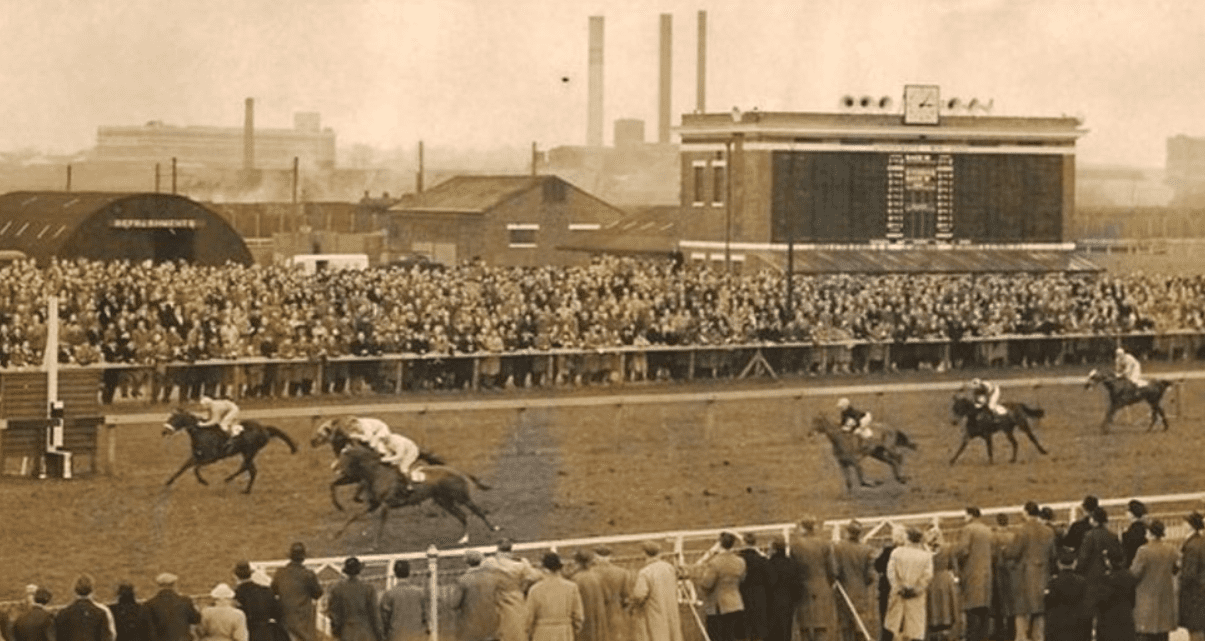
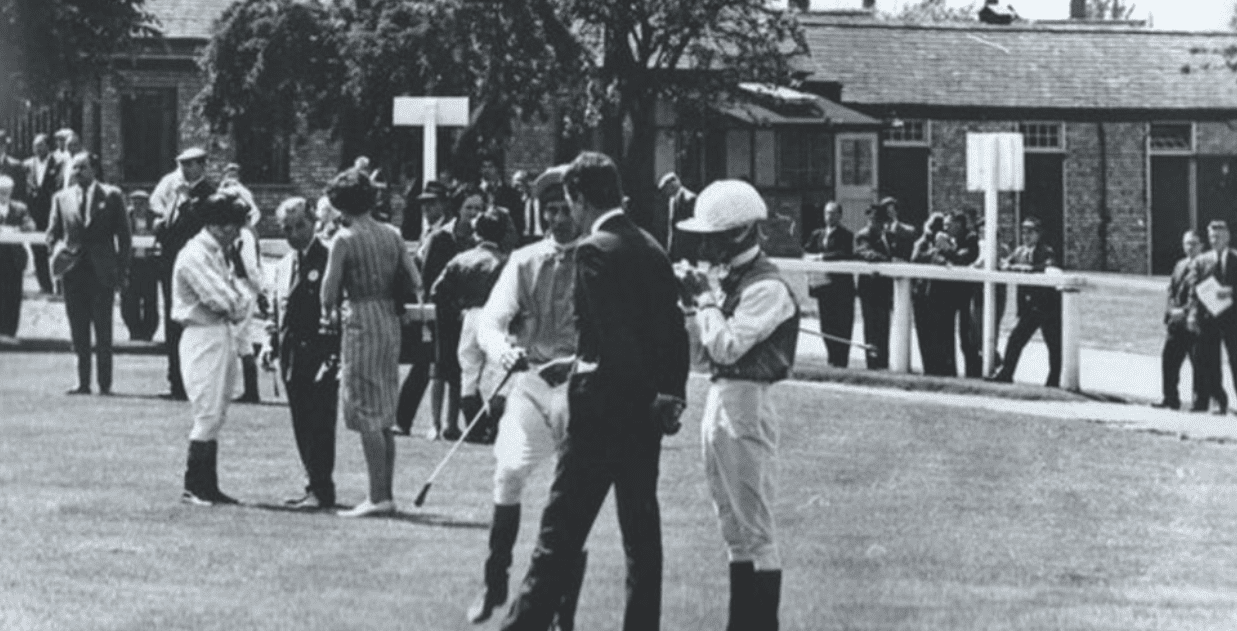
In 1965, Birmingham Corporation purchased the site for £1.25 million to build a new housing estate. The final race meeting took place on 21 June 1965, with Lester Piggott claiming two victories that day. The last race, named the Farewell Maiden Plate, was won by jockey Greville Starkey on a horse called Welshman.
The event drew a record 9,500 spectators, significantly higher than the average attendance of 5,000. Some believe that if such numbers had been consistent earlier, the racecourse might have survived.
The site was subsequently redeveloped into the Castle Bromwich housing estate, with many roads named after famous racing locations, such as Kempton Park Road and Goodwood Close.
The closure of Bromford Bridge reflects broader challenges faced by the racing industry in the mid-20th century. The 1960 Betting and Gaming Act allowed people to place bets at licensed bookmakers instead of attending racecourses, leading to declining attendance. Harsh winters, like the frosty January of 1965, which caused six out of eight scheduled races to be canceled, further hurt the industry.
This trend wasn’t unique to Birmingham; other racecourses, such as Buckfastleigh in Devon and Hurst Park in Surrey, also closed in the 1960s.
Equestrian Sports in the Midlands
Today, horse racing remains vibrant in the Midlands, with top-class facilities available at venues like the Wolverhampton Racecourse, just 40 minutes from Birmingham. Known for being the UK’s first floodlit racing track, Wolverhampton continues to thrive as one of the busiest racecourses in the country.
Other nearby racecourses include Warwick, Worcester, and Stratford-on-Avon, each offering family-friendly facilities and hosting private and corporate events.
Beyond racecourses, equestrian sports enjoy widespread popularity in Birmingham. A team of teenage girls from the Birmingham metro area recently gained national attention for their accomplishments in inter-school equestrian competitions. Many of these young riders have competed at the national level, with promising futures ahead.
The National Schools Equestrian Association (NSEA) aims to introduce young people aged 11 to 19 to horseback riding. Over 5,000 students across the country participate in local, regional, and national competitions. Parents and coaches emphasize that the program teaches much more than riding skills, fostering discipline, teamwork, and resilience.