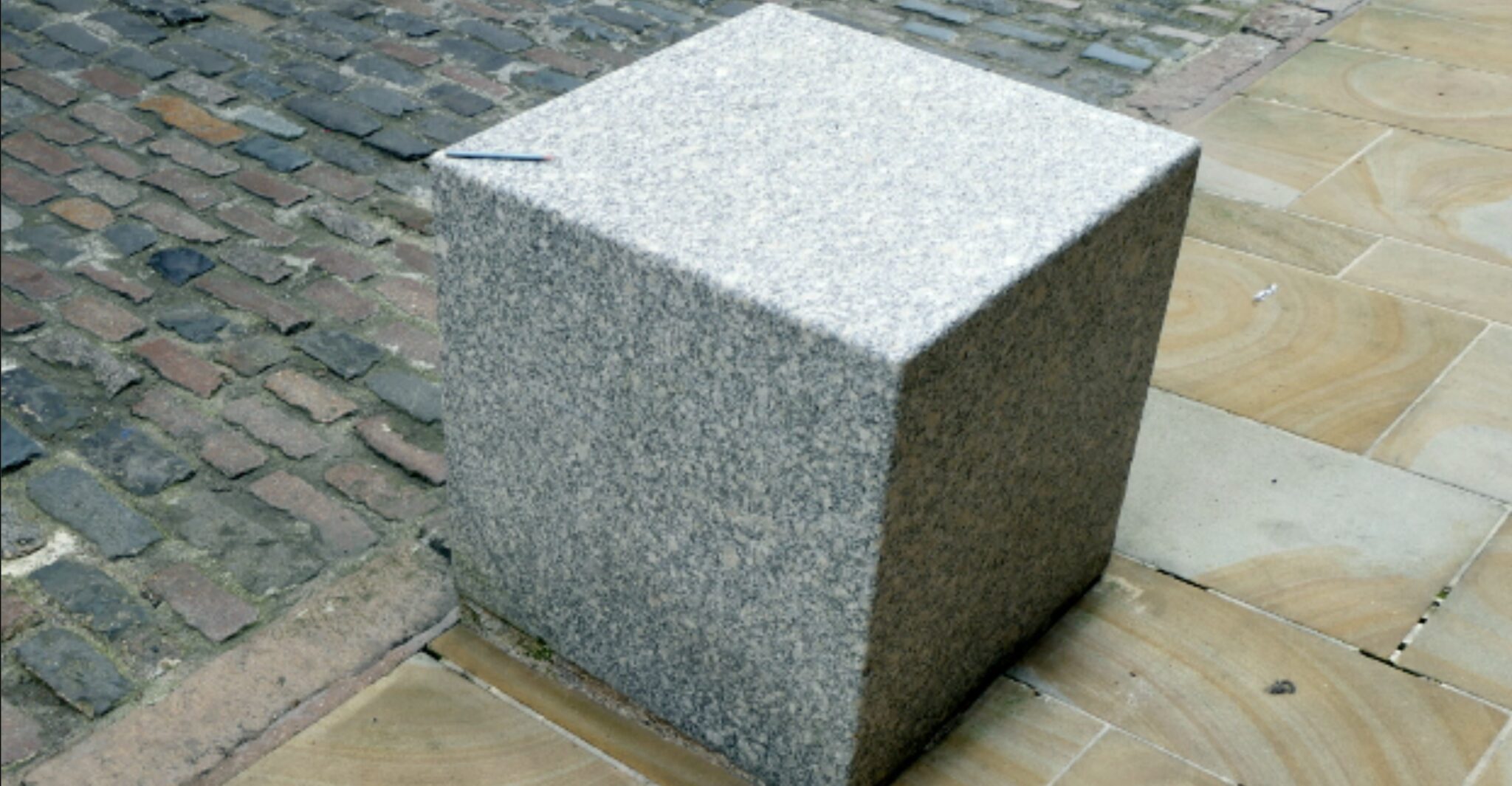

Cobblestones have not only served as a functional solution for transportation but were also considered a key factor in public health in Britain. During the mid-19th century, many streets in impoverished areas were dirt paths, lacking sewage systems and rarely cleaned. Waste, including household rubbish and human excrement, was often dumped on streets, contaminating them and creating a breeding ground for flies and harmful bacteria. Impermeable paved surfaces at least provided an opportunity for streets to be cleaned effectively. Learn more about the origins of cobblestones and Birmingham’s paving history at ibirmingham.info.
Road Conditions in the Middle Ages
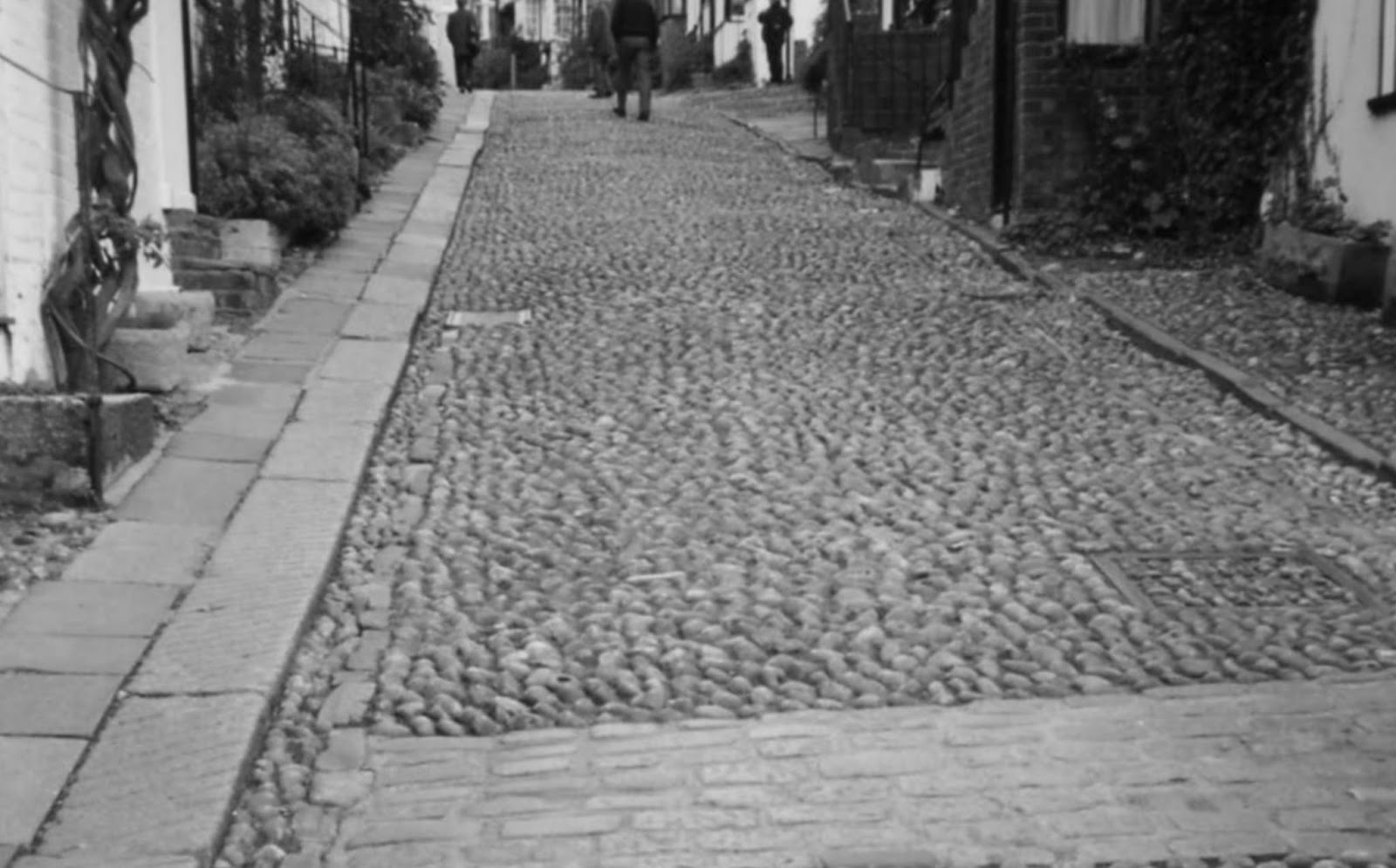
In the 14th century, Richard II established the Guild of the Holy Cross in Birmingham to maintain the region’s muddy and dangerous roads for the benefit of travellers. These roads led either towards or away from the Welsh marshes. However, such rudimentary methods of road repair were ineffective, as they were cheap and temporary.
In 1315, Richard de Kellawe, the Bishop of Durham, introduced a decree offering forty days of absolution for those who physically contributed to church construction or maintenance. The decree aligned with the concept of trinoda necessitas, which viewed road repairs as a pious act worthy of divine recognition. This move led to a gradual improvement in certain roadways.
Direct local taxes for roads and bridges, known as pavage and pontage, emerged in England during the 13th century. However, these taxes were difficult to regulate and collect. From 1391, paving laws granted specific towns legal status to collect taxes for road maintenance. Residents were required to maintain cobblestones in front of their homes, a practice based on the legal notion that property owners also owned half the width of the road in front of their buildings. Materials used for paving were rarely specified, though records mention “stone and gravel” deposited near London’s Savoy Palace in 1443.
Discoveries by Metro Builders

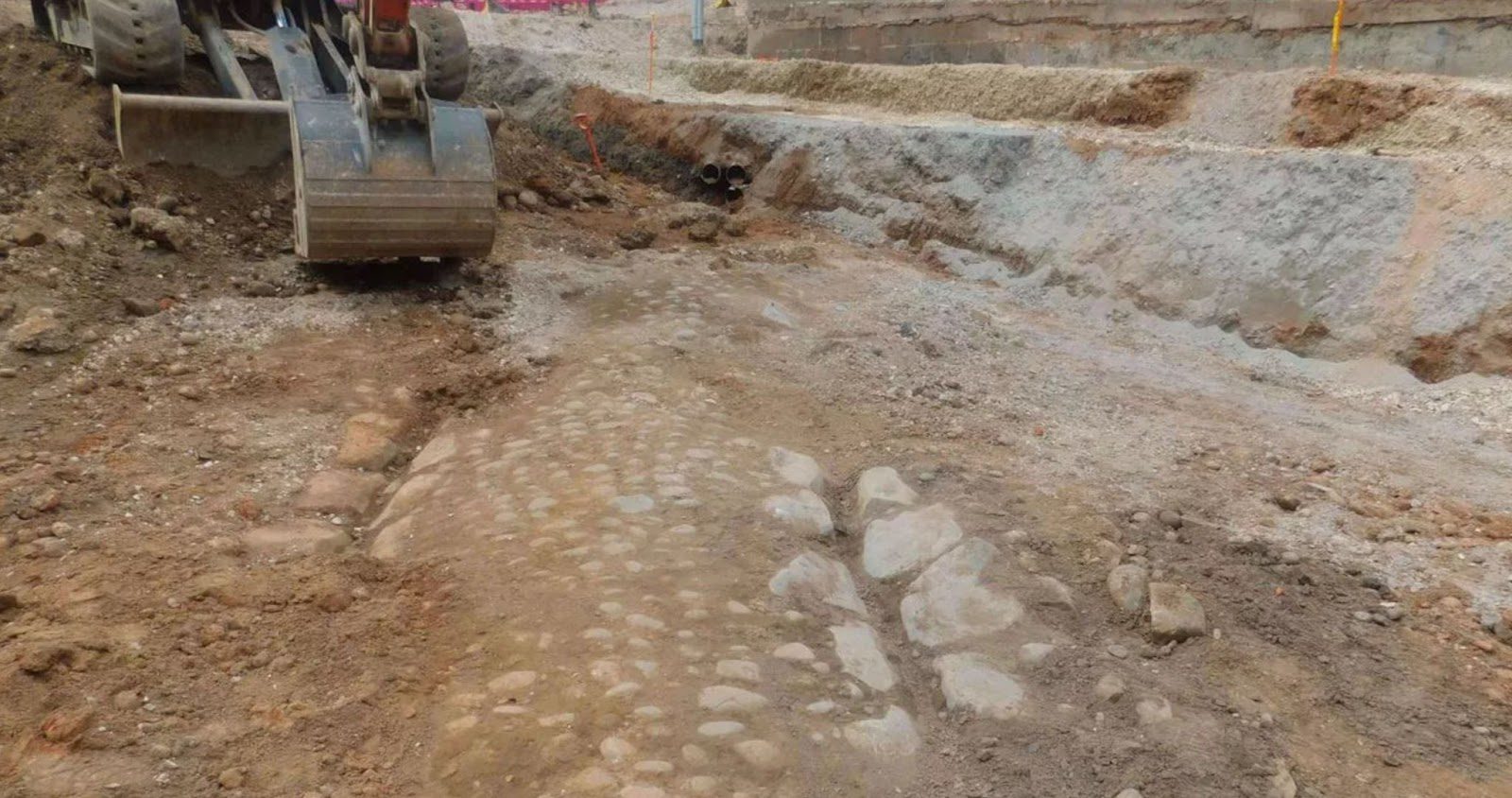
The poor state of roads persisted well into the Industrial Revolution. During the 2018 Birmingham Metro expansion, cobblestones dating to the late 18th century were uncovered, confirming that significant street paving efforts only began after the Industrial Revolution. Initial assumptions suggested the stones were part of an ancient Saxon road beneath Victoria Square. However, further archaeological analysis determined that the cobblestones were from the post-medieval period, specifically the mid-18th century.
Artefacts found alongside the cobblestones—such as porcelain, clay pipes, and building materials—supported this conclusion. Archaeologists speculated that the road might have been part of Birmingham’s expansion during the mid-18th century, later falling out of use in the Victorian era. The area around Pinfold Street had already undergone renovations over 200 years ago.

This discovery follows a series of similar finds in the same district. Earlier that year, Victorian security shutters were uncovered at a shop on Pinfold Street, once the premises of 19th-century piano makers Dale, Forty & Co. These shutters were hidden behind a modern storefront façade.
The Best Stone for Paving
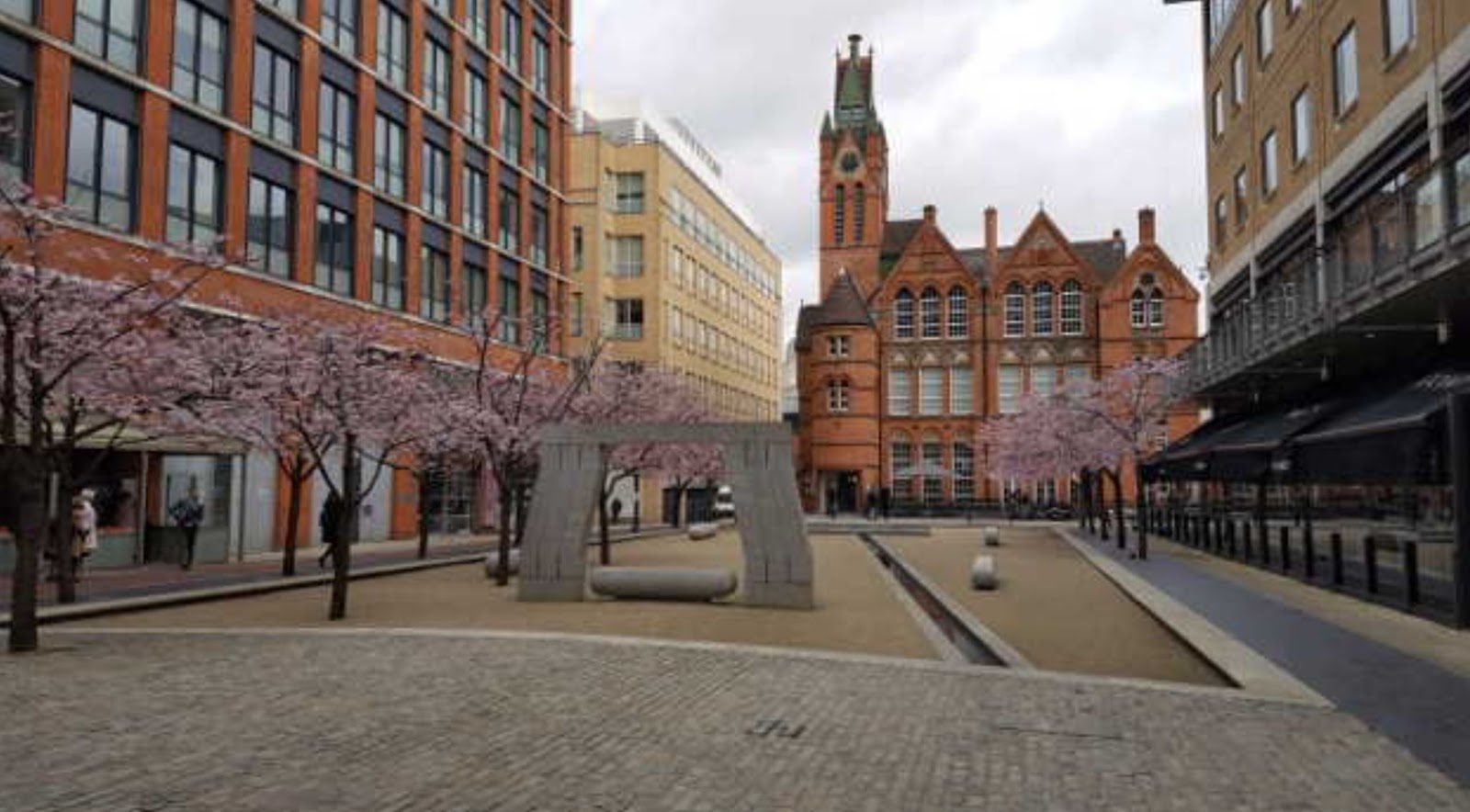
During the 18th and 19th centuries, a wide range of stones was used for Birmingham’s cobblestones. Quarrying for paving stones and curbstones became a significant industry, providing materials for the expanding network of city streets. Commonly used stones included Jersey granite and Guernsey diorite. Locally sourced igneous rocks from the Black Country and the East Midlands were also widely employed.
While it is difficult to trace the origins of all stones seen in Birmingham today, such as those on Oozells Square, the characteristics of some primary types are well-documented:
- Mountsorrel Granodiorite from Charnwood, Leicestershire, is a medium-grained granite with red and white feldspar, hornblende, quartz, and biotite. The quarry remains one of Europe’s largest, primarily producing crushed stone.
- Markfieldite, another Charnwood stone, is a medium-grained diorite with red-green flecks. It contains green hornblende, pink orthoclase, and minor epidote, giving it a distinctive appearance. It is often used alongside Mountsorrel Granodiorite.
- Whinstone refers to dark-grey, fine-grained igneous rocks such as dolerites and basalts. These stones were commonly used for curbs and paving. The name originates from the Great Whin Sill, with quarries in areas like Midland Valley, Scotland, and Cleveland, North Yorkshire, producing black, fine-grained limestone.
- Rowley Rag, a local dolerite, was sourced from quarries near Rowley Regis in the Black Country. Although widely used, it earned a reputation for being slippery when polished, causing horses to fall, and eventually fell out of favour.
Cobblestones or Curling Stones?
Trefor Granite, from North Wales, was primarily quarried for cobblestones but became especially valued for its properties in curling stone manufacturing. This granite, sourced from Trefor on the Llŷn Peninsula, was selected as the primary material for curling stones at the 2002 Salt Lake City Winter Olympics.