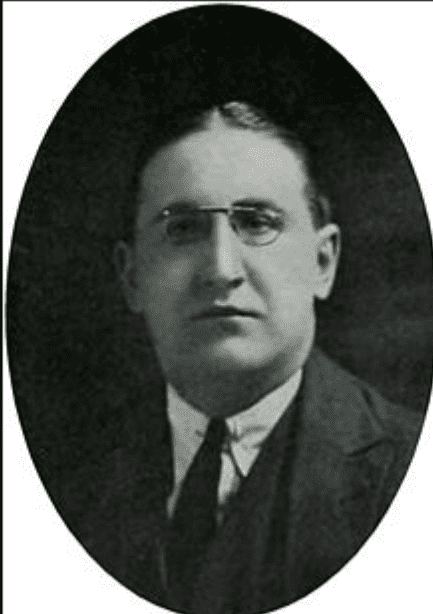

Talent finds many friends. Exploring the biographies of gifted artists often reinforces this truth. Clifford Grey exemplifies this, as he is celebrated not only as a composer but also as an actor. More on ibirmingham.
Finding Himself
In 1887, Percival Davis was born in Birmingham. His childhood was ordinary, and his school years were spent at King Edward VI School for Boys on Camp Hill. Initially, Percival had no intention of pursuing a creative career. He worked in various office roles.
As soon as he stepped onto the stage, he adopted the pseudonym Clifford Grey. He quickly became a natural centre of attention, and the stage became his second home. However, after marrying in 1912, Grey shifted his focus from performing to writing scripts for West End shows. Relocating to London further boosted his career.
Grey’s work as a writer and composer brought him more recognition and popularity than his singing. In 1916, Grey began collaborating with renowned American composer Nathaniel Ayer. Together, they worked on several major Broadway productions.
Success in America
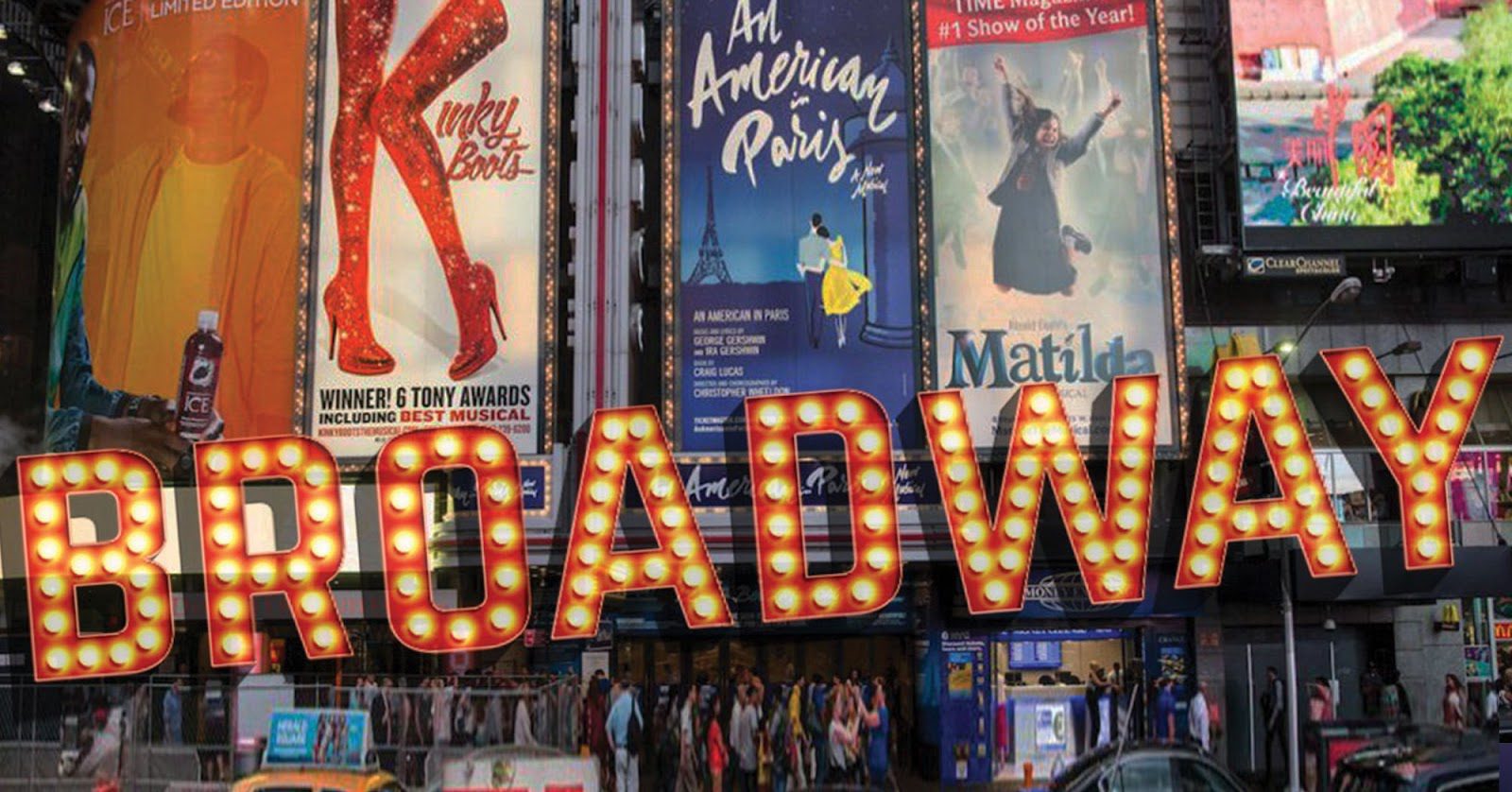
Although Grey achieved some success in London, he moved to New York with great ambitions. In 1920, producer Kernan invited him to New York to work on the musical Florenz Ziegfeld’s Sally. This marked the beginning of Grey’s fruitful career on Broadway. He primarily wrote librettos for various plays, comedies, and revues.
The 1920s were pivotal for the development of global cinema. As sound films emerged, many professionals from silent cinema found themselves out of work. Grey, however, adapted to this innovation and moved to Hollywood. There, he collaborated with Victor Schertzinger and Oscar Straus. In Hollywood, Grey worked not only as a composer but also as an actor and screenwriter.
Grey wrote scripts and lyrics for films such as The Vagabond Lover, In Gay Madrid, and The Smiling Lieutenant. His Hollywood filmography includes over a dozen films.
However, his songs were his most treasured creations. His greatest hit is often considered If You Were the Only Girl in the World. After his death, this song was frequently used by directors. London audiences, however, favour another of his hits, Spread a Little Happiness, which was performed for several seasons in West End productions.
In 1932, Clifford Grey returned to London, where he continued writing scripts and music. Back in his homeland, he wrote more than twenty film scripts, with Rome Express being the most notable. For over a decade, his shows, co-written with other authors, were staged in the West End. However, his most prolific achievements lay in his composition, creating over 3,000 songs.
When World War II began, Grey joined the Entertainments National Service Association (ENSA), an organisation dedicated to touring entertainers to boost the morale of military personnel.
In 1941, the town of Ipswich in Suffolk suffered from German bombings. The explosions and terror triggered a heart attack in Grey, which led to his death. Clifford Grey was 54 years old. He was buried in Ipswich’s Old Cemetery.
Despite Grey’s significant influence on American and British cinema, his life was relatively understated. He was married, had three daughters, and worked tirelessly.
However, there is a humorous posthumous anecdote in his biography. In 1979, an article by journalist Tom Clarke was published in an American magazine. The piece described a bobsledder named Clifford “Tippy” Grey who competed in the Olympic Games. Clarke mistakenly identified the athlete as Clifford Grey, the actor and composer. Although the real “Tippy” Grey had passed away in 1968, many people believed this information. For several decades, it was assumed that Clifford Grey had also been an athlete. This myth was only fully debunked in 2013.