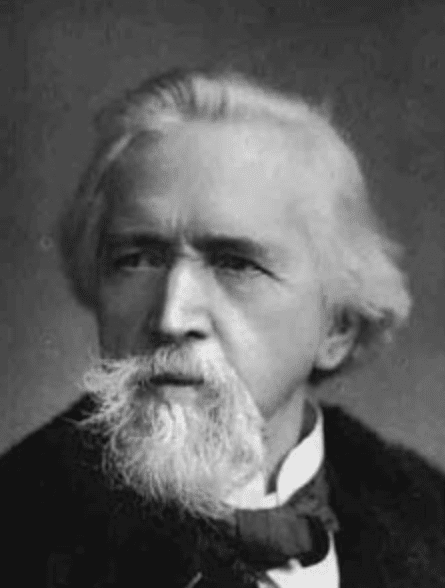

The press is often referred to as the fifth estate, and for good reason. Words can influence far more profoundly than actions. George Jacob Holyoake was a humble Birmingham-born figure who made a significant contribution to English cultural life. More on ibirmingham.
From the Working Class
Holyoake was born on 13 April 1817 in Birmingham to working-class parents. He grew up in a large family with twelve siblings. Birmingham was an industrial hub at the time, home to numerous factories and workshops. Almost everyone in the city worked in manufacturing. Holyoake’s father was a foreman at a foundry, while his mother worked in a button factory.
Holyoake attended the Mechanics’ Institute, though career options were limited for him at the time. At eighteen, while still studying, he was introduced to the works of Robert Owen. Owen’s ideas helped shape Holyoake’s political views and his understanding of the labour world.
For a brief period, Holyoake managed to step out of the working class by becoming a teacher. However, his strong political stance led to the loss of this job.
Early Works and Global Influence
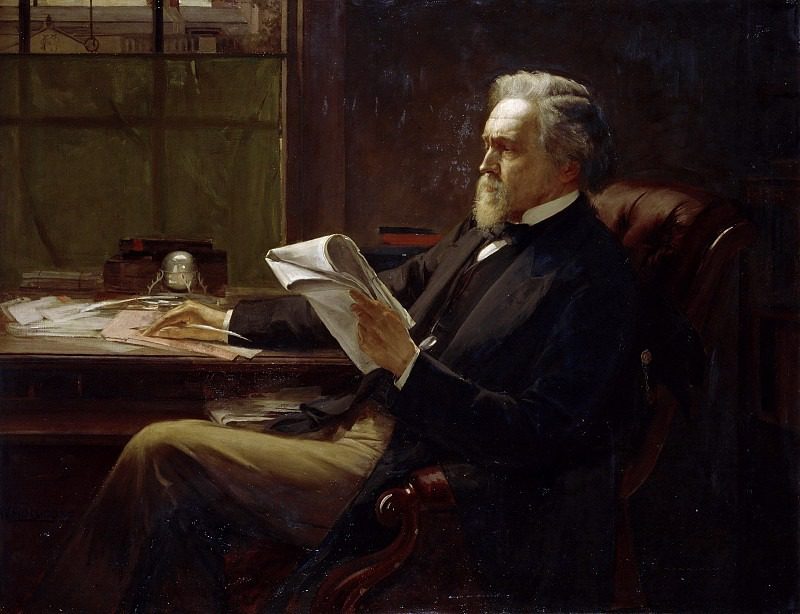
After his unsuccessful teaching career, Holyoake began working for The Oracle of Reason. His initial publications focused on “secularism.” Holyoake was a staunch opponent of religious influence on state affairs. Secularism advocates for the separation of religion from the state and all government institutions. At the time, the Church wielded significant influence in England, with some laws based on religious doctrines. For instance, it was mandated that every schoolteacher begin lessons with a prayer. Holyoake was the last Englishman to be imprisoned for his atheistic views.
He was arrested during one of his speeches. Later, historians and biographers who analysed the speech concluded that it contained no radical anti-religious statements. However, by then, Holyoake’s reputation had already preceded him. One of his chief “opponents” was James Clarke, who championed opposing views.
As an industrial city, Birmingham faced significant challenges regarding working conditions and wages. The workers strove to make industrialists value their contributions. Holyoake’s work, particularly his book History of Cooperation in Rochdale, helped advance this cause. His writings paved the way for nearly 250 workers’ cooperative societies to emerge in Birmingham by the 1870s.
The book was translated into several languages, as other industrial cities across Europe faced similar challenges with their working-class populations.
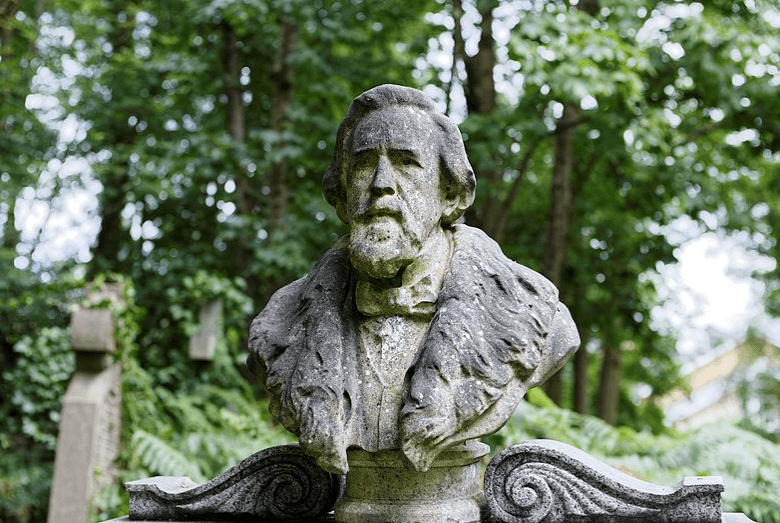
Holyoake passed away in January 1906 and was buried at Highgate Cemetery in London. His contributions to societal progress and development have been commemorated with various plaques and monuments.
In addition to his influence on workers’ rights and societal perceptions of the working class, Holyoake popularised terms such as “jingoism” and “chauvinism,” introducing these concepts into public discourse.
Chauvinism is an ideology of national superiority characterised by the discrimination and oppression of other nations. It fosters hatred toward foreigners and can also apply to regional discrimination within a nation. A historical example of chauvinism was seen during the American Civil War (1861–1865), when the South fought against the North.
Jingoism, on the other hand, is a form of chauvinistic nationalism. It involves the advocacy of colonial expansion and the promotion of national animosity. Jingoism often manifests as military aggression by one country toward another in pursuit of national interests.