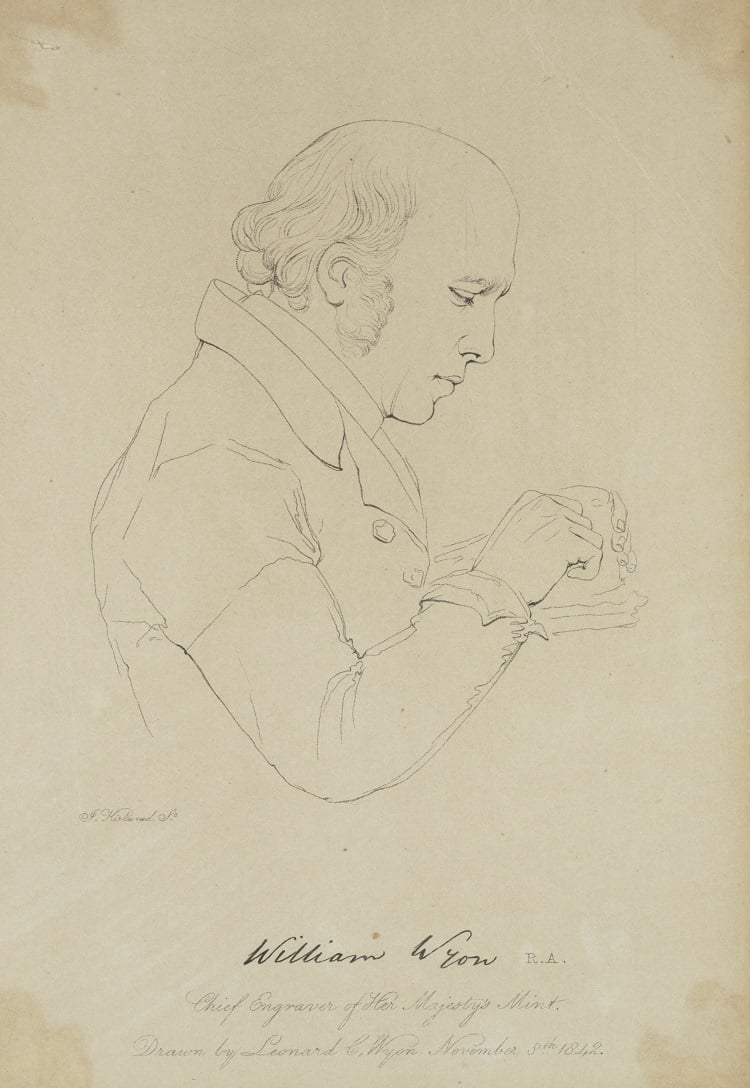

William Wyon is renowned in England as a sculptor and artist. However, his contribution to global culture was not through paintings but through stamps and coins. He created many of the postal stamps and antique coins in the United Kingdom. More on ibirmingham.
A Dynasty of Engravers
Wyon was born in 1795 in Birmingham to a family deeply connected to the world of art and creativity. His uncle, Thomas Wyon, was a well-known engraver and artist in England. William’s father, also an engraver, decided on his son’s profession early, taking him on as an apprentice. In 1816, William moved to London.
Talent seemed to run in his blood. At just 21, he became the Second Engraver of the Royal Mint, and twelve years later, he rose to the position of Chief Engraver. King George III greatly valued Wyon’s abilities, recognising not only his talent but also his industriousness and productivity. Thanks to Wyon’s dedication, numismatists and collectors worldwide now treasure his works.
The Image of a Young Princess
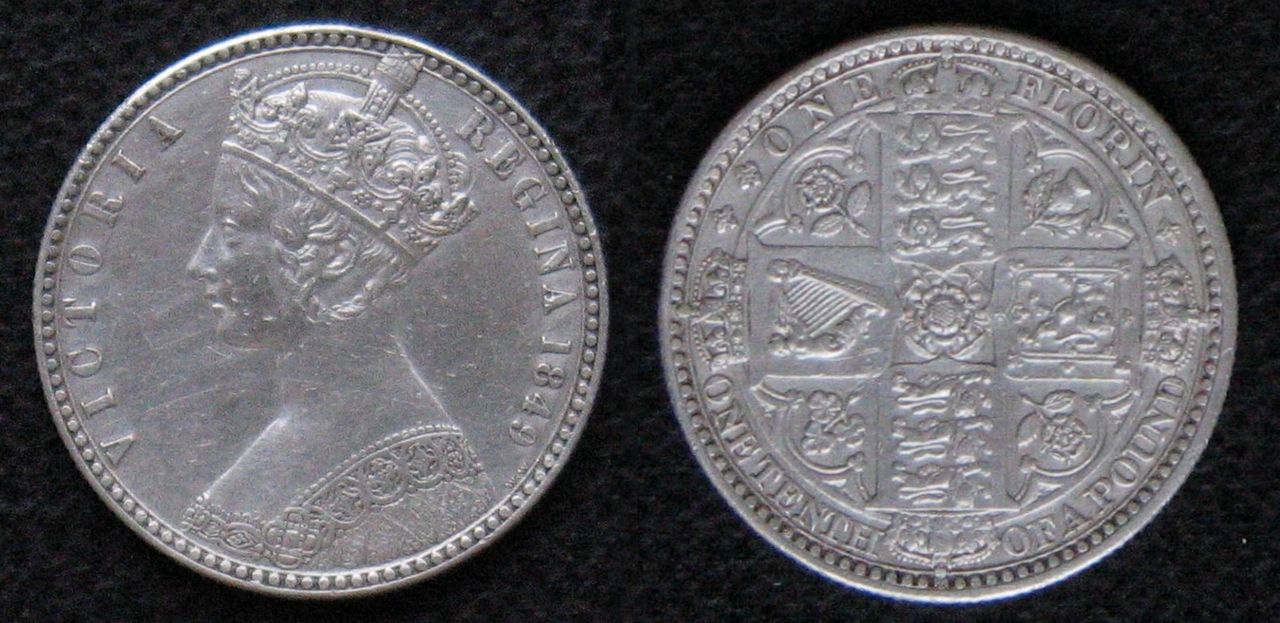
In 1834, Princess Victoria was only 15 years old. Inspired by the young girl’s appearance, Wyon created a model of her head. This image was used for the City Medal and on postal stamps issued between 1840 and 1879.
Later, the engraver’s initials, “WW,” were added to stamps, including the one-shilling and ten-pence denominations. As engraving and printing techniques evolved, Wyon’s designs were adapted to new methods. Over his career, he created more than 43 coins.
Wyon passed away in 1851 and was buried at West Norwood Cemetery. His grave is unassuming, with no grand monuments or elaborate headstones. His sons continued the family tradition of engraving, much as he had followed in his father’s footsteps.
A Legacy of Excellence
William Wyon’s most productive period spanned from 1816 to 1851. Experienced artisans of his time often discouraged him from pursuing coin engraving, doubting its importance or profitability. Yet, Wyon’s perseverance proved them wrong.
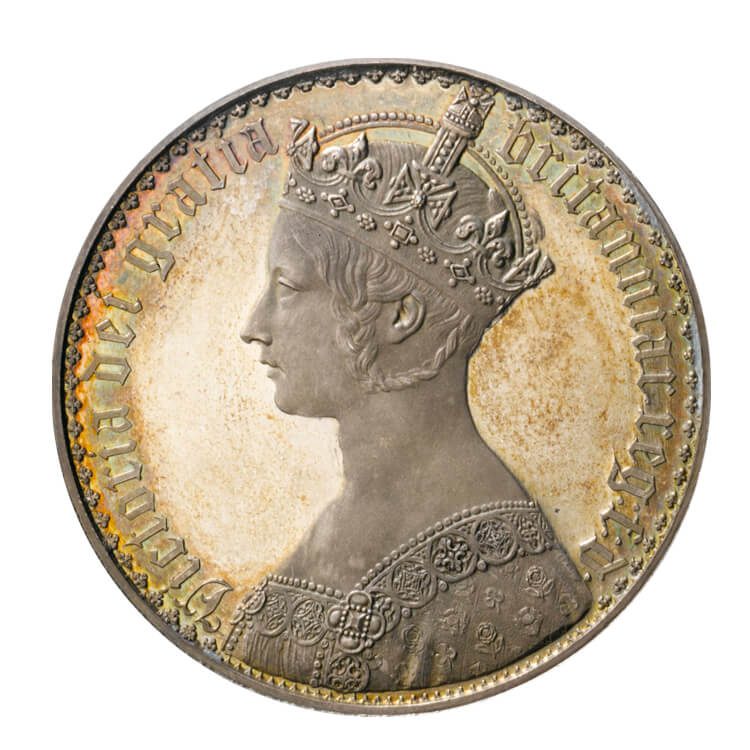
His dedication led to the creation of iconic designs like the lion sixpences and shillings featuring George VI, the five-pence coin depicting Una and the Lion, and the “Three Graces” crown he crafted at just 22 years old. While these coins lack significant financial value, Wyon’s reputation as an engraver has elevated their historical importance. Historians and numismatists remain puzzled as to why his works are so highly regarded.
The pinnacle of Wyon’s career was his coins and medals featuring Princess Victoria. After she ascended to the throne, he continued to mint coins depicting Her Majesty and Prince Albert. Shortly before his death, he created conjoined portraits of the queen and her consort, which were displayed at the Great Exhibition of 1851.
Wyon’s mentor, John Flaxman, influenced his approach to portrait creation. Under Flaxman’s guidance, Wyon developed the ability to engrave portraits on coins with such precision that they rivalled painted portraits in detail and quality.
Although Queen Victoria was Wyon’s favourite subject, he also portrayed other notable figures and British monarchs, including George IV and William IV. Interestingly, these individuals never posed for him as Victoria did. Instead, Wyon relied on busts created by Francis Chantrey for reference.
Wyon’s artistry was celebrated not only for its precision but also for his remarkable speed. For Queen Adelaide’s coronation in 1831, he crafted a coronation medal in record time. His prolific work solidified his reputation as a leading engraver, gaining recognition beyond the UK. Wyon even received international commissions, including a portrait of Maria II for Portuguese coins.