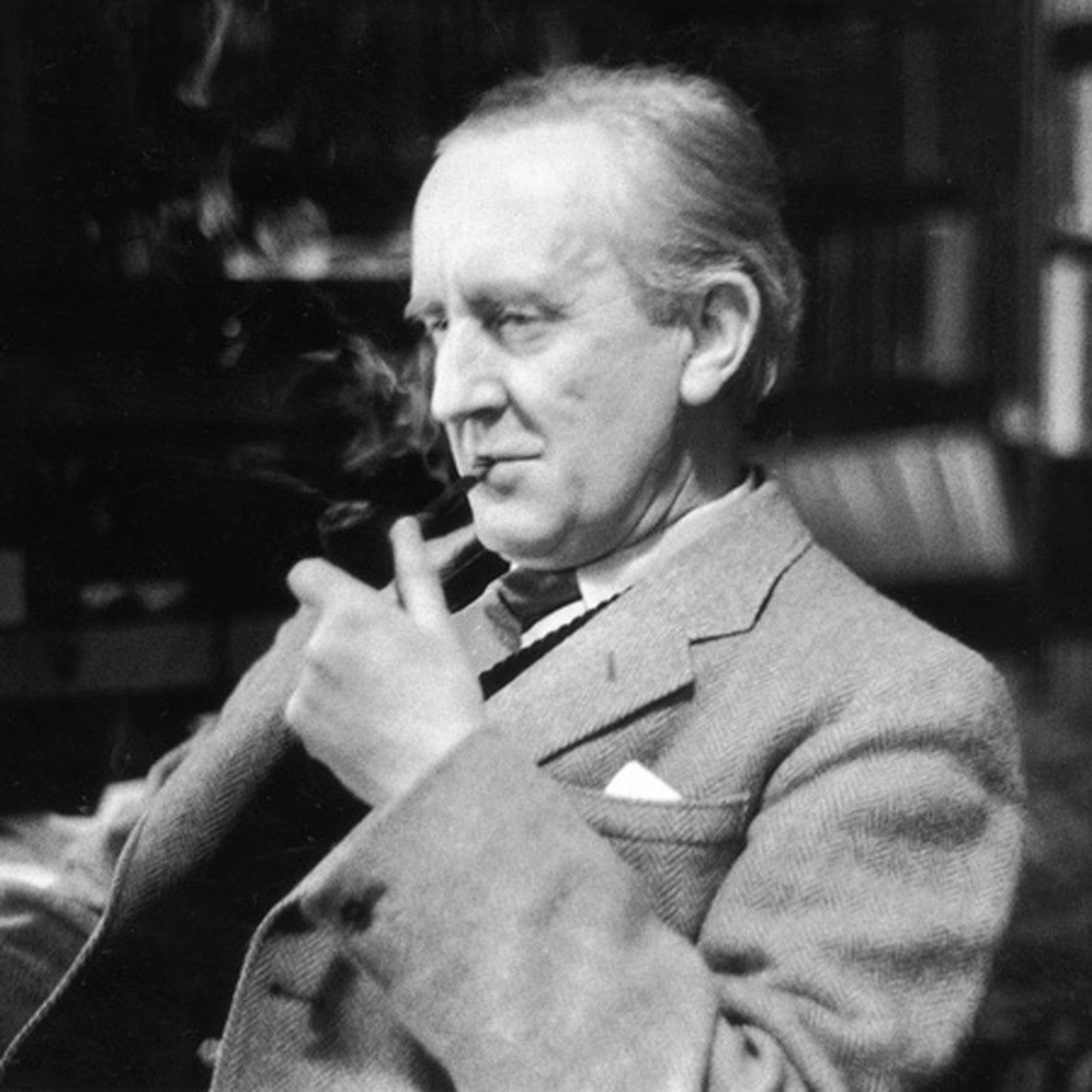

“The Lord of the Rings” is the most renowned work in the fantasy genre. Several generations have grown up with this marvellous book. The story of its author, John Ronald Reuel Tolkien, is extraordinary. Born miles away from his mother’s homeland of England, fate brought him back to find inspiration for his life’s masterpiece. More on ibirmingham.
The Fearlessly Brave Tolkien Family
Before moving to England in the 18th century, Tolkien’s paternal ancestors lived in Lower Saxony, working as humble craftsmen. They quickly assimilated into their new surroundings, leaving behind their German roots. However, individuals bearing variations of the Tolkien surname continued residing in Lower Saxony and Hamburg. The surname itself translates from German as “fearlessly brave,” though some theories suggest it originated from a town in East Prussia.
Mabel Suffield, Tolkien’s mother, was a native of Birmingham. His grandparents were entrepreneurs owning a property long associated with the Suffield family. Referred to as the “Lamb House,” it sold books and stationery rather than lambs or wool.
Despite his multicultural ancestry, Tolkien was born far from both England and Germany. His father, Arthur Reuel Tolkien, worked as a bank manager and moved with his young wife to Bloemfontein in the Orange Free State for work. It was there, on 3 January 1892, that their first son was born.
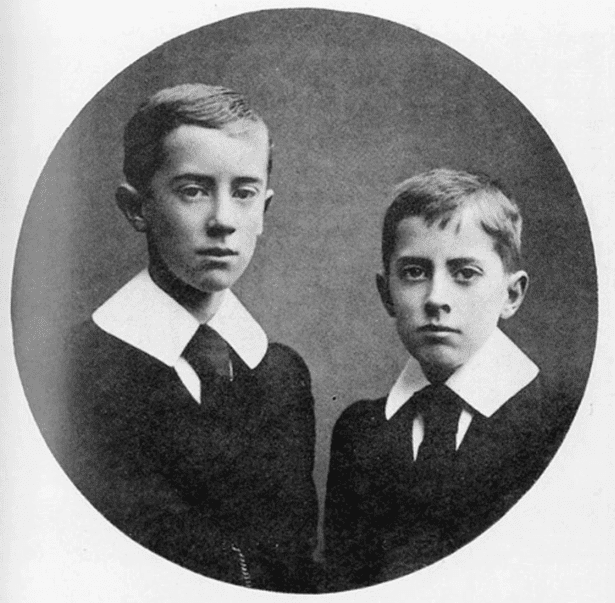
In accordance with English tradition, the boy was given multiple names. John and Reuel were names of his grandfather and father, while Ronald was his personal name. Although Ronald came second in the sequence, family and friends affectionately called him “Ron.” Two years later, the family welcomed a second son.
The Journey Home
At the age of four, Ronald returned with his mother and brother to Birmingham. His father stayed behind in Africa and soon passed away. Left without financial support, Mabel struggled immensely. Together with her sons, she settled in Sarehole, near Birmingham.
Life was difficult, and Mabel found solace in her faith, converting to Catholicism despite being raised Anglican. This decision caused her relatives to sever ties with her completely. She raised her sons in the Catholic tradition.
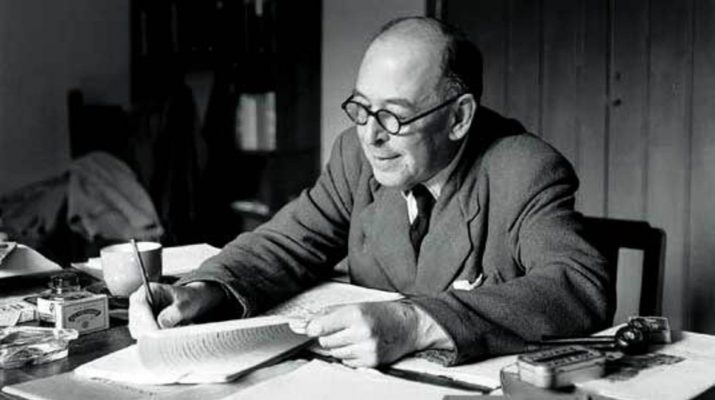
Tolkien became deeply religious, viewing Catholicism as the true faith, much like his mother. He even disapproved when his close friend, the renowned writer C.S. Lewis, abandoned Catholicism for Anglicanism.
Mabel had a profound influence on Tolkien’s development. By the age of four, he could write, sketch, and showed a keen interest in botany. She allowed him to read freely, and he grew captivated by fairy tales such as those by the Brothers Grimm, “Alice’s Adventures in Wonderland,” and other fantasy stories.
When Ronald was 12, his mother died of diabetes. Before her death, she ensured their guardian would be Father Francis Morgan, a Catholic priest. Father Morgan introduced Tolkien to philology, sparking a lifelong passion. Tolkien eventually mastered 14 languages and created 19 of his own.
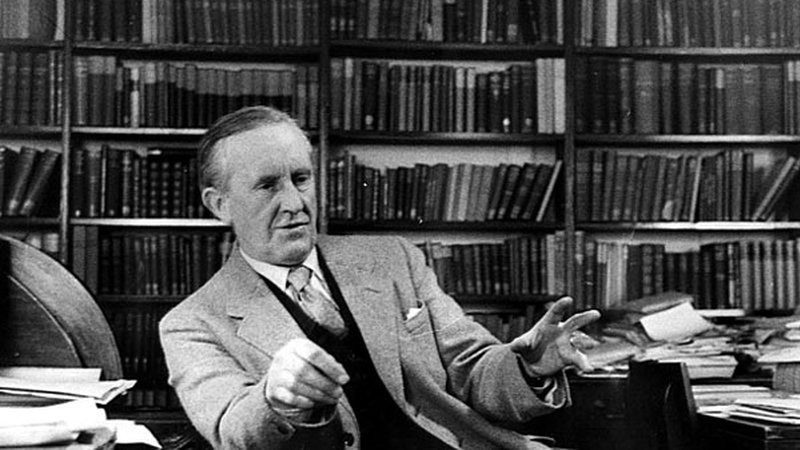
He attended the Oratory School in Edgbaston on Hagley Road but later earned a scholarship to King Edward’s School and subsequently Exeter College, Oxford. His childhood near Birmingham, particularly the Mosley Bog, greatly inspired his future works. He drew creativity from the whimsical trees and green hills surrounding him.
Harsh Realities
The central figures of “The Lord of the Rings” are hobbits—curious creatures inspired by the English people. Tolkien imbued hobbits with many English traditions and habits. Among the hobbits, there are four key characters—Frodo, Sam, Merry, and Pippin. This number was intentional, reflecting Tolkien’s three close school friends from King Edward’s School. Together, they formed a semi-secret group called the “Tea Club and Barrovian Society.” They maintained contact even after school, but two of the friends tragically perished in World War I. Bilbo’s journey to the Misty Mountains was inspired by Tolkien’s own trip to Switzerland.
At 16, Tolkien fell in love with Edith Mary Brett, a Protestant neighbour. However, his guardian made him promise not to contact her until he came of age. Tolkien honoured this promise, refraining from speaking to or seeing her until he turned 21.
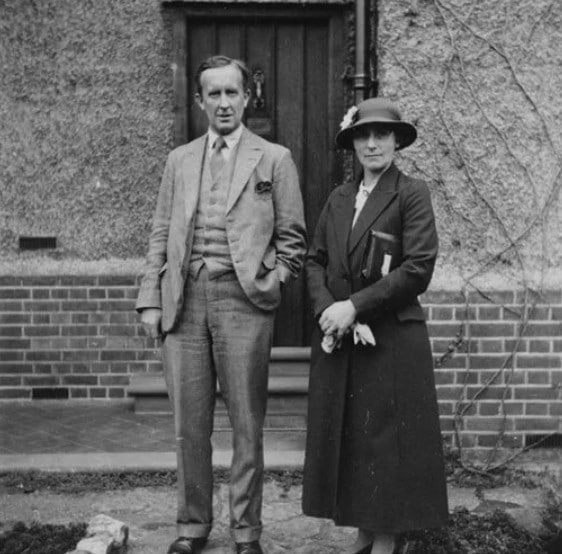
When his guardianship ended, Tolkien explained everything to Edith, and she broke off her engagement with another man to marry him. The engagement took place in Birmingham in 1913, followed by their wedding in Warwick. For him, Edith converted to Catholicism. Their marriage lasted 56 years, and they had four children.
Hatred for Wars and the Birth of “The Hobbit”
As World War I loomed, Tolkien delayed his enlistment to complete his bachelor’s degree, much to the dismay of his relatives. In 1915, he joined the Lancashire Fusiliers and was deployed to the front. Remarkably, he survived the Battle of the Somme, though his two friends did not. This left him emotionally shattered, and trench fever took a toll on his physical health. Declared unfit for service, he returned home to focus on scholarly work.
Tolkien taught at the University of Leeds and later at Oxford. Struggling with the losses and challenges he faced, he found solace in writing. His wife Edith’s support played a crucial role during these times. While Tolkien never served again, during World War II, he was considered unfit for service, despite being offered a role as a codebreaker. As a pacifist, he even criticised the Allied bombings of Germany.
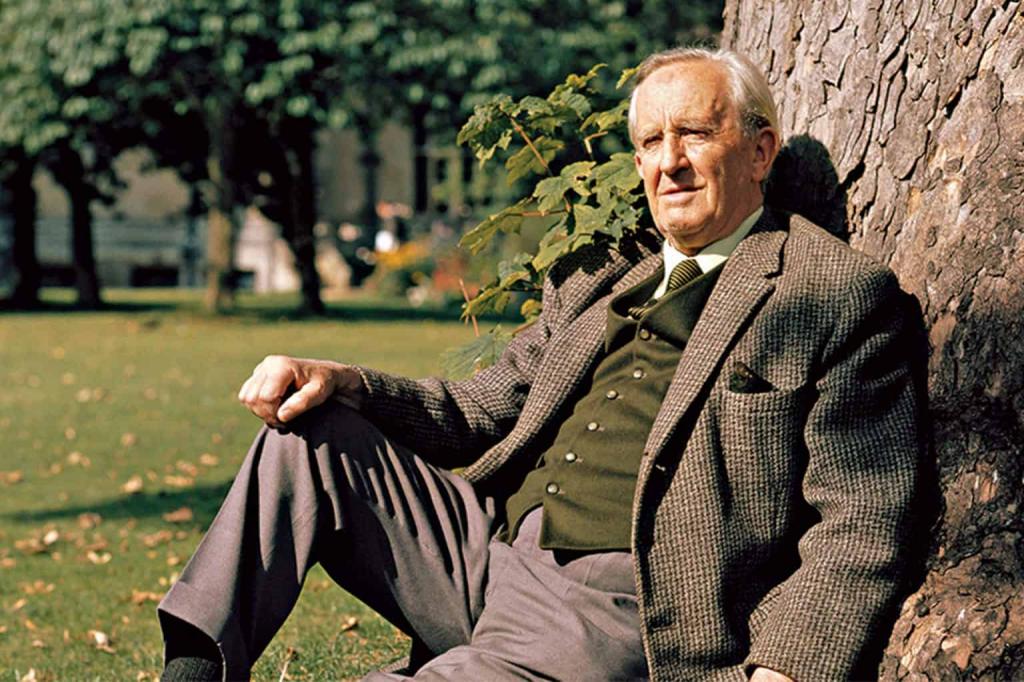
Post-World War II, Tolkien gained recognition as the world’s leading philologist. He began writing seriously, creating the legends and myths of Middle-earth (published as “The Silmarillion”). He initially crafted “The Hobbit” as a children’s tale, which became the foundation of the book published in 1937.
The Tolkien Boom
In the 1960s, America witnessed a Tolkien boom. Youth influenced by the hippie movement embraced his works wholeheartedly. Tolkien imbued his characters with ideas of peace and freedom. Initially flattered, he later found the adulation overwhelming, prompting him to change his phone number. Despite this, “The Lord of the Rings” cemented his legacy, with adaptations and acclaim continuing into the 21st century.
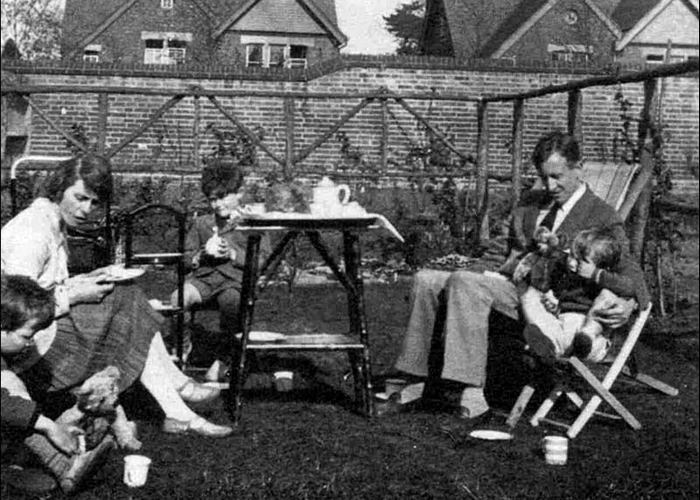
Tolkien passed away on 2 September 1973 due to complications from ulcers and pleurisy. He was laid to rest with his wife. His unpublished works were later edited and released by his son Christopher.