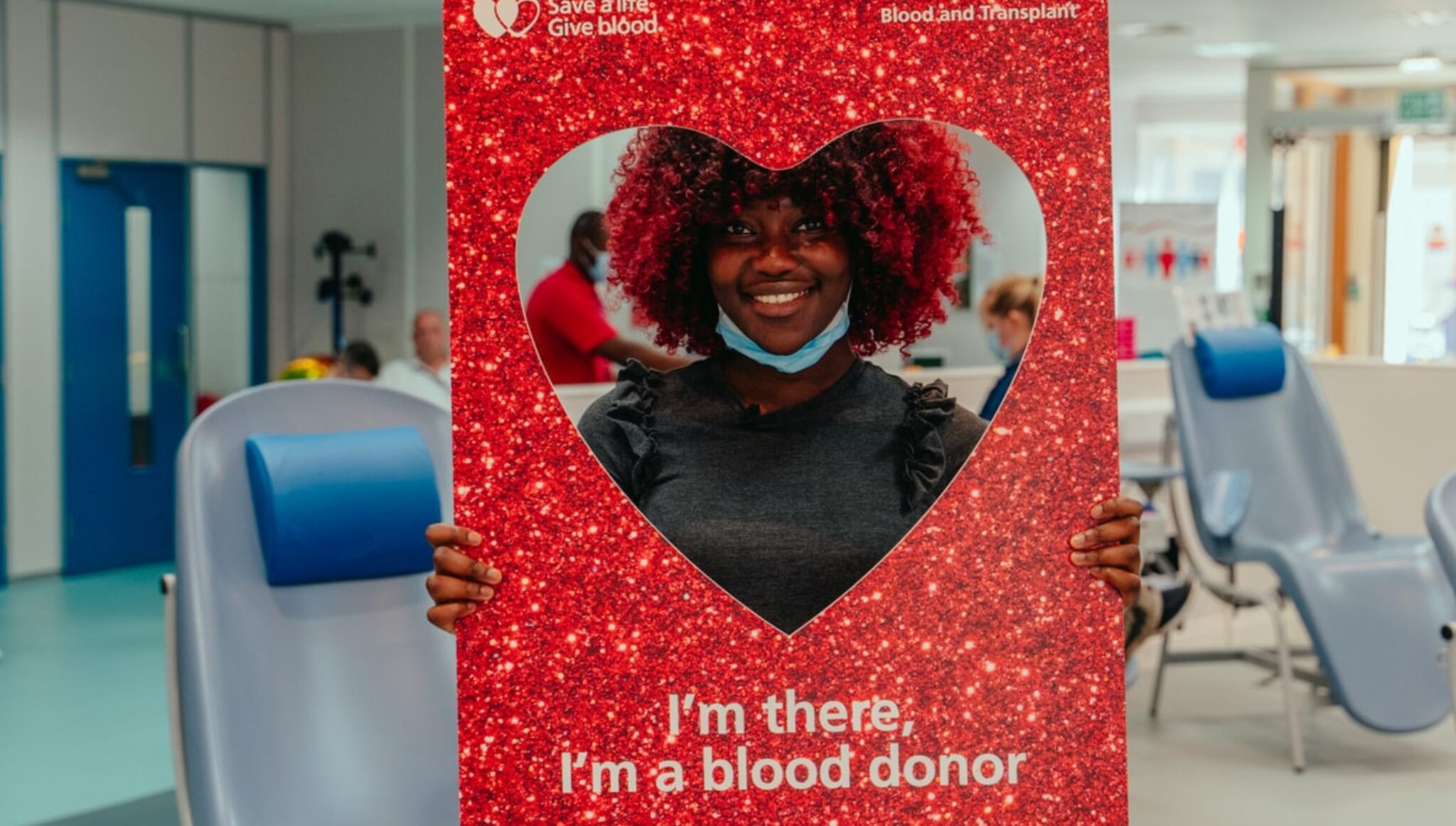

Birmingham Blood Donor Centre is open six days a week from Monday to Saturday. It is less than a five-minute walk from New Street train station and tube station and offers free parking for donors. The centre also has free Wi-Fi, a TV and friendly staff. Here, you can donate blood that could save someone’s life. Learn more about it at ibirmingham.info.
Half a century anniversary
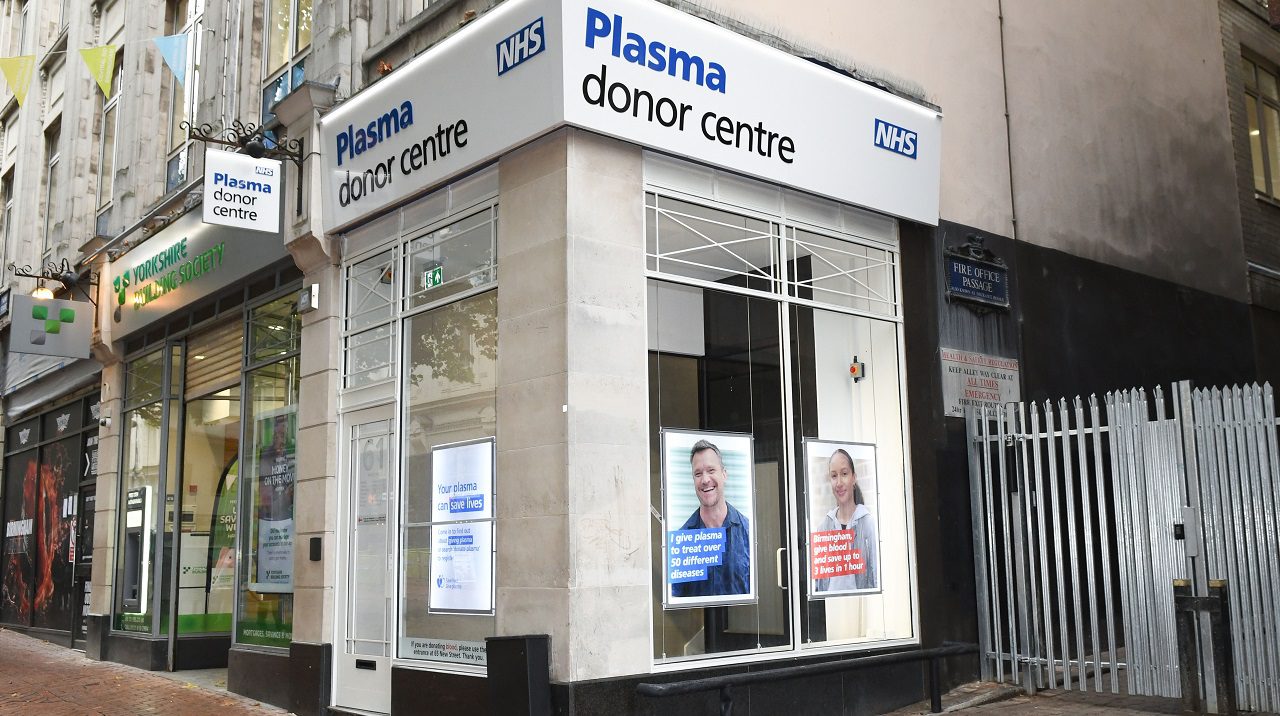
Blood transfusion, organ donation and stem cell transplant centre in the West Midlands celebrated its 50th anniversary in 2014. The Vincent Drive Centre has been serving the local community for over half a century. The Lord Mayor of Birmingham unveiled a plaque for the occasion. The centre was also rededicated. Local blood donors, hospital staff, past and present NHS Blood and Transplant workers and people whose lives have been saved through blood and organ donation attended the event.
All those present learned more about the history of the centre and heard real-life stories of how blood and organ donation saved the lives of four local residents, Rachael Cook, Elizabeth Harley, Nadine Simpson and Ulrika Dandekar.
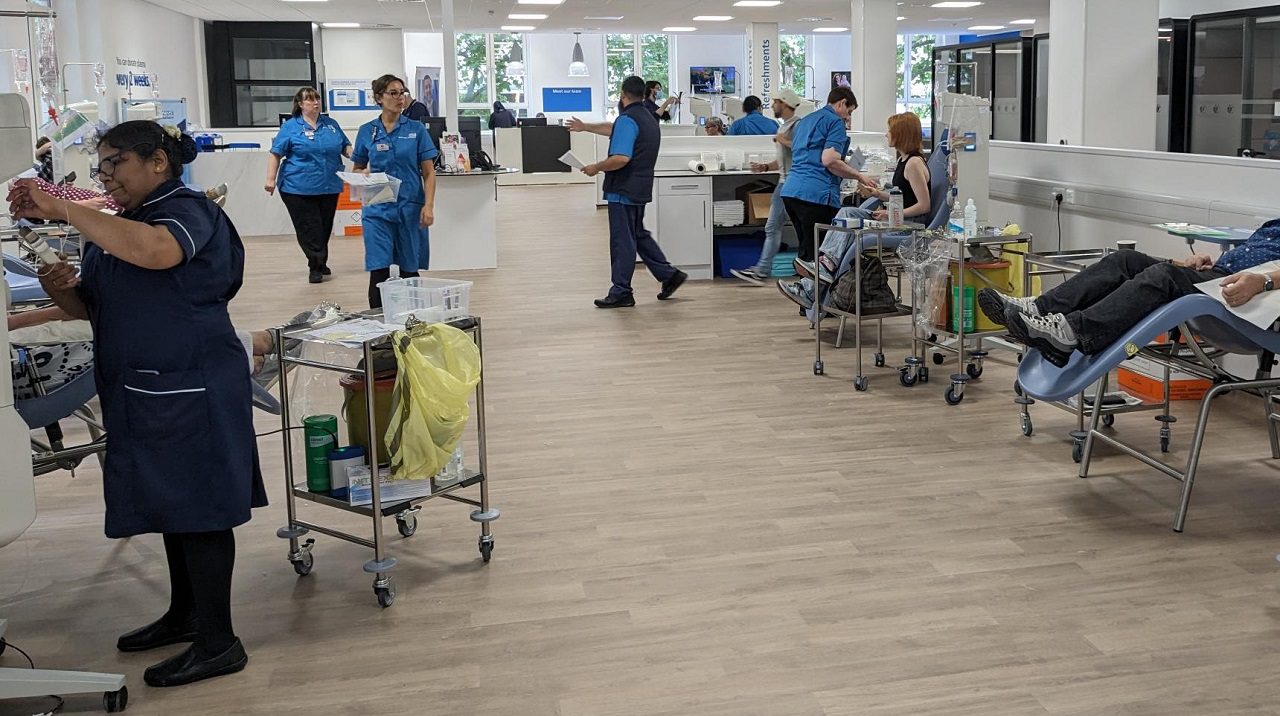
The Vincent Drive Centre is home to many NHS Blood and Transplant specialist laboratories, including one of the largest stem cell laboratories in the UK, which collects and processes stem cells from 6 local hospitals. It also houses donation registers from the UK, EU and US.
The centre’s stock unit stores and issues around 40% of the South West’s blood products, covering the needs of around 5.2 million people. The on-site transport team supplies 31 hospitals in the West Midlands as well as the military. Each year, it gives around 230,000 units of blood and 30,000 units of platelets to treat patients.
The West Midlands organ donation team calls Vincent Drive home. The centre’s 22 specialist nurses work tirelessly in local hospitals. Their role includes supporting local families who are asked to donate their loved one’s organs to help patients who need transplantations.
Rachael Cook and her story
A former patient Rachael Cook from Stone spoke at the anniversary event. Rachael was on dialysis for eight years before she had her first kidney transplant. During that time, she had over 20 blood transfusions as she was suffering from anaemia. Rachael’s first kidney donation was unsuccessful and three days later, she needed another 10 units of blood to save her life. Rachael has now fully recovered from her second kidney transplant and has shared her story of blood and organ donation.
She needed both a blood transfusion and an organ transplant, so she is incredibly grateful to all the people who donate blood or make the decision to donate their loved one’s organs. She also thanked the wonderful staff at NHS Blood and Transplant in Birmingham. She wouldn’t be alive without them and the life-saving work of the Donor Centre. Of course, it was a pleasure to visit the centre for its 50th anniversary and learn more about the work that goes on here.
Kevin Cartwright, the head of the institution, said the centre was vital in supporting blood, organ and stem cell transplantation across the region. Over the past 50 years, the service has improved significantly, thanks to pioneering medical innovations. Local scientists and teams have often been at the heart of those achievements.
Still, the staff is always striving to do more and therefore calls on more people to volunteer to be blood donors in the West Midlands. The representatives of the institution are also particularly keen to work with ethnic minorities. In the West Midlands, people from these communities represent only 1 in 10 active blood donors, although they also represent 3 in 10 people living in the county.
Organ donation is important
So it is clear that more people need to join the NHS Organ Donor Register and talk to their families about their decision to donate. In The West Midlands and the rest of the UK, 36.4% and 35.9% of people from minorities respectively agree to donate their organs, while in other groups the rate is currently 63.3%.
What do you need to know to make a blood donation and not to cause any health issues? Before donating, please eat regularly, drink plenty of fluids, non-alcoholic of course, and avoid strenuous exercise or exertion.
Also, remember to take a filled-up Donor Safety Check with you if you have received it in the post. If you ever need to cancel your donation, you should give 3 days’ notice so that the centre can offer the day to another donor. You can easily cancel or reschedule any appointments you have by logging into your online account or using the NHS Give Blood app.
When you come to the centre, you should read the Donor Consent Booklet, which explains the importance of blood safety. It is important to read it every time you come to donate, as the advice changes.
You will be given 500ml of fluid to drink just before you donate. Drinking this over five minutes will help you feel better during and after your donation.
Medical examination
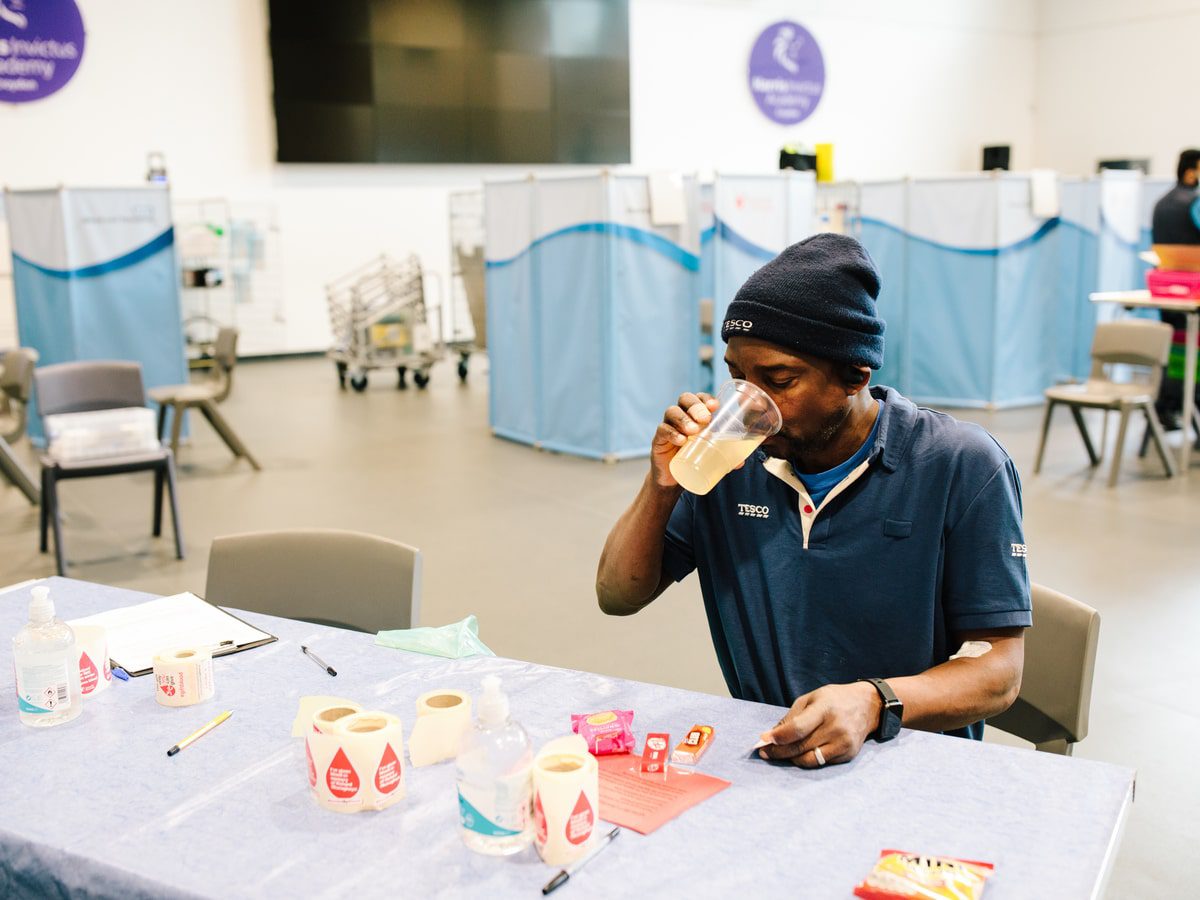
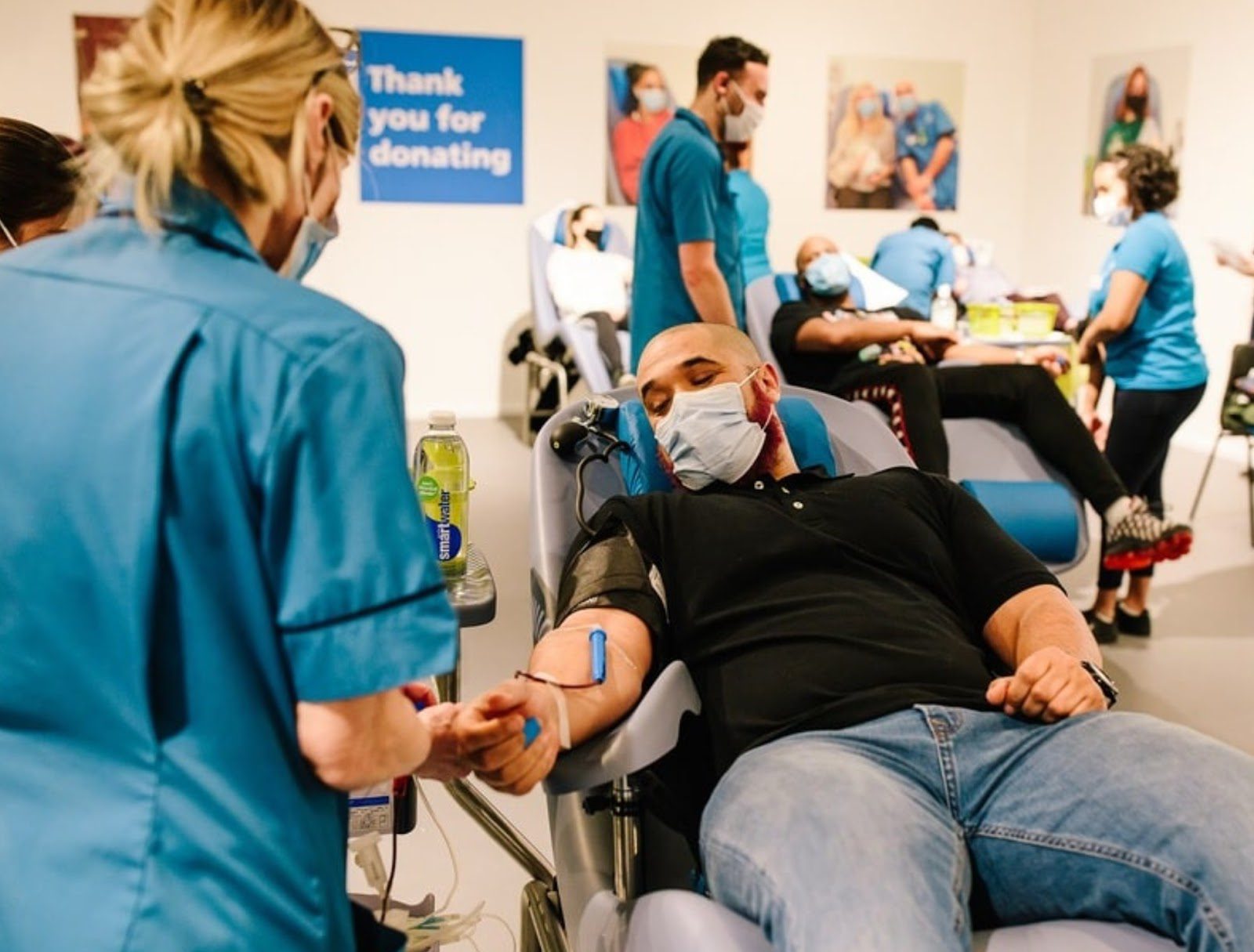
Then you will be invited for a private medical examination and confirmation of identity. It is very important to ensure the safety of the donation process. In other words, they have to check whether it is safe for you to donate and for the patient to receive your blood. Therefore, you need to answer a few confidential questions based on a completed Donor Security Check.
For certain medical purposes, you may be referred to a nurse. They wear a white uniform with red trim on the collar and cuffs. If you can’t donate blood, you will always be given an explanation why. To ensure future well-being, you must make sure that your blood has enough haemoglobin, i.e. iron, before donating blood. The complex test involves taking a small portion of blood from your finger to check your iron level by dropping the blood into a tube with a copper sulphate solution. If the blood sinks to the bottom in a set time you can donate blood.
If the blood floats or doesn’t sink to the bottom in one continuous movement, specialists will offer you an additional test using the HemoCue device. They take a drop of blood from the tip of your finger and examine it in a device to determine the level of haemoglobin. The result will show whether you can donate blood or whether you need to wait a while before returning.
After a successful health check, you will be called and invited to the donor chair. It is also important not to take a hot bath on the day of your donation.