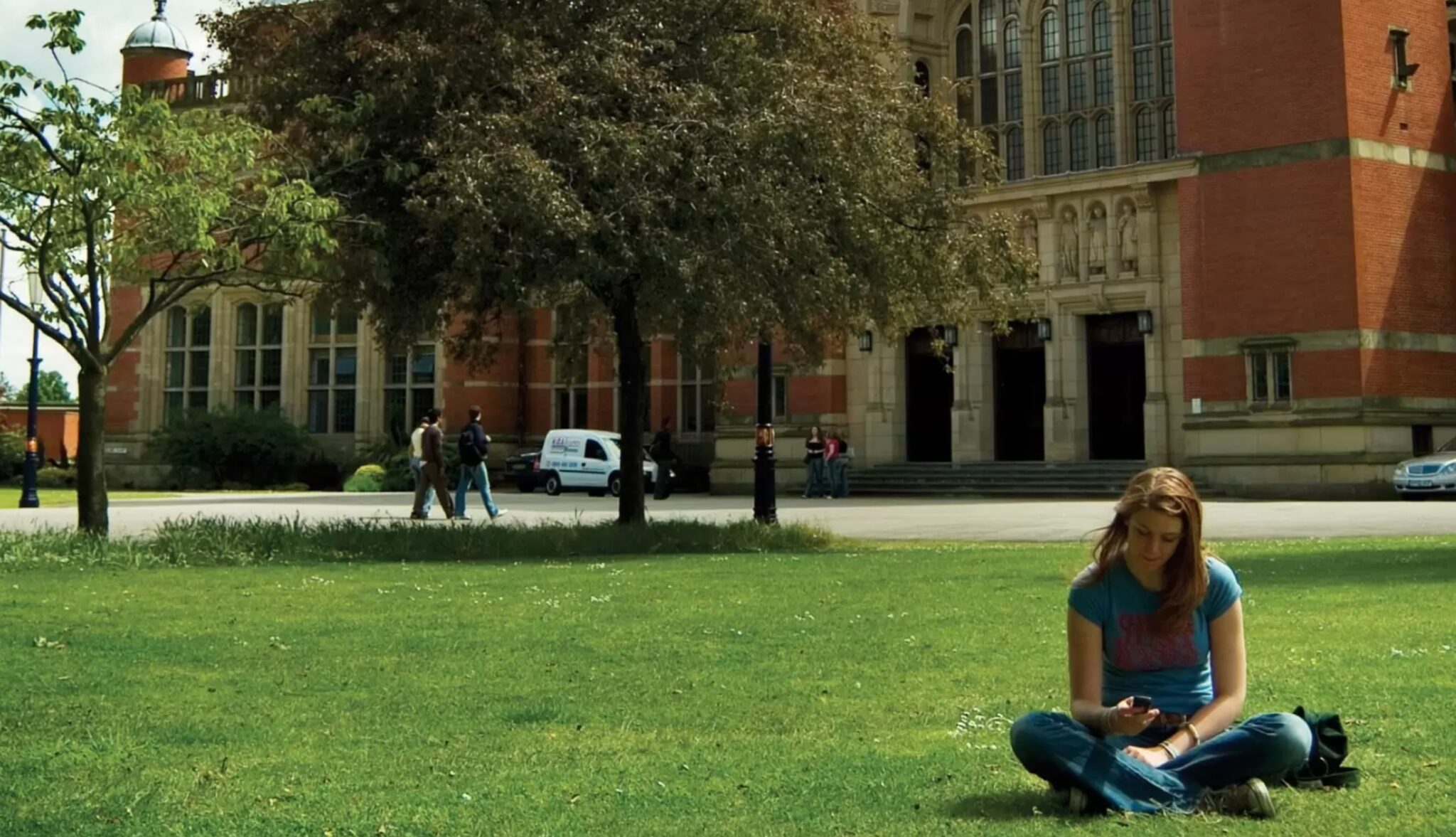

The Birmingham Research Park can be seen as the genesis of an innovation hub in the heart of a constantly changing city. Its emergence is not accidental, but rather the result of careful strategic analysis conducted at a turning point, not only in Birmingham’s economic history, but also in Britain’s as a whole. At this historic moment, former industrial cities were trying to redefine themselves in a context where heavy industry was in decline, while the knowledge economy was experiencing a remarkable rise. For more details on the history of the creation and development of Birmingham Research Park, read here: birmingham.info.
The emergence of the research park
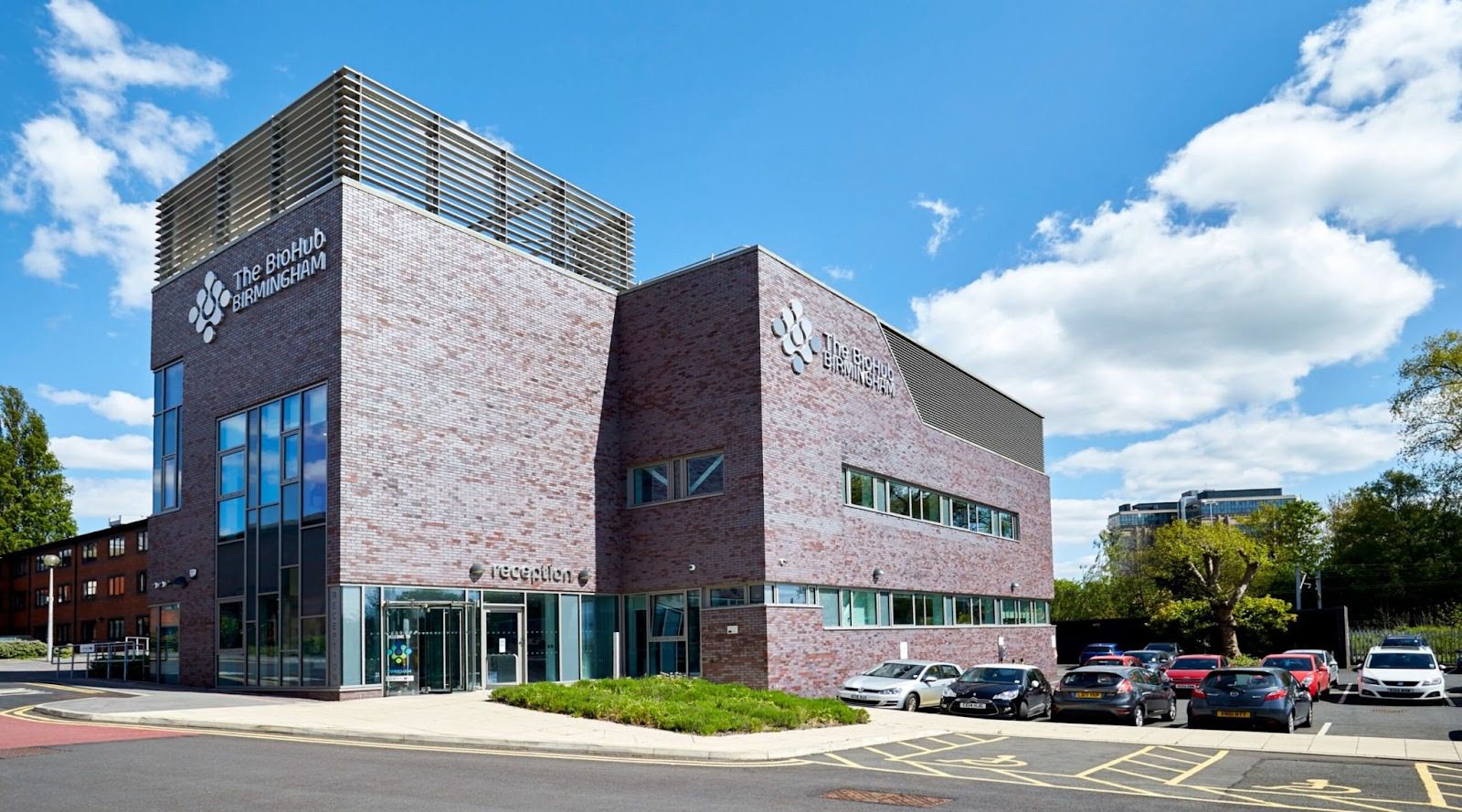
The park was established in the mid-1980s, specifically in 1986. At that time, the University of Birmingham, one of the largest educational institutions in the United Kingdom, began to clearly recognise the need to strengthen ties between university research and the world of economics and finance. In collaboration with local and regional partners, the University of Birmingham initiated the creation of a research park designed to accommodate innovative enterprises with a high level of scientific intensity.
If this idea were implemented, its authors could kill two birds with one stone. First, they could increase the value of university research by promoting the conversion of scientific discoveries into concrete results, services, or technologies. On the other hand, the project aimed to promote the economic reconversion of Birmingham, i.e. to launch the process of transforming the city’s economy, its enterprises, and industries from the production of military or quasi-military products to the production of “peaceful” goods.
As is well known, Birmingham had historically been a leader in metallurgy, mechanics and manufacturing, but at that time was facing profound structural changes. The reconversion process involved significant structural changes, capital reallocation, changes in economic legislation and the restoration of peaceful production, which is often accompanied by a temporary decline in production.
Be that as it may, quite specific measures were taken to achieve these long-term goals. The university allocated plots of land located in the immediate vicinity of its campus, thus ensuring constant interaction between researchers, students, and entrepreneurs. Buildings specifically designed for applied research were constructed.
These included modern laboratories and office spaces with a flexible format and technical infrastructure adapted to the needs of young companies in various fields, such as the biological sciences, medicine and advanced technologies. The park also adopted a management model that promoted, and continues to promote, business support rather than simply renting out premises.
Work on recommendations
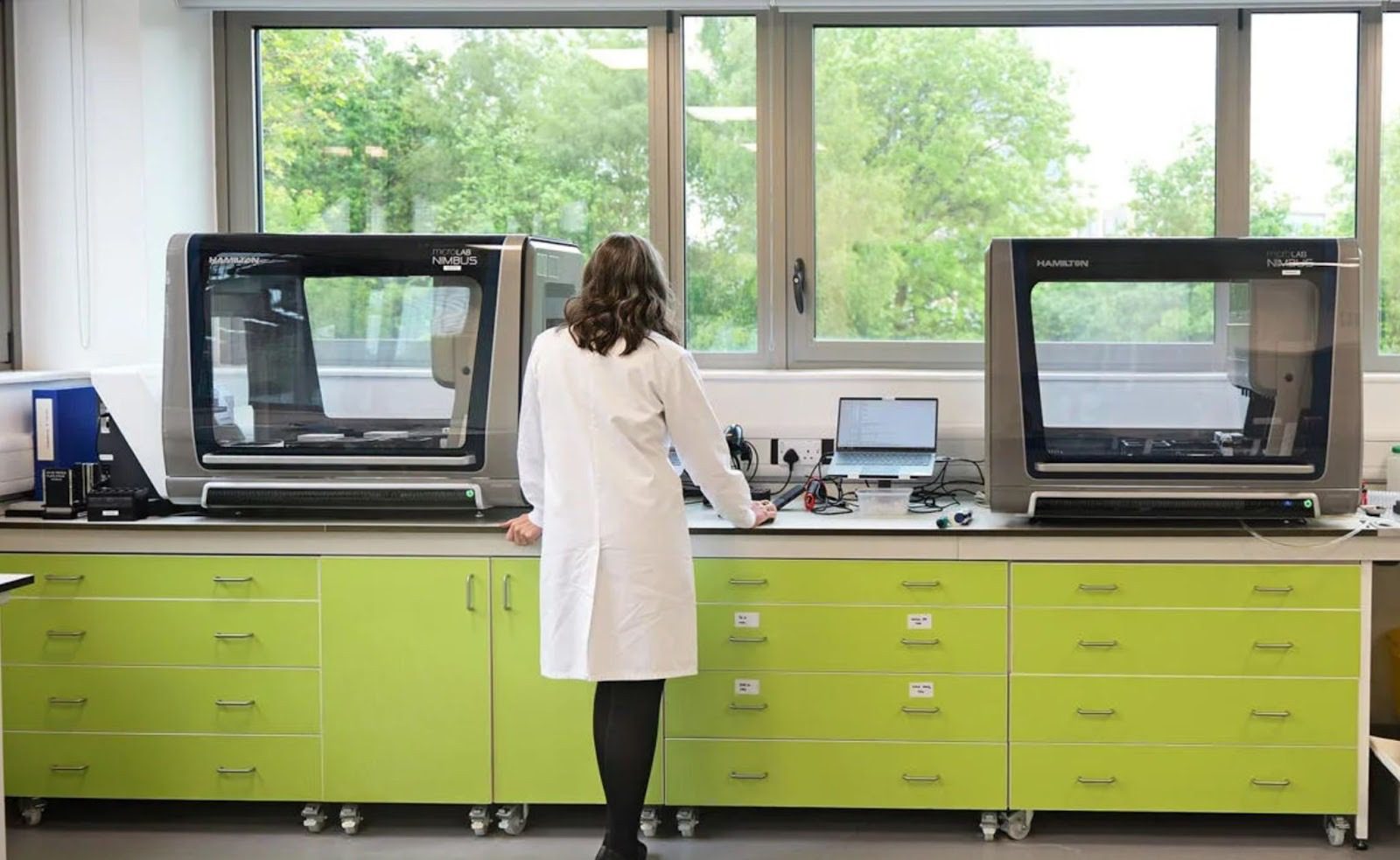
Over the course of decades, Birmingham Research Park has established itself as a place where the transition between academia and the market, between invention and finance, takes place. Today, it brings together a wide variety of structures. These include start-ups, innovative small and medium-sized enterprises, private research teams and joint projects with the university.
The scope of activities has expanded, and now more attention is being paid to biotechnology, healthcare, precision medicine, digital technologies, and artificial intelligence applied in the medical field. Along with its growing authority, the park’s influence on the city and its residents has also grown significantly and can now be described as multifaceted.
From an economic perspective, Birmingham Science Park contributes to the creation of skilled jobs, attracts investment and enhances Birmingham’s appeal, not only nationally but also internationally. In social terms, the innovations developed at the park, particularly in the field of healthcare, have a direct impact on the quality of life of the population, as well as on the level of medical care provided. The park now plays a significant role as an intermediary between science and society, making research more accessible and useful.
In addition, Birmingham Research Park also plays an important role in university life. For students, it offers a unique opportunity to establish contacts with the professional world while still studying. Internships, applied projects, collaboration with businesses, or participation in research-based start-ups are now an integral part of many students’ academic careers. This proximity to innovation promotes a more practical and entrepreneurial approach to higher education.
Researchers also view the park very positively. It allows them to develop sustainable partnerships, obtain additional funding and increase the real impact of their work. In this way, Birmingham Research Park is helping to transform the traditional role of the university, which is no longer limited to the transfer of knowledge but is becoming an active participant in economic and social development.
Examples of cooperation

A current example of collaboration at Birmingham Science Park is the work on improving a new formula for a non-medicated nasal spray to prevent hay fever. Birmingham Biotech LTD received praise at the Department for Business and Trade’s ‘Made in the UK, Sold Worldwide’ awards ceremony for its nasal spray. This spray was developed by scientists in Birmingham during the COVID-19 pandemic. It was designed to protect against infection transmitted by airborne droplets.
The NoriZite nasal spray is available in more than 10 countries around the world. Professor Liam Grover and Dr Richard Moxey from the Institute of Medical Technology at the University of Birmingham are currently working with Birmingham Biotech LTD to improve a new formula for a non-medicated nasal spray to prevent hay fever.
The original formula was developed by the developers in 2020. At that time, the researchers set themselves the task of developing a nasal spray that would evenly coat the inside of the nose and remain in place without leaking for a sufficient amount of time to provide an effective barrier.
Prospects for the research park
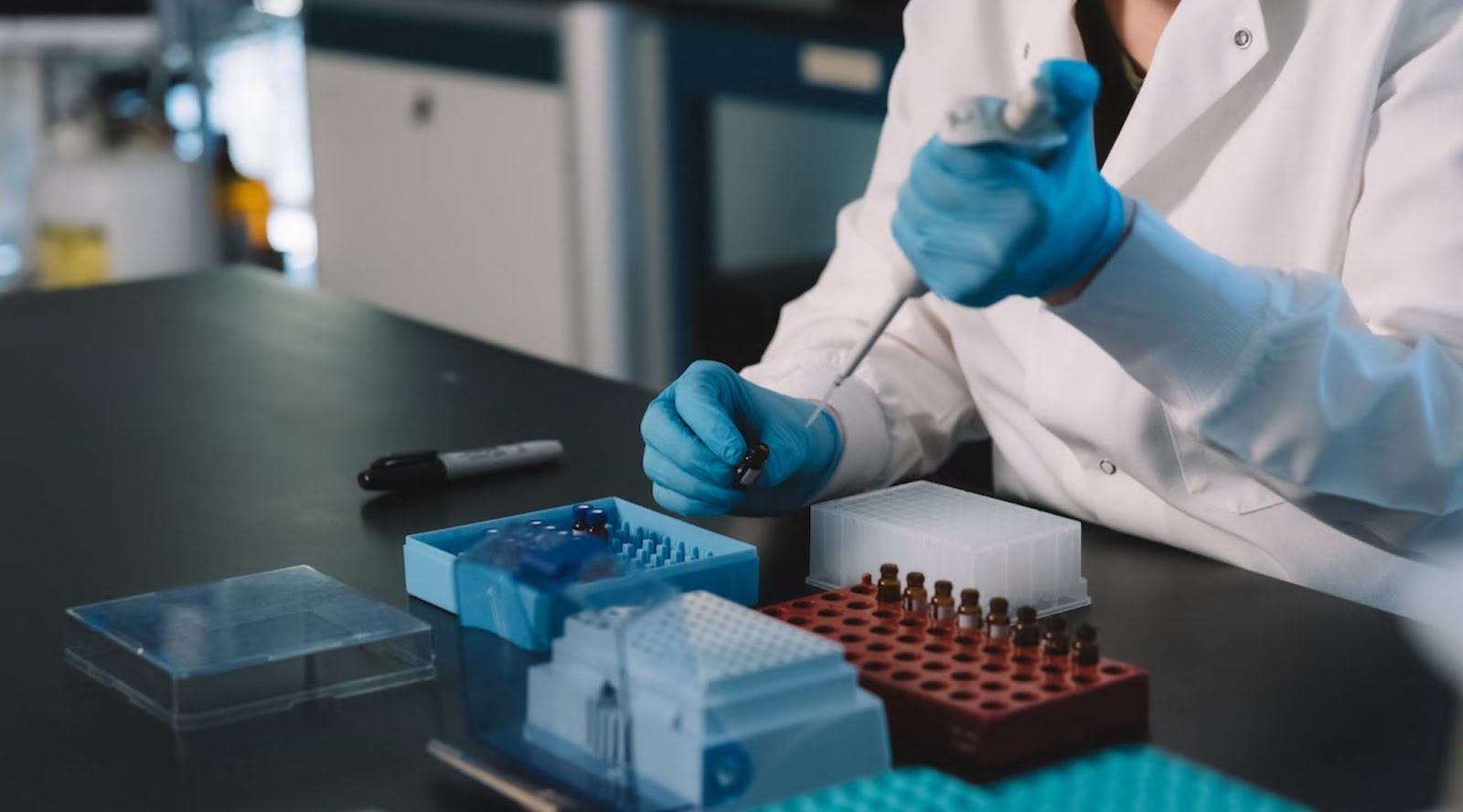
The result was the invention of NoriZite spray, which contains natural ingredients and, when applied using a nasal spray applicator, forms “streams” instead of “jets”. In addition, it provides more than six times more coverage than standard sprays and lasts in the nose for up to six hours. Incidentally, NoriZite was launched in 2022, initially in Singapore, but after the spray became very popular, it was quickly distributed to other countries around the world.
As for the future, the prospects for Birmingham Science Park are closely linked to the main strategic directions of development for the city and the university. The emphasis is on responsible innovation, sustainable technologies, healthcare and convergence, i.e. the convergence of science, data and artificial intelligence.
Sources:
- https://www.birmingham.ac.uk/collaborate/enterprise/birmingham-research-park
- https://www.tarletoncomms.com/our-work/birmingham-research-park
- https://www.ukspa.org.uk/birmingham-research-park/
- https://www.birmingham.ac.uk/news/2025/birmingham-researchers-work-on-revolutionary-approach-to-prevent-hay-fever