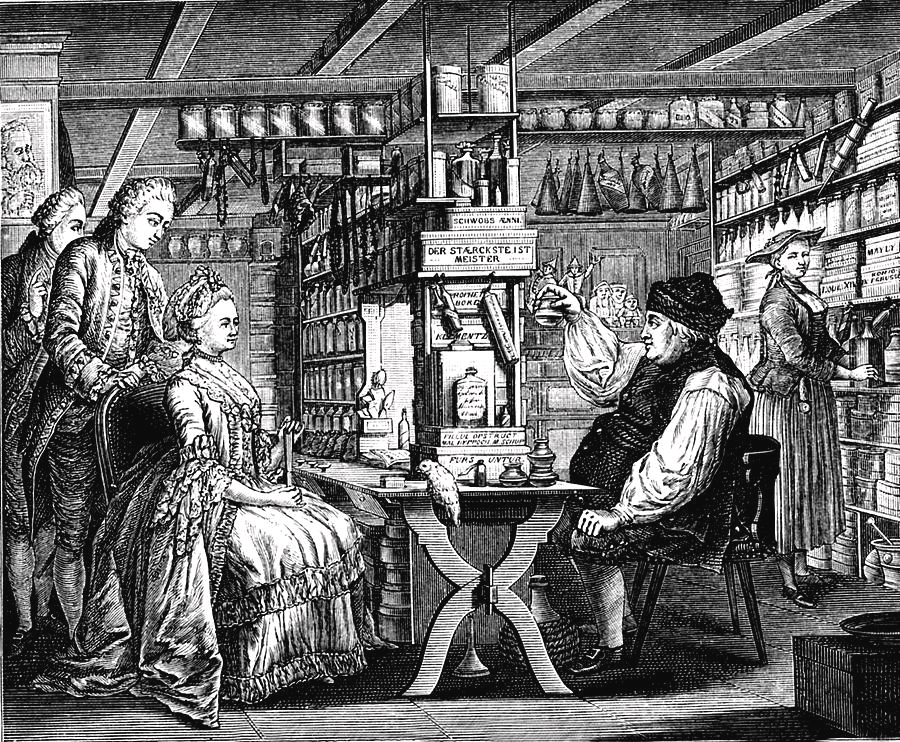

In the 21st century, Birmingham boasts hundreds of pharmacies spread across all areas of the city. Medicine shortages are practically unheard of here. Both residents and tourists can easily buy all necessary medications and, crucially, receive professional advice. But it wasn’t always this way. Let’s delve into the history of pharmacy in Birmingham and recall a time when pharmaceuticals were just beginning to flourish. Read more on ibirmingham.
How It All Began
In ancient times, healers were primarily responsible for treating illnesses. By the 13th and 14th centuries, the first apothecaries began appearing in developed countries, though often groceries sold medicines alongside other everyday essentials. England’s first known apothecary opened in London in 1345, but the exact year for Birmingham remains a mystery.
The 17th century saw the establishment of the first apothecaries’ guild in England. Then, in the early 19th century, legislation formally separated the roles of apothecaries and pharmacists. From then on, apothecaries were limited to selling medicinal preparations, while pharmacists focused on developing drugs and dispensing prescriptions.
Some believe Birmingham’s pharmacy history truly began in 1841 with the founding of the Pharmaceutical Society of Great Britain, which regulated the work of pharmacists and apothecaries. This marked a gradual professionalisation of pharmacy throughout the 19th century. By the 1890s, Aston University, one of Birmingham’s largest public universities, began offering pharmaceutical education to all who wished to pursue it.
Changes in the 20th Century
Radical shifts in pharmacy occurred in the mid-20th century. In 1948, the National Health Service (NHS) began operating in Birmingham. From this point, the government regulated the work of pharmacies and pharmacists. While 19th-century pharmacists advised Brummies and helped select treatments, after the NHS’s creation in the 20th century, these duties were fully delegated to doctors.
The profession of pharmacist remained largely in the background for a long time. However, pharmacies soon became actively involved in public health education. For example, in 1986, a programme was launched to distribute a special brochure through city pharmacies, aiming to combat medical illiteracy among ordinary people. Towards the end of the 20th century, training programmes were developed for pharmacists to enhance their qualifications.
Pharmacy Today

Today, the term “apothecary” is a relic of the past. Modern Birmingham pharmacies are staffed by pharmacists – qualified healthcare professionals. They undergo specialised training and, while not replacing doctors, can offer advice and recommend treatments for minor ailments.
In 2024, a list of common conditions was approved for which Brummies can visit pharmacies to receive prescriptions from pharmacists. This service, called “Pharmacy First,” was introduced to ease the burden on GPs and help residents get quick consultations without needing a general practice appointment.
Conditions covered by “Pharmacy First” include sinusitis, sore throats, urinary tract infections, and several others. If you need a prescription medication for other conditions, you’ll still need to see a GP and then bring the prescription to the pharmacy. In such cases, pharmacists can only advise on home treatment and suggest over-the-counter remedies.