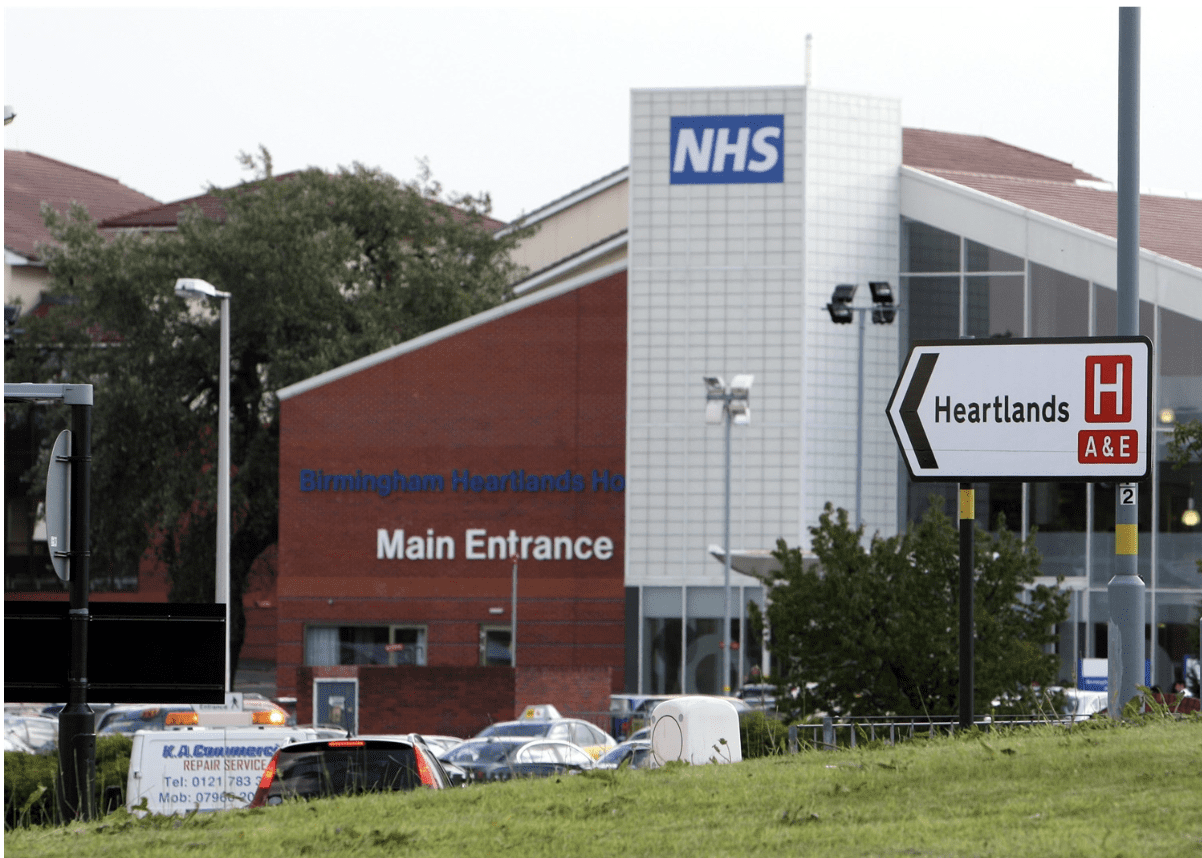

For decades, medical care for Birmingham residents has maintained a high standard. However, public dissatisfaction certainly exists. For instance, some medications can’t be bought over the counter without a GP’s prescription. And getting an appointment with certain specialists can sometimes mean waiting weeks or even months. You can find out more on ibirmingham.
Despite these frustrations, every Brummie can expect quality medical care. A huge part of this is thanks to the well-oiled machine that is the National Health Service (NHS). It helps people find doctors and medical facilities in the city, alongside other valuable services. Private healthcare in the city also remains popular. Let’s delve deeper into both options.
NHS – Quality Public Healthcare
The NHS story began after the Second World War. The UK government set about developing a project aimed at providing systematic medical assistance accessible to all local residents. The NHS was officially founded in 1948.
The strongest argument for the NHS’s effectiveness is its successful operation for over half a century. The British healthcare system has seen remarkably few changes and reforms, a stability much appreciated by locals. Birmingham residents also highlight other advantages of the NHS:
- Accessible Services. The NHS was the first public organisation in the world to provide free healthcare services. Every Brummie can access a wide range of doctors, undergo diagnostics and various examinations, and be admitted to any hospital in the city.
- Special Attention for Vulnerable Groups. While adults might pay for prescribed medications, most medicines for children are free. Routine vaccinations also come at no cost. Furthermore, women receive free contraception, maternity care, childbirth services, and neonatal care.
- High Quality of Care. The quality of services provided is overseen by the Department of Health. Some localised decisions, particularly for emergencies, are made by NHS branches within Birmingham.
Finding Doctors, Clinics, and Other NHS Services

The first step to utilising the NHS’s public healthcare programme is to register with the system. This can be done online via the official website by providing scanned documents, your address, and phone number. The website also lists all the services the organisation offers. To see a doctor at a Birmingham clinic, you’ll need to book an appointment in advance.
Your first appointment will always be with a GP, who will then refer you to a surgeon, ophthalmologist, or other specialist if needed. Unfortunately, waiting times for specialist appointments can stretch to weeks or even months. Brummies often cite this as the biggest drawback of the NHS.
If hospitalisation is required, your GP will arrange a referral to a clinic with the necessary specialists and available beds. Patient preferences can be taken into account; for example, some Birmingham residents seeking surgery look for doctors who use bloodless techniques.
You can also turn to the NHS for preventative measures, such as vaccinations or blood tests. More details on specific services are available on the NHS website or by calling 111. Some services are relatively new but have quickly gained popularity. For example, new mothers can get help from breastfeeding consultants who adhere to the high-quality standards set by “UNICEF Baby Friendly UK”. Consultants can offer advice over the phone or arrange in-person meetings.
How to Get Emergency Medical Help in Birmingham

Across Birmingham, you’ll find “A&E” (Accident & Emergency) departments. No NHS registration is needed to visit them. You should go to A&E for genuine emergencies such as:
- Loss of consciousness;
- Acute chest pain;
- Severe bleeding;
- Serious burns;
- Stroke symptoms;
- Major injuries;
- Other situations requiring immediate medical intervention.
In addition to visiting an A&E department, all Birmingham residents can get online consultations from emergency medical specialists. Please note that A&E departments employ various doctors, including psychotherapists. Therefore, you can seek help here for suicidal thoughts and other acute mental health crises.
Private Healthcare in Birmingham

No matter how flawless a public organisation might seem, the demand for medical services offered by commercial providers remains high. Private clinics in Birmingham are also regulated by the Department of Health and undergo bi-annual inspections. Many specialists working in private healthcare also hold positions in NHS hospitals. While private medicine in Birmingham isn’t cheap, it offers distinct advantages:
- Speed of Service. It’s always easier to get a prompt appointment at a private clinic than at an NHS one.
- Service Quality. Patients paying for their appointments can expect additional services designed for their comfort.
- Access to Second Opinions. Some Brummies seek a “second opinion” – an alternative professional perspective on their situation.
- Non-Curative Medical Procedures. This often includes cosmetic procedures.
- Patient Care Services. Private facilities are often chosen by Birmingham residents who want to ensure high-quality care for their loved ones after operations, during addiction treatment, and in other situations.
Top Private Clinics in Birmingham
Here are a few popular private clinics in the city trusted by Birmingham residents:
- “The Priory Hospital”. This private clinic in Edgbaston offers services from a range of specialist doctors, including gynaecologists, urologists, ENT specialists, surgeons, orthopaedics, and more.

- “Spire Parkway Hospital”. A popular private hospital offering consultations with various specialists and inpatient care. It boasts modern operating theatres and experienced surgeons. The clinic also has over 40 comfortable private rooms for patients staying overnight.
- “The Westbourne Centre”. This is a specialised private clinic with departments focusing on general surgery, cosmetic surgery, orthopaedics, ophthalmology, and maxillofacial surgery. Some NHS patients can also access “The Westbourne Centre” by prior arrangement.
The choice between private healthcare and the NHS is a personal one for every Brummie. Each system has its pros and cons. For example, the NHS offers comprehensive care without direct financial cost but often involves waiting times for specialist appointments. Private clinics, on the other hand, guarantee a high level of service and comfort, but these come at a price.