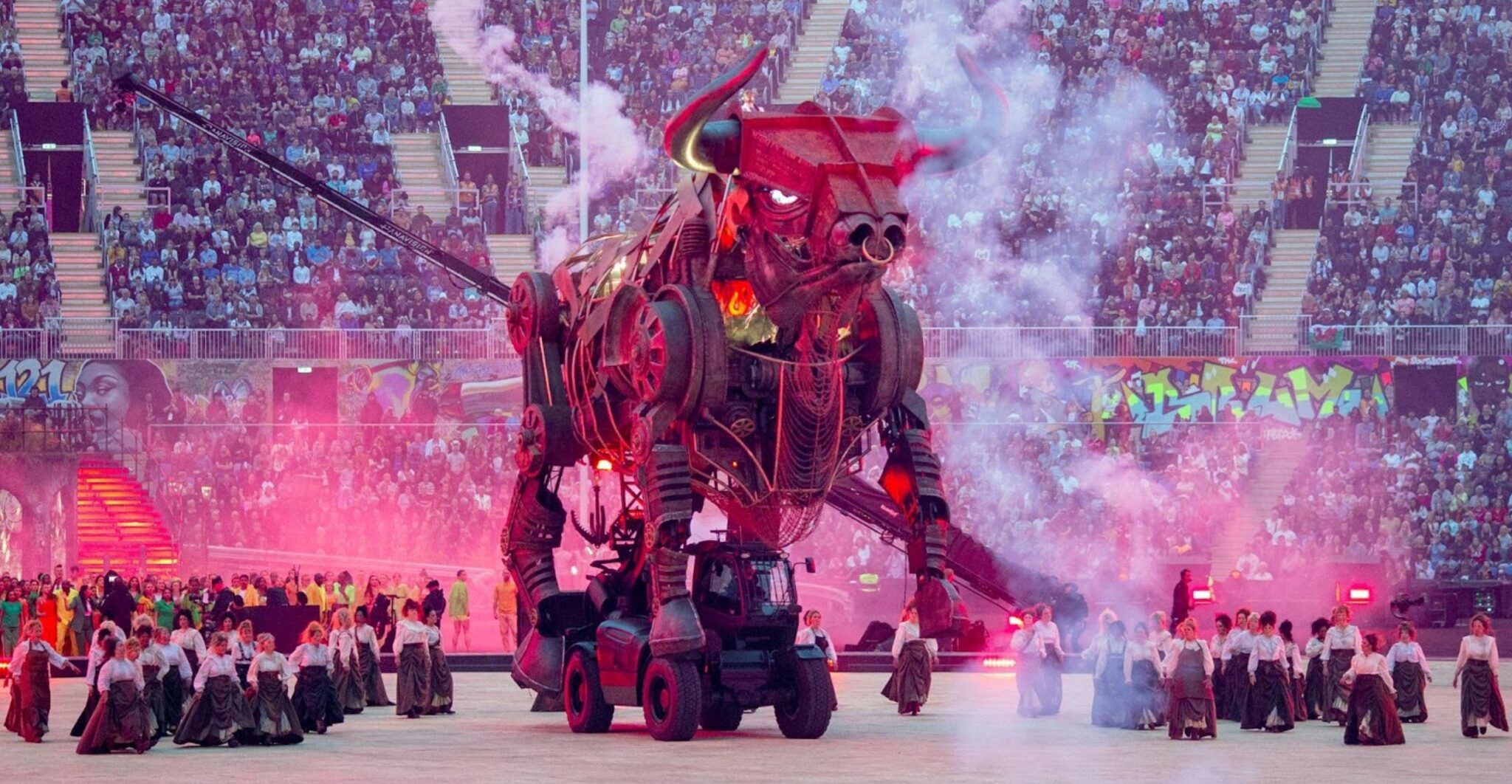

The Commonwealth Games have a long tradition of bringing nations together every four years for a colourful celebration of sport and incredible human achievement. More than 5,000 male and female athletes from 72 countries take part in these sporting events in the former territories of the British Empire. Drawing on the core values of humanity, equality and destiny, the Games, often referred to as the ‘Friendly Games’, aim to bring the Commonwealth family together through a glorious celebration of sport. In 2022, the Commonwealth Games will be held in Birmingham, for more information, please visit ibirmingham.info.
Historical background
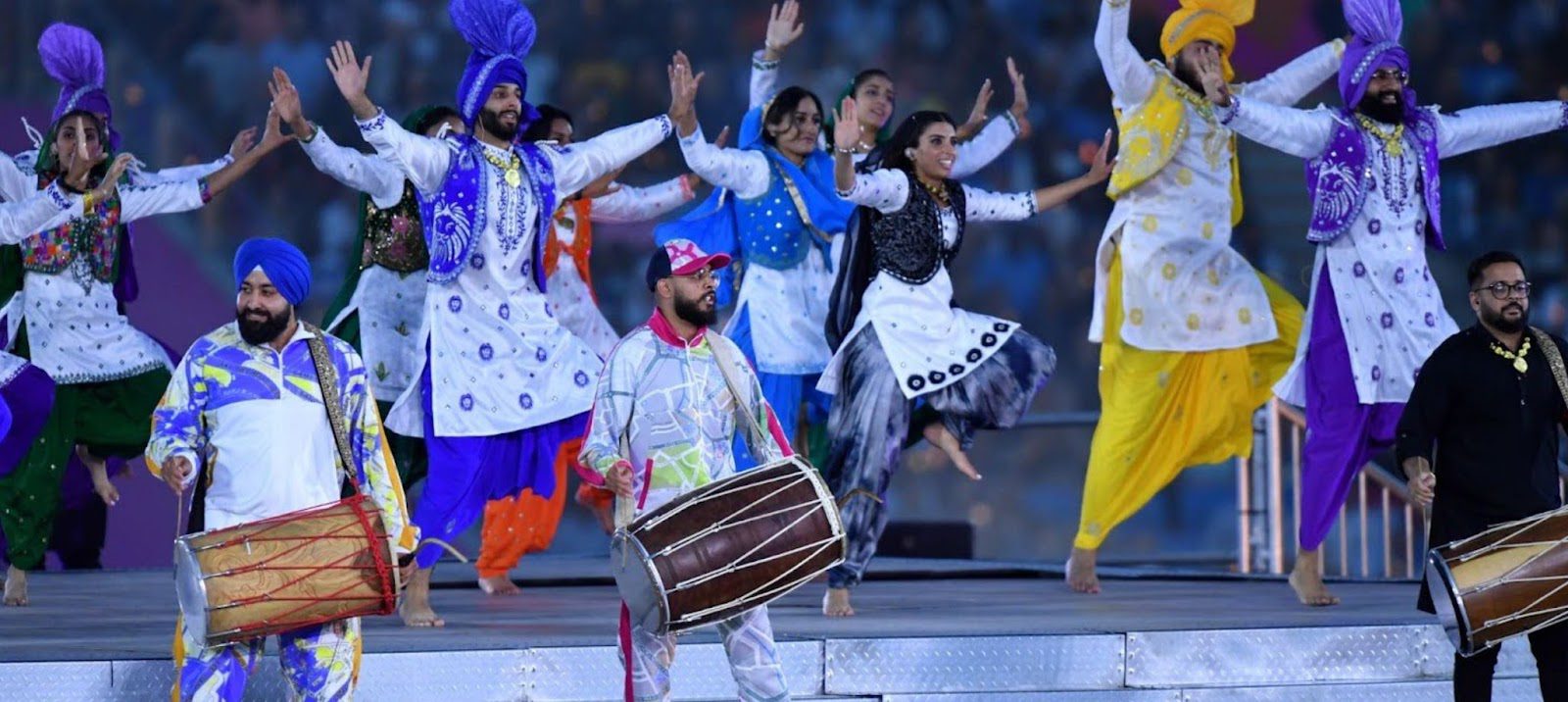
The 22nd Commonwealth Games took place in Birmingham from 28 July to 8 August 2022, bringing together athletes from seventy-two Commonwealth countries and territories to take part in the largest multi-sport event to be held in England in 10 years. The event was supported by £778 million of public funding, supplemented by £120 million of commercial revenue.
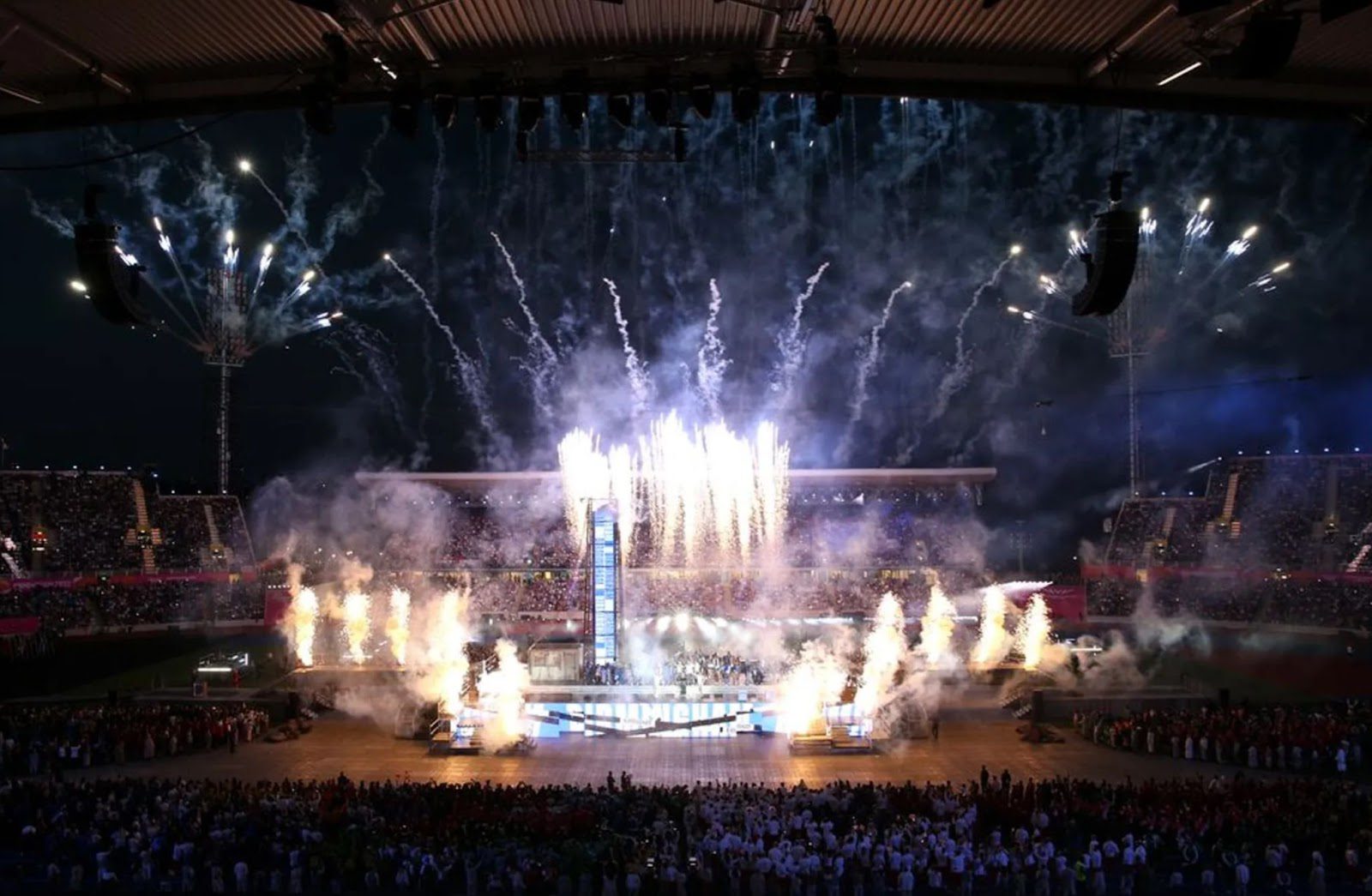
This money was spent on preparing and holding the opening and closing ceremonies, as well as on the actual sports competitions. The competition lasted 11 days in total. The public investment
in the Games also helped to leverage approximately £85 million in additional funding from a range of public and private organisations to support wider legacy activities, and accelerated the delivery of planned capital investment in the city’s capital programme.
If we go back a few years, Birmingham was awarded the right to host the Games in late 2017. Therefore, planning began in early 2018, which left only four and a half years to prepare. For comparison, the standard preparation for a competition of this level takes about six and a half years.
But this shortened preparation period was impacted by several unprecedented circumstances, including the UK’s exit from the European Union, the global COVID-19 pandemic and the challenges associated with it, including construction delays, increased supply chain costs and labour shortages.
However, despite these challenges, the Birmingham 2022 Commonwealth Games were completed on time and on budget, even when taking into account both public sector budget allocations and commercial revenues. In addition, the UK government decided to reinvest £70 million of surplus funding in the West Midlands region to further enhance the legacy of the Games.
The planning and delivery of the Games was led by a number of organisations, including the Department for Culture, Media, and Sport as lead government department. Birmingham City Council, the Birmingham 2022 Organising Committee, the West Midlands Combined Authority, the Commonwealth Games Federation, and the Commonwealth Games England. The partnership also worked together to plan and secure the Games’ long-term legacy.
To assess whether the intended social outcomes and impacts of Birmingham 2022 have been achieved, and to draw lessons learned, the Games partners commissioned KPMG, with support from 4GLOBAL and Dr Shushu Chen of the University of Birmingham. They will conduct an independent evaluation of the entire Games and associated programmes across the Games.
In terms of the vision of the ‘Games for All’, the evaluation found that the Games and all other planned programmes provided a wide range of opportunities for inclusion and participation. These included free and paid sporting and cultural events, volunteering, employment and training opportunities, community events, and a range of targeted legacy programmes covering physical activity, youth, and education.
An investment that cannot be avoided
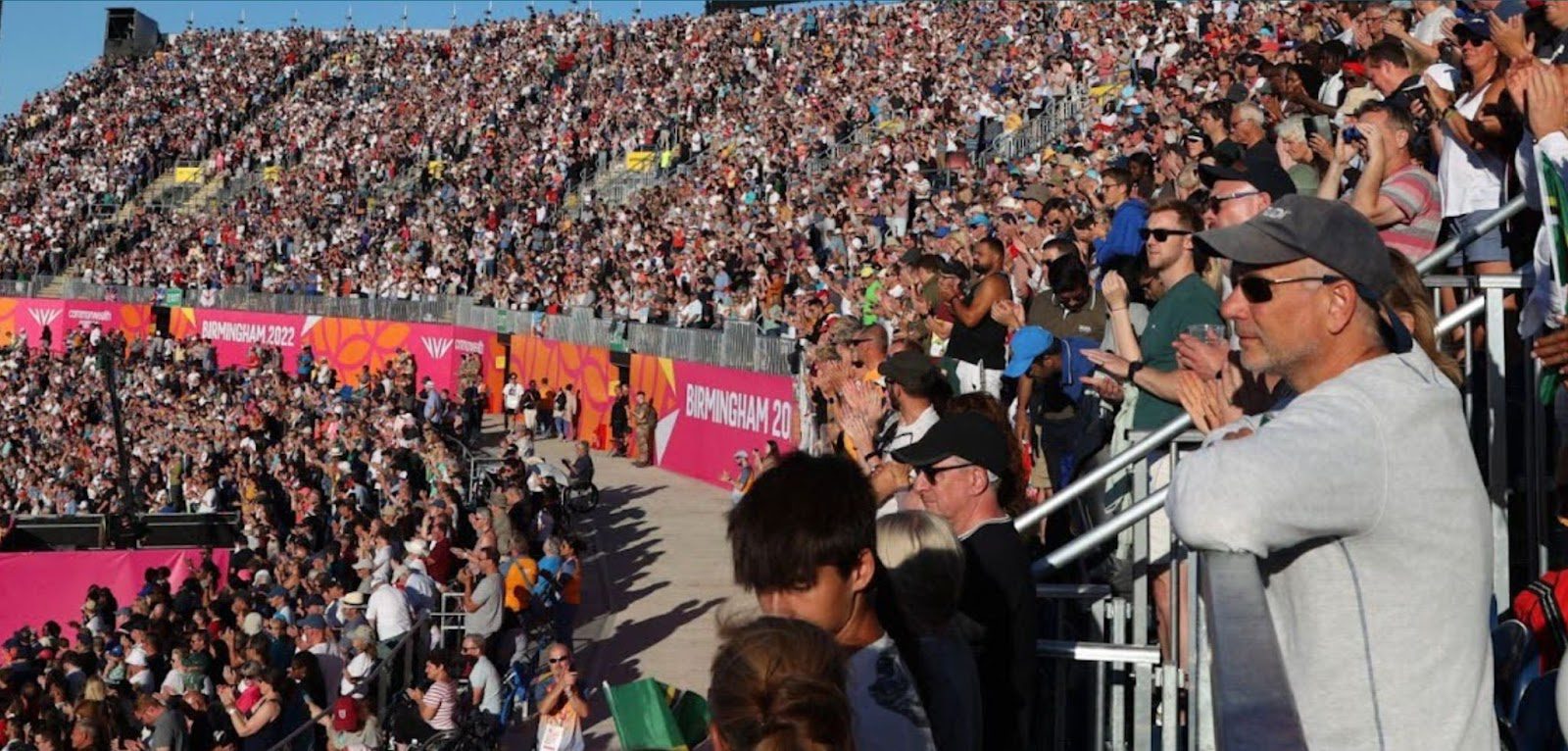
Games-related activities attracted a total of almost 7 million visitors, participants, volunteers, and staff. To date, participation data shows that a significant proportion of these were from Birmingham and the West Midlands. Data from a post-Games resident survey shows that around three quarters of local residents were involved in some way with the Games. This included attending, participating, watching the Games on television or following the competition on social media.
The Games were subsequently rolled out across the UK and globally, with a global television audience of 834.9 million people, over 215 million digital views and 141 million social media interactions. The Games’ programmes aimed to engage both individuals and groups, reflecting the diversity of the West Midlands.
In summary, the evaluation found that, based on the available data on key priority groups, this was largely achieved amongst the Heritage Programme and the Organising Committee. However, some stakeholders noted that more could be done to ensure that all subgroups were fully engaged and benefited from the Games. The overarching aim of the Games, as set out in the Legacy Plan, was to have a positive impact and leave a positive and lasting legacy for Birmingham, the West Midlands and beyond. This was achieved through the five pillars of the mission:
- bring people together
- improve health and well-being;
- help the region grow and succeed;
- be a catalyst for change;
- Put us on the international stage.
The evaluation analysed the evidence for each of these points, as well as the impact and legacy that has been achieved in the period up to one year after the Games.
Count the money
The evaluation found evidence that significant short-term benefits had already been achieved in the year following the Games. And the analysis in this evaluation’s analysis showed that, as of August 2023, the Games and legacy activities had generated an estimated £1.2 billion in economic value.
In addition, £79.5 million worth of social value and 22,380 full-time equivalent jobs were created throughout the year. This is against a total cost of £929.7 million to deliver these activities, including £638.3 million of Games-related operating costs.
Of this, £120.5 million was funded from commercial income, £172.7 million of Games-related capital expenditure, £69.0 million of discretionary operating expenditure related to legacy activities and £49.8 million of accelerated delivery costs, which have been allocated for the period to August 2023.
Legacy Programme

Of the total expenditure, £780.0 million was net additional public sector expenditure. In addition to the monetised impacts, evaluation data was gathered from surveys of local residents, businesses, visitors, and participants.
The Heritage Programme, identifies a number of positive impacts of the Games, including community cohesion, physical and mental wellbeing, skills, tourism, trade and investment, and regeneration. It is noteworthy that when asked about the impact of the Games, the proportion of respondents reporting a positive impact far outweighed the proportion reporting a negative impact.
Sources: