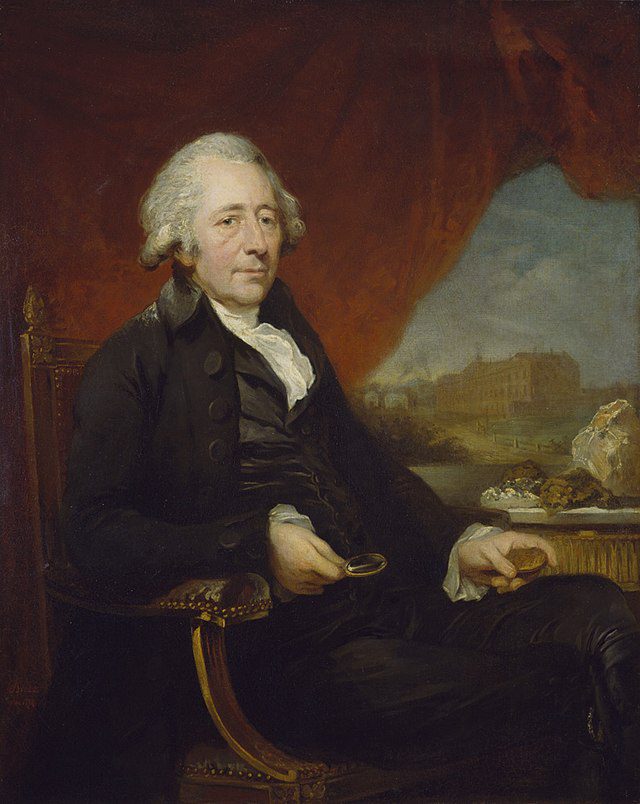

Scotland’s most renowned engineer, James Watt, is celebrated for creating numerous industrial machines that revolutionised factories, mints, and various industries. His partnership with Matthew Boulton, a Birmingham native, brought the famous “Boulton and Watt” engine to life. Boulton became one of the most significant industrialists and engineers in the region’s history. Learn more about him at ibirmingham.
Industrial Legacy
Matthew Boulton was born in Birmingham in 1728 into a family well-regarded in the city’s industrial circles. His father was a prosperous businessman who moved the family to a more affluent area of Birmingham shortly after Matthew’s birth. His father’s business focused on producing small metal items, and he taught Matthew many skills, introducing him to the world of engineering.
Boulton attended Deritend Academy in Birmingham, and by the age of 17, he had made his first invention, which quickly gained popularity beyond England. By the time he was 21, his father made him a partner in the family business.
Around the age of 30, Boulton established his own enterprise, building a large manufactory in Soho, Birmingham. There, he produced decorative and practical items using advanced technologies, including electroplating techniques. Much of his work involved silver and gilded bronze.
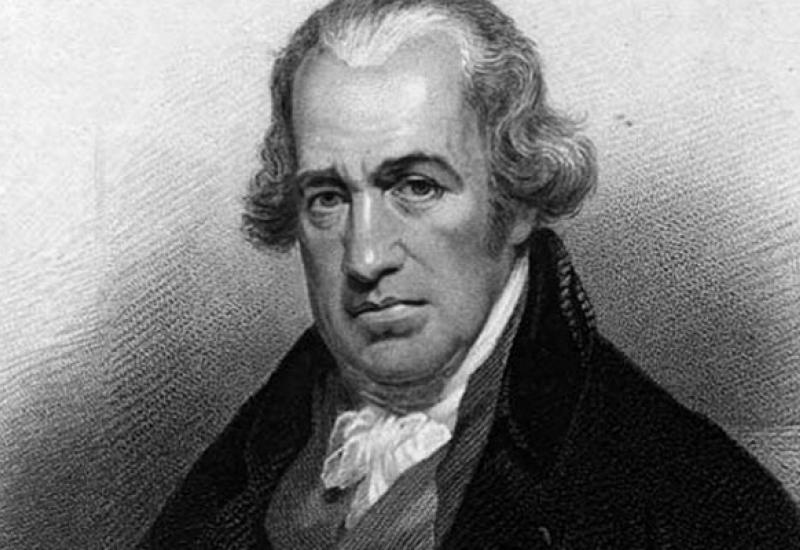
His collaboration with James Watt came about by chance. Watt’s business partner owed Boulton money but could not repay him, so he offered him a share in one of Watt’s patents instead. This led to a highly productive partnership. Boulton advocated for Watt in Parliament, securing extensions for his patents, which allowed them to release their first steam engine. This innovation quickly spread across the globe, with hundreds of engines installed not just in England but also in America and Europe.
The Lunar Society
At the time, Birmingham was home to various associations and civic groups. The Lunar Society was one such gathering of men united by their passion for art, science, and theology. Its members included prominent industrialists and intellectuals such as Watt, Erasmus Darwin, Joseph Priestley, and Josiah Wedgwood. The society earned its name because meetings were held monthly during a full moon, providing enough light for members to travel safely at night. These occasional meetings were sufficient to foster mutual support and collaboration. Together, they laid the groundwork for the Industrial Revolution, contributing to industries ranging from machinery and textiles to science and the arts.
Another notable Birmingham figure, William Wyon, was a master engraver who created exquisite coins. Boulton supported Wyon by establishing the Soho Mint, the first private mint in Britain. This facility produced medals, coins, and tokens. Boulton adapted steam power to coin production, a breakthrough that ensured high-quality, counterfeit-proof currency.
Boulton was deeply concerned about the state of Britain’s coinage. Despite his successes in the field, it took him several years to secure a government contract. Starting in 1797, he began minting British coins. His machines were so advanced that counterfeiting them was nearly impossible at the time. The first coins he produced were copper pennies, which remained in circulation until 1971.
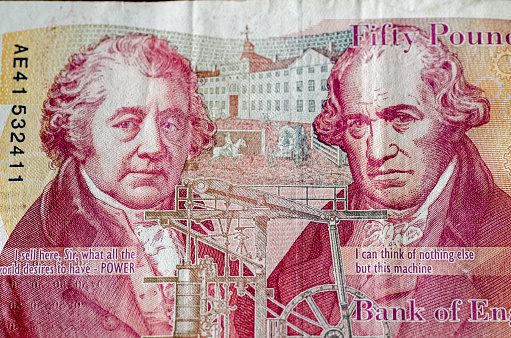
The Soho Mint was Boulton’s true passion. Even in retirement, he continued overseeing the mint’s operations. He passed away in Birmingham in 1809. For his contributions to England’s industrial development, his and Watt’s portraits were featured on the £50 note, which began circulation in 2011. Birmingham also honours them with a monument in the city.
Boulton was married twice. After his first wife’s passing, he married her sister, a practice frowned upon by the Church but accepted by society. This decision did not harm his relationships with partners or the public, as he had little involvement in religious matters.
Matthew Boulton’s dedication to industry and innovation cemented his place in history, not only as James Watt’s partner but as a pioneering figure in Birmingham’s industrial and scientific legacy.